Utah Charter Boat Fishing License Requirements
It's easy to get excited about a guided fishing trip in Utah. You've booked your charter, packed your snacks, and you're dreaming of reeling in that trophy fish. But then, a nagging thought pops up: "Do I still need my own fishing license if I'm with a professional guide?" This is a common point of confusion that trips up many anglers, leading to unnecessary stress or even fines. This guide is here to clarify exactly what fishing license requirements apply when you're on a charter boat in Utah, ensuring your adventure on the water is nothing but smooth sailing and fantastic fishing.
Understanding Utah's Fishing License Basics for Guides and Clients
Embarking on a guided fishing trip in Utah is an incredible experience, but it’s crucial to understand that while your guide provides the expertise, boat, and often the tackle, they don't provide your individual fishing license. This distinction is where many anglers get tangled up, assuming the cost of the charter covers everything. Let's clear the waters on this.
Why Anglers Need a License, Even on a Charter
Many people naturally assume that if they're paying good money for a guided trip, all the legalities are handled. It's a totally understandable thought! After all, your guide is a professional, licensed to operate their business. However, the Utah Division of Wildlife Resources (DWR) views things a bit differently. Your guide's license, known as a Utah Fishing Guide License Requirements, permits them to operate a commercial guiding service. It doesn't extend to cover the individual right of each client to fish. Think of it like a driving instructor: they have a license to teach, but you still need your learner's permit or driver's license to legally operate the vehicle yourself.
Every individual actively participating in fishing, regardless of whether they are on a private boat, a friend's boat, or a commercial charter, must possess the appropriate Utah fishing license for their age and residency. This rule is a cornerstone of responsible wildlife management, ensuring that everyone who benefits from Utah's incredible fisheries contributes to their conservation through license fees. Without this revenue, the DWR wouldn't be able to stock fish, manage habitats, or enforce regulations. So, while it might seem like an extra step, it's a vital part of protecting the very resource you're there to enjoy.
Who Needs a Utah Fishing Guide License
Now, let's flip the coin and look at it from the guide's perspective. Anyone who offers fishing services for hire in Utah must obtain a specific guide license from the DWR. This isn't just a formality; it ensures that individuals leading trips are knowledgeable, accountable, and adhere to state standards. Beyond just a fishing license, guides often need additional certifications, such as Coast Guard captain's licenses if operating on navigable waters, first aid and CPR training, and specific insurance. These requirements ensure your safety and the professionalism of the guiding service.
The DWR's requirements for guides are quite thorough, encompassing everything from proper boat registration to safety equipment. A reputable guide will be upfront about their qualifications and happy to answer any questions you have about their licensing. It’s always a good idea to confirm your guide is properly licensed before booking, giving you peace of mind that you’re in capable, legal hands. They invest significantly in their business to provide you with a fantastic experience, and part of that investment is meeting all state and federal regulations.
What Constitutes a "Charter Boat" in Utah Fishing
The term "charter boat" or "guided trip" in Utah fishing broadly refers to any situation where an individual or business provides a service for compensation to take clients fishing. This isn't limited to large, multi-passenger vessels on expansive lakes like Lake Powell or Flaming Gorge. It can also include smaller operations, like a drift boat on the Provo River, a bass boat on Utah Lake, or even a pontoon boat for a family outing on Deer Creek Reservoir. If money changes hands for the specific purpose of guiding or assisting someone in fishing, it generally falls under the umbrella of commercial guiding activity, and thus requires the guide to have their specific license.
It's important to distinguish this from simply sharing a boat with friends or family. If you're out with buddies and splitting gas money, that's generally considered recreational fishing. But if one person is advertising and charging for their "expertise" or "service" to help others catch fish, even if it's just for a day, they need to be properly licensed as a guide. The intent and transaction are key indicators here. The DWR has established clear guidelines to ensure fairness among commercial operators and to protect consumers.
Specific License Requirements for Charter Clients
So, you're booked on a charter. Fantastic! Now let's make sure you, as the client, have all your ducks in a row when it comes to your personal fishing license. The rules for clients on a guided trip are exactly the same as if you were fishing on your own. There are no special "charter client" licenses; you simply need a standard Utah fishing license that covers you for the duration of your trip.
Age-Based License Requirements for Guided Trips
Utah's fishing license requirements are primarily determined by age, and these apply universally, whether you're with a guide or not. It's really straightforward:
- Children Under 12: Great news for the little ones! Kids under the age of 12 do not need a fishing license in Utah. This is a fantastic way to introduce them to the joys of angling without any bureaucratic hurdles. Just make sure they're supervised, and they can fish to their heart's content.
- Youth Ages 12-13: These young anglers need a "Youth Combo License" which includes both hunting and fishing privileges. It's a great value if they're interested in both sports.
- Youth Ages 14-17: Similar to the younger youth, individuals in this age bracket also need a "Youth Combo License."
- Adults 18 and Older: Anyone 18 years of age or older must purchase an adult fishing license. This includes annual licenses, as well as shorter-duration options like the 3-day or 7-day licenses which can be perfect for a single guided trip or a short vacation. You can find more details on these options in our guide to Utah Fishing License Costs by Age and Residency.
It’s always a good idea to double-check the current year's regulations on the DWR website or confirm with your guide when booking, as age cutoffs or license types can occasionally be updated. Better safe than sorry!
Resident vs. Non-Resident Licenses on Charters
Another crucial factor for your license is your residency status. Utah offers different pricing for residents and non-residents, and it's essential to purchase the correct one.
- Utah Residents: If you meet the DWR's criteria for Utah residency (typically living in the state for at least six consecutive months, among other factors), you qualify for a resident license, which is significantly more affordable.
- Non-Residents: If you don't meet Utah's residency requirements, you'll need to purchase a non-resident license. This is common for vacationers or those visiting specifically for a guided trip. The good news is that Utah offers flexible short-term licenses, such as the Utah 3-Day and 7-Day Fishing License Options, which are perfect for non-residents planning a shorter stay or just a day or two of guided fishing. These are often the most economical choice for a single charter experience.
Make sure you understand the residency definitions before you buy, as misrepresenting your residency can lead to serious penalties. Your guide will likely confirm this with you when you book, as it's part of their due diligence.
How to Ensure You Have the Right License Before Your Trip
Planning ahead is key to a stress-free fishing adventure. Here’s a simple checklist to make sure you’re properly licensed for your charter:
- Check Your Dates: Make sure your license is valid for the exact dates of your guided trip. An annual license typically runs for one year from the date of purchase, or for the calendar year depending on when you buy it. Short-term licenses are specific to their duration.
- Verify Age and Residency: Double-check that you're purchasing the correct type of license based on your age and whether you're a Utah resident or non-resident.
- Purchase in Advance: Don't wait until the last minute! You can easily purchase your Utah fishing license online through the DWR's website, which is often the most convenient method. Many sporting goods stores (like your local Amazon affiliate retailer that sells licenses), DWR offices, and some small businesses also sell licenses in person. You can learn more about the Utah Fishing License Online Purchase Process.
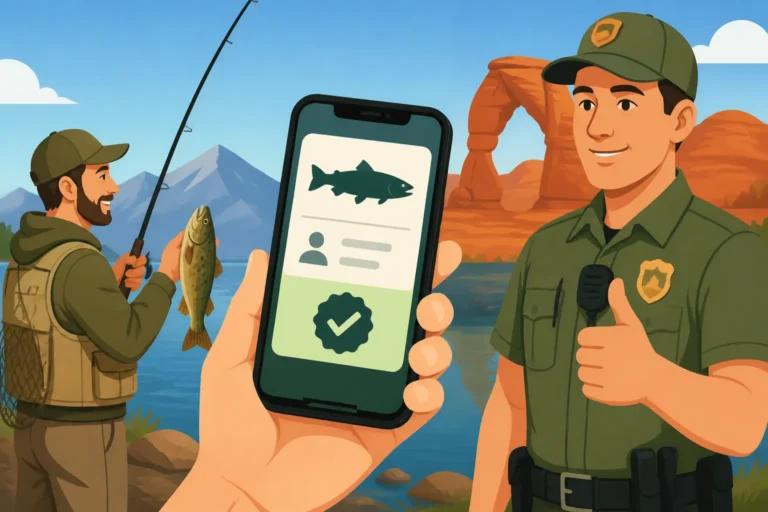
- Carry Proof: Once purchased, you'll need proof of your license. The DWR recommends carrying a physical copy or having it readily accessible on your phone via the Utah Hunting and Fishing App Features. This digital option is incredibly convenient and means one less thing to print and potentially lose.
- Confirm with Your Guide: When you book your charter, take a moment to confirm with your guide what license you'll need. They are experienced and can provide the most current information for their specific operations and the waters you'll be fishing.
By taking these simple steps, you'll be ready to hit the water without any worries about legal compliance, leaving you free to focus on the thrill of the catch.
Charter Captains' Responsibilities Beyond Their Own License
While we've focused heavily on the client's responsibility to have a fishing license, it's also vital to understand the immense responsibilities that fall on the charter captain. Their job is far more complex than just putting you on fish; it involves a deep understanding of regulations, safety, and environmental stewardship.
Verifying Client Licenses and Compliance
A professional and responsible charter captain won't just assume you have your license; they'll often ask to see it. It might feel a bit like getting pulled over, but trust me, it's for everyone's good. They have a vested interest in ensuring all their clients are legally allowed to fish. If a client on their boat is caught fishing without a valid license, it can reflect poorly on the guide and even lead to fines or repercussions for their business. Imagine being a guide who unknowingly allows someone to fish illegally – it could jeopardize their livelihood and reputation.
Furthermore, guides are often the frontline educators about Utah Fishing Regulations Explained, including bag limits, size restrictions, and specific rules for certain bodies of water. They will often remind you about these rules during your trip, not just because they want to avoid trouble, but because they are passionate about conservation and want to ensure the sustainability of Utah's fisheries. They are essentially operating a floating classroom and need to ensure all participants are playing by the rules.
Additional Permits and Certifications for Commercial Operations
Beyond the guide's personal fishing license, operating a commercial fishing charter involves a host of other permits and certifications. This is a whole different level of bureaucracy, but it's essential for safety and legality.
- Boat Registration and Safety: The charter boat itself must be properly registered with the state, and it must comply with all Utah Boating and Fishing Rules, including carrying required safety equipment like life jackets, fire extinguishers, and sound-producing devices. Many reputable charter boats also carry advanced safety gear, far beyond the minimum requirements.
- Commercial Use Permits: Depending on where the guide operates, they might need additional permits from federal agencies (like the U.S. Forest Service if launching in certain areas) or specific state parks. For example, guides operating on Lake Powell, which spans both Utah and Arizona, might need to navigate regulations from multiple jurisdictions.
- Insurance: A legitimate charter operation will carry commercial liability insurance to protect both the guide and their clients in case of an unforeseen incident. This is a critical component of any professional guiding service.
- First Aid and CPR: Most professional guides hold current first aid and CPR certifications, ensuring they are prepared to handle medical emergencies on the water.
These layers of certification and permitting demonstrate the professionalism and commitment of a good guide. They're not just skilled anglers; they're also savvy business owners who prioritize safety and legal compliance.
AIS Compliance for Charter Boats
Utah takes the threat of Aquatic Invasive Species (AIS) incredibly seriously, especially after the devastating impact of quagga mussels in places like Lake Powell. For charter boats, AIS compliance is not just a recommendation; it's a stringent requirement.
Every time a charter boat moves from one body of water to another, it must be inspected for AIS. Guides operating regularly often have a well-established routine for cleaning, draining, and drying their vessels. This process, often referred to as "Clean, Drain, Dry," is critical to preventing the spread of these harmful organisms. You'll often see designated Utah Aquatic Invasive Species Inspection Stations near major boat ramps, where trained personnel check boats and provide decontamination services if needed.
For clients, this means understanding that your guide's routine might include these steps, which can add a little time before or after your trip. It's a small inconvenience for a massive benefit: protecting Utah's pristine waters for future generations of anglers. If you're bringing any of your own equipment, like a kayak or float tube, your guide might also ask about your own AIS compliance measures to ensure no risks are introduced.
Common Misconceptions and Avoiding Penalties
It's clear that Utah's fishing regulations, especially concerning guided trips, have multiple layers. The key to a smooth and enjoyable experience is to dispel common myths and plan thoroughly.
The "Guide Covers It" Myth Debunked
Let's circle back to the biggest misconception: that your guide’s license magically covers you. It absolutely does not. Your guide is licensed to run a business, not to grant you the privilege of fishing without your own permit. It's like thinking a restaurant's business license means you don't have to pay for your meal. Two entirely different things!
The consequences of fishing without a license in Utah are not to be taken lightly. You could face significant fines, potentially have your fishing equipment confiscated, and even lose your privilege to fish in the state for a period. These penalties can range from a few hundred dollars for a first offense to much steeper costs for repeat violations or more serious infractions. Our article on Utah Fishing License Penalties for Violations dives deeper into this. Trust me, it's not worth the risk. A few minutes and a small fee for a license save you a world of trouble and expense.
What to Do If You Forget or Lose Your License
Life happens, and sometimes, despite our best efforts, we might misplace our license or simply forget to bring the physical copy. Don't panic! The DWR has made it relatively easy to handle these situations.
- Digital Access: The absolute best solution is to use the Utah Hunting and Fishing App Features on your smartphone. Once you've purchased your license, it's typically accessible through the app. You can simply pull it up on your phone and present it to any DWR officer who asks. This digital proof is considered valid.
- Online Reprint: If you don't have the app or phone access, you can usually log into your DWR account online and print a duplicate copy of your license. You might be able to do this at a local library or a friend's house if you have access to a computer and printer.
- Contact DWR: If all else fails, you can contact the Utah DWR directly. They can verify your license status over the phone and might be able to help you access a digital copy or guide you on how to get a replacement. You can read more about how to replace a lost Utah Fishing License if you find yourself in this situation.
The main takeaway here is: don't assume you can just explain your situation and get a pass. Always have a verifiable form of your license readily available.
Planning Ahead for a Stress-Free Charter Experience
To truly maximize your enjoyment and minimize any potential hiccups on your Utah fishing charter, a little foresight goes a long way.
- Book Reputable Guides: Choose guides who are well-reviewed, communicate clearly, and emphasize compliance. Websites like Amazon might not directly sell guide services, but you can find gear and reviews for guides on dedicated fishing forums or guide service platforms. A good guide will confirm your license needs when you book.
- Purchase Your License Early: As mentioned, buying your license online weeks before your trip is the easiest way to ensure you have it. You can print it and save a digital copy to your phone or the DWR app.
- Ask Questions: If anything about regulations, gear, or expectations is unclear, ask your guide! They are a fantastic resource and want you to have the best possible experience.
- Understand Your Specific Trip: Different waters and target species might have unique regulations. For instance, specific trout limits by water or special rules at Utah Lake for invasive species are things your guide will know, but it helps to be generally aware by reviewing the Utah Fishing License Guide and Utah Fishing Regulations Explained yourself.
By taking these proactive steps, you're not just avoiding fines; you're setting yourself up for an incredible day on the water, focused on the excitement of fishing rather than any lingering worries about paperwork. So go ahead, cast your line, and enjoy the unparalleled beauty and angling opportunities that Utah has to offer!
Disclaimer
Please remember that fishing regulations and license requirements are subject to change. While we strive to provide the most accurate and up-to-date information, it is always your responsibility to consult the official Utah Division of Wildlife Resources (DWR) website or contact them directly for the latest regulations before engaging in any fishing activities.