Do You Need a License on a Guided Fishing Charter in Utah?
It's a common dilemma, isn't it? You've booked a fantastic guided fishing charter in Utah, you're excited for a day on the water, and then that nagging question pops up: "Do I still need my own fishing license, or does the guide's license cover everything?" It’s a very real concern that can cause a lot of stress and confusion, and honestly, it's a question many seasoned anglers have pondered. This guide is here to clear up that confusion once and for all, ensuring your Utah fishing adventure is nothing but smooth sailing.
The Essential Answer: Yes, You Need Your Own Personal License
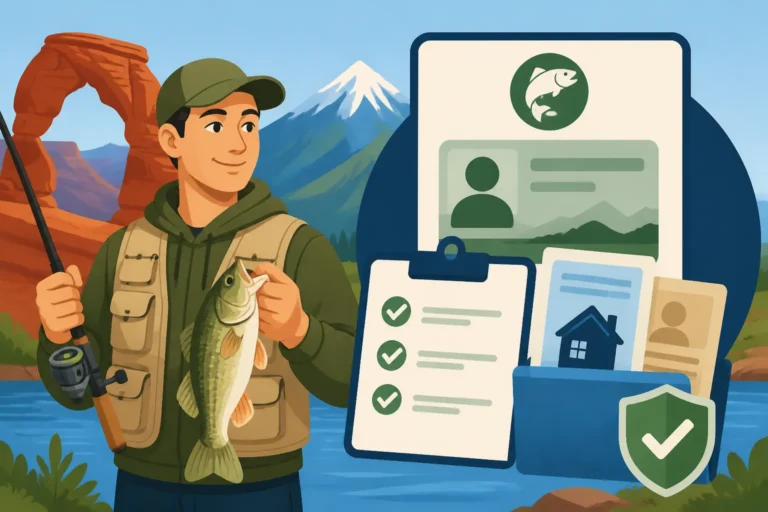
Let's cut right to the chase, because this is one area where there's absolutely no room for ambiguity: Yes, every individual angler, regardless of age (unless explicitly exempted by law for very young children or specific Free Fishing Day events), must possess their own valid Utah fishing license, even when participating in a guided fishing charter. This isn't just a suggestion; it's a firm regulation enforced by the Utah Division of Wildlife Resources (DWR).
Understanding the Guide's Role vs. Your Personal Responsibility
Think of your fishing guide as a professional facilitator. They provide the expertise, the boat, the specialized gear, and invaluable knowledge of the local waters. They navigate, they help you rig your lines, and they put you on the fish. To legally operate their business and offer these services, your guide absolutely needs a commercial guide license. This is their business permit, acknowledging their professional standing and compliance with state regulations for operating a for-hire service on public waters.
However, their commercial license does not transfer to you, the client, as an individual fishing license. Your act of casting a line, enticing a fish, and potentially keeping it, is a personal angling activity. The state views each angler as an independent participant in the fishery, and therefore, each participant must hold the appropriate credentials. It’s no different than riding in a taxi; the driver has a commercial license, but you still need your personal driver's license to operate your own car later that day. Our comprehensive Utah Fishing License Guide delves into all the various requirements for personal licenses.
What Type of License Do You Need?
The specific type of fishing license you'll need depends on a few factors:
- Residency: Are you a resident of Utah or an out-of-state visitor? Residency dictates the pricing structure. Our article on Utah Resident Fishing License Cost and Utah Nonresident Fishing License Cost breaks down these differences in detail.
- Duration: Will you be fishing for just one day on the charter, or do you plan to fish for several days, perhaps even for a full season? Utah offers annual licenses, as well as shorter-term options like 3-day or 7-day licenses, which can be perfect for visitors or those on a quick trip. You can explore the various Utah 3-Day and 7-Day Fishing License Options if you're only planning a short visit.
- Age: While the rule is generally "everyone needs a license," there are age-based exemptions. For instance, kids under 12 typically don't need a license. However, once they hit 12, they usually do. It's always best to check the current DWR regulations for precise age cutoffs.
For most adult anglers on a charter, an annual fishing license or a short-term license (if you're a non-resident or only fishing for a few days) will be the most appropriate choice. It's vital to have this sorted before your charter date.
Common Misconceptions and Why They're Wrong
The idea that a fishing charter includes your license is a persistent myth. Let's tackle some of the common misunderstandings that lead anglers down this path, so you can fully understand the regulations.
"My Guide Has a License, So I'm Covered"
This is perhaps the most frequent misconception. It's true, your guide does have a license – a specific commercial fishing guide license issued by the Utah DWR. This license permits them to operate their business, guide clients, and charge for their services. It ensures they meet certain professional standards and are aware of Utah Fishing Regulations Explained. This is completely separate from an individual fishing license that permits you to personally engage in fishing.
Imagine if a hunting guide's license allowed all their clients to hunt without individual tags. It simply wouldn't make sense from a resource management perspective. The state manages its fish populations by tracking how many individuals are fishing and collecting fees to fund conservation efforts. Each person taking or attempting to take fish must contribute and be individually accountable. Your guide's license is about their service; your license is about your right to fish. You can learn more about the requirements for guides in our article on Utah Fishing Guide License Requirements Explained.
"It's a Paid Service, So It's All Inclusive"
When you pay for a guided trip, whether it's for fishing, river rafting, or backcountry hiking, you're paying for the guide's expertise, equipment, and time. Many services are indeed "all-inclusive" in terms of gear, bait, and even snacks. However, state-mandated permits and licenses, like your personal fishing license, are almost universally considered separate.
Charter companies operate under strict regulations and typically go out of their way to inform clients about the need for a personal license. They don't want to jeopardize their business or your trip by having clients cited. Reputable guides will emphasize this requirement during booking and pre-trip communications. If a charter company implies your license is included, that should be a major red flag, and you should clarify immediately with the DWR. The cost of a fishing license is a modest investment compared to the price of a guided trip and the potential fines for non-compliance.
Consequences of Fishing Without a License on a Charter
Fishing without a valid license in Utah, even on a guided trip, isn't just a minor oversight; it's a violation of state law. The consequences can range from an uncomfortable encounter with a DWR conservation officer to significant financial penalties and even legal trouble. It's simply not worth the risk.
Fines and Penalties You Could Face
Getting caught fishing without a license in Utah can quickly turn your exciting day into a frustrating and expensive ordeal. DWR conservation officers regularly patrol popular fishing waters, including areas frequented by guided charters, to ensure compliance.
Here's what you might be looking at:
- Monetary Fines: Expect a citation and a substantial fine. While specific amounts can vary depending on the severity and whether it's a first offense, fines for fishing without a license typically start in the hundreds of dollars. This is significantly more expensive than simply purchasing a license beforehand.
- Court Appearances: Depending on the jurisdiction and the officer's discretion, you might be required to appear in court. This means taking time off, potential legal fees, and further stress.
- Loss of Fishing Privileges: Repeat offenses or more serious violations could lead to a suspension of your fishing privileges in Utah, and potentially in other states through interstate compacts.
- Confiscation of Gear: In some cases, and particularly for egregious violations, fishing gear used during the illegal activity could be confiscated.
The DWR takes these regulations seriously to protect Utah's valuable fisheries. Our article What Happens If You Get Caught Fishing Without a License in Utah? provides an in-depth look at these serious repercussions.
Impact on Your Guide and the Charter Operation
Beyond the personal consequences you'd face, fishing without a license can have serious repercussions for your guide and the charter company. A DWR officer discovering an unlicensed angler on a guided trip can create a host of problems:
- Delayed Trip: The officer will need to process the citation, which means your fishing day will be interrupted, potentially for a significant period. Other clients on the boat will also have their experience disrupted.
- Reputational Damage: For a guide, their reputation is everything. Having a client cited for an unlicensed activity reflects poorly on their operation, even if they explicitly told you to get a license. Word travels fast in the fishing community, and negative incidents can harm their business.
- Legal Scrutiny for the Guide: While the guide's license doesn't cover you, they are still responsible for ensuring their clients are compliant with basic regulations. If it's found that the guide knowingly allowed you to fish without a license, or didn't adequately inform you, they could face penalties against their commercial guide license, including fines, suspension, or even revocation. This could put their entire livelihood at risk.
- Administrative Burden: Dealing with such incidents involves paperwork, potential interviews, and stress for the guide and their business, taking time away from running their operations effectively.
Responsible guides will always prioritize legal compliance to protect their business and the integrity of Utah's fishing resources. It’s part of their professional obligation to follow Utah Boating and Fishing Rules.
How to Easily Get Your Utah Fishing License
Fortunately, getting your Utah fishing license is incredibly straightforward and convenient, especially with today's online options. Don't let the thought of bureaucracy deter you; it's designed to be angler-friendly.
Online Purchase Process
The easiest and often quickest way to get your Utah fishing license is online, directly through the Utah Division of Wildlife Resources (DWR) website. Here's how it generally works:
- Visit the Official DWR Website: Head straight to the Utah DWR's licensing portal. A quick search for "Utah DWR fishing license" will get you there.
- Select Your License Type: Choose between resident or non-resident, and then select the duration (annual, 3-day, 7-day, etc.) that best fits your plans. Our guide on the Utah Fishing License Online Purchase Process walks you through it step-by-step.
- Provide Personal Information: You'll need to enter basic details like your name, address, date of birth, and driver's license number.
- Pay Electronically: Payment is typically made via credit or debit card. The DWR system is secure and efficient.
- Print or Save Your License: Once purchased, you'll receive a digital copy of your license. You can print it out and keep it with you, or save it to your smartphone. The DWR allows digital display, so having it on your phone is perfectly acceptable. Just make sure your phone is charged!
This process takes just a few minutes, meaning you can even purchase it the day before your charter from the comfort of your home. You might also find essential fishing accessories on Amazon that complement your new license and make your trip more enjoyable, like a new pair of polarized sunglasses or a tackle box.
In-Person Options
If you prefer a more traditional approach, or if you're already in Utah and need a license on short notice, there are plenty of places to purchase one in person:
- DWR Offices: All DWR administrative offices across the state sell fishing licenses. These locations usually have knowledgeable staff who can answer any specific questions you might have about regulations.
- Sporting Goods Stores: Many major sporting goods retailers, like Cabela's or Sportsman's Warehouse, are authorized license vendors. They also happen to be great places to pick up any last-minute gear you might need, perhaps a specific lure you saw on Amazon that's known to work well at your chosen fishing spot.
- Other Authorized Vendors: Smaller general stores, marinas, and even some gas stations, particularly in rural areas near popular fishing destinations, are also authorized to sell licenses. Look for signs indicating "Hunting & Fishing Licenses Sold Here."
This table summarizes the main ways to acquire your license:
| Purchase Method | Convenience | Immediate Proof | Benefits | Considerations |
|---|---|---|---|---|
| Online (DWR Website) | High (24/7 from anywhere) | Yes | Fastest, most flexible, direct email/digital copy | Requires internet access, credit/debit card |
| DWR Office | Moderate (during business hours) | Yes | Expert assistance, direct support for DWR programs | Limited hours, might require travel |
| Sporting Goods Store | High (often extended hours) | Yes | Combine with gear shopping, knowledgeable staff | Might have lines, limited to store hours |
| Other Authorized Vendors | Variable (often in remote areas) | Yes | Convenient if already near a fishing spot, supports local business | Limited stock/knowledge for complex questions, variable hours |
No matter how you choose to get your license, the most important thing is to ensure it's valid for the dates you'll be fishing and that you have it physically or digitally with you. Checking the specific Utah Fishing License Age Requirements and residency definitions before purchase can save you a headache. Getting everything in order ahead of time ensures that when you step onto that guided charter, your only concern is landing that trophy fish, not worrying about legal technicalities.
Disclaimer
Please remember that fishing regulations and license requirements can change. While we strive to provide the most current and accurate information, it is always your responsibility to check the latest regulations directly with the Utah Division of Wildlife Resources (DWR) before you head out on your fishing trip. This content is for informational purposes only and should not be considered legal advice.