Strawberry Reservoir Ice Fishing Spots
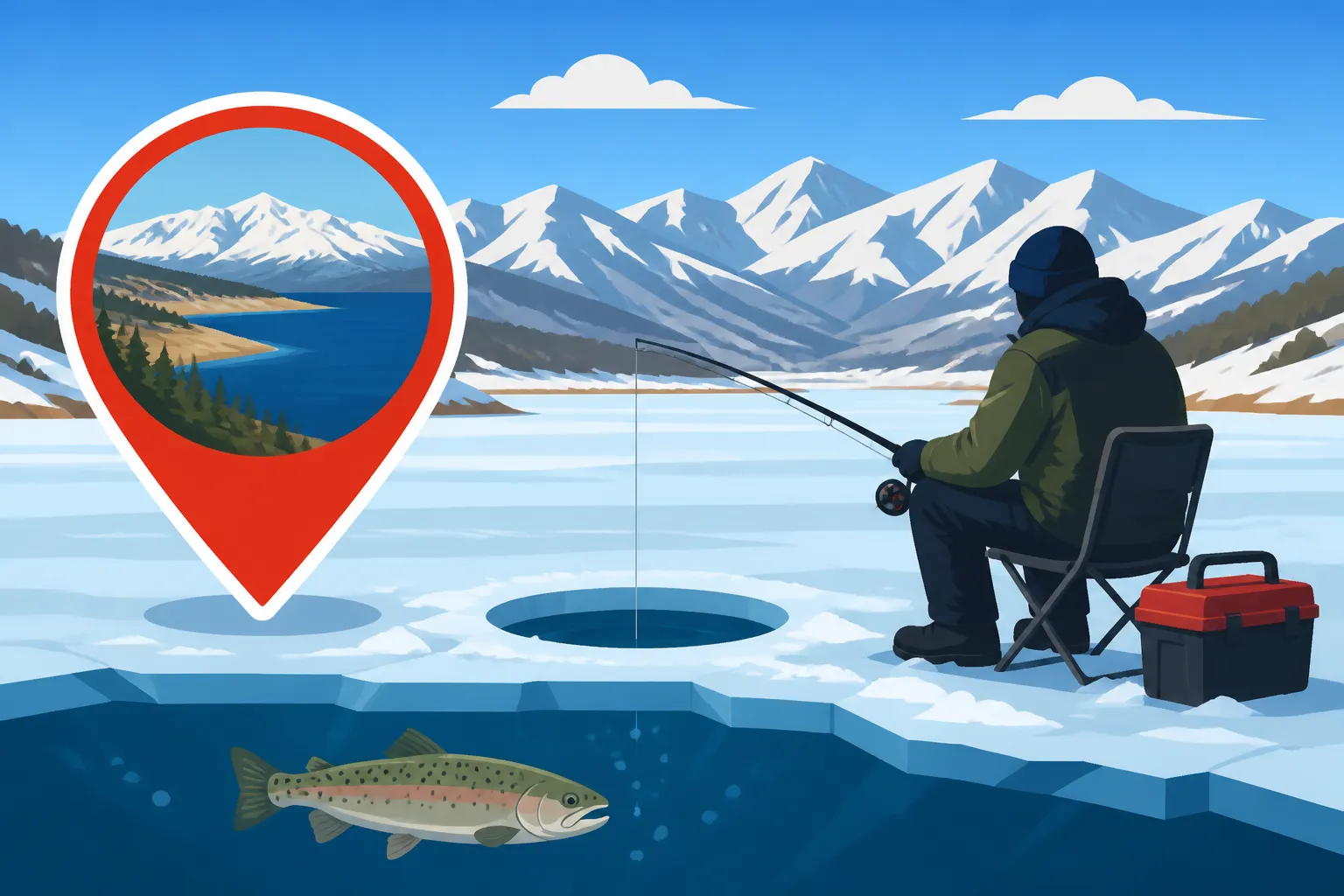
When winter descends upon Utah's high country, many anglers pack away their open-water gear, but for a dedicated few, it's just the beginning of the most serene and often most rewarding fishing season: ice fishing. If you've ever dreamt of landing a trophy trout or a chunky kokanee through the ice, Strawberry Reservoir is likely at the top of your list. However, simply showing up with an auger isn't enough; knowing where to drill your holes and why certain spots are productive is key to transforming a cold day into a memorable angling adventure. This comprehensive guide will break down the prime ice fishing locations at Strawberry Reservoir, offering insights into their unique characteristics, target species, and the tactics that will help you find success.
Understanding Strawberry Reservoir for Ice Fishing
Strawberry Reservoir is arguably Utah's most famous and beloved fishery, renowned for its incredible populations of trout and kokanee salmon. When the temperatures drop and a thick sheet of ice covers its expansive waters, a whole new world opens up for ice anglers. However, it's not just a big lake; it's a complex ecosystem with diverse depths, structures, and fish behaviors that shift significantly from open water to hard water. Understanding these fundamentals is crucial before you even think about drilling your first hole.
Key Characteristics and Species
Strawberry Reservoir is an artificial impoundment, nestled in the Uinta National Forest, about two hours southeast of Salt Lake City. Its primary draw for ice anglers is the opportunity to catch some truly impressive fish, including robust rainbow trout, feisty cutthroat trout (including the native Bonneville cutthroat strain), hybrid tiger trout, and abundant kokanee salmon. You might even stumble upon an occasional splake, a brook trout-lake trout hybrid known for its aggressive nature. The reservoir spans over 17,000 surface acres at full pool and has an average depth of around 60 feet, with some areas plunging over 200 feet deep. This varied topography means that fish will hold in different zones depending on the time of winter, available forage, and light conditions.
During the ice fishing season, the fish tend to concentrate in certain areas, often relating to submerged structures like old creek channels, humps, points, and sudden depth changes. The forage base, primarily Mysis shrimp and scuds, plays a massive role in where these fish will be. Knowing the general layout of the reservoir and where these food sources are prevalent can give you a significant advantage. The size and health of the fish in Strawberry are consistently excellent, a testament to the Utah Division of Wildlife Resources (DWR) management efforts, which include regular stocking and maintaining a healthy aquatic environment. This is why it's considered one of Utah's Blue Ribbon Fisheries.
Ice Safety and Conditions
Before any discussion of hot spots, we absolutely must talk about ice safety. Strawberry Reservoir is a large body of water, and like all large reservoirs, its ice conditions can be unpredictable and vary widely from one area to another. Factors like underwater springs, wind exposure, snow cover, and fluctuating water levels can all impact ice thickness and stability. It's not uncommon to find 10 inches of ice in one bay and only 3 inches just a short distance away. Always exercise extreme caution and never assume the ice is safe based on conditions in a different part of the lake.
A general rule of thumb for safe ice fishing is at least 4 inches of clear, solid ice for individual foot travel. For snowmobiles or ATVs, you're looking at 5-7 inches, and for light vehicles, 8-12 inches. However, these are minimums, and more is always better. Always check the ice thickness frequently with an auger or spud bar as you move across the reservoir. Pay close attention to current conditions reported by local bait shops, guide services, or the Utah DWR. Avoid areas with slush, discolored ice, or open water, and if you're ever in doubt, don't go out. A proper How Thick Does Utah Ice Need to Be Before You Can Fish On It? guide can give you more details on these crucial safety measures.
Prime Ice Fishing Locations at Strawberry Reservoir
When Strawberry Reservoir freezes over, it transforms into an angler's paradise, but the sheer size can be daunting. Thankfully, certain areas consistently produce better results for ice anglers. These spots offer a combination of accessible depths, fish-holding structure, and reliable populations of trout and kokanee. Focusing your efforts on these prime locations will significantly increase your chances of a successful and memorable outing.
Strawberry Bay and Its Coves
Strawberry Bay is often the first area to freeze solid and is one of the most popular and easily accessible ice fishing locations. It's located on the western side of the reservoir, just off US-40, making it a convenient choice for many. This large bay offers a diverse range of depths, from shallower flats near the boat ramp to deeper channels and drop-offs towards the center and mouth of the bay. The primary target species here are rainbow trout, cutthroat trout, and some tiger trout, with kokanee salmon often schooling in the deeper sections.
Anglers often find success fishing anywhere from 15 to 40 feet of water in Strawberry Bay. Near the old marina and boat ramp areas, you'll find shallower structure that holds actively feeding trout, especially during low light conditions or under heavy snow cover. As you move further out into the bay, closer to the main channel, the depths increase, and this is where kokanee can often be found suspended. Look for areas where the bottom contours change, indicating old creek beds or submerged humps – these are natural ambush points for predatory trout. Jigging spoons, ice jigs tipped with a mealworm or wax worm, or even a small piece of PowerBait can be highly effective here. Don't be afraid to move around until you locate active fish; sometimes, shifting your position by just 20-30 feet can make all the difference.
Soldier Creek Area
On the eastern side of the reservoir, the Soldier Creek area offers another fantastic array of ice fishing opportunities. This region is known for its extensive flats, numerous points, and a deep channel that runs through it. Access is typically via the Soldier Creek campground road, which is often plowed, though conditions can vary. Soldier Creek is renowned for producing larger cutthroat and rainbow trout, and it's also a consistent spot for kokanee.
The expansive flats in Soldier Creek, particularly those ranging from 30 to 60 feet deep, are excellent for targeting kokanee salmon. These schooling fish will often roam these open areas in search of Mysis shrimp. Using a fish finder to locate schools of baitfish or suspended kokanee is almost essential here. For trout, focus on the points and drop-offs where the flats transition into deeper water. These edges provide cover and access to both shallow and deep feeding grounds. Many anglers have incredible days targeting trophy trout near the mouth of Soldier Creek, where it meets the main body of the reservoir. Small tube jigs, blade baits, and Swedish Pimples are popular choices here, often tipped with a piece of corn for kokanee or a nightcrawler piece for trout. Remember, Utah Fishing Season Dates and Limits are crucial to observe, especially for species like kokanee which might have specific regulations depending on the time of year.
Renegade Point and Surrounding Structure
For those willing to venture a bit further and perhaps endure slightly colder conditions due to its exposure, Renegade Point offers some of the most dynamic ice fishing at Strawberry Reservoir. Located on the northern shore, this area is characterized by rocky points, steep drop-offs, and deep water very close to shore. This makes it an ideal spot for targeting larger, more elusive fish, especially lake-dwelling cutthroat and splake, which prefer deeper, colder water.
The beauty of Renegade Point lies in its varied structure. You can find fish holding anywhere from 20 feet near the points to well over 100 feet in the deeper basins. Large predatory trout often patrol these deep edges, looking for unsuspecting baitfish. Jigging Rapalas, larger tube jigs, and even dead stick setups with a sucker meat or chub minnow (where legal, always check current regulations) can entice these bigger fish. It's a great spot for anglers who enjoy using their electronics to mark individual fish and then present a lure directly to them. The areas surrounding Renegade Point, including parts of Hawn Creek and the transition zones into the main reservoir, also provide excellent fishing, often holding suspended kokanee and cruising trout. Always be mindful of the wind at Renegade Point, as it can be quite exposed, making a portable ice shelter a valuable piece of gear. This location is a prime example of where understanding How Water Temperature Affects Utah Trout Fishing becomes critical, as the deep cold water holds the big ones.
Advanced Strategies for Strawberry Ice Fishing
While knowing where to fish is a great start, truly mastering Strawberry Reservoir's ice fishing scene means understanding how to fish its specific species and conditions. It's more than just dropping a line; it involves a combination of specialized techniques, smart use of technology, and a keen awareness of fish behavior under the ice. These advanced strategies can turn an average day into an exceptional one, increasing your chances of landing those elusive trophy fish.
Targeting Trophy Trout and Kokanee
Strawberry Reservoir is famous for its potential to yield trophy-sized cutthroat and rainbow trout, alongside robust kokanee salmon. However, these larger fish often require a more refined approach than your average stocked trout. For trophy trout, patience and persistence are key. These fish often cruise deeper structure or suspend in the water column, hunting for larger meals. Using larger baits and lures than you might for panfish is a good start. Jigging spoons like a Daredevil or a Northland Buck-Shot Rattle Spoon in sizes typically reserved for walleye or pike can trigger aggressive strikes. Tipping these with a full minnow, a large chunk of sucker meat, or a Gulp! Alive! minnow can provide added scent and action.
When targeting kokanee, the strategy shifts. These landlocked salmon are primarily plankton eaters but will readily strike small, flashy lures that mimic their preferred forage or simply annoy them into biting. Kokanee are almost always suspended, often in large schools, so a good fish finder is indispensable. Small tungsten jigs, often in bright colors like pink, chartreuse, or orange, tipped with a few pieces of corn or a maggot, are deadly. The key is to jig them rhythmically, often in a lifting and dropping motion, with occasional pauses. Kokanee have soft mouths, so a lighter drag setting and a gentle hookset are crucial. Many anglers will focus on How to Troll for Kokanee in Utah during open water, but through the ice, vertical jigging is the name of the game. Look for them in the 30-60 foot range, often 10-20 feet off the bottom, especially in areas like Soldier Creek or the deeper parts of Strawberry Bay.
Using Electronics for Optimal Results
In the vast expanse of Strawberry Reservoir, especially when covered by ice, electronics are your best friend. A quality fish finder (flasher or LCD graph) is not just a luxury; it's practically a necessity for consistent success. These devices allow you to instantly see depth, bottom contour, and, most importantly, fish and your lure in the water column. This real-time feedback loop is invaluable for understanding how fish are reacting to your presentation.
When using a flasher, learn to distinguish between your jig, suspended fish, and bottom-hugging fish. A strong, solid return often indicates a larger fish. Experiment with different jigging motions and watch how fish react on the screen. Are they rising to your lure? Is your lure too high or too low? This allows for immediate adjustments. For kokanee, the ability to mark schools of fish and baitfish is paramount. If you're not seeing fish on your screen, you're likely in the wrong spot, or the fish aren't active. Don't be afraid to move, even just a few yards, and redrill until you start seeing signs of life. Many modern fish finders also offer GPS mapping, allowing you to mark productive holes, identify submerged structures, and navigate safely across the ice, especially helpful if you're exploring new areas or fishing at night.
Gear and Preparation for a Successful Trip
Ice fishing at Strawberry Reservoir is an adventure, but like any outdoor pursuit, proper gear and thorough preparation can make all the difference between a miserable, cold day and a comfortable, successful one. The harsh winter environment demands specialized equipment and a meticulous approach to safety and comfort. Don't underestimate the cold; being unprepared is a quick way to cut your trip short.
Essential Ice Fishing Equipment
Beyond your standard fishing license (which is mandatory, of course!), a few key pieces of equipment are absolutely essential for ice fishing at Strawberry. First and foremost, a reliable ice auger is critical. While manual augers work for thinner ice, a power auger (gas, propane, or electric) will save you immense effort and time, especially when drilling numerous holes through thick ice, which is common at Strawberry. Remember, proper maintenance and sharp blades are key for efficient drilling. For more in-depth advice, check out our guide on Best Ice Auger Size for Utah Ice Fishing.
Next, you'll need specialized ice fishing rods and reels. These are typically shorter than open-water rods, ranging from 24 to 36 inches, providing better sensitivity for detecting subtle bites and easier handling in a confined shelter. A medium-light to medium action rod is versatile for most trout and kokanee applications at Strawberry. Pair this with a small spinning reel spooled with 4-8 lb test monofilament or fluorocarbon line. Monofilament offers good knot strength and stretch, while fluorocarbon is nearly invisible underwater and has less stretch for better sensitivity. An ice fishing shelter, whether a portable flip-over or a hub-style tent, provides crucial protection from the elements, allowing you to fish in comfort even on windy or snowy days. Don't forget a sturdy bucket or chair to sit on, a skimmer to clear ice chips from your hole, and a pair of sturdy ice cleats for traction. As for tackle, a variety of jigging spoons, small tube jigs, plastic swimbaits, and soft plastics are usually productive. Always have a good selection of baits like mealworms, wax worms, and corn on hand.
Cold Weather Preparedness and Safety
The biggest challenge with ice fishing is undoubtedly the cold. Dressing in layers is paramount. Start with a moisture-wicking base layer, add insulating middle layers (fleece or down), and top it off with a waterproof and windproof outer shell. A good quality, insulated ice fishing suit (bibs and jacket) is an excellent investment, often designed with flotation for added safety. Always bring more layers than you think you'll need. Warm, waterproof boots (rated to at least -40°F) and insulated gloves or mittens are non-negotiable. Chemical hand warmers and toe warmers can be a lifesaver on particularly frigid days.
Beyond clothing, think about safety and communication. A fully charged cell phone is a must, but remember that service can be spotty in remote areas around Strawberry. Consider carrying a portable power bank. A first-aid kit, a whistle, and some basic survival items like a fire starter, extra snacks, and water are always a good idea. If you're venturing out alone, always inform someone of your plans, including your exact location and expected return time. It’s also wise to carry a set of ice picks, which can be invaluable if you were to accidentally fall through the ice. Even with all the right gear, conditions can change rapidly, so staying vigilant and prioritizing safety should always be your top concern.
Navigating Regulations and Local Knowledge
Fishing in a premier location like Strawberry Reservoir comes with its own set of rules and nuances. To ensure a successful and legal trip, it's vital to stay informed about specific regulations and to leverage local knowledge. This reservoir is a managed fishery, and understanding these specifics can significantly impact your success and compliance.
Strawberry Reservoir Specific Regulations
The Utah Division of Wildlife Resources (DWR) manages Strawberry Reservoir with specific regulations designed to protect and enhance its world-class fishery. These regulations can differ from general state-wide rules, so it's absolutely crucial to consult the current Utah Fishing Regulations Explained guide before your trip. For example, Strawberry Reservoir has a specific closure period, typically from November through mid-April, which prevents fishing during the fish spawning season. Our guide on Why Is Strawberry Reservoir Closed From November Through Mid-April? explains the biological reasons behind this. While the main body of the reservoir is closed, the tributaries like the Strawberry River and Soldier Creek often have their own unique regulations, so always double-check.
Additionally, pay close attention to bait restrictions and bag limits. Strawberry often has specific limits for different trout species and kokanee salmon, including minimum or maximum size restrictions. Some areas might be restricted to artificial lures only, or have specific rules about using live baitfish to prevent the introduction of invasive species. For instance, the use of live baitfish is generally prohibited, and even dead bait must be certified disease-free. Always know your limits, both daily and possession, and be prepared to measure and identify your catch accurately. Ignorance of the law is never an excuse for violations, and penalties can be steep.
Utilizing Local Reports and Guides
One of the best ways to ensure a productive and safe ice fishing trip to Strawberry Reservoir is to tap into local knowledge. The conditions on a large body of water like Strawberry can change rapidly, from ice thickness and snow cover to fish biting patterns and access points. Relying on current, real-time reports can give you a significant advantage. Local bait shops in communities like Heber City or Duchesne are invaluable resources. They often have the latest information on ice conditions, recent catches, and what baits and techniques are currently working best. Don't be shy about stopping in, buying some bait, and asking a few questions; most proprietors are happy to share their insights.
Another excellent resource, especially if you're new to the area or want to maximize your chances, is to hire a local fishing guide. Guides like those found on platforms such as FishingBooker specialize in specific waters and seasons. They have intimate knowledge of the reservoir's underwater topography, fish movements, and the most effective tactics for current conditions. A guided trip can fast-track your learning curve, put you on fish quickly, and provide a safer experience, especially when navigating potentially tricky ice. They'll often provide all the necessary specialized gear, making it a great option for those who don't own extensive ice fishing equipment. Whether it's through online forums, social media groups dedicated to Utah fishing, or direct communication with local experts, staying connected to the angling community will help you stay informed and prepared.
Comparative Overview of Strawberry Reservoir Ice Fishing Spots
To help you visualize the differences and choose the best spot for your next outing, here's a comparative look at the prime ice fishing locations discussed.
| Location | Primary Access Point | Target Species | Typical Depth Range (feet) | Key Features / Notes |
|---|---|---|---|---|
| Strawberry Bay | US-40 via Strawberry Bay Rd | Rainbow Trout, Cutthroat Trout, Kokanee | 15-40 | Pros: Easiest access, often first to freeze, good for families, diverse depths from shallow flats to drop-offs. Consistent trout action. Cons: Can be crowded, shallower areas might have thinner ice initially. Best For: Anglers seeking consistent action, beginners, or those wanting convenient access. Great for PowerBait, small jigs, and spoons. |
| Soldier Creek | Soldier Creek Campground Rd | Cutthroat Trout, Rainbow Trout, Kokanee | 30-60 | Pros: Known for larger trout, excellent kokanee opportunities on the flats, good structure with points and channels. Cons: Can be exposed to wind, slightly less immediate access than Strawberry Bay. Best For: Anglers targeting larger fish, kokanee specialists, and those with ATVs or snowmobiles to cover ground. Effective with tube jigs, blade baits, and corn for kokanee. |
| Renegade Point | US-40 near Renegade Point | Trophy Cutthroat, Splake, Kokanee | 20-100+ | Pros: Deep water close to shore, rocky points and steep drop-offs provide excellent structure for trophy fish, less crowded. Cons: Very exposed to wind and cold, can be a longer hike or snowmobile ride, challenging for beginners. Best For: Experienced anglers, those targeting trophy fish, and those with good electronics and appropriate cold-weather gear. Larger jigging spoons, Rapalas, and dead sticks work well. |
This table provides a snapshot, but remember that fish are constantly on the move, and conditions change. Always be prepared to adapt your strategy and explore different depths and presentations.
Disclaimer
The information provided in this guide is for general informational purposes only and is subject to change. Fishing regulations, ice conditions, and access points can vary seasonally and based on environmental factors. Always consult the official Utah Division of Wildlife Resources (DWR) regulations before fishing and prioritize safety by checking current ice conditions with local authorities or reputable bait shops. Ice fishing can be dangerous; always go with a buddy, inform others of your plans, and exercise extreme caution on the ice.