Why Is Strawberry Reservoir Closed From November Through Mid-April?
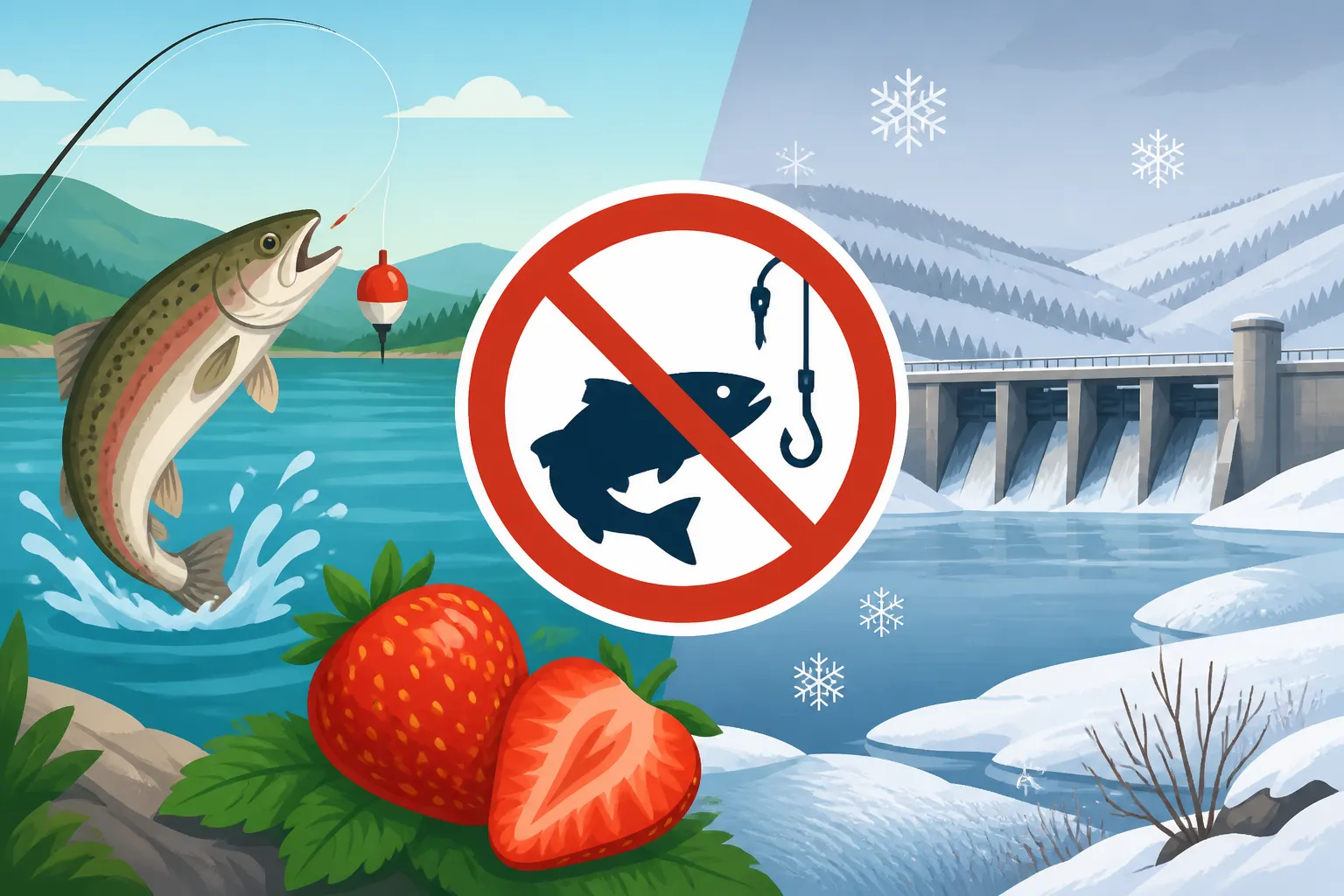
It’s a truly frustrating feeling, isn't it? You’re passionate about fishing, and you look at Strawberry Reservoir, one of Utah’s premier fisheries, only to find it's completely closed to angling from November 1st through mid-April. This isn't just an inconvenience; for many, it feels like a missed opportunity during some prime fishing weather. This guide dives deep into the specific reasons behind this extended annual closure, offering a clear understanding of why the Utah Division of Wildlife Resources (DWR) has implemented these restrictions.
The Primary Reason: Protecting Spawning Fish
The most crucial factor driving the winter closure of Strawberry Reservoir is the protection of its spawning fish populations, particularly the native Bonneville cutthroat trout and the highly sought-after kokanee salmon. These species undertake vital reproductive cycles during the late fall and winter months, and human disturbance during this sensitive period can have devastating long-term impacts on their numbers.
Cutthroat Trout and Their Critical Spawning Needs
Strawberry Reservoir is renowned for its robust population of Bonneville cutthroat trout. These magnificent fish are a cornerstone of Utah's fishing heritage and a testament to successful conservation efforts. Unlike many other trout species that spawn in spring, Bonneville cutthroat trout often begin their spawning rituals in the late fall and early winter, continuing through parts of January.
During this time, cutthroat trout migrate from the main body of the reservoir into tributary streams and along shallow rocky shorelines where there’s suitable gravel to create their redds, or nests. They deposit their eggs in these gravel beds, and the eggs remain there, developing slowly through the cold winter months. When anglers are present, even if practicing catch and release, there's an unavoidable risk of disturbing these redds. Wading through spawning areas can crush eggs, or disrupt the delicate balance of oxygen and water flow vital for their survival. Even casting lures or bait near spawning fish can stress them, diverting energy from their critical reproductive efforts. The DWR has meticulously studied these patterns, and the closure is a direct result of understanding the significant vulnerability of cutthroat trout during this period. For more detailed information on their natural history, you might find our guide on Bonneville Cutthroat Trout Identification helpful.
Kokanee Salmon: A Unique Utah Spawning Event
Another spectacular, yet highly vulnerable, spawning event occurs with the kokanee salmon in Strawberry Reservoir. Kokanee salmon are landlocked sockeye salmon, and their life cycle is particularly dramatic. As fall progresses into winter, kokanee mature, and their bodies undergo a remarkable transformation, turning a vibrant crimson red. This color change signals their final journey upstream into the tributaries that feed Strawberry, or along specific shallow areas of the reservoir itself, to spawn.
This mass migration and spawning ritual is a one-time event for these fish; after they spawn, they die. While this might seem like a natural cycle, the sheer concentration of kokanee during their spawn makes them incredibly susceptible to disturbance and illegal snagging. The closure ensures that this entire population can complete its life cycle unmolested, depositing millions of eggs that will hatch into the next generation of Strawberry's prized kokanee. Protecting them during this critical time is essential for maintaining a healthy and sustainable population for future angling seasons. Understanding their unique journey is fascinating, and our article on Kokanee Salmon Life Cycle in Utah delves deeper into this phenomenon.
Environmental Factors and Access Challenges
Beyond the critical need to protect spawning fish, several practical and environmental factors also contribute significantly to the extended winter closure of Strawberry Reservoir. These considerations are vital for angler safety and the effective management of such a large and remote body of water.
Ice Formation and Angler Safety
While many of Utah's smaller, more accessible waters offer fantastic ice fishing opportunities, Strawberry Reservoir presents a unique set of challenges. Its vast size, deep waters, and often unpredictable currents make ice formation highly variable and potentially treacherous. Even in colder winters, the ice can be inconsistent – thick in some areas, dangerously thin in others.
The DWR's primary concern is always angler safety. Allowing general access for ice fishing on such a large, remote, and often windy reservoir would require an immense amount of monitoring and rescue capabilities that simply aren't feasible. The risk of anglers falling through weak ice, especially in areas with underlying currents or springs, is too high. Rather than attempting to patrol constantly shifting and dangerous ice conditions, a full closure is the most responsible and effective way to prevent accidents. For those interested in alternative winter angling, our Utah Ice Fishing Guide offers insights into safer, designated ice fishing locations. It’s always paramount to know How Thick Does Utah Ice Need to Be Before You Can Fish On It? before venturing out.
Road and Ramp Access Limitations
Strawberry Reservoir is situated at a relatively high elevation, which means it experiences significant snowfall and prolonged periods of freezing temperatures throughout the winter. The roads leading to the reservoir, including access points like Strawberry Bay, Renegade, and Soldier Creek, often become impassable due to deep snow drifts and slick ice.
The cost and logistics involved in continuously plowing and maintaining these roads and boat ramps (like the Strawberry Bay Boat Ramp Fishing Access) throughout the entire winter season would be astronomical and impractical. Many of these access points are managed by different entities, including the U.S. Forest Service, and winter maintenance is prioritized for essential routes, not recreational access. Without reliable and safe access for vehicles and boats, even if the fishing were permitted, anglers would struggle to reach the water, especially with large boats or ice fishing gear. This logistical reality further solidifies the necessity of the winter closure, making it less about restricting fishing and more about practical safety and resource management.
Management Objectives and Ecosystem Health
The closure isn't just about immediate protection; it's a strategic part of the Utah Division of Wildlife Resources' broader management plan for Strawberry Reservoir, aiming for long-term ecological health and sustainable trophy fishing opportunities.
Preserving a Blue Ribbon Fishery
Strawberry Reservoir isn't just any lake; it holds the prestigious designation of a "Blue Ribbon Fishery" in Utah. This means it's recognized for its exceptional water quality, diverse habitat, and the presence of healthy populations of trophy-sized fish. Maintaining this status requires careful management, and the winter closure is a cornerstone of that effort.
The DWR invests significant resources into ensuring Strawberry remains a world-class fishing destination. By closing the reservoir during critical spawning periods, they are directly supporting the natural reproduction of species like the Bonneville cutthroat trout, which in turn contributes to larger, healthier fish populations. This meticulous management helps to ensure that anglers who visit during the open season have an incredible experience, often catching truly impressive fish. The closure is a sacrifice in the short term, but it pays dividends in the form of a vibrant, healthy ecosystem year after year. To learn more about this elite classification, check out our guide on What Are Utah's Blue Ribbon Fisheries?.
Balancing Conservation with Recreation
The Utah DWR continually strives to find the right balance between providing abundant recreational opportunities for anglers and rigorously protecting the state's precious fish and wildlife resources. The decision to close Strawberry Reservoir for such an extended period is not made lightly. It is based on scientific data, ecological research, and a deep understanding of the specific needs of the fish species that call Strawberry home.
By enacting this closure, the DWR ensures that the reservoir's ecosystems have a chance to regenerate and thrive without human interference during their most vulnerable times. This proactive conservation approach safeguards the future of fishing at Strawberry, ensuring that it remains a premier destination for generations to come. While it might feel restrictive to some, this commitment to conservation ultimately enhances the quality and sustainability of the fishery for everyone. It's a strategic decision that reflects the larger goals outlined in the Utah Fishing Regulations Explained and overall Utah Fishing License Guide.
Here’s a quick overview of the key reasons behind the Strawberry Reservoir winter closure:
| Reason for Closure | Primary Species Affected | Key Benefit |
|---|---|---|
| Spawning Protection | Cutthroat Trout, Kokanee Salmon | Ensures successful reproduction and population health |
| Angler Safety | All Anglers | Prevents accidents due to unstable ice conditions |
| Access Limitations | All Anglers | Addresses impassable roads and unusable boat ramps |
| Ecosystem Management | All Fish Species | Maintains "Blue Ribbon Fishery" status and long-term health |
Understanding these regulations can help anglers appreciate the bigger picture of conservation. While the closure period feels long, it's designed to ensure that when the reservoir reopens, usually around mid-April, the fishing opportunities are truly spectacular. Planning your trips for the open season can lead to some incredible catches. You can find essential gear for your upcoming trips, like durable waders or tackle boxes, on Amazon, making sure you’re fully prepared when the gates open.
Planning Your Return to Strawberry Reservoir
Once the closure lifts, typically in mid-April, Strawberry Reservoir truly shines. The ice has usually melted, the spawning fish have had their peace, and the hungry trout and salmon are ready to bite. This reopening marks one of the most anticipated times for Utah anglers, especially for those targeting trophy cutthroat and kokanee.
Before you head out, make sure your Utah Fishing License Guide is up to date, and you’re familiar with any specific Utah Fishing Season Dates and Limits that might apply to Strawberry. Springtime often brings excellent opportunities, especially as the water temperatures begin to rise. You'll want to review the latest stocking reports and current conditions, which the DWR usually provides. Consider checking out our article on the Strawberry Reservoir Fishing Guide for detailed tips on fishing this amazing water during the open season.
While waiting for Strawberry to open, you might also consider exploring other Utah waters that are open for ice fishing or year-round angling. Many smaller lakes and community ponds offer great winter fishing for a variety of species. Preparing your gear now can also be a great way to pass the time. Whether you're looking for a new rod, some fresh line, or a tackle box to organize your favorite lures, platforms like Amazon offer a huge selection to get you ready for spring.
Disclaimer
The information provided in this guide is intended for general informational purposes only and is subject to change. Fishing regulations, season dates, and access policies are determined by the Utah Division of Wildlife Resources (DWR) and can be updated at any time. Always consult the official Utah DWR Fishing Guidebook or their website for the most current and accurate regulations before planning any fishing trip. Failure to comply with regulations can result in fines or penalties.