Flaming Gorge Trophy Lake Trout Spots
Finding those truly massive lake trout, often affectionately called "Mackinaw," in a sprawling, deep reservoir like Flaming Gorge can feel like searching for a needle in a haystack. It's not just about knowing where to fish, but when and how, because these giants have their own patterns and preferences. This comprehensive guide is designed to peel back the layers of mystery surrounding trophy lake trout fishing at Flaming Gorge, offering seasoned advice and specific locations to increase your chances of landing that fish of a lifetime.
Unlocking the Secrets of Flaming Gorge's Trophy Potential
Flaming Gorge isn't just a pretty face; it's a world-class fishery renowned for its potential to produce truly monumental lake trout. The sheer size and depth of the reservoir, coupled with an abundant forage base, create the perfect conditions for these fish to grow to incredible dimensions. But what exactly makes this place so special for anglers chasing giants?
Why Flaming Gorge is a Trophy Lake Trout Haven
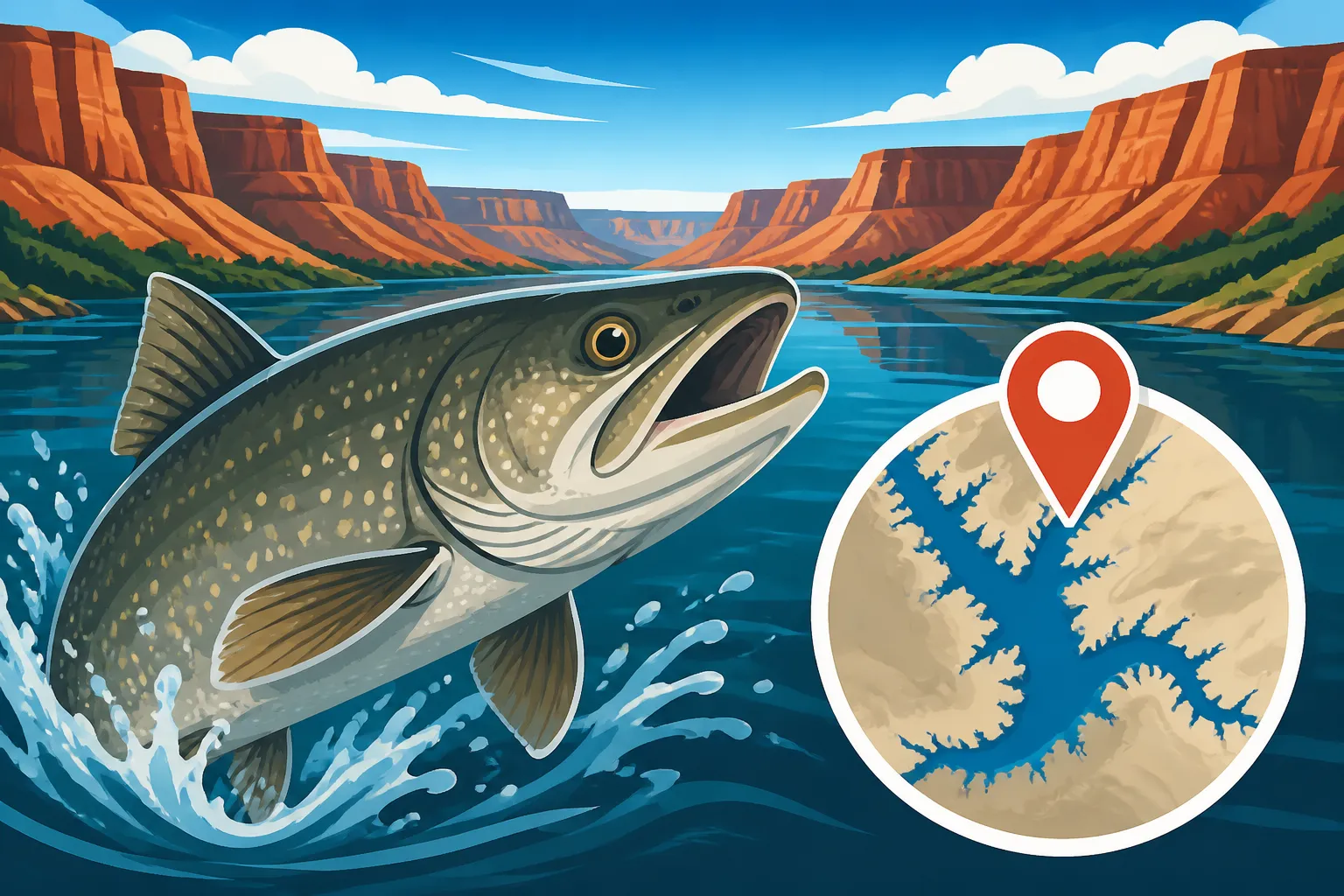
Flaming Gorge Reservoir, straddling the Utah and Wyoming border, is a prime habitat for lake trout because of its unique characteristics. It’s incredibly deep, reaching depths of over 500 feet in some areas, providing the cold, oxygen-rich water that lake trout thrive in, especially during the warmer months. This vast, pristine environment offers ample space for these long-lived fish to grow without excessive pressure in all corners of the lake. The sheer size of the reservoir, stretching over 90 miles, means there are countless coves, ledges, and submerged structures for lake trout to call home.
Moreover, the food chain in Flaming Gorge is exceptionally robust. Lake trout are voracious predators, and their growth is directly tied to the availability of prey. The reservoir boasts healthy populations of kokanee salmon and various minnow species, which provide the high-fat, protein-rich diet necessary for Mackinaw to pack on pounds and reach trophy sizes. Unlike some fisheries where competition for food is intense, Flaming Gorge offers a generous buffet, allowing individual fish to achieve impressive weights and lengths.
Identifying Prime Lake Trout Habitat
Knowing where lake trout should be is half the battle, and in Flaming Gorge, they are creatures of structure and depth. During much of the year, particularly outside of the spring and fall shallower migrations, trophy lake trout are often found congregating around submerged points, humps, ledges, and deep canyons. These structures offer them ambush points, protection, and proximity to their preferred feeding grounds. Look for areas where the bottom contours change dramatically, dropping off into deep water, or where rocky reefs rise from the depths.
Experienced anglers often focus on depths ranging from 60 to over 200 feet, depending on the season and time of day. However, it's not just about depth; it's about the combination of depth, structure, and the presence of forage. Modern sonar and fish finder technology are indispensable tools for identifying these prime locations, allowing you to mark changes in bottom composition, identify bait balls, and even pinpoint individual large fish suspended near these structures. Understanding how to read your electronics is as crucial as knowing how to tie a knot when pursuing these elusive giants.
Understanding Forage and Lake Trout Behavior
Lake trout are opportunistic predators, but their primary diet in Flaming Gorge consists of kokanee salmon and various chub species. During specific times of the year, particularly when kokanee salmon stage to spawn, lake trout will follow these baitfish into shallower waters. The presence of dense schools of kokanee on your fish finder is a strong indicator that lake trout might be nearby, either actively feeding or waiting for an opportunity. You might want to brush up on How to Troll for Kokanee in Utah as a strategy to also locate lake trout.
Their behavior is also heavily influenced by water temperature and light conditions. Lake trout prefer cold water, typically in the 40-55 degree Fahrenheit range. In summer, this means they will retreat to the deepest, coolest parts of the reservoir, making deep trolling and jigging the most effective methods. During spring and fall, as surface waters cool, they become more active in shallower zones, often moving up to feed on stressed or spawning baitfish. Low light conditions, such as early morning, late evening, and even night, can also trigger more aggressive feeding behavior in shallower depths, as the fish feel less exposed. Paying attention to these subtle shifts in their environment and diet patterns is key to consistently finding and hooking trophy fish.
Key Areas for Trophy Lake Trout
Flaming Gorge is immense, and while trophy lake trout can theoretically be found anywhere, certain areas consistently produce bigger fish due to ideal habitat, forage concentrations, and angler pressure (or lack thereof). Focusing your efforts on these proven hotspots can significantly improve your odds.
The Southern Gorge: Lucerne and Buckboard Areas
The southern end of Flaming Gorge, particularly around the Lucerne Valley and Buckboard Crossing areas, is legendary for its trophy lake trout potential. This section of the reservoir features vast expanses of deep water interspersed with prominent underwater structures, steep drop-offs, and rocky points that create ideal ambush points. Anglers often launch from the Lucerne Valley Marina, which provides excellent access to these productive waters. The depths quickly plummet near the dam, offering consistent cold-water sanctuaries for big Mackinaw even in the hottest summer months.
Around Lucerne, focus on the deeper channels and the ledges that fall into them. The main channel of the old Green River bed winds through this area, acting as a natural highway for larger fish. Fishing structures like Sheep Creek Bay, where it drops off into the main channel, can be incredibly productive. For those who prefer to explore from the western side, the Buckboard Crossing area in Wyoming offers similar fantastic opportunities. From the Buckboard Marina, anglers can target massive underwater humps and rocky reefs that are magnets for trophy lake trout. These areas also hold large populations of kokanee, which is a primary food source for growing giants. Understanding The Utah Record Lake Trout Catch at Flaming Gorge can provide inspiration for what these waters can yield.
Mid-Lake Hotspots: Cedar Springs and Linwood
Moving north, the mid-lake region around Cedar Springs and Linwood also holds immense promise for trophy lake trout. This section of the reservoir is characterized by more expansive open water, but don't let that fool you; beneath the surface lie numerous submerged islands, points, and deep contours that are prime holding spots for large fish. Access points like the Cedar Springs Marina and the Stateline boat ramp are popular for reaching these areas.
Near Cedar Springs, anglers often target the complex underwater topography where deep water meets shallower structure. Look for suspended schools of kokanee, especially around the main lake points and the deeper sections of bays like Carter Creek. The area around the old river channel near Linwood is another excellent choice, providing extensive deep-water habitat. These mid-lake areas can be particularly good during transition seasons (spring and fall) when lake trout may be more active in a wider range of depths, chasing migrating baitfish. Using advanced electronics to pinpoint bait balls and structure here is absolutely critical, as the "spots" are less obvious than the sheer canyons of the southern gorge.
Northern Reaches: Squaw Hollow and Firehole Canyon
While often overlooked by those solely focused on the very deep southern end, the northern reaches of Flaming Gorge, including Squaw Hollow and Firehole Canyon, are fantastic for trophy lake trout, especially during specific times of the year. This part of the reservoir tends to be shallower overall but still has significant deep channels and unique features that attract big fish. It’s also often less crowded, offering a more serene fishing experience.
Firehole Canyon, accessible via the Firehole Canyon Boat Ramp, presents a captivating fishing environment with dramatic red rock cliffs plunging into deep green water. The canyon walls themselves create vertical structure that lake trout will relate to. The deeper pockets within the canyon, particularly where submerged ledges or rock slides are present, can hold monster fish. Similarly, the Squaw Hollow area, further north, features extensive flats that drop off into significant depths. These transition zones between shallow and deep water are perfect for ambushing kokanee. During the colder months, or in early spring and late fall, these northern areas can be incredibly productive, as the fish may be more distributed and willing to feed in slightly shallower water than their southern counterparts. Understanding the nuances of Flaming Gorge Trophy Lake Trout Spots in these specific areas is key to success.
Seasonal Strategies for Giant Mackinaw
Trophy lake trout in Flaming Gorge aren't always found in the same places or caught with the same methods throughout the year. Their behavior is heavily dictated by water temperature and the availability of their primary forage, kokanee salmon. Adapting your strategy to the seasons is paramount for consistent success.
Spring Shallow Water Opportunities
As the ice recedes and spring arrives, Flaming Gorge offers some of the most exciting shallow-water opportunities for trophy lake trout. After a long winter, these fish become more active and willing to move into shallower zones (20-60 feet) to feed aggressively. This is often driven by rising water temperatures and the initial movements of baitfish into more accessible areas.
During early spring, right after ice-off, target large flats adjacent to deep water, submerged points, and creek mouths where snowmelt might be attracting bait. Trolling large crankbaits, spoons, or stickbaits, often in bright or natural baitfish patterns, can be incredibly effective. Focus your efforts on the upper 30-40 feet of the water column, even if the bottom is deeper, as lake trout will cruise these areas looking for an easy meal. This period also presents a fantastic chance for sight fishing in clearer waters, allowing you to spot those tell-tale dark shapes cruising just below the surface. Many anglers find that the months of April and May are prime for this shallow water action, offering a unique opportunity to catch big fish without having to plumb the extreme depths.
Summer Deep Water Tactics
Once summer truly sets in and the surface waters of Flaming Gorge warm up, trophy lake trout retreat to the deepest, coldest parts of the reservoir. This means anglers must shift their focus to deep water tactics, often targeting depths of 80 to 200 feet or even deeper. This can be challenging, but it’s also when some of the biggest fish are caught by those willing to put in the effort.
Downriggers are absolutely essential for precisely presenting lures at these extreme depths. You'll want to troll large spoons, tube jigs, or even live bait (where permitted) near the bottom or suspended over deep structure. Look for areas with significant depth changes, such as the main river channel, deep humps, and steep ledges. Electronics become your best friend in summer, helping you locate schools of kokanee (the primary food source for large lake trout) and mark individual fish. Paying close attention to your fish finder can help you determine How Deep to Fish for Lake Trout at Flaming Gorge in Summer. Trolling at slow speeds, typically 1.5 to 2.5 mph, is often most effective. The patience required for summer deep-water trolling is immense, but the reward of a giant Mackinaw from the depths is unparalleled.
Fall Pre-Spawn Aggression
Autumn at Flaming Gorge brings another fantastic window for trophy lake trout fishing, particularly as the fish enter their pre-spawn phase. As water temperatures begin to drop in late September and October, lake trout become highly aggressive and move into shallower areas to stage for spawning. This is a crucial time when they feed heavily to build up energy reserves, making them more susceptible to angler presentations.
Focus on rocky shorelines, points, and reefs that have hard bottoms, as these are preferred spawning habitats. Depths from 30 to 80 feet can be incredibly productive. Trolling large spoons, plugs, or even heavy jigs around these areas can entice strikes from big fish. Some anglers even use "dead sticking" techniques with large baits suspended off downriggers or heavy weights, targeting fish that are actively cruising or staging. The vibrant fall colors reflecting off the water add to the magic of this season. It's a time when many anglers specifically target their largest fish of the year, knowing that the lake trout are at their peak of aggression and weight. The fishing can be absolutely incredible, offering a blend of shallower access and aggressive bites.
Essential Gear and Techniques for Big Fish
Landing a truly enormous lake trout from Flaming Gorge requires more than just luck; it demands specialized gear and refined techniques. These fish are powerful, often living in deep water, and fighting them can be a marathon. Having the right tools and knowing how to use them is non-negotiable.
Heavy Duty Trolling Setups
For most trophy lake trout endeavors at Flaming Gorge, heavy-duty trolling setups are the backbone of your arsenal. You'll need sturdy rods, typically 7-9 feet in length, with a medium-heavy to heavy action, capable of handling large lures and powerful fish. Pair these with robust conventional or large spinning reels that can hold a significant amount of heavy line—often 25-50 pound test monofilament or braid. A combination of braid with a fluorocarbon leader is a popular choice for sensitivity and invisibility.
Downriggers are absolutely essential for presenting your lures at precise depths, especially during the summer and fall. Investing in quality electric downriggers, such as those from Scotty or Cannon, can make a huge difference in your efficiency and success, especially when targeting fish at 100+ feet. Consider using multiple downriggers to cover different depths and present a variety of lures. Popular lures include large spoons (like Northern King, Dreamweaver, or Dodger/Squid combos), deep-diving crankbaits (e.g., Magnum Rapalas, U20 Flatfish), and large plastic swimbaits rigged on heavy jig heads. The exact trolling speed will vary, but 1.5 to 3 mph is a common range. Experimentation is key to finding what the fish prefer on any given day. To help guide your selection, consider looking into Best Downriggers for Flaming Gorge Lake Trout.
Effective Jigging and Downrigging Methods
Beyond trolling, vertical jigging is another highly effective method for targeting trophy lake trout, especially when you've located schools of fish or specific structure using your electronics. Heavy jigging spoons (such as Crippled Herring, P-Line Laser Minnow, or Gibbs Minnow) in weights ranging from 2 to 8 ounces are common. Drop your jig directly down to the fish you've marked and work it with an erratic jigging motion, paying close attention to your sonar to see how fish react. Sometimes a subtle lift and fall is all it takes, other times a more aggressive snap can trigger a strike.
When utilizing downriggers, the technique isn't just about dropping a lure to depth. It's about monitoring your sonar for fish and bait, adjusting your depth accordingly, and often employing dodgers or flashers ahead of your main lure to attract attention. The specific setup for How to Downrig for Lake Trout involves careful consideration of leader length, lure action, and boat speed. Many successful anglers use a "stacker" clip on their downrigger, allowing them to run multiple lines off a single ball at different depths, effectively covering more of the water column. The goal is to mimic wounded baitfish, and the flash and vibration from dodgers can be incredibly effective at drawing in curious lake trout from a distance.
Advanced Electronics: Fish Finders and Mapping
In a reservoir as vast and deep as Flaming Gorge, advanced electronics aren't just a luxury; they're a necessity for consistent trophy lake trout success. A high-quality fish finder with excellent 2D sonar, CHIRP capabilities, and ideally, side imaging or down imaging, will be your eyes underwater. Brands like Humminbird (with their MEGA Imaging) and Garmin (with their Panoptix or LiveScope) offer cutting-edge technology that allows you to literally see individual fish, bait balls, and detailed bottom contours in real-time.
Learning to interpret your fish finder screen is an ongoing process, but dedicating time to understanding what different marks represent—be it the classic "arc" of a fish, dense clouds of bait, or the distinct lines of submerged structure—will exponentially increase your success rate. GPS mapping, often integrated into modern fish finders, is equally important. It allows you to mark productive waypoints, trace successful trolling paths, and navigate safely across the expansive waters. When you find a promising hump or a school of bait, marking it precisely on your map means you can return to that exact spot again and again. For a detailed discussion on this, you might explore topics like Do You Need Side Imaging to Find Fish at Flaming Gorge?. Without these technological aids, finding and staying on trophy lake trout in the Gorge can be an exercise in frustration.
Navigating the Gorge: Access and Considerations
Flaming Gorge is an incredible fishery, but its vastness and often remote nature require careful planning and respect for its challenges. From boat launches to safety protocols and even considering professional assistance, being prepared is key to a successful and enjoyable trip.
Boat Ramps and Launch Considerations
Accessing the prime fishing grounds for trophy lake trout often means launching a boat, and Flaming Gorge has several well-maintained boat ramps available. On the Utah side, the Lucerne Valley Marina and Cedar Springs Marina are popular choices, offering services, docks, and easy access to some of the deepest parts of the reservoir. On the Wyoming side, Buckboard Crossing Marina and Firehole Canyon provide excellent launching facilities, often with less congestion. For a more comprehensive overview, check out Best Boat Ramps on Flaming Gorge Reservoir.
It's crucial to check current water levels before heading out, as low water conditions can sometimes affect ramp accessibility, especially in the shallower northern sections. High-clearance vehicles are often recommended for towing larger boats, and always remember to prepare your boat for an Aquatic Invasive Species (AIS) inspection before launching in Utah waters, especially if you're coming from out-of-state. These inspections are mandatory to protect the delicate ecosystem of the Gorge from threats like quagga and zebra mussels. Arriving early, especially on weekends, can help you avoid long lines at popular ramps.
Safety on a Large, Deep Reservoir
Flaming Gorge, while stunning, is a large, deep body of water that demands respect. Weather conditions can change rapidly, with strong winds whipping up significant waves that can quickly turn a calm day into a treacherous one. Always check the forecast before heading out and be prepared to cut your trip short if conditions deteriorate. Essential safety gear, including properly fitting life jackets for everyone on board, a sound-producing device (horn or whistle), throwable flotation devices, and a fire extinguisher, are not just legal requirements but lifesavers.
Given the vastness and often spotty cell service in certain areas, carrying a satellite communication device (like a Garmin InReach or Spot device) is a wise precaution, especially if you plan to explore remote coves or fish solo. Inform someone of your float plan, including your expected return time and the areas you intend to fish. Additionally, remember that water temperatures, even in summer, remain frigid at depth, making hypothermia a serious risk if you were to fall overboard. Dressing in layers and having appropriate foul-weather gear is always recommended.
Hiring a Guide vs. DIY Exploration
Deciding whether to hire a professional fishing guide or embark on a do-it-yourself exploration is a common dilemma, especially when targeting specific species like trophy lake trout. For those new to Flaming Gorge, or even experienced anglers looking to quickly learn the nuances of trophy fishing here, hiring a guide is an invaluable investment. Local guides possess intimate knowledge of current conditions, seasonal patterns, and specific hotspots. They have the specialized gear, advanced electronics, and years of experience to put you on fish and teach you the most effective techniques for these waters. A day with a good guide can dramatically shorten your learning curve and increase your chances of catching a trophy. You can often find reputable guides through services like FishingBooker, which lists experienced charters operating in the Flaming Gorge area, offering a convenient way to compare options and book a trip.
However, for many anglers, the satisfaction of discovering these fishing secrets themselves is part of the adventure. If you choose the DIY route, dedicate time to researching the reservoir, studying topographical maps, and learning to interpret your electronics. Start by focusing on well-known areas and gradually expand your exploration. Remember that successfully chasing trophy lake trout on your own requires patience, persistence, and a willingness to adapt your strategies. Whether you choose a guided trip for efficiency or the satisfaction of solo discovery, Flaming Gorge offers an unforgettable angling experience.
Disclaimer
The information provided in this guide is for general informational purposes only and is subject to change. Fishing regulations, season dates, and specific rules for Flaming Gorge Reservoir can vary by state (Utah and Wyoming) and may be updated by the Utah Division of Wildlife Resources (UDWR) or Wyoming Game and Fish Department. Always consult the most current official fishing proclamations and regulations before heading out on the water. Fishing inherently carries risks; exercise caution, prioritize safety, and respect the natural environment.