Jordanelle Reservoir Fishing Access
The frustration of driving all the way to a beautiful spot, gear in tow, only to find confusing access points or unclear regulations is something every angler knows well. You just want to get your line in the water, right? This comprehensive guide is here to untangle the complexities of Jordanelle Reservoir fishing access, giving you all the insider details on where to go, how to get there, and what you need to know before you cast your first line at this stunning Utah gem.
Discovering Jordanelle Reservoir: A Jewel Near Park City
Jordanelle Reservoir, nestled in the Wasatch Mountains just southeast of Park City, is a true angler's paradise. It's not just a pretty face; this reservoir offers diverse fishing opportunities set against a backdrop of breathtaking scenery. Many folks heading to the area for a quick getaway or a longer vacation might overlook its fishing potential, thinking only of the ski resorts or hiking trails. But Jordanelle holds its own as a prime fishing destination, easily accessible yet offering that serene escape we all crave.
Location and Unique Landscape
Jordanelle State Park, encompassing the reservoir, is conveniently located near the towns of Heber City, Midway, and Park City, making it a popular choice for both local and out-of-state visitors. The reservoir itself was formed by the damming of the Provo River, and its unique structure, with deep canyons and expansive open waters, provides a variety of habitats for fish. You'll find everything from steep, rocky banks to calmer, reedy coves. This varied landscape means different fishing techniques are effective depending on where you choose to drop your line, adding to the adventure. Whether you're planning a full day out or just a quick morning session before other activities, Jordanelle's proximity to major population centers and tourist hubs like Park City makes it incredibly appealing. You can easily find information on Best Fishing Spots Near Park City if you're in the area.
Primary Fish Species You'll Encounter
Jordanelle Reservoir is a thriving ecosystem, boasting a healthy population of several desirable fish species. The main draws for anglers are often rainbow trout, brown trout, and smallmouth bass. You might also encounter perch and a few other panfish, especially in the shallower areas. The Utah Division of Wildlife Resources (UDWR) regularly stocks rainbow trout, ensuring a consistent supply for anglers. Brown trout, known for their elusive nature and fighting spirit, are often found lurking in deeper waters and near structure, presenting a fun challenge for more experienced anglers. Smallmouth bass thrive in the rocky shorelines and submerged features, providing exciting topwater action during warmer months. For a deeper dive into what swims beneath the surface, check out our guide on Fish Species in Jordanelle Reservoir.
Why Jordanelle is a Popular Angling Destination
Beyond its stunning looks and diverse fish populations, Jordanelle's popularity stems from its accessibility and the sheer variety of activities available. It's a large body of water, meaning even on busy days, you can usually find a quiet spot to fish. The state park facilities are well-maintained, offering amenities like restrooms, picnic areas, and camping sites – perfect if you’re looking into Best Camping Spots Near Utah Fishing Lakes. For families, the easy shore access and plentiful stock of rainbow trout make it an ideal place to introduce kids to fishing. Plus, the convenience of services like FishingBooker, where you can browse local guides and charter services, simplifies planning a trip, especially if you're new to the area or prefer a guided experience to get right to the action.
Prime Shoreline Access Points for Anglers
For many of us, fishing from shore is the most practical and enjoyable way to spend a day on the water. No boat required, just your rod, reel, and a sense of adventure. Jordanelle offers several excellent shoreline fishing opportunities, each with its own advantages and preferred techniques. It's not always easy to figure out where the best spots are, especially with fluctuating water levels, so let's break down the most reliable places.
Jordanelle State Park Shoreline: Ross Creek and Hailstone
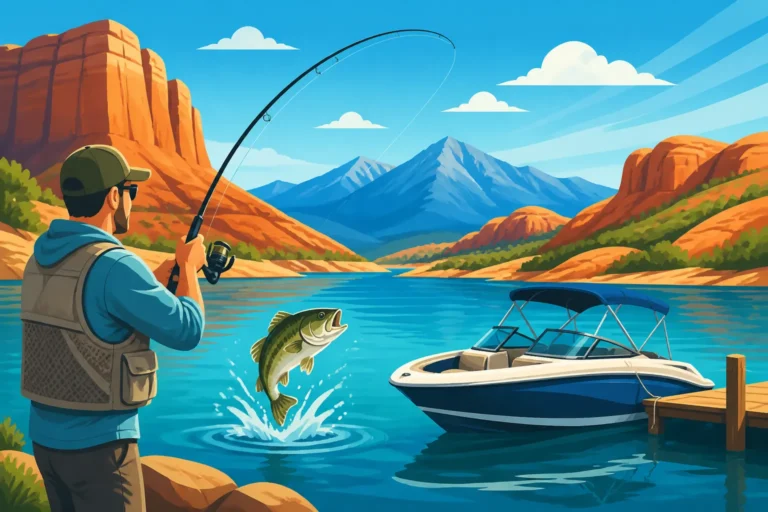
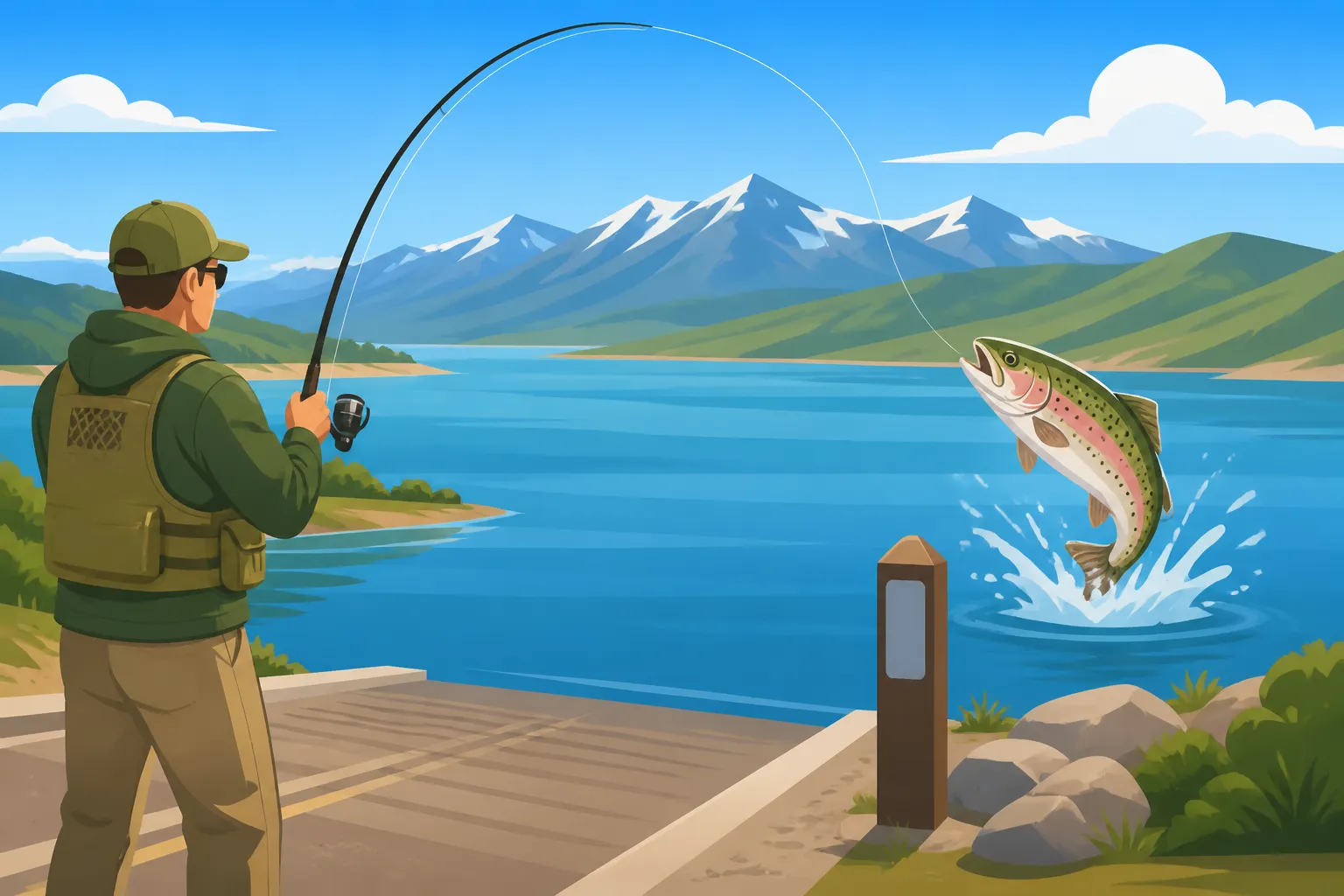
The Hailstone and Ross Creek areas within Jordanelle State Park are perhaps the most popular and accessible for shore anglers. Hailstone offers extensive shoreline access, particularly around the day-use areas and campgrounds. Here, you'll find plenty of open space to spread out, cast your line, and enjoy the scenery. This area is especially good for targeting rainbow trout, which often cruise the shallower sections, particularly in the mornings and evenings. Ross Creek, on the other hand, often provides a bit more structure and quieter coves, making it a great spot for targeting smallmouth bass with jigs or crankbaits, or even some of the larger brown trout that might be hiding.
When fishing these state park shorelines, a medium-light spinning rod with 4-6 lb test line is generally a good setup. For bait, PowerBait, worms, or even corn can be very effective for trout. If you're going after bass, small soft plastics, spinnerbaits, or topwater lures thrown parallel to the rocky banks can yield exciting results. Remember to keep an eye on your surroundings; while the park is large, these popular areas can get busy, especially on summer weekends. Our guide on Where to Fish Jordanelle Reservoir From Shore has even more specific tips for these spots.
Day-Use Area Access and Facilities
Throughout Jordanelle State Park, several designated day-use areas provide excellent access to the reservoir's shoreline. These areas are usually equipped with amenities like picnic tables, restrooms, and sometimes even small beaches, making them perfect for a family fishing outing. The convenience factor here is huge – you can pull right up, unload your gear, and be fishing in minutes. Some of the notable day-use areas include the main Hailstone area and parts of the Rock Cliff area.
The drawback, if you can call it that, is that these areas can see a lot of foot traffic, especially during peak season. Fish in these high-pressure zones can sometimes be a bit more wary. However, the regular stocking of rainbow trout often ensures there's still plenty of action to be had. Early mornings or late evenings tend to be the best times to avoid crowds and increase your chances of a bite. These spots are fantastic for beginners or those just looking for a relaxed day by the water.
Public Trail Access for the Adventurous Angler
For those who don't mind a bit of a hike, Jordanelle Reservoir offers public trail access that can lead you to more secluded and less-pressured fishing spots. The Jordanelle Parkway Trail, for example, winds around portions of the reservoir, providing opportunities to venture away from the main developed areas. These "hidden gems" often hold larger, wilder fish that aren't accustomed to constant angler pressure. You might need to cover some ground, but the reward can be worth it.
When exploring these trail-accessed areas, be prepared for varied terrain. Sturdy footwear is a must, and carrying a backpack with water, snacks, and extra tackle is highly recommended. Light and portable gear, such as a collapsible fishing rod or a compact tackle box, will make the trek easier. These spots are ideal for targeting brown trout and smallmouth bass, which often hide in rocky crevices and submerged timber that might not be reachable from the main park areas. For more general advice on fishing without a boat, take a look at our guide on How to Fish From Shore in Utah.
Boating and Launch Ramp Facilities
For serious anglers or those who simply enjoy the freedom of the open water, launching a boat at Jordanelle Reservoir unlocks a whole new level of fishing opportunities. From trolling deep for trout to exploring remote coves for bass, a boat gives you unparalleled access. But launching a boat isn't as simple as backing up your truck; there are specific ramps, fees, and rules to consider.
Jordanelle State Park Marina and Services
The primary boating hub at Jordanelle is the Hailstone Marina, located within Jordanelle State Park. This is a full-service marina, offering multiple paved boat ramps, ample parking for trailers, and various amenities. You'll find fuel, a convenience store, and often boat rentals here, making it a one-stop shop for your boating needs. The ramps are generally well-maintained and suitable for most types of fishing boats, from small aluminum boats to larger deep-V hulls.
Launching at Hailstone can get very busy, especially on summer weekends and holidays. Plan to arrive early to avoid long lines at the ramps. Once on the water, you have access to the entire reservoir. Many anglers head straight for the deeper sections of the old river channel to troll for rainbow and brown trout, while others explore the numerous coves and points for smallmouth bass. Remember to have all your Utah Boat Registration Requirements in order before you hit the water.
Rock Cliff Recreation Area: A Quieter Option
While Hailstone is the main draw, the Rock Cliff Recreation Area, located on the eastern side of the reservoir, offers a slightly quieter and often less crowded alternative for boat launching. Rock Cliff features boat ramps and parking, though sometimes with fewer amenities than Hailstone. It's particularly popular with kayakers, paddleboarders, and smaller boats, but can accommodate larger vessels too.
The advantage of launching from Rock Cliff is often a quicker launch and retrieval, and direct access to some excellent fishing grounds on the eastern arm of the reservoir. This area is known for its calmer waters on windy days and can be a good starting point for exploring the Provo River inlet, which can hold good numbers of fish, especially during certain times of the year. This is also a good spot to check if you've booked a trip through a service like FishingBooker, as some guides might prefer to launch from here for specific fishing patterns.
State Park Fees and Passes
Accessing Jordanelle Reservoir through the state park requires an entrance fee. You can pay a day-use fee per vehicle, or if you plan on visiting Utah State Parks frequently, an annual Utah State Parks pass can be a cost-effective option. These fees contribute to the maintenance of the facilities, including the boat ramps, parking areas, and restrooms. It's always a good idea to check the current fee schedule on the Utah State Parks website before you go, as rates can change.
For boaters, there's also the crucial aspect of Aquatic Invasive Species (AIS) inspections. Jordanelle Reservoir is part of Utah's mandatory AIS program, primarily to prevent the spread of quagga and zebra mussels. All boats, including kayaks and paddleboards, are required to undergo an inspection, especially if they have been on Lake Powell or other infested waters. Failing to comply can result in hefty fines. Make sure you understand all the Utah Aquatic Invasive Species Rules for Anglers before you launch.
Kayak and Paddleboard Access for Serene Angling
Kayaks and paddleboards have revolutionized fishing for many, offering a quiet, environmentally friendly, and often more intimate way to experience the water. Jordanelle Reservoir is incredibly popular for human-powered craft, providing tranquil coves and easy launches for those seeking a more personal angling adventure.
Navigating Quiet Coves and Nooks
One of the biggest advantages of fishing from a kayak or paddleboard at Jordanelle is the ability to access shallow, quiet coves and shoreline nooks that larger boats simply can't reach. These areas are often prime real estate for cruising trout and bass, especially in the spring and fall. The Hailstone and Rock Cliff areas both offer numerous small coves and points that are perfect for quiet exploration. Imagine paddling silently along a rocky bank, sight-fishing for smallmouth bass lurking near submerged timber. It's an experience that truly connects you with the water.
When exploring these quieter spots, remember that stealth is your friend. Use a quiet paddle stroke, and consider anchoring gently or using a stake-out pole to hold your position without spooking the fish. These areas are also fantastic for fly fishing, where the minimal disturbance of a kayak or paddleboard allows you to present flies naturally. Many anglers find the experience so immersive, they won't go back to traditional boat fishing for these specific spots. You can find more specific guidance in our article on How to Fish From a Kayak in Utah.
Launching from Day-Use Areas and Beaches
Kayaks and paddleboards enjoy much more flexible launching options than motorized boats. While you can use the main boat ramps, many anglers prefer to launch directly from the various beaches and day-use areas around the reservoir. These spots often have sandy or gravelly shores, making it easy to slide your craft into the water. Hailstone Bay, for instance, has several accessible shoreline areas that are ideal for launching a kayak or SUP.
When launching from these public beaches, always be mindful of swimmers and other recreational users. Give them plenty of space and launch from designated areas if available. The convenience of being able to pull your vehicle close to the water, unload, and quickly launch without needing a developed ramp is a major draw for paddle anglers. Just remember that even kayaks and paddleboards need to adhere to AIS inspection protocols if they've been on other waters.
Essential Kayak and Paddleboard Fishing Gear
Fishing from a kayak or paddleboard requires a slightly different gear setup than shore or powerboat fishing. Stability is key, so choose a fishing-specific kayak or a stable paddleboard. A comfortable seat, especially for longer sessions, makes a huge difference. Rod holders are essential for managing your lines and safely storing rods while paddling. A small, dry bag to protect your phone, keys, and wallet from splashes is a must.
Beyond that, a small anchor or stake-out pole will help you hold position in breezy conditions, and a personal flotation device (PFD) is not just a good idea, it's legally required. Many kayak anglers also invest in a small cooler or fish bag to keep their catch fresh. For navigation and finding those sweet spots, a portable fish finder can be a game-changer. Think minimalist but efficient – every piece of gear should serve a purpose and be easily accessible.
Seasonal Considerations for Jordanelle Access and Fishing
Jordanelle Reservoir is a year-round fishery, but access and fishing strategies change dramatically with the seasons. Understanding these shifts is crucial for a successful and safe trip, especially in a mountain reservoir where conditions can vary wildly.
Ice Fishing Access and Safety
When winter descends, Jordanelle Reservoir transforms into a popular ice fishing destination. Typically, safe ice forms from late December through February, though conditions vary year to year. Hailstone Bay is one of the most popular access points for ice anglers, offering ample parking and relatively easy access to the ice. Anglers venture out onto the frozen surface, drilling holes to target rainbow trout, brown trout, and perch. For those brave enough to embrace the cold, it’s a truly unique experience.
Safety is paramount when ice fishing. Always check ice thickness before venturing out, and go with a buddy if possible. The recommended minimum ice thickness for walking is four inches, but always exercise extreme caution. Gear like ice augers, portable shelters, and warm clothing are essential. While ice fishing, be aware of specific Utah Ice Fishing Guide regulations regarding the number of lines you can use and possession limits. Services like FishingBooker often have local guides specializing in ice fishing, which can be an excellent way to safely experience it if you're new to the sport.
Spring Runoff and High Water Conditions
Spring at Jordanelle brings the inevitable runoff from melting snow, which can significantly impact fishing conditions. The Provo River and other smaller inlets swell, carrying colder, often murky water into the reservoir. This influx can affect water clarity and temperature, pushing fish to different areas. Access to certain shoreline spots might also be limited due to higher water levels.
During runoff, fish often move closer to the banks, seeking warmer water and areas where baitfish might be congregating. Fishing near structure or at the mouths of calmer coves can be effective. As the water begins to clear, usually later in spring, fishing can be excellent, especially for hungry trout coming out of winter. Pay attention to water color and temperature; these are your best indicators of where the fish might be holding.
Low Water Conditions in Late Summer and Fall
Conversely, late summer and fall can bring lower water levels at Jordanelle, particularly if there hasn't been significant precipitation. This drawdown can expose new shoreline features, but it can also make some boat ramps less accessible or even unusable. Shoreline fishing can become a bit more challenging as fish retreat to deeper water or follow the receding weed lines.
Anglers need to adapt their strategies during low water. For boaters, it means being extra careful when navigating and launching. For shore anglers, it might mean longer walks to reach the water's edge or targeting deeper drop-offs. However, these conditions can also concentrate fish in certain areas, making them easier to locate for those who know what to look for. Always check current conditions and reservoir levels before heading out.
Rules, Regulations, and Responsible Angling at Jordanelle
Fishing at Jordanelle Reservoir, like any other public water in Utah, comes with a set of rules and regulations designed to protect fish populations and ensure a positive experience for everyone. Knowing these rules is not just about avoiding a fine; it's about being a responsible steward of our natural resources.
Fishing License Requirements
The first and most fundamental rule is that anyone 12 years of age or older must possess a valid Utah fishing license to fish at Jordanelle Reservoir. There are different license types for residents and non-residents, as well as various durations (annual, 3-day, 7-day). Kids under 12 can fish for free, which is wonderful for family outings. It's incredibly easy to purchase a license online through the Utah DWR website or from authorized vendors. Always carry your license with you, either physically or digitally on your phone, as wildlife officers frequently patrol the area. Our comprehensive Utah Fishing License Guide can help you determine exactly what you need.
Daily Bag and Possession Limits
Each fish species at Jordanelle has specific daily bag and possession limits. These limits dictate how many fish of a certain species you can keep per day and how many you can have in your possession (including those at home). For example, rainbow and brown trout usually have a combined limit, but specific rules might apply to size or certain water bodies. Smallmouth bass might have a different limit. It is absolutely crucial to know these limits for the species you are targeting.
Ignorance of the law is not an excuse. Before every trip, take a moment to review the current Utah Fishing Guidebook, available online or at license vendors. This guidebook is updated annually and details all the specific regulations for Jordanelle and other Utah waters. Violating these limits can result in significant penalties, and it’s simply not worth the risk. We break down the details in our guide on Utah Daily Bag and Possession Limits.
Aquatic Invasive Species Protocol
Jordanelle Reservoir is a designated "hot spot" for Aquatic Invasive Species (AIS) prevention, primarily focused on preventing the spread of quagga and zebra mussels. This means that all vessels, including kayaks, canoes, and paddleboards, are subject to mandatory inspection by UDWR personnel. If your boat has been on any known infested waters (like Lake Powell), it will likely require decontamination and a specific "dry time" before you can launch at Jordanelle.
The process typically involves an inspection at a designated station, followed by decontamination if necessary. Always remember to "Clean, Drain, and Dry" your vessel and gear after every outing, regardless of where you've been. This means removing all weeds and debris, draining all water from your boat and livewells, and ensuring everything is thoroughly dry before your next launch. These measures are vital for protecting Utah's precious waterways from devastating invasive species.
Jordanelle Fishing Access Comparison Table
To make it a little easier to digest all this information, here's a quick comparison of the main access points at Jordanelle Reservoir, helping you decide which might be best for your next fishing adventure.
| Access Point | Primary Type | Best For | Key Features | Pros | Cons |
|---|---|---|---|---|---|
| Hailstone Marina | Motorized Boat | Powerboaters, Trolling | Multiple ramps, ample parking, marina services | Full amenities, wide access, popular launch point | Can be very crowded, longer lines at peak times |
| Hailstone Shoreline | Shore, Kayak/SUP | Beginners, Families, Trout | Extensive shoreline, picnic areas, restrooms | Easy access, good for kids, regularly stocked trout | High traffic, fish can be wary |
| Ross Creek Area | Shore, Kayak/SUP | Bass, Brown Trout, Seclusion | Quieter coves, some structure, scenic | More secluded spots, good bass habitat, less crowded than Hailstone Shore | Fewer amenities, may require walking |
| Rock Cliff Area | Motorized Boat, Kayak/SUP | Smaller boats, Kayakers, Bass | Ramps, parking, closer to river inlet | Generally less crowded, good for paddle craft, calmer water on windy days | Fewer services than Hailstone Marina, may have limited space |
| Jordanelle Parkway Trails | Shore (hike-in) | Adventurous anglers, Seclusion | Undeveloped shoreline, varied terrain | Access to less-pressured fish, solitude, scenic views | Requires hiking, limited amenities, challenging terrain |
| Ice Fishing (Winter) | Ice | Trout, Perch | Access usually from Hailstone/Rock Cliff parking | Unique winter experience, different fishing techniques | Requires specialized gear, safety precautions are critical |
Final Thoughts on Angling at Jordanelle
Jordanelle Reservoir truly offers something for every type of angler, from the casual shore fisher to the dedicated boat enthusiast and the stealthy kayak angler. The key to a successful and enjoyable trip is always preparation: understanding the access points, knowing the regulations, and being mindful of seasonal changes. Whether you're planning a trip with the family, a solo mission for trophy bass, or hiring a guide through FishingBooker for a targeted experience, Jordanelle provides a spectacular backdrop for your Utah fishing adventures. So grab your gear, check the conditions, and get ready to create some unforgettable memories on the water!
Disclaimer
The information provided in this guide is for general informational purposes only and is subject to change. Anglers are responsible for consulting the most current Utah Fishing Guidebook and regulations published by the Utah Division of Wildlife Resources before fishing. Always prioritize safety and environmental stewardship.