Fish Species in Jordanelle Reservoir
It can be really frustrating to head out to a beautiful spot like Jordanelle Reservoir, ready to cast a line, only to realize you're not even sure what fish you're targeting or what might be biting. There’s nothing worse than feeling unprepared. This guide is here to shed light on the diverse fish species that call Jordanelle home, helping you understand what to expect and how to improve your chances of a successful and enjoyable day on the water.
Jordanelle Reservoir: A Diverse Aquatic Ecosystem
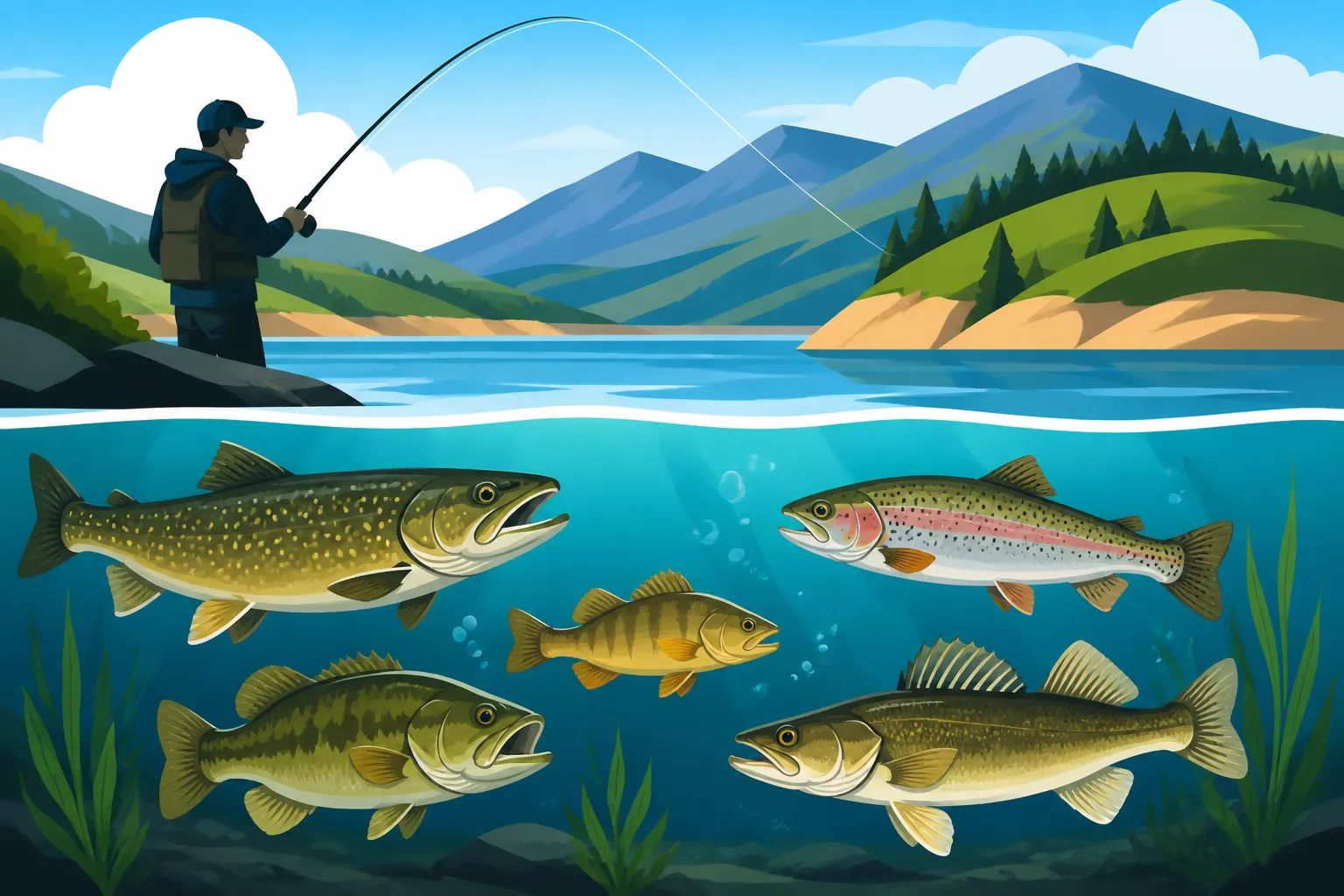
Jordanelle Reservoir, nestled in the scenic Heber Valley, is more than just a pretty face for recreation; it's a vibrant habitat for a variety of fish, making it a favorite for many Utah anglers. Understanding the ecosystem here is key to a successful fishing trip. Unlike some specialized fisheries, Jordanelle offers a mix of cold-water and cool-water species, appealing to different fishing styles and preferences. The reservoir's size and depth, combined with its connection to the Provo River, create diverse environments for fish to thrive.
The management by the Utah Division of Wildlife Resources (DWR) plays a significant role in maintaining these populations through regular stocking efforts, particularly for popular sportfish. This means that while some fish are naturally reproducing, many of the prized catches are there because of active conservation and enhancement programs. Knowing this helps set expectations, especially if you’re looking for those feisty stocked rainbows or the more elusive, naturally reproducing species that have established themselves. The sheer variety here ensures that whether you're a fly-fishing enthusiast, a bait-and-bobber angler, or a dedicated troller, you'll find something to pique your interest.
Prime Game Fish Species in Jordanelle
When you think about fishing Jordanelle, certain species immediately come to mind. These are the fish that bring anglers back again and again, offering thrilling fights and often making for excellent table fare. Targeting these primary game fish is usually the goal for most visitors to the reservoir.
Rainbow Trout: The Perennial Favorite
Rainbow trout are undoubtedly the most common and sought-after fish in Jordanelle Reservoir. They are a staple of Utah's stocking programs, and Jordanelle receives regular infusions of these beautiful fish throughout the year, ensuring there's always a good population to pursue. Anglers love them because they are generally eager to bite, put up a good fight on light tackle, and are accessible from both shore and boat.
When fishing for rainbow trout in Jordanelle, you'll often find success with traditional methods. From shore, power bait, worms, or even corn fished off the bottom with a small weight can be incredibly effective, especially near access points like the state park marinas or quieter coves. Boat anglers will do well trolling with small spoons or spinners, particularly in the upper water column during cooler months or early mornings. Don't be afraid to experiment with different colors and retrieve speeds until you find what they're hitting. They tend to cruise along drop-offs and submerged structures, so a good fish finder can certainly help you locate schools. How to Rig a Jig for Utah Trout and How to Fish PowerBait for Stocked Trout offer excellent beginner-friendly advice if you're just starting out.
Smallmouth Bass: The Feisty Fighters
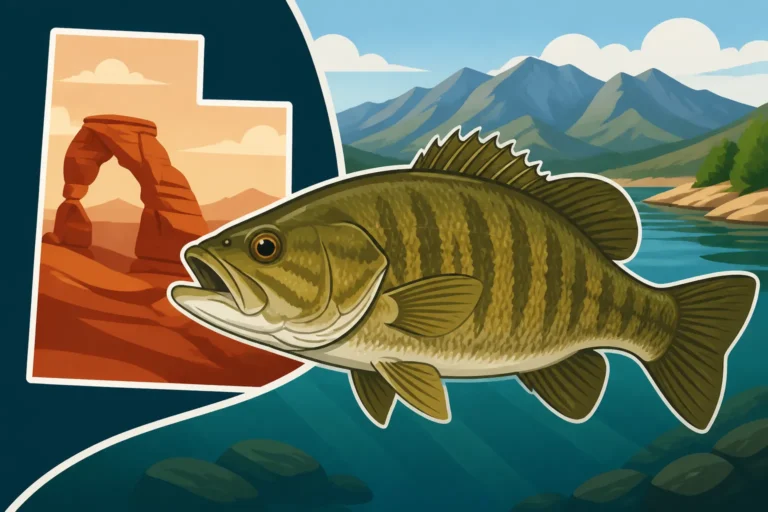
Smallmouth bass are a fantastic addition to Jordanelle's fishery, providing a different kind of challenge and excitement compared to trout. Known for their aggressive strikes and powerful, acrobatic fights, smallmouth bass are a favorite for many sport anglers. They were introduced to Jordanelle and have established a healthy, reproducing population, particularly in the rockier areas of the reservoir.
Targeting smallmouth bass requires a slightly different approach than trout. They prefer rocky points, submerged timber, and steep drop-offs where they can ambush baitfish and crawfish. Look for them around the shorelines and coves, especially as water temperatures rise in late spring and summer. Lures like crankbaits, spinnerbaits, tube jigs, and soft plastic baits rigged on a drop-shot or shaky head are very effective. Best Lures for Utah Smallmouth Bass can give you some excellent starting points. Smallmouth are structure-oriented, so casting parallel to rocky banks or fan-casting around underwater features can yield great results. Many anglers find that fishing in low-light conditions, such as early morning or late evening, can increase their chances of hooking into these feisty fighters.
Brown Trout: The Elusive Giants
While less abundant than rainbows, brown trout also call Jordanelle home, and they represent a different class of angling entirely. Known for their wariness and often impressive size, brown trout are the trophy fish many experienced anglers dream of catching. They can be found in the main body of the reservoir but are often associated with the Provo River inlet, where they spawn and often seek refuge in the cooler, flowing water.
Catching a large brown trout in Jordanelle is often a game of patience and finesse. They are opportunistic predators, feeding on smaller fish, insects, and crawfish. For fly anglers, streamers that imitate baitfish can be very effective, especially when fished near the river's influence or along rocky ledges. Spin anglers can try larger spoons, jerkbaits, or even live minnows (where legal and appropriate for bait fish regulations) to entice a strike. Browns are notoriously shy, so stealth and careful presentation are crucial. They often lurk in deeper, darker areas during the day and move into shallower waters to feed during low light. Don't be surprised if your efforts for brown trout also yield a rainbow or two, but when that heavy, head-shaking fight begins, you'll know you've likely hooked into a Jordanelle brown.
Kokanee Salmon: The Delicious Runners
Kokanee salmon are another unique and exciting species in Jordanelle Reservoir, offering a different angling experience, especially for those who enjoy trolling. These landlocked sockeye salmon are known for their vibrant red flesh and excellent taste. They are filter feeders for much of their lives but will strike at small, flashy lures, especially when they begin their pre-spawn aggregations.
Kokanee are typically found in the open water column, feeding on zooplankton. Targeting them usually involves trolling with downriggers or weighted lines to get your lures to the correct depth. Small dodgers or flashers paired with mini hoochies, wedding rings, or small spoons in pink, orange, or green are often the ticket. How to Troll for Kokanee in Utah offers specific tactics. The best time to target kokanee is generally late spring through early fall, with a peak in late summer as they begin to mature and prepare for their annual spawning run up the Provo River. During this time, they become more aggressive and their colors intensify. Keep an eye on local fishing reports for depth recommendations, as kokanee are very sensitive to water temperature and will move up and down in the water column.
Other Fish Species You Might Encounter
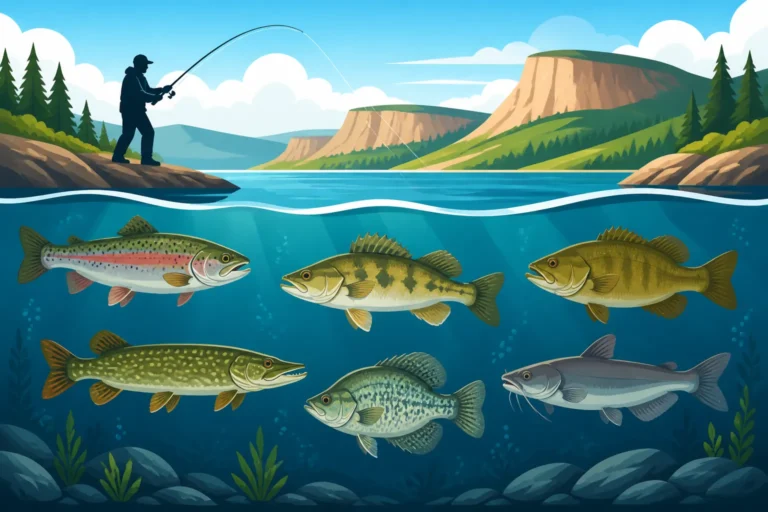
While rainbow trout, smallmouth bass, brown trout, and kokanee salmon are the stars of Jordanelle, you might also cross paths with other interesting species. Some are incidental catches, while others are important parts of the reservoir's ecosystem.
Yellow Perch: Panfish Fun
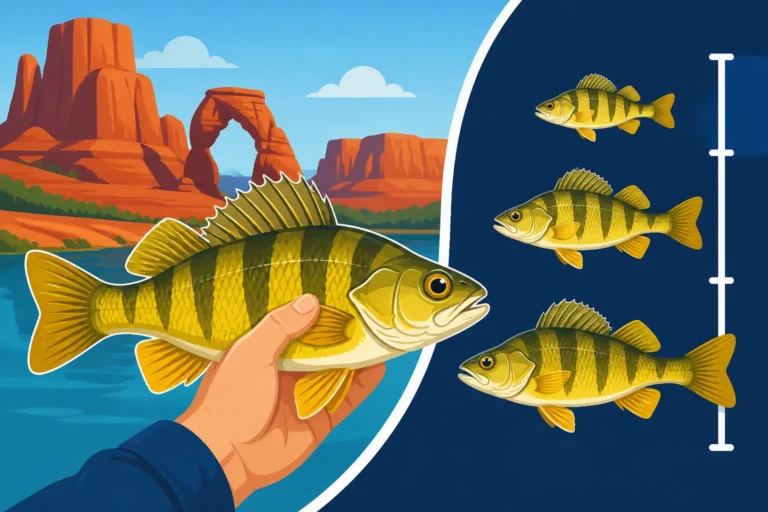
Yellow perch are not as prevalent in Jordanelle as they are in some other Utah reservoirs, but they are present and can offer some enjoyable panfish action, especially for younger anglers or those looking for a different kind of fight. These schooling fish are known for their distinct barred markings and tasty fillets.
If you're targeting perch, look for them around submerged vegetation, rocky bottoms, or drop-offs, often in schools. Small jigs tipped with a piece of worm, mealworms, or small soft plastics are usually effective. They tend to bite best in cooler waters, making them a viable target in early spring, late fall, and even through the ice in winter. While you might not fill a cooler with perch at Jordanelle like you could at, say, Scofield, catching a few can be a fun diversion, and they're excellent eating.
Invasive Species: Northern Pike (Rare but Important)
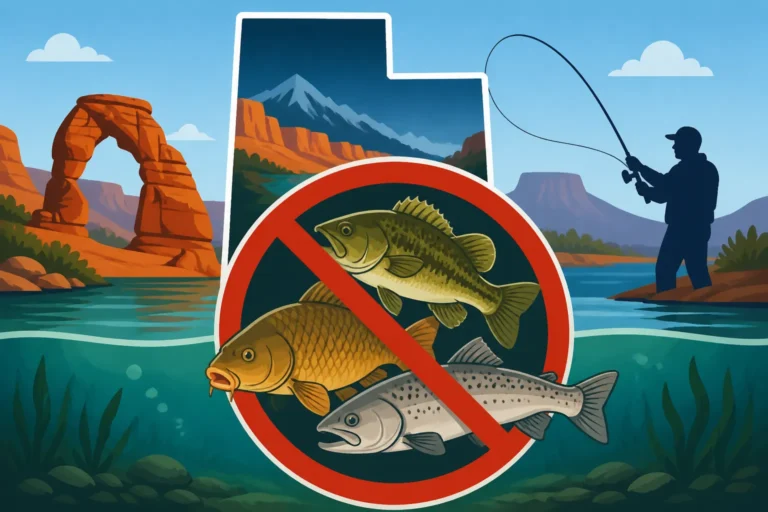
It's crucial to be aware of the potential for invasive species in any Utah water, even if they aren't common in Jordanelle. While Northern Pike are more famously problematic in Utah Lake, they can occasionally show up in other systems due to illegal introductions. If you ever catch a Northern Pike in Jordanelle, it is vital to know that you are required to kill it immediately and not return it to the water. This is part of Utah's aggressive strategy to manage and eradicate invasive species that threaten native fish populations and the overall health of the ecosystem. Always check Utah Aquatic Invasive Species Rules for Anglers for the latest guidelines.
Northern pike are highly predatory and can decimate populations of smaller game fish and forage fish. They are often characterized by their long, torpedo-shaped bodies, duckbill-like snout, and sharp teeth. While they offer a thrilling fight, their presence can be highly detrimental. Keep an eye out and do your part to protect Jordanelle's fishery by understanding and adhering to these crucial regulations.
Optimizing Your Angling for Jordanelle's Fish Species
Knowing what fish are in Jordanelle is just the first step. The next is understanding how to adapt your gear and techniques to give yourself the best chance of success. From seasons to specific gear, a little preparation goes a long way.
Seasonal Considerations for Jordanelle
Jordanelle offers year-round fishing opportunities, but the best times to target specific species vary significantly with the seasons.
- Spring (March-May): As ice thaws, trout become very active and hungry. This is an excellent time for rainbow trout from shore and boat, as they move into shallower water. Brown trout also become more active around river inlets. Smallmouth bass will start to become active later in the spring as water temperatures rise, moving into shallower spawning areas.
- Summer (June-August): Fishing can get tougher during the heat of the day. Trout move deeper, requiring trolling with downriggers or fishing deeper with bait. Early mornings and late evenings are prime times for smallmouth bass, which will be found on rocky structure. Kokanee salmon are active throughout the summer, often suspending in deeper water. Best Time of Day to Fish for Utah Trout and How to Fish Deep Water for Summer Lake Trout can help you adapt.
- Fall (September-November): Many anglers consider fall to be one of the best times to fish Jordanelle. Trout become very active again, feeding heavily before winter. Brown trout will begin their pre-spawn migrations up the Provo River, making them more aggressive. Kokanee salmon will be in full spawning colors and can offer incredible action, though they are nearing the end of their life cycle.
- Winter (December-February): Ice fishing is very popular on Jordanelle when conditions allow. Rainbow trout, brown trout, and yellow perch are commonly targeted through the ice. Utah Ice Fishing Guide provides a comprehensive overview of how to stay safe and successful during the colder months. Always check ice conditions before venturing out!
| Season | Primary Targets | Key Techniques |
|---|---|---|
| Spring | Rainbow Trout, Brown Trout, Smallmouth Bass | Shore fishing (PowerBait, worms), trolling (spoons), jigging (soft plastics for bass) |
| Summer | Kokanee Salmon, Smallmouth Bass, Deep Trout | Trolling (downriggers for kokanee/trout), topwater/crankbaits (bass in low light) |
| Fall | Brown Trout, Rainbow Trout, Kokanee Salmon | Streamers/jerkbaits (browns), trolling/casting (rainbows), kokanee specific gear |
| Winter | Rainbow Trout, Brown Trout, Yellow Perch | Ice fishing (jigs, spoons, bait) |
Recommended Gear and Tackle
Having the right gear makes a huge difference, especially when you're trying to target specific species in Jordanelle. For general trout fishing, a light to medium-light spinning rod and reel combo with 4-6 lb test monofilament or fluorocarbon line is ideal. This setup is versatile enough for both bait fishing and casting small lures.
For smallmouth bass, you might want to step up to a medium action spinning or baitcasting rod with 8-10 lb test line. This gives you more power to handle their strong runs and pull them out of rocky cover. Carrying a variety of lures, including jigs, crankbaits, and soft plastics, is essential.
Kokanee salmon require specialized gear if you want to consistently target them. A dedicated trolling setup with a moderate action rod, a line counter reel, and downriggers is often necessary to present your lures at the precise depths where kokanee are feeding. Small dodgers and hoochies are excellent choices. You can find many of these specialized items, like line counter reels or specific kokanee trolling lures, readily available on platforms like Amazon if your local tackle shop doesn't have exactly what you need.
Don't forget the essentials: a good landing net, particularly a rubberized one to protect fish if you plan to release them, a pair of pliers for hook removal, and a cooler with ice to keep your catch fresh. A high-quality pair of polarized sunglasses, also easily found on Amazon, can greatly improve your ability to spot structure or even cruising fish in clearer areas of Jordanelle. What Gear Does a First-Time Utah Angler Need? is a great resource if you're just getting started.
Regulations and Conservation at Jordanelle
Part of being a responsible angler is understanding and following the regulations set forth by the Utah DWR. These rules are in place to ensure healthy fish populations for future generations and to manage species effectively.
Understanding Bag and Possession Limits
Each species in Jordanelle Reservoir has specific daily bag and possession limits. These limits dictate how many fish of a particular species you can legally keep in a day and how many you can have in your possession (which typically includes fish at home from previous trips). For example, rainbow trout might have a general statewide limit, but there could be specific regulations for Jordanelle itself, especially if certain conservation efforts are in place. Always consult the current Utah Fishing Regulations Explained booklet before you head out, as rules can change annually.
It's also important to be able to identify your catch correctly. Misidentifying a fish could lead to accidental violations. For example, knowing the difference between a rainbow trout and a brown trout is important if their limits differ. If you're unsure, it's always best to err on the side of caution or release the fish.
Catch-and-Release Practices
While many anglers enjoy keeping fish for the table, practicing responsible catch-and-release is crucial, especially for larger, older fish that contribute significantly to the breeding population. If you plan to release fish, handle them gently with wet hands, minimize their time out of the water, and use appropriate tools like de-hookers to remove hooks quickly and cleanly. Releasing fish carefully ensures they have the best chance of survival. This is particularly important for species like larger brown trout or any fish that might be close to a minimum or maximum size limit. How to Release a Fish Without Hurting It in Utah offers excellent guidance on this.
Aquatic Invasive Species (AIS) Prevention
Jordanelle, like all Utah waters, is under constant threat from aquatic invasive species like Quagga and Zebra Mussels. These tiny organisms can wreak havoc on ecosystems and infrastructure. To combat this, Utah has strict "Clean, Drain, Dry" protocols for all watercraft. Every time you launch or retrieve a boat, kayak, or even a paddleboard from Jordanelle, you must ensure it is thoroughly cleaned of any debris, drained of all water, and allowed to dry completely before moving to another body of water.
Boats, especially motorized ones, often require inspection at designated checkpoints, particularly when moving between waters that have different AIS statuses. Even non-motorized vessels like kayaks and paddleboards need to be clean, drained, and dry. Ignoring these rules not only puts Utah's waters at risk but can also result in significant penalties. You can find Utah Aquatic Invasive Species Inspection Stations and detailed guidelines on the DWR website. Doing your part to prevent the spread of AIS is one of the most critical responsibilities of any angler or boater in Utah.
Disclaimer
This article is for general informational purposes only and does not constitute professional advice. Laws, prices and regulations vary by location and change over time. Consult a qualified professional for guidance on your specific situation.