Where to Fish the Green River Below Flaming Gorge Dam
Fishing the Green River below Flaming Gorge Dam is often on every Utah angler's bucket list, but actually planning a trip and knowing where to start can feel overwhelming, especially with its vast reputation and the sheer amount of information out there. It's a place steeped in angling legend, and for good reason, but navigating its waters and regulations can seem daunting to newcomers. This comprehensive guide will strip away the mystery, providing you with detailed insights into the river's sections, the most effective techniques, essential gear, and crucial access information to ensure your Green River fishing adventure is both successful and unforgettable.
Understanding the Green River's Blue Ribbon Status
The Green River, particularly the stretch immediately below Flaming Gorge Dam, isn't just a good fishing spot; it's a world-renowned blue-ribbon fishery. This distinction isn't given lightly. It signifies a unique combination of factors that create an exceptionally productive and robust trout habitat, drawing anglers from across the globe. Understanding why it holds this status is key to appreciating its potential and approaching your fishing trip with the right mindset.
The Tailwater Effect and Its Bounty
The secret to the Green River's success lies directly upstream, with the Flaming Gorge Dam. This dam creates what's known as a "tailwater fishery." Essentially, the water released from the bottom of the dam comes from deep within the reservoir, meaning it maintains a remarkably consistent, cold temperature year-round. This thermal stability is a godsend for trout, preventing the extreme temperature fluctuations that can stress fish in natural river systems.
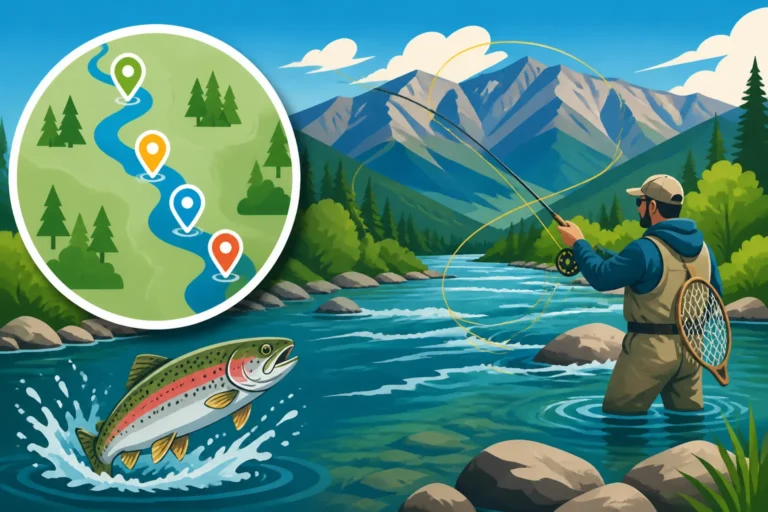
This consistent, cold water also provides an incredibly stable environment for aquatic insect life. Unlike free-flowing rivers that might experience drastic runoff events or low-water periods, the Green River's regulated flow ensures a steady supply of oxygen and nutrients, fostering a rich ecosystem of midges, caddis, mayflies, and stoneflies. These insects form the bedrock of the trout's diet, allowing fish to grow larger and healthier. Anglers can expect to find a thriving population of predominantly brown trout and rainbow trout, with some native cutthroat trout making an appearance further downstream. The stable conditions mean fishing here is truly a year-round affair, with each season offering its own unique challenges and rewards.
What Makes the Green River a Fly Fishing Paradise
While the Green River can be fished with spin tackle in certain areas, it's undeniably revered as a fly fishing paradise. This reputation stems from several critical factors, primary among them being the incredible abundance and diversity of insect hatches. From the minuscule midges that blanket the water on a winter's day to prolific caddis and mayfly emergences in spring and fall, the river constantly provides a buffet for its finned residents. This means that matching the hatch, a cornerstone of fly fishing, becomes a thrilling and often rewarding challenge.
Furthermore, the Green River's crystal-clear waters, especially in the upper sections, offer fantastic opportunities for sight fishing. Being able to spot a trout rising to a dry fly or holding in a feeding lane and then present your fly with precision is an exhilarating experience that keeps fly anglers coming back. The river is renowned for its astonishingly high fish count per mile, often cited in the thousands, ensuring that even on a slow day, the chances of encountering a fish are remarkably high. This combination of healthy fish, abundant insect life, and clear water creates an immersive and deeply satisfying fly fishing experience that few other rivers can rival. For those looking to dive deeper into the art, our comprehensive guide on Utah Fly Fishing Guide offers a broader perspective.
Key Sections of the Green River Below Flaming Gorge
The Green River below Flaming Gorge Dam isn't a monolithic entity; it's a dynamic waterway that changes character as it flows downstream. For practical purposes, anglers typically break the initial 28-mile stretch into three main sections, each offering distinct access points, water characteristics, and fishing opportunities. Understanding these sections is crucial for planning your float or wade trip and maximizing your success.
Section A: Flaming Gorge Dam to Little Hole (7 Miles)
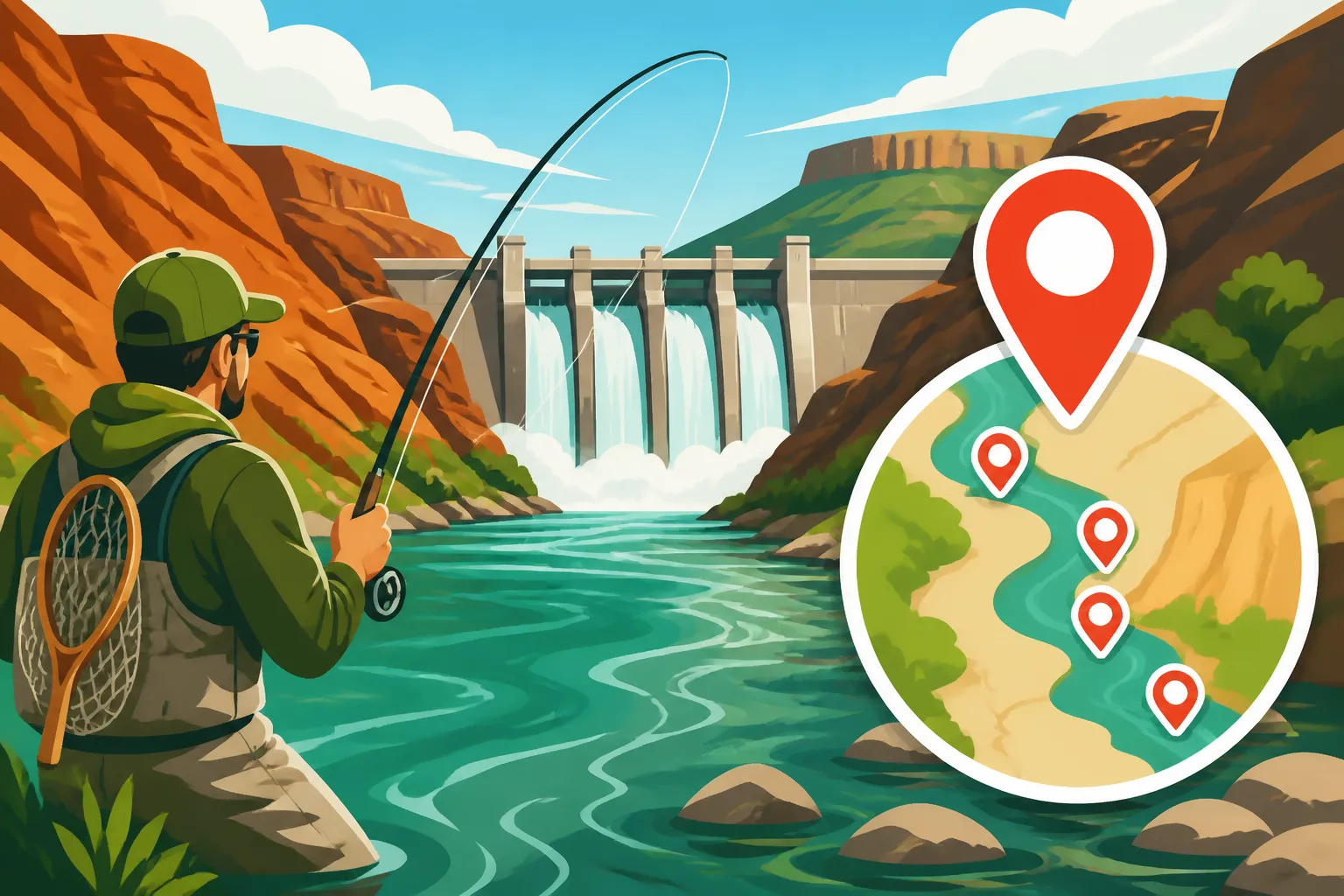
This is arguably the most famous and, consequently, the most heavily fished stretch of the Green River. Directly below the dam, the water is at its coldest and clearest, often running swifter than in downstream sections. The towering red rock cliffs that hem in the river here create a truly breathtaking and iconic backdrop for your fishing adventure. It’s no wonder this section is often the first choice for anglers.
Access to Section A is primarily via the boat launch located near the Flaming Gorge Dam at Greendale. From here, drift boats and rafts embark on what is typically a full-day float trip. While direct wading access immediately below the dam is limited due to private land and swift currents, skilled floaters can strategically pull off into quieter eddies and gravel bars to wade promising runs. The fish in this section, primarily large, wary brown trout and robust rainbow trout, are notoriously selective. Nymphing is often the most productive method here, particularly with tiny midge and baetis patterns that imitate the abundant subsurface insects. However, when the conditions align, dry fly fishing during a prolific hatch can be absolutely incredible, offering sight-fishing opportunities for truly impressive trout.
Section B: Little Hole to Indian Crossing (9 Miles)
As the Green River flows past Little Hole, it begins to mature slightly. This 9-mile section offers a bit more variation in its character, with some faster riffles transitioning into deeper, slower pools. While still a highly productive and popular stretch, it often sees slightly less fishing pressure than the immediate tailwater section above. This can translate to more elbow room and potentially less wary fish, making it a favorite for many guides and seasoned anglers.
The primary access point for this section is the popular Little Hole Campground, which features a well-maintained boat ramp. Indian Crossing, further downstream, also provides a convenient take-out point. Many anglers choose to float this section, often stopping to wade promising runs and riffles they spot from their boats. The trout here continue to be strong, healthy brown and rainbow trout, but the slightly different water characteristics can favor alternative techniques. Streamer fishing, for instance, often becomes more productive in this section, especially when targeting aggressive brown trout holding in deeper runs, along cut banks, or near submerged structure. Dry fly fishing remains strong, particularly during the peak of caddis and mayfly hatches. If you're considering a guided float trip, finding the right outfitter can make all the difference, and platforms like FishingBooker can help you connect with experienced local guides who know these sections intimately.
Section C: Indian Crossing to Swallow Canyon and Beyond (10+ Miles)
Beyond Indian Crossing, the Green River truly begins to transform. The canyon walls become less imposing, giving way to broader valley views and more extensive riparian vegetation. The river itself starts to mellow out, featuring longer, slower pools interspersed with gentler riffles. For those seeking solitude and a more remote experience, this section is your haven. The further downstream you venture, the more the fishing pressure drops, allowing for a truly peaceful angling experience.
Access to this section largely relies on floating from Indian Crossing, which serves as a key put-in point for longer trips that might extend deep into Swallow Canyon or even further. While still holding good numbers of trout, this part of the river also sees an increase in other species, such as the mountain whitefish, which provide additional angling opportunities. Streamers and nymphing remain highly effective here, but don't overlook the power of well-presented terrestrial patterns (like ants, hoppers, and beetles) during the warmer summer months when trout often key in on these larger insects. This section offers a chance to escape the crowds and immerse yourself fully in the stunning natural beauty of the Green River, making it an excellent choice for multi-day float trips or those looking for a different challenge.
Essential Techniques and Gear for Green River Success
Fishing the Green River effectively requires a blend of adaptable techniques and the right gear to match its unique characteristics. While the river is known for its prolific hatches, subsurface presentations often account for the majority of catches due to the consistent availability of aquatic insects beneath the surface. Knowing when and how to deploy different strategies, combined with having the proper equipment, will significantly elevate your chances of success.
Mastering the Nymph Rig
On the Green River, as with many renowned trout fisheries, trout spend the vast majority of their feeding time subsurface, feasting on nymphs, larvae, and pupae. This makes nymphing an absolutely critical technique for consistent success. Mastering the nymph rig means understanding various setups and knowing when to use each. The most common approach is indicator nymphing, where a strike indicator (a fancy term for a bobber) is used to suspend one or two weighted nymph patterns at the depth where fish are feeding. This often involves fine-tuning your depth and adding small amounts of split shot or lead-free wire to get your flies down quickly. For a detailed breakdown of effective setups, check out our guide on the Best Nymph Rig for the Green River Tailwater.
Another highly effective, albeit more active, method is Czech nymphing or Euro nymphing. This technique involves using specialized, longer rods and weighted nymphs without an indicator, allowing the angler to maintain direct contact with the flies and detect subtle takes. It's incredibly deadly in faster runs and riffles where fish are tucked tight to the bottom. Finally, a dry-dropper rig, pairing a buoyant dry fly with a trailing nymph, is a fantastic versatile option. The dry fly acts as your indicator and can also draw strikes on its own, adding an exciting visual element to your fishing. Popular nymph patterns for the Green River include tiny Zebra Midges (often sizes 18-24), various RS2 patterns, Pheasant Tail Nymphs, Prince Nymphs, and imitations of scuds and sowbugs. The trout here can be incredibly selective, so having a good variety of sizes and colors is crucial.
Streamer and Dry Fly Strategies
While nymphing is the bread and butter, knowing when to deploy streamers and dry flies can lead to some of the most memorable Green River experiences. Streamer fishing is a fantastic tactic for targeting larger, more aggressive brown trout, especially on cloudy days, during periods of higher water flow, or early and late in the day. These larger patterns, imitating baitfish or sculpins, are fished by casting across or upstream and stripping them back in varying retrieves, mimicking a fleeing meal. Popular patterns include various Sculpin imitations, Woolly Buggers, and more articulated patterns like Sex Dungeons. The sudden jolt of a large trout engulfing a streamer can be truly electrifying.
Dry fly fishing, on the other hand, offers the quintessential fly fishing experience: watching a trout rise to your perfectly presented imitation. Success with dry flies on the Green River hinges on "matching the hatch" – identifying the insects currently emerging and tying on a fly that closely resembles them. Key hatches include Blue-Winged Olives (BWO) in spring and fall, caddisflies throughout warmer months, and tiny Tricos that emerge in huge numbers on summer mornings. During the summer, don't underestimate the effectiveness of terrestrial patterns like ants, hoppers, and beetles when natural insects are less prevalent. Our guide on the Best Flies for Utah Trout Streams can help you fill your fly box. Presentation is paramount with dry flies; a drag-free drift is often the difference between a refusal and a hook-up.
Gear Recommendations for a Productive Trip
Having the right equipment tailored to the Green River's demands is essential. Your primary rod for fly fishing here should ideally be a 9-foot, 5-weight fly rod. This length and weight offer excellent versatility, handling everything from delicate dry fly presentations to moderately weighted nymph rigs. Some anglers prefer a lighter 4-weight for ultimate finesse with small dry flies, while a 6-weight might be favored for throwing larger streamers or fishing in windier conditions. A matching reel with a smooth, reliable drag system is crucial, especially when hooking into one of the Green River's robust trout.
For your line, a weight-forward floating line is the standard choice. If you plan to focus on streamers, a sink-tip line can be a valuable addition to get your flies down into the strike zone quicker. Leaders should typically be 9-foot tapered leaders, with tippet material ranging from 4x to 6x, depending on the fly size and water clarity. Fluorocarbon tippet is often preferred for nymphing due to its low visibility and abrasion resistance. Beyond your rod and reel, breathable chest waders and sturdy wading boots with good grip are indispensable, especially given the often-slick river rocks. Many anglers opt for studded boots for added traction. You might find more specific insights in our article on the Best Waders for Cold Provo River Water. Don't forget essential accessories like forceps for hook removal, nippers for line trimming, various strike indicators, split shot, and a quality landing net. Perhaps most importantly, polarized sunglasses are critical for spotting fish and reading the water, and good rain gear is always a wise investment in Utah's unpredictable mountain weather. For those considering a guided trip, many excellent outfitters on FishingBooker provide all the necessary gear, eliminating the guesswork.
Navigating Access and Regulations on the Green River
While the Green River offers incredible fishing, understanding the access points and adhering to specific regulations is vital for a responsible and enjoyable trip. The river is a mix of easily accessible stretches and more remote sections, and how you choose to fish it will largely determine your experience.
Boat vs. Wade Fishing
The choice between boat fishing and wade fishing on the Green River often comes down to personal preference, the section you plan to fish, and your goals for the day. For many, a drift boat or raft is the preferred method for covering water and accessing the vast majority of the prime fishing spots. Floating allows anglers to experience multiple sections, move efficiently between runs and pools, and often find less pressured water. It also provides comfort and the ability to carry more gear, making it ideal for full-day trips. However, using a boat requires logistics like a shuttle service to move your vehicle between put-in and take-out points, and you'll need a skilled oarsman to navigate the currents safely. Our guide on How to Fly Fish From a Drift Boat on the Green River provides excellent tips for this approach.
Wade fishing, while more physically demanding, offers a more intimate connection with the river. It's an excellent option for anglers without a boat or those who prefer a focused, technical approach to specific runs. Good wade fishing access is available in certain areas, particularly near the dam, Little Hole, and Indian Crossing. When wading, extreme caution must be exercised due to the swift currents and cold water. Always test the depth and stability of the riverbed before committing your weight. Regardless of your chosen method, having a plan for your access and exit points is crucial, especially since many stretches are surrounded by private land or remote wilderness.
Here's a quick comparison to help you decide:
| Aspect | Drift Boat/Raft Fishing | Wade Fishing |
|---|---|---|
| Coverage | Covers vast stretches, accesses remote areas | Limited to accessible banks and shallow areas |
| Comfort | More comfortable, can bring more gear, sit down | More physically demanding, constantly moving |
| Stealth | Can be stealthy with skilled oarsman, but larger presence | Very stealthy, can approach fish unnoticed |
| Best For | Full-day trips, covering multiple sections, targeting big fish | Intimate experience, technical casting, specific runs |
| Requirements | Boat, shuttle service, oarsman/guide | Waders, boots, awareness of river currents |
| Pressure | Can avoid crowded spots by floating past them | Can be challenging in high-pressure wading areas |
Understanding Special Regulations
The Green River below Flaming Gorge Dam operates under specific, often strict, regulations designed to protect its valuable trout fishery. It's imperative that every angler understands and adheres to these rules to ensure the long-term health of the fish population. Primarily, the Green River is managed as a catch-and-release fishery for trout, meaning that most trout caught must be immediately and carefully released. There may be specific exceptions for certain species or sizes, so it's critical to consult the most current Utah Fishing Regulations Explained before your trip. These regulations are updated annually, so never assume they are the same as last year.
Furthermore, a common requirement on the Green River is the use of single, barbless hooks for trout. Barbless hooks minimize damage to the fish, making the release process quicker and less stressful. Live bait is strictly prohibited for trout fishing in these blue-ribbon sections to prevent the introduction of invasive species or diseases. While the Green River is open to fishing year-round, making it a fantastic destination in any season, always double-check for any temporary closures or specific Utah Fishing Season Dates and Limits that might affect your plans. Abiding by these rules isn't just about avoiding penalties; it's about respecting the resource and contributing to the incredible fishery that is the Green River. You can learn more about general boating and fishing rules in our article on Utah Boating and Fishing Rules.
Planning Your Trip
A well-planned trip to the Green River can make all the difference between a frustrating day and an unforgettable angling experience. For first-time visitors, or those looking to maximize their chances of success, hiring a local fishing guide is highly recommended. These experienced professionals know the river intimately, from the best holes and current hatches to the nuances of local regulations and safety. They often provide all the necessary gear, transportation, and invaluable instruction. You can find many reputable guides who specialize in the Green River through services like FishingBooker, making it easy to book a tailored experience. For those aspiring to lead others on the water, understanding How to Become a Licensed Fishing Guide in Utah can be an interesting read.
Beyond guides, securing a valid Utah fishing license is mandatory for anyone over the age of 12. You can purchase these online through the Utah Division of Wildlife Resources website, or from licensed vendors across the state. Our Utah Fishing License Guide details how to acquire one. When it comes to accommodations, the towns of Dutch John and Manila are the closest options, offering lodges, cabins, and restaurants. There are also popular campgrounds directly on the river at Little Hole and Indian Crossing, but these fill up quickly, especially during peak season, so book well in advance. Finally, always check the USGS water flow data for the Green River below Flaming Gorge Dam before your trip. River flows can change, sometimes rapidly, impacting water clarity, wading opportunities, and fish behavior. Staying informed ensures you're prepared for the conditions you'll encounter on one of the Best Places to Fish in Utah.
Disclaimer
Please remember that fishing regulations, conditions, and access points can change. Always consult the official Utah Division of Wildlife Resources (UDWR) website or current fishing guidebooks for the most up-to-date information before planning your fishing trip to the Green River. Your safety and adherence to regulations are your responsibility.