Where to Fish Along the Uinta Highway Scenic Byway
There's nothing quite like the yearning for true solitude on the water, far away from the crowded urban ponds or well-known reservoirs. Many anglers dream of casting lines in pristine mountain lakes, surrounded by towering pines and granite peaks, but finding those truly accessible yet secluded spots can feel like a treasure hunt. If you're tired of elbow-to-elbow fishing and ready for an adventure that combines breathtaking scenery with incredible angling opportunities, this guide is your compass to unlocking the magic of fishing along the Uinta Highway Scenic Byway.
The Allure of High-Altitude Angling Along the Uinta Highway
The Uinta Highway, also famously known as the Mirror Lake Highway (Highway 150), isn't just a road; it's a gateway to some of Utah's most spectacular and productive high-altitude fishing experiences. Stretching from Kamas on the west to Evanston, Wyoming, on the east, this scenic byway winds through the heart of the Uinta-Wasatch-Cache National Forest, offering access to dozens of lakes and streams that are a paradise for trout anglers. But it’s not just about the fish; it’s about the entire experience—the crisp mountain air, the scent of pine, the towering peaks reflecting in crystal-clear water, and the quiet satisfaction of earning your catch in a truly wild setting.
Fishing up here, at elevations often exceeding 10,000 feet, presents its own unique set of challenges and rewards. The fish tend to be robust and spirited, adapted to cold, oxygen-rich waters. While the fish might not always be trophy-sized in every lake, their vibrant colors and fierce fights make every catch memorable. Plus, the sheer abundance of options means you can explore new waters on every trip, constantly discovering hidden gems. For those accustomed to lower elevation fishing, the tactics might need a slight adjustment, but the fundamental principles of trout fishing remain true. Remember, the season is shorter up here due to heavy snows, so planning your trip during the open window, typically from late May or early June through October, is crucial.
Prime Fishing Destinations on the Mirror Lake Highway
The Uinta Highway is dotted with incredible fishing opportunities, ranging from easily accessible roadside lakes to remote backcountry ponds reachable only by trail. Each body of water offers a slightly different experience, catering to various preferences for solitude, species, and accessibility. You could spend a lifetime exploring these waters, but some stand out as must-visit locations.
Mirror Lake: The Crown Jewel of the Byway
Perhaps the most famous and most easily accessible lake directly on the scenic byway, Mirror Lake is a true gem. Situated at over 10,000 feet, it’s surrounded by stunning peaks, including Bald Mountain, and offers excellent fishing for rainbow trout, brook trout, and tiger trout. The lake itself is relatively deep in places, providing diverse habitats for fish. Because of its popularity, especially during peak summer weekends, you might find more company here than some of the more secluded spots. However, its beauty and consistent fishing make it a fantastic stop for families and anglers looking for convenience.
You can fish Mirror Lake from various points along the shore, many of which are easily reachable from the Mirror Lake Campground and day-use areas. Small boats, kayaks, and float tubes are popular, especially for reaching deeper waters or less pressured spots. For shore anglers, casting small spinners like Mepps or Panther Martins, or spoons like Kastmasters, can be very effective, especially during early mornings or late evenings. PowerBait, especially in bright colors, fished off the bottom with a light leader, is also a tried-and-true method for stocked trout. Fly anglers will find success with various nymph patterns like Prince Nymphs or Hare’s Ear, or dry flies like elk hair caddis and parachute Adams when hatches are active. Knowing the local conditions can make all the difference, and sometimes even checking resources like FishingBooker can help you find local guides who know the ins and outs of Mirror Lake's nuances.
Washington Lake and Surrounding Water Bodies
Just a short drive beyond Mirror Lake, Washington Lake offers another fantastic, slightly less crowded option. It sits at a similar elevation and holds a healthy population of rainbow, brook, and tiger trout. The terrain around Washington Lake is a bit rockier, providing excellent structure for fish. Several smaller lakes and ponds are also found within a short distance of Washington Lake, such as Trial Lake and Lost Lake, providing opportunities for anglers willing to explore a little further. Trial Lake, for example, is a very popular spot for both spin and fly fishing, often yielding good numbers of brook trout and some larger rainbow trout. Lost Lake is a bit more secluded and can offer a more peaceful experience.
These lakes are perfect for a full day of exploration. Anglers with canoes, kayaks, or float tubes will have an advantage here, allowing them to access different coves and drop-offs. Shore fishing is still productive, particularly in areas with deeper access. For specific techniques, try varying your retrieve speed with spinners or spoons, as the fish can be particular depending on water temperature and time of day. Fly anglers should be prepared with both subsurface and surface patterns, as hatches can occur suddenly, bringing fish to the top. The beauty of these connected areas is that if one spot isn't producing, another is often just a short walk or paddle away.
High Uinta Wilderness Lakes Accessible via Byway Trailheads
While the Uinta Highway itself provides direct access to many lakes, its true magic lies in the countless trailheads it hosts, leading into the vast High Uinta Wilderness. This is where you find true solitude and often some of the most rewarding fishing experiences for wild trout. Lakes like Grandaddy Lake, Naturalist Basin lakes, and many others are accessible via well-maintained trails, albeit often requiring significant hiking. The effort is well worth it, as these remote waters often hold self-sustaining populations of brook, cutthroat, rainbow, and even golden trout in some of the most stunning alpine settings imaginable.
Accessing these wilderness lakes usually means a hike of anywhere from a few miles to a full day's trek, sometimes even requiring an overnight backpacking trip. This is where lightweight gear and careful planning come into play. When considering a trip into the Uinta wilderness, it's essential to understand the unique challenges and rewards of Uinta Mountains High Lakes Fishing. Packing essential gear, including appropriate clothing layers, water filtration, and emergency supplies, is paramount. You'll want to check out our detailed guide on How to Pack Fishing Gear for a Backpacking Trip to Uinta Lakes before you head out. These backcountry trout are often less pressured and more eager to strike, especially at smaller, more natural presentations. Fly fishing truly shines in these environments, with dry-dropper rigs often being incredibly effective.
Here's a quick overview of some popular spots along the Uinta Highway Scenic Byway:
| Lake/Area | Primary Species | Accessibility | Recommended Techniques | Notes |
|---|---|---|---|---|
| Mirror Lake | Rainbow, Brook, Tiger Trout | Easy (Roadside) | Spinners, Spoons, PowerBait, Dry Flies, Nymphs | Very popular, can be crowded. Amenities nearby. |
| Washington Lake | Rainbow, Brook, Tiger Trout | Easy (Short walk from road) | Spinners, Spoons, Nymphs, Dry Flies | Slightly less crowded than Mirror Lake. Rocky shores. |
| Trial Lake | Brook, Rainbow Trout | Easy (Roadside) | Spinners, PowerBait, Small Jigs, Nymphs | Good for families, consistently stocked. |
| Crystal Lake | Rainbow, Brook Trout | Easy (Roadside) | Spinners, Worms, PowerBait, Small Flies | Often overlooked, can be productive. |
| Lost Lake | Brook, Rainbow Trout | Moderate (Short hike) | Small Spinners, Dry Flies, Nymphs | More secluded, rewards a short hike. |
| High Uinta Backcountry Lakes (e.g., Grandaddy Lake) | Cutthroat, Brook, Rainbow, Golden Trout | Difficult (Long hikes) | Dry Flies, Nymphs, Small Spinners, Ultralight Gear | Requires backpacking. Ultimate solitude and wild fish. |
Essential Gear and Techniques for Uinta Highway Success
Fishing in the high Uintas demands a slightly different approach than your average lowland fishing trip. The conditions can change rapidly, and the fish, while often plentiful, can be particular. Being prepared with the right gear and a versatile approach will significantly increase your success. Our comprehensive Utah Fishing Gear Guide can help you get started, but let's dive into specifics for these mountain environments.
Spin Fishing Tactics for Mountain Trout
For many anglers, spin fishing provides a fantastic and accessible way to catch trout in the Uintas. The key is to keep your tackle light and versatile. A light to ultralight spinning rod (5-6 feet) paired with a small reel spooled with 4-6 pound test monofilament or fluorocarbon line is ideal. This setup allows for accurate casting of small lures and provides a sensitive feel for subtle bites.
When targeting trout in these lakes, small inline spinners are incredibly effective. Brands like Mepps, Panther Martin, and Roostertail in sizes #0 to #2 are often excellent choices. Colors like silver, gold, black, or even a rainbow trout pattern can produce well. Cast them out, let them sink for a few seconds (especially in deeper lakes), and retrieve at a steady pace. Vary your retrieve speed and depth until you find what the fish are responding to. Small spoons, such as the Kastmaster or Daredevil in 1/8 to 1/4 ounce, are also fantastic, mimicking baitfish and casting a good distance. For static bait fishing, PowerBait, Gulp! trout bait, or even a good old worm under a bobber or on a slip sinker rig can be deadly, particularly for freshly stocked fish or slower days. Look for drop-offs, submerged structure, or areas with moving water if a stream feeds into the lake. This kind of versatility is exactly why we put together guides like Utah Fishing Techniques for Beginners to help you understand the basics before tackling higher elevations.
Fly Fishing for High Mountain Trout
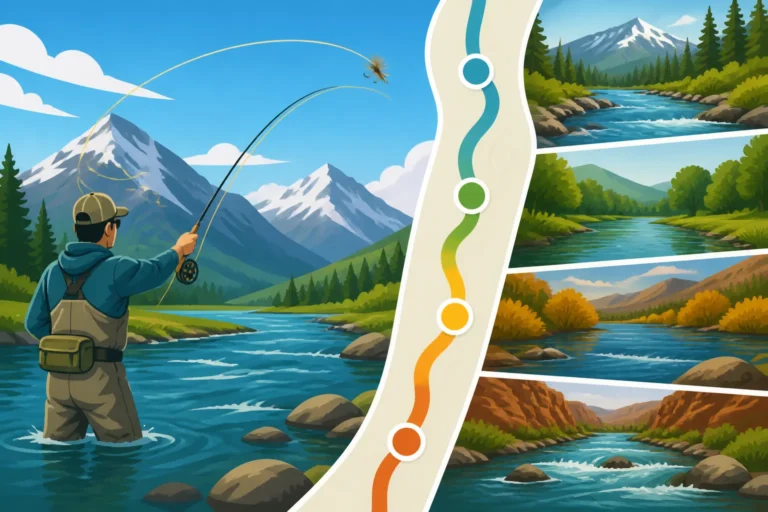
The Uinta Mountains are a fly fisherman's dream, offering incredible opportunities for both stream and stillwater fly fishing. The cool, clear waters and abundant insect life make for excellent dry fly, nymph, and streamer fishing. A 3-weight to 5-weight fly rod, 7.5 to 9 feet long, is usually perfect for this environment. A floating fly line is essential, and you’ll want a selection of leaders and tippet ranging from 4x to 6x.
For stillwater lakes, keep an eye out for insect hatches. Caddis, mayflies, and midges are common, and matching the hatch with appropriate dry flies like Parachute Adams, Elk Hair Caddis, or Griffiths Gnat can lead to explosive topwater action. When fish aren't rising, nymphing with patterns like Prince Nymphs, Hare's Ear, Pheasant Tail, or even a tiny Balanced Leech can be highly productive. Woolly Buggers in black, olive, or brown are also reliable choices, stripped slowly or jigged, mimicking baitfish or leeches. In streams, a dry-dropper rig with a buoyant dry fly supporting a small nymph below is often the most effective way to cover water and present to fish. Understanding the unique challenges and rewards of Utah Fly Fishing Guide can help you refine your techniques for these specific conditions.
Backcountry Considerations and Safety
Venturing into the High Uinta Wilderness requires more than just fishing know-how; it demands respect for the mountains and careful planning. Weather can turn on a dime, with sunny mornings giving way to afternoon thunderstorms, hail, or even snow, even in summer. Always check the forecast, but be prepared for anything. Layered clothing is your best friend, allowing you to adapt to changing temperatures.
Navigation is key in the backcountry. While trails are generally marked, having a map and compass or a reliable GPS device is crucial. Cell service is often nonexistent. Inform someone of your itinerary and expected return time. Bear safety is also a consideration; while black bears in Utah are generally shy, proper food storage in bear-resistant containers or hung from a tree is essential, especially for overnight trips. Carry a first-aid kit, plenty of water or a purification system, and emergency shelter. Even if you're just on a day trip, unforeseen circumstances can arise. FishingBooker might also be a valuable resource for finding experienced local guides who can lead you safely into these more remote areas, ensuring both a successful fishing trip and a secure wilderness experience.
Navigating Regulations and Optimal Times to Visit
Before you even think about packing your bags, understanding the local regulations and knowing the best time to visit is critical for a legal and enjoyable trip. The high Uintas have specific rules and a distinct season.
Understanding Utah Fishing Regulations
First and foremost, everyone aged 12 and older needs a valid Utah Fishing License Guide to fish in Utah, including along the Uinta Highway. Licenses can be purchased online through the Utah Division of Wildlife Resources (DWR) website, at DWR offices, or from various license agents across the state. It's always a good idea to have your license easily accessible, either physically or digitally on your phone, as wildlife officers frequently patrol these areas.
Beyond the license, you need to be aware of general state regulations and any specific rules for individual water bodies. For instance, while many Uinta lakes have a general trout limit, some may have special regulations regarding lure type, bait restrictions, or even catch-and-release only sections. Always check the current Utah Fishing Guidebook published by the DWR before you go. This book details Utah Fishing Regulations Explained, including daily bag and possession limits, special rules for specific waters, and definitions of legal fishing methods. For example, some high-altitude lakes might be designated as "artificial flies and lures only" to protect wild trout populations. It's your responsibility as an angler to know and follow these rules.
Optimal Seasons and Weather Challenges
The Uinta Highway is generally only open and accessible by vehicle from late May or early June, once the snow has melted, until mid-October, when the first heavy snows typically close the pass for the winter. This gives you a relatively short window to enjoy these incredible waters.
- Early Summer (June – Early July): This is often a fantastic time, especially right after ice-off. Fish are usually hungry after a long winter and actively feeding. The weather can be unpredictable, with cooler temperatures and occasional lingering snow patches, but the solitude is often greater. Rivers and streams might still be experiencing spring runoff, making them challenging, but lakes are usually prime. Our guide on When Do High Uinta Lakes Thaw Out for Fishing? provides more specific insights for this period.
- Mid-Summer (July – August): This is the peak season. The weather is generally warm and stable, and all areas are typically accessible. Expect more crowds, especially on weekends, at easily reachable lakes like Mirror Lake. Afternoon thunderstorms are common, so be prepared to take shelter. Fishing can be excellent, particularly early mornings and evenings.
- Fall (September – October): Many consider autumn the absolute best time to fish the Uintas. The crowds thin out, the aspen trees turn brilliant gold and red, and the trout become very active, feeding heavily before winter. The weather is crisp, but snow can start to fall, especially in higher elevations, so watch forecasts carefully. This period offers breathtaking scenery and some of the most rewarding angling. However, keep in mind that many facilities along the highway, such as campgrounds, may start to close down in October. For a general overview of seasonal patterns, consult Best Time of Year to Fish in Utah.
Understanding these seasonal nuances and being flexible with your plans will help ensure a safe, productive, and truly memorable fishing trip along the Uinta Highway Scenic Byway.
Disclaimer
The information provided in this guide is for general informational purposes only and is subject to change. Fishing regulations, season dates, and access can vary. Always consult the latest official Utah Division of Wildlife Resources (DWR) fishing guide and local regulations before planning any fishing trip. Safety in the backcountry is paramount; be prepared for changing weather conditions and emergencies.