How to Rig a Jig for Utah Trout
You've tried the PowerBait, the worms, even the flashy spinners, but those Utah trout sometimes seem to ignore everything you throw at them. It's incredibly frustrating when you know fish are there but just won't bite. If you're looking to switch up your approach and inject some active excitement into your fishing, learning how to effectively rig a jig for Utah trout can be a game-changer, turning those slow days into productive angling adventures.
Understanding Jigging for Trout in Utah
Jigging for trout isn't just another technique; it's a dynamic approach that can unlock bites when more traditional, passive methods fall short. It involves imparting action to a weighted lure, often with a soft plastic or marabou tail, making it dart and undulate in the water. This mimics the erratic movements of baitfish or struggling insects, triggering an aggressive, predatory response from trout that might otherwise ignore static offerings. It's a method that truly engages the angler, requiring a feel for the jig and an understanding of how fish react to its presentation.
The Allure of the Jig: Active vs. Passive Fishing
For many anglers, there's a certain satisfaction in actively working a lure, feeling every twitch and bump as it dances through the water. Unlike setting a bait on the bottom and waiting, jigging demands your full attention, turning fishing into a constant dance between you and the fish. This active engagement allows for immediate feedback; you can feel subtle changes in the water column, detect the lightest of bites, and experiment with different retrieves until you find what the trout are responding to on a given day. It’s particularly rewarding when you crack the code, and the fish start hammering your jig, proving that your technique made all the difference.
Moreover, jigs give you unparalleled control over depth and presentation. You can work them precisely along drop-offs, through weed beds, or right over submerged structures where trout often hide. This precision is difficult to achieve with drifting baits or even many types of casting lures. When you're actively jigging, you are constantly searching, constantly presenting, and constantly learning what the fish prefer. This often translates to more consistent catches, especially in highly pressured waters or when fish are less inclined to chase faster-moving baits.
When Jigs Outperform Other Baits
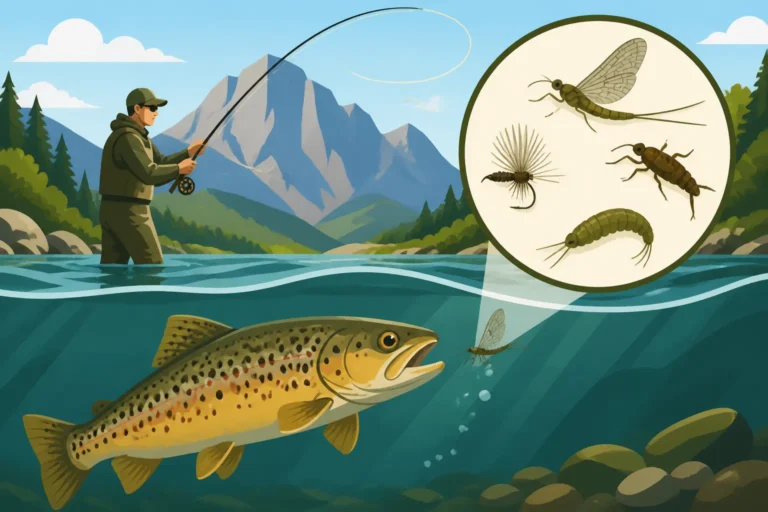
There are specific scenarios where a jig truly shines and often outperforms more traditional trout baits. One such instance is when trout are keyed in on smaller forage, like tiny minnows, scuds, or even aquatic insects struggling near the bottom. Many jigs, especially those with soft plastic bodies, can perfectly imitate these natural food sources, often better than a bulky worm or a static piece of PowerBait. The subtle action of a small jig, twitched gently, can be irresistible to a wary trout.
Another key advantage of jigs comes into play when fishing in colder water, whether that's during the chilly months or in the deeper sections of reservoirs in summer. In cold water, fish metabolisms slow down, and they're often less willing to expend energy chasing fast-moving lures. A jig, worked slowly and deliberately with pauses, allows the fish to approach and strike without a great deal of effort. The enticing fall of a jig, often called "the drop," is frequently when the most aggressive strikes occur. This is especially true for species like lake trout and even larger brown trout, which can be found holding deep in many of Utah's reservoirs. You'd be surprised how often a perfectly presented jig can coax a bite from sluggish trout when nothing else seems to work.
Essential Gear for Jigging Utah Trout
Having the right equipment makes all the difference when you're trying to master jigging for trout. It's not about having the most expensive gear, but rather the right gear that complements the technique. We're talking about sensitive rods, smooth reels, and lines that allow for maximum feel. Skimping on these can lead to missed bites and a lot of frustration, especially when trout are biting subtly. You need to be able to feel that tiny "tick" that signals a trout has inhaled your jig, and that comes down to your setup.
Choosing the Right Rod and Reel Combo
For jigging Utah trout, you're generally looking for a light to medium-light action spinning rod, typically in the 5'6" to 7' range. The key characteristic here is a fast or extra-fast tip. This sensitive tip allows you to impart subtle action to your jig, detect the lightest bites, and transmit that feel directly to your hand. A fast action also provides enough backbone in the lower section of the rod to set the hook firmly and fight a good-sized trout without it feeling overpowered. Brands like Ugly Stik or St. Croix offer excellent options for various budgets, providing that crucial blend of sensitivity and strength. You can often find great deals on versatile trout rods on Amazon, giving you plenty of options.
Pair this rod with a lightweight spinning reel in the 1000 to 2500 size range. A smooth drag system is paramount, especially when fishing with lighter lines, as it prevents break-offs when a feisty trout makes a strong run. A high gear ratio isn't strictly necessary for jigging, as you're often working the lure slowly, but a reliable bail and comfortable handle are important for reducing fatigue during long sessions. Look for reels from reputable brands like Shimano, Daiwa, or Pflueger that are known for their smooth performance and durability. A balanced setup, where the rod and reel feel comfortable in your hand and allow for effortless casting and retrieving, will significantly enhance your jigging experience.
Selecting the Ideal Fishing Line
When it comes to line for jigging trout, sensitivity and low stretch are your best friends. This is where braided line truly shines. A thin, low-stretch braided line, typically 4-8 pound test, offers incredible sensitivity, allowing you to feel every bump, tic, and subtle take. Its low diameter also helps your jig sink faster and provides less water resistance, giving you better control. However, because trout can be line-shy, especially in clear Utah waters, it's crucial to tie on a fluorocarbon leader. A 2-4 pound test fluorocarbon leader, about 2-3 feet long, is practically invisible underwater and provides the necessary abrasion resistance.
If you prefer monofilament, choose a high-quality, low-stretch option in the 4-6 pound test range. Monofilament offers some stretch, which can be forgiving, but it sacrifices a bit of the direct feel that braid provides. Regardless of your main line choice, always use a good quality fluorocarbon leader for trout jigging. A line like Berkley Vanish or Seaguar InvizX is excellent for this purpose, providing that stealth and strength. Proper knots, such as the FG knot or Albright knot for connecting braid to fluorocarbon, are also crucial to ensure you don't lose your jig or a trophy fish. Learning to tie these connections confidently is a valuable skill for any angler.
Anatomy of a Trout Jig: Sizes, Shapes, and Colors
Trout jigs come in a dizzying array of styles, but they all share a basic design: a weighted head with a hook, often adorned with a soft plastic body, marabou, bucktail, or even feathers. For most Utah trout fishing, especially in lakes and reservoirs, you'll be looking at jigs in the 1/32 to 1/8 ounce range, though sometimes larger 1/4 ounce jigs are effective for deeper water or bigger fish. The weight helps them sink quickly and allows for better casting control.
| Jig Component | Description | Common Weights/Sizes | Best Use Case |
|---|---|---|---|
| Jig Head | Weighted lead or tungsten head with a hook. Determines sink rate and profile. | 1/32 oz – 1/8 oz | All-around trout jigging |
| Soft Plastic Body | Small, flexible plastic mimicking minnows, grubs, or worms. | 1.5 – 2.5 inches | Subtle action, colder water, finicky fish |
| Marabou/Feather | Fluffy, pulsing material that creates enticing action with minimal movement. | Varies by jig head | Slow presentations, clear water, "breathing" action |
| Bucktail | Stiffer hair provides a larger profile and more erratic action. | Varies by jig head | Aggressive presentations, bigger fish, imitating baitfish |
| Color | The hue of the jig body or dressing. | Natural (white, grey, black), bright (chartreuse, orange, pink) | Match hatch, water clarity, fish mood |
Shapes can vary from traditional round heads to more specialized darting or stand-up heads. Round heads offer a more natural fall, while darting heads, like those found on some crappie jigs, provide an erratic side-to-side action when twitched. Colors are crucial and can be dictated by water clarity and forage. In clear waters, natural colors like white, black, brown, or olive often excel, mimicking small baitfish or scuds. In murky water or during low light, brighter colors like chartreuse, pink, or orange can provide better visibility and attract attention. It’s always a good idea to have a variety of sizes and colors in your tackle box to adapt to changing conditions and trout preferences. For example, if you're fishing a community pond that's recently been stocked, a brightly colored jig might get more attention than a subtle, natural one.
Mastering the Art of Rigging Your Jig
Rigging a jig might seem straightforward – just tie it on, right? But there are nuances that can significantly impact its action, presentation, and ultimately, your success. The way you attach your jig, whether you add scents or trailers, and even the type of knot you use can all contribute to a more lifelike presentation that tempts even the most hesitant trout. Paying attention to these small details can elevate your jigging game from simply casting a lure to truly enticing a bite.
Attaching Your Jig for Optimal Action
The most common and effective way to attach a jig is with a loop knot, such as the Rapala knot or the Non-Slip Mono Loop. Unlike a tight snug knot that restricts movement, a loop knot allows the jig to swing freely, maximizing its intended darting or pulsing action. This freedom of movement is critical for the jig to perform as designed, giving it that lifelike quality that triggers strikes. Imagine a small fish struggling – it doesn't move rigidly; it darts and twitches with fluidity. A loop knot replicates this.
When tying your loop knot, ensure the loop is just large enough for the jig to move freely without snagging on itself, but not so large that it creates excess slack. For most small trout jigs, a loop about 1/4 to 1/2 inch in diameter is usually sufficient. Another tip: ensure the knot is seated properly on the eye of the jig and not cinched down over the body or soft plastic, which can impede action. For a quick and easy connection, some anglers use a small, high-quality snap swivel, though this can sometimes detract from the natural presentation, especially in very clear water. If you choose a snap swivel, make sure it's as small and light as possible.
Adding Bait or Scent Enhancements
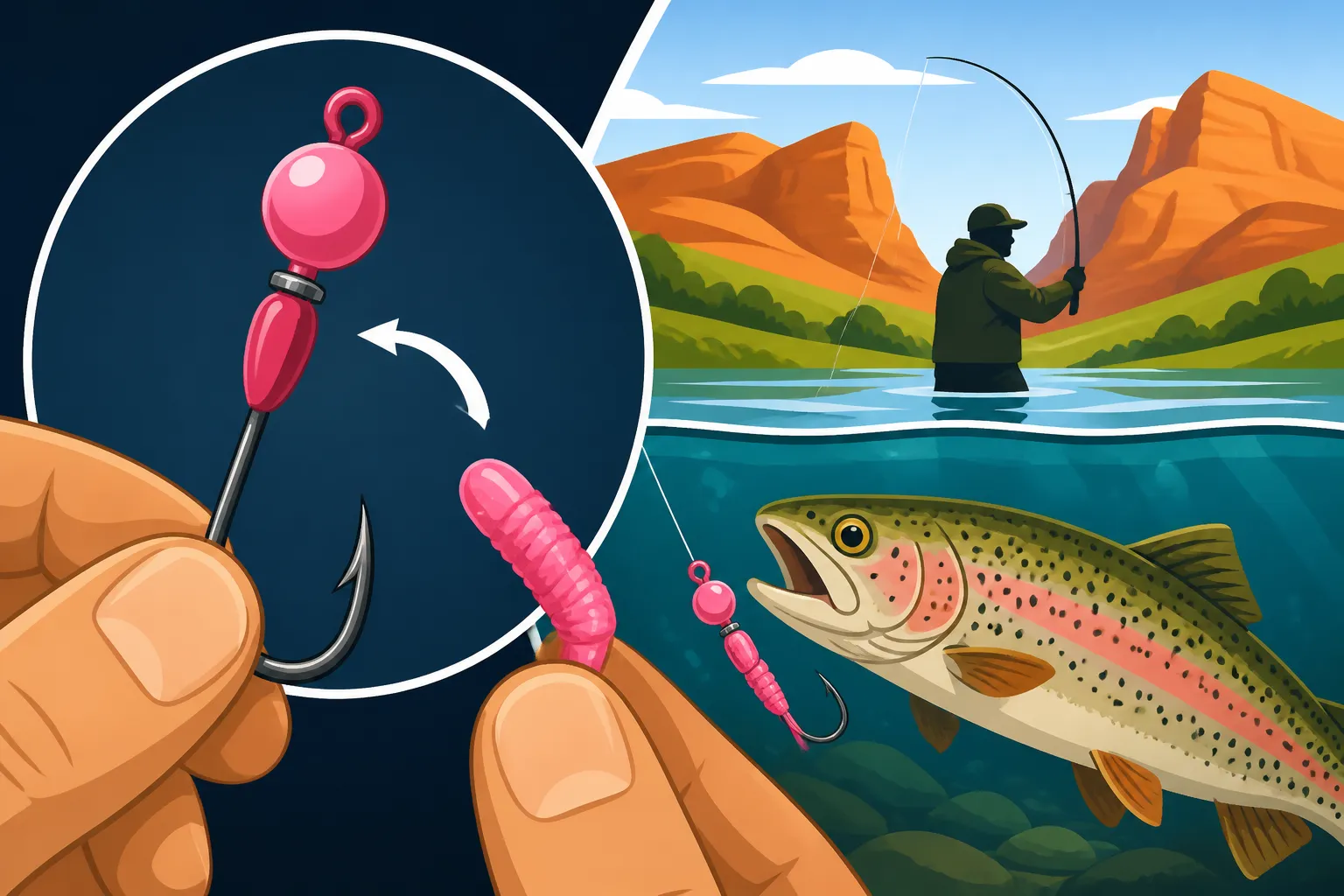
While many jigs are designed to be fished "naked" (without additional bait), there are times when adding a small piece of natural bait or a scent enhancement can significantly boost your success. A tiny piece of a worm, a mealworm, a wax worm, or even a small PowerBait nugget tipped onto the jig's hook can add both natural scent and a visual attractant. This can be particularly effective when fish are finicky or in heavily pressured waters where they've seen every lure under the sun. The natural scent and taste can encourage a trout to hold onto the jig longer, giving you more time to feel the bite and set the hook.
Scent attractants, either applied directly to the jig or infused into soft plastic trailers, are another potent tool. Companies like Pro-Cure or Mike's Salmon Eggs offer various scents that mimic natural forage or even intensify the smell of PowerBait. Simply squeeze a small amount onto your jig's soft plastic body or directly onto the marabou. Reapply every 15-20 casts or when the scent seems to dissipate. These enhancements can turn a hesitant follow into a committed strike, especially if the trout is just nipping at the tail of the jig. The added scent provides that extra trigger, convincing the trout it's a real meal.
The Critical Role of Your Knot Choice
Beyond the loop knot for the jig itself, the knot you use to connect your main line to your leader (if using one) is just as critical. When using braided main line and a fluorocarbon leader, a strong, slim knot that passes smoothly through your rod guides is essential. The FG knot is arguably the strongest and most streamlined knot for this purpose, offering nearly 100% breaking strength. While it can be a bit challenging to learn initially, the effort is well worth it, as it drastically reduces knot failures and allows for longer, smoother casts.
Other reliable choices include the Albright knot or the Double Uni knot. The important thing is to practice these knots at home, ensuring they are tied correctly and securely every time. A poorly tied knot is the weakest link in your entire setup and can cost you the fish of a lifetime. Always test your knots by pulling them firmly before casting. For more guidance, check out our detailed guide on how to tie a basic fishing knot for trout fishing, which covers several essential knots that every angler should know.
Effective Jigging Techniques for Utah Waters
Once your jig is rigged, the real fun begins: presenting it to the fish. Jigging isn't just about dropping a lure in the water; it's about making that lure dance and entice. Different scenarios call for different techniques, whether you're working deep reservoirs or casting along the banks of a community pond. Understanding these variations and knowing when to apply them will drastically increase your hook-up rate.
Vertical Jigging for Deep-Water Trout
Vertical jigging is incredibly effective when trout are holding deep in reservoirs like Strawberry Reservoir or Flaming Gorge, or when ice fishing during the winter. The technique involves dropping your jig directly beneath your boat, kayak, or ice hole and working it with short, sharp lifts and drops of your rod tip. The goal is to make the jig appear like a struggling baitfish or an insect falling through the water column. Often, the strike comes on the fall, so paying close attention as the jig descends is crucial.
Start by letting your jig hit the bottom, then reel up a foot or two. From there, use a rhythmic lift-and-drop motion, typically lifting the rod tip 6-12 inches and then letting the jig fall back on a semi-slack line. Experiment with the length of your lifts, the speed of your drops, and the pauses in between. Sometimes a quick snap, snap, pause works wonders, while other times a slow, methodical rise and fall is better. A fish finder is an invaluable tool for vertical jigging, allowing you to see bait schools, fish arches, and even your jig's presentation, helping you target trout effectively. For those interested in deeper insights, our guide on how to fish deep water for summer lake trout goes into more detail about targeting fish in these challenging conditions.
Casting and Retrieving: Varying Your Presentation
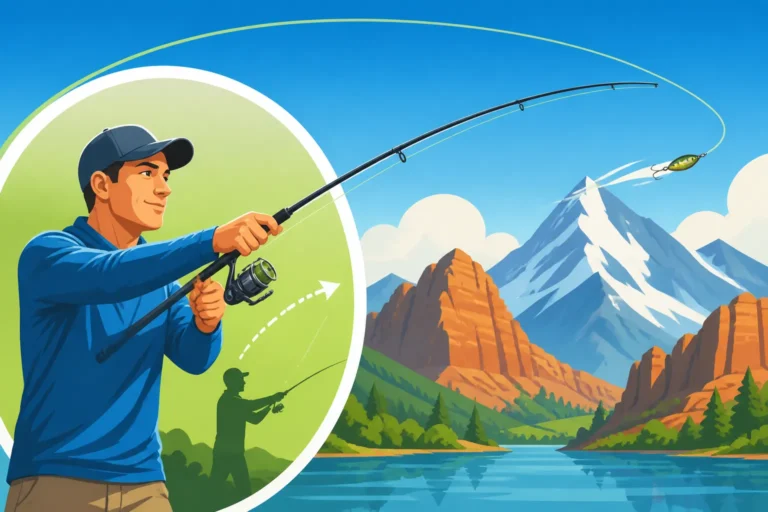
When fishing from shore or covering shallower areas, casting and retrieving your jig is the way to go. This technique allows you to cover more water and present your jig horizontally, mimicking a swimming baitfish. After casting, let the jig sink to your desired depth – near the bottom, suspended in the middle, or just below the surface. Then, begin your retrieve with a series of jerks, pauses, and reels. A common retrieve is a "lift-and-drop" or "twitch-and-pause" motion: lift the rod tip to pull the jig forward, let it fall on a controlled slack line, and then reel up the slack before repeating.
Varying your retrieve is key. Some days, trout want a fast, erratic retrieve; other days, they prefer a slow, subtle approach with long pauses. Pay attention to when you get bites – was it on the fall? During a pause? Or when you started to retrieve again? This feedback tells you what the fish are looking for. Don't be afraid to experiment with different speeds, depths, and durations of pauses until you find the magic formula. Remember, the goal is to make that jig look alive and vulnerable.
Targeting Structure and Cover with Jigs
Trout are ambush predators, and they love to hide around structure and cover, waiting for an easy meal. This makes jigs an excellent choice for targeting these areas. Look for submerged rocks, fallen timber, weed lines, drop-offs, and even bridge pilings. These spots provide cover, shade, and often hold baitfish, making them prime trout habitat. When you're fishing these areas, cast your jig precisely to the edge of the structure or slightly beyond it, then work it slowly and methodically through the fishy zone.
If you're fishing near rocks or timber, be prepared for snags. Use a heavier fluorocarbon leader if necessary, and try to maintain contact with your jig to feel for obstacles. On the Provo River, for example, casting a small jig into deeper pockets and along undercut banks can be incredibly productive for brown trout. The subtle darting action of a jig can draw out wary fish that wouldn't chase a faster retrieve. Consider exploring some of the Best Places to Fish in Utah for specific water bodies that offer excellent structure for jigging trout.
Seasonal Considerations for Jigging Success
Utah's diverse fishing environments mean that trout behavior changes dramatically with the seasons. A technique that's deadly in spring might be ignored in summer, and what works during ice fishing won't cut it in the fall. Adapting your jigging strategy to the time of year is crucial for consistent success. Understanding these seasonal shifts in trout activity and location will empower you to always have a plan of attack.
Spring and Fall: Active Fish, Aggressive Bites
Spring and fall are often considered prime times for jigging trout in Utah. In spring, as ice melts and water temperatures begin to rise, trout become increasingly active, shaking off their winter sluggishness. They move into shallower waters to feed aggressively on emerging insects and baitfish. During this period, jigs that mimic small minnows or aquatic insect larvae can be incredibly effective. Consider using slightly faster retrieves and more erratic jigging motions, as the fish are more willing to chase. The key is to cover water, targeting transition areas where shallow water drops off into deeper sections.
Similarly, in the fall, as water temperatures cool, trout enter a pre-winter feeding frenzy to pack on calories. This is when larger, more aggressive trout are often caught, and they're usually willing to strike a jig with force. Many trout, especially brown trout, will move into river sections or shallower reservoir areas to spawn or feed heavily. Focusing on rocky points, creek inlets, and current seams in rivers with a moderately sized jig can yield fantastic results. This is a great time to experiment with bolder colors like orange or red, which can mimic spawning salmon eggs or crayfish.
Summer Strategies: Deeper Water and Low Light
Summer fishing for trout, especially in warmer Utah valleys, often means adapting to deeper water or targeting low-light conditions. As surface waters heat up, trout retreat to cooler, oxygenated depths. This is where vertical jigging from a boat or kayak really comes into its own. Focus on main lake basins, deep channels, and the deepest parts of reservoir dams. Fish will often suspend at specific depths where the temperature and oxygen levels are optimal. Using a fish finder to locate these thermoclines and baitfish schools is vital.
During summer, consider slowing down your retrieve slightly, even in deeper water. While the fish are still active, they might not be as eager to chase as they were in spring. Subtle jigging motions with longer pauses can be more effective. Early mornings, late evenings, and even night fishing can also be productive during the summer, as trout move into shallower feeding grounds when the sun is off the water. Black or darker-colored jigs can be surprisingly effective in low light conditions, as they create a strong silhouette against the twilight sky or moonlit water.
Winter Ice Fishing with Jigs
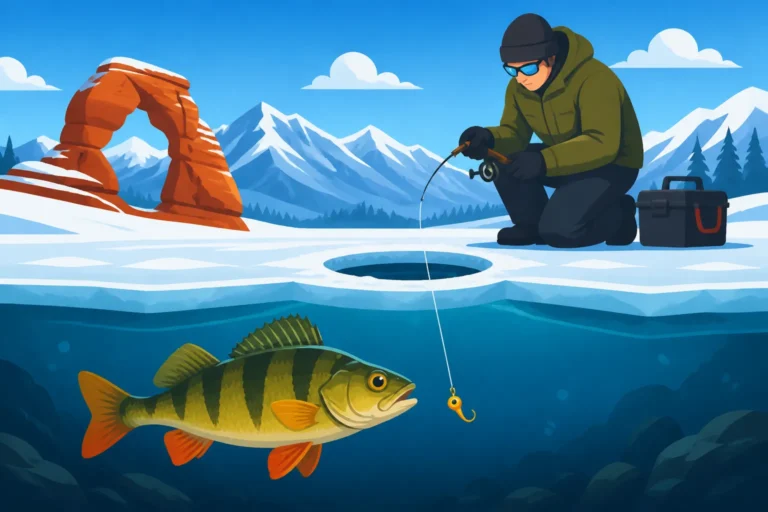
Ice fishing is arguably where jigs truly dominate for trout in Utah. When fishing through the ice, jigs are the primary lure for targeting suspended trout or those hugging the bottom. The vertical presentation is natural for ice fishing, and the subtle action of a small jig can entice lethargic winter trout. Small tungsten jigs tipped with a wax worm, mealworm, or a piece of Berkley Gulp! are incredibly popular and effective. Tungsten jigs, being denser than lead, sink faster and offer more sensitivity in a smaller profile, which can be critical for feeling light bites.
For a deeper dive into this popular winter pastime, our Utah Ice Fishing Guide offers comprehensive tips and techniques. When ice fishing, constantly move from hole to hole if you're not getting bites. Trout often school up in winter, and finding that school is key. Pay attention to changes in depth, structure, and any signs of baitfish on your fish finder. A jig, worked with tiny twitches and long pauses, can often be the only thing a winter trout will consider striking. Don't be afraid to experiment with different jigging rhythms and depths until you find what triggers a bite on a given day.
Troubleshooting Common Jigging Challenges
Even the most seasoned anglers face challenges, and jigging for trout is no exception. There will be days when the fish are finicky, or you're constantly getting snagged. Instead of getting frustrated, learning to identify these issues and having strategies to overcome them is what separates a good angler from a great one. Don't let a slow bite or a lost lure ruin your day; instead, use it as a learning opportunity.
Adjusting for Finicky Bites
When trout are biting very subtly, often just "mouthing" the jig or giving a barely perceptible tap, it can be incredibly frustrating. The first thing to consider is slowing down your presentation. Try longer pauses between twitches, letting the jig sit motionless for several seconds. Sometimes, a trout needs more time to inspect the lure before committing. If you're using a soft plastic, try a smaller profile or a more natural color. Sometimes, the trout are just being picky about the size of their meal.
Another common adjustment for finicky bites is to add a scent attractant or a tiny piece of natural bait, as discussed earlier. The added smell and taste can convince a hesitant trout to hold onto the jig longer, giving you more time to feel the bite and set the hook. Also, ensure your hook is super sharp. A dull hook can lead to missed hooksets, especially when the fish are barely nipping at the lure. If you're still struggling, consider switching to a lighter fluorocarbon leader; sometimes, the visibility of a slightly heavier line can be enough to spook wary trout. For more strategies on dealing with difficult fish, explore our guide on how to adjust technique when fish aren't biting.
Minimizing Snags and Lost Jigs
Jigging, by its very nature, often involves fishing near the bottom or around structure, which significantly increases the risk of snags. Losing jigs can be costly and interrupt your fishing rhythm. One of the best ways to minimize snags is to "feel" your way along the bottom. Instead of letting your jig drag, lift it cleanly over obstacles. If you feel a change in bottom composition or a slight bump, anticipate a snag and lift your rod tip to pull the jig free.
Another strategy is to use an offset worm hook with soft plastics, commonly known as a Texas rig in bass fishing. While not traditional for trout, it can be adapted by skin-hooking the soft plastic's nose and then threading the hook point back into the plastic body, making it weedless. This dramatically reduces snags. If you do get snagged, try flicking your line a few times or giving slack to let the jig float free. If it's still stuck, sometimes approaching the snag from a different angle (if in a boat or kayak) can help dislodge it. Ultimately, fishing near cover means some lures will be lost, so keep a good supply of your favorite jigs on hand. Many affordable jig options are readily available on Amazon, allowing you to stock up without breaking the bank.
Disclaimer
The information provided in this guide is for educational and informational purposes only. Fishing regulations, license requirements, and local conditions can change frequently. Always consult the official Utah Division of Wildlife Resources (DWR) website or current fishing proclamation for the most up-to-date and accurate rules and regulations before heading out on your fishing trip. The author and publisher are not responsible for any incidents, injuries, or legal infractions that may occur from following the advice contained herein. Practice responsible angling and leave no trace.