How to Catch Perch Through the Ice in Utah
If you've ever felt the bite of cabin fever set in during a long Utah winter, or found yourself staring at a frozen lake wondering how anyone even starts to catch fish through a sheet of ice, you're not alone. Ice fishing for perch can seem daunting, but it's actually one of the most rewarding and accessible winter fishing experiences Utah offers. This guide will take you step-by-step through how to successfully locate, target, and reel in abundant perch, turning those chilly days into memorable angling adventures.
Why Perch Make Fantastic Ice Fishing Targets in Utah
There's something uniquely satisfying about ice fishing, and when you add the cooperative nature and delicious taste of yellow perch into the mix, it becomes an absolute winter joy. Utah boasts several fantastic perch fisheries, making them a prime target for ice anglers looking for consistent action and a tasty meal.
The Appeal of Perch on the Ice
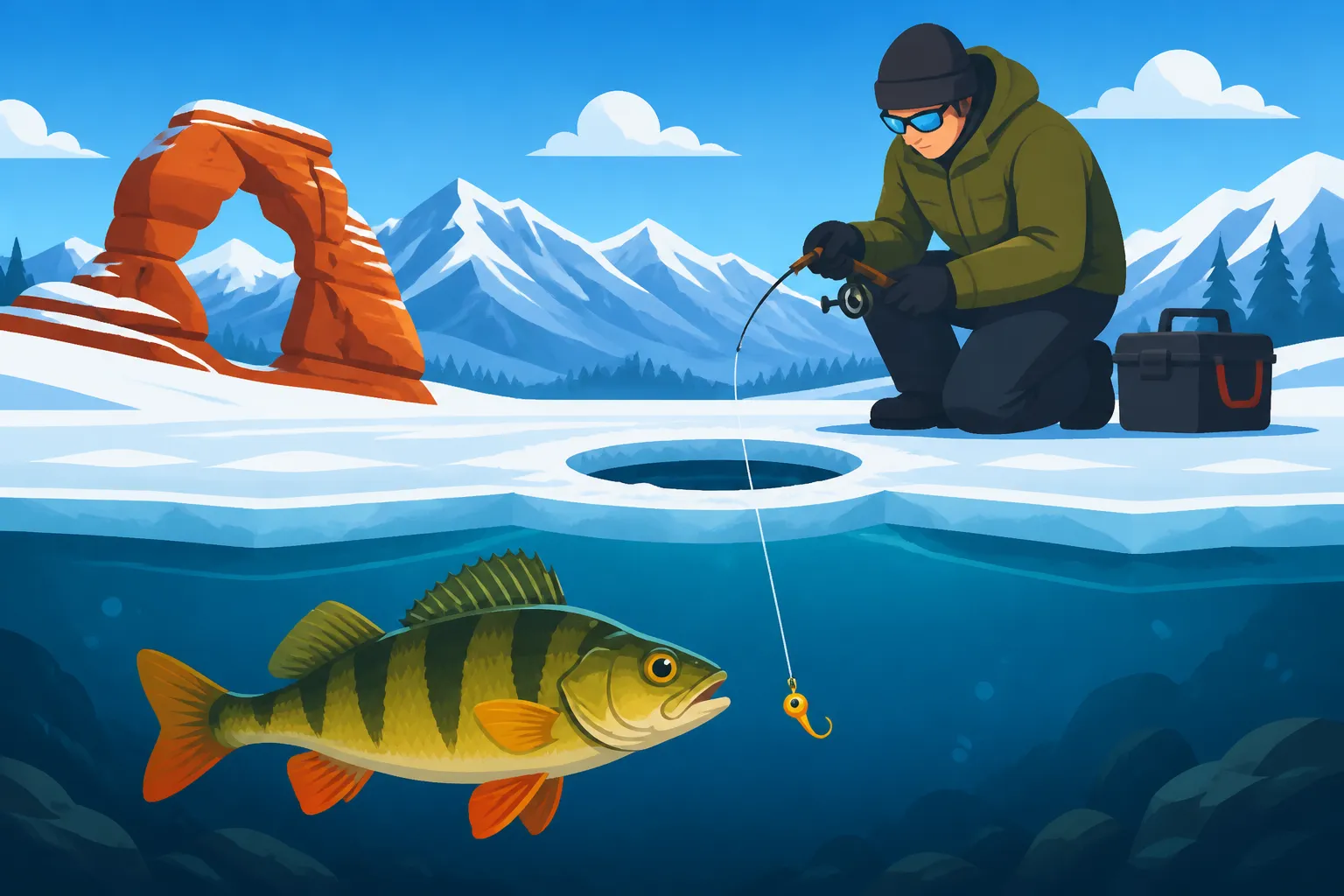
One of the biggest draws of perch for ice anglers is their schooling behavior. Unlike some other species that might be more solitary in winter, perch tend to group up in large numbers. This means that once you find one, you're likely to find many more, leading to fast-paced, exciting fishing. Imagine drilling a hole, dropping your line, and almost immediately getting a bite – that's the kind of action perch can provide! They're not huge fish, typically ranging from 6 to 12 inches, but they put up a spirited fight on light tackle, making every catch feel like a triumph. Plus, their firm, flaky white meat makes for an excellent fish fry, a perfect reward after a cold day on the ice. Waters like Scofield Reservoir and Bear Lake are particularly well-known for their healthy perch populations, offering ample opportunities for a productive outing.
Understanding Perch Behavior in Winter
To consistently catch perch, you need to think like a perch – or at least understand what they're up to beneath the ice. As winter sets in and water temperatures drop, perch become less active than their summer counterparts but still need to feed. They will typically move to deeper parts of the lake or reservoir, often congregating near structure where they can find both food and cover. This structure could be anything from sunken timber and rock piles to gradual drop-offs, old weed lines, or even points that extend into deeper water. They're often found hugging the bottom or suspended just a few feet off it. Their schooling instinct is amplified in winter, which is a huge advantage for you. If you're marking fish on your sonar that look like a dense cloud near the bottom, chances are you've found a school of perch. Remember, the deeper and colder the water, the more subtle their bites might become, requiring a keen eye and sensitive gear.
Essential Gear and Baits for Utah Ice Perch
Having the right equipment is absolutely crucial for ice fishing success, especially when you're targeting perch. You don't need a boatload of expensive, specialized gear, but investing in a few key items will make your experience much more enjoyable and productive.
Rods, Reels, and Line for Perch
For perch ice fishing, sensitivity is the name of the game. You'll want a light to ultra-light action ice fishing rod, typically 24 to 30 inches long. These shorter rods allow for precise jigging movements and are incredibly sensitive, helping you detect those subtle "bumps" or "lifts" that indicate a perch bite. Pair this with a small, lightweight spinning reel (often a 500 or 1000 size) that has a smooth drag. The drag is important because even though perch aren't huge, they can still snap light line if you're not careful.
When it comes to line, keep it light. Fluorocarbon or monofilament line in the 2 to 4-pound test range is ideal. Fluorocarbon is excellent because it's nearly invisible underwater and has very little stretch, enhancing sensitivity. Monofilament is a bit more forgiving with stretch and usually more affordable. Some anglers even spool their reels with braided line for ultimate sensitivity, adding a short fluorocarbon leader to the business end. You can find excellent budget-friendly rod and reel combos for ice fishing on platforms like Amazon, making it easy to get started without breaking the bank. For a deeper dive into rod choices, consider exploring what makes the Best Rod Length for Ice Fishing in Utah.
Top Baits and Lures That Perch Can't Resist
Perch are opportunistic feeders and are rarely picky, which is great news for anglers. However, some baits and lures definitely outperform others when fishing through the ice.
Live Bait:
- Wax worms, mealworms, and maggots: These are absolute perch magnets. Their small size and wiggling action are irresistible. Hook them gently through one end so they can squirm naturally.
- Small minnows: If regulations allow (always check the Utah Fishing Regulations Explained for your specific water body), a small shiner or fathead minnow can be deadly, especially for larger perch. Hook them lightly through the back or lips.
Artificial Lures:
- Small tungsten jigs: Tungsten is denser than lead, meaning a smaller jig can weigh more, getting down to the fish faster. They come in various shapes and colors; bright colors like chartreuse, orange, or pink, and natural tones like black or brown, often work well. Tipping these jigs with a wax worm or a piece of Berkley Gulp! Alive! maggot is a deadly combination.
- Small spoons: Brands like Kastmaster or Swedish Pimple in sizes from 1/16 to 1/8 ounce are effective. Their flash and flutter on the drop often trigger aggressive strikes. Again, tipping with bait increases your chances.
- Small soft plastics: Tiny plastic grubs, worms, or "maggots" on a small jig head can also be very productive. They offer a lifelike profile with minimal effort.
Here's a quick comparison of popular perch baits and lures:
| Bait/Lure Type | Best Use Case | Pros | Cons |
|---|---|---|---|
| Wax Worms | Tipping jigs, dead sticking | Extremely effective, natural appeal | Can be messy, need to stay alive |
| Small Minnows | Larger perch, aggressive fish | Entice bigger bites, lively action | Need aeration, harder to find, regulation check required |
| Tungsten Jigs | Fast drop to depth, subtle presentation | Excellent sensitivity, compact size | Can be expensive, need to be tipped |
| Small Spoons | Aggressive jigging, attracting fish from afar | Flashy, good for active fish, vertical fall | Less subtle, might spook wary fish |
| Soft Plastic Grubs | Versatile, good alternative to live bait | Durable, variety of colors/shapes | Less natural scent/action than live bait |
Finding the Right Ice Fishing Shelter and Auger
Beyond your rod and reel, an efficient auger and a comfortable shelter are game-changers for perch ice fishing in Utah. A quality auger will save you immense effort and frustration, especially when drilling multiple holes to find those schooling perch. You can choose between manual augers, which are lightweight and great for thinner ice or short trips, and power augers (gas or electric), which make quick work of thick ice and are ideal for longer sessions. For help making the right choice, check out our guide on the Best Ice Augers for Utah Ice Fishing.
A portable ice fishing shelter provides a welcome respite from the wind and cold, making your day much more enjoyable. Flip-over style shelters are quick to set up and offer good protection, while hub-style shelters provide more space for multiple anglers. Having a dark interior in your shelter can also help you see your line better, especially for light bites. Many good options, including compact shelters, are available on Amazon for different budgets and needs. When planning your setup, remember to always prioritize safety by understanding How Thick Does Utah Ice Need to Be Before You Can Fish On It? and following all recommended guidelines.
Proven Techniques for Locating and Catching Ice Perch
Finding and catching perch through the ice isn't just about having the right gear; it's also about employing smart techniques. Perch are often on the move, and successful anglers know how to find them and present baits effectively.
Finding Perch Hotspots
The biggest challenge in ice fishing is finding the fish. With perch, it's often a process of drilling multiple holes, covering different depths and structures until you find them. Start by targeting known structure like drop-offs, underwater humps, old weed beds, or points. These are areas where perch naturally congregate. If you're fishing a large reservoir like Strawberry, don't be afraid to move across a flat, drilling holes every 20-30 yards, trying different depths.
This is where electronics become invaluable. A good fish finder (sonar) allows you to see the depth, bottom contours, and most importantly, fish suspended in the water column. You can tell if fish are on the bottom or cruising above it, and how aggressively they're reacting to your lure. Many modern fish finders also show your jig, letting you know exactly where your bait is in relation to the fish. For recommendations on these essential tools, dive into our article on the Best Fish Finders for Ice Fishing in Utah. Without sonar, it's like fishing blind. Drop your lure, watch for marks, and if you don't see anything after a few minutes, move to the next hole. Remember, the key to ice fishing for perch is mobility.
Jigging Strategies for Active Perch
Once you've located a school of perch, your presentation needs to be on point. Perch bites can be subtle, especially in cold water.
- Start Aggressive, Then Go Subtle: When you first drop your jig down, start with a more aggressive jigging motion—lift your rod tip 6-12 inches, then let it fall freely. This flash and movement can attract perch from a distance. If you see fish on your sonar but they aren't committing, scale back your movements. Try short, subtle quivers of the rod tip, just enough to make your bait "dance."
- The Dead Stick: Often, the most effective technique for wary perch is the "dead stick." This involves setting up a second rod in a rod holder (if regulations allow you to use multiple lines, always check Utah Fishing Regulations Explained), letting a bait-tipped jig or small minnow just sit motionless a few inches off the bottom. Perch that are hesitant to chase a jigging lure will often pick up a stationary, natural offering.
- Vary Depth: Even if you're marking fish near the bottom, don't be afraid to experiment with different depths. Sometimes the most active perch are suspended a few feet higher. Slowly reel up your lure a foot at a time, pausing for 10-15 seconds at each depth, to see where the fish are most willing to bite. A common mistake is to only fish right on the bottom.
Managing Your Catch and Limits
When the perch are biting, it's easy to get caught up in the excitement. However, it's important to be mindful of Utah's fishing regulations, particularly daily bag and possession limits. While specific numbers vary by water and species, it's generally good practice to be aware of how many fish you can keep. Always consult the official Utah Daily Bag and Possession Limits for the specific body of water you're fishing before you head out.
To keep your catch fresh for that delicious fish fry, bring a cooler with ice. As you catch perch, immediately place them on ice. This chills the fish quickly, preserving their quality. Some anglers also carry a small bucket of water to keep fish alive until they're ready to clean them at the end of the day. A quick note on cleaning: if you're targeting perch, consider carrying a good fillet knife designed for smaller panfish.
Tips for a Successful and Safe Perch Ice Fishing Trip
Ice fishing, especially for active species like perch, can be an incredibly rewarding experience. But like any outdoor adventure in winter, it comes with its own set of challenges and safety considerations. A little preparation goes a long way in ensuring a fun and safe day on the ice.
Dressing for Utah's Winter Conditions
Utah winters can be unpredictable, ranging from mild and sunny to bitterly cold and windy. The key to staying comfortable on the ice is layering your clothing. Start with a moisture-wicking base layer against your skin to pull sweat away. Add a warm fleece or wool mid-layer for insulation, and finish with a waterproof and windproof outer layer. Don't forget a warm hat, gloves or mittens (often waterproof), and insulated boots designed for extreme cold. Standing on ice all day can make your feet surprisingly cold, even on warmer days. Investing in good ice fishing-specific boots is highly recommended. To ensure you're prepared for whatever the weather throws at you, read our detailed guide on How to Layer Clothing for a Utah Winter Fishing Trip.
It's also a good idea to bring extra layers, even if the forecast looks mild. Weather can change quickly in the mountains, and being able to add or remove clothing is essential for temperature regulation. A portable propane heater in your shelter can make a huge difference in comfort on colder days, just be sure to use it safely with proper ventilation. Staying hydrated is also often overlooked; bring plenty of water or a warm thermos of coffee or hot chocolate. For more practical advice on combating the cold, check out our tips on How to Stay Warm Ice Fishing in Utah.
Ice Safety First
This cannot be stressed enough: ice safety is paramount. Never assume ice is safe just because others are on it or because it's been cold for a while. Conditions can vary widely across a single body of water. Always test ice thickness as you go, especially at the beginning of the season or on unfamiliar waters. A good rule of thumb is at least 4 inches of clear, solid ice for individual foot travel, and more for groups or equipment. Our guide on How Thick Does Utah Ice Need to Be Before You Can Fish On It? provides crucial information on this topic.
Always carry safety equipment such as ice picks (spikes on a string around your neck), a rope, and a flotation device. Never go ice fishing alone. If an accident happens, having a partner can be the difference between life and death. Be especially wary near inlets, outlets, bridges, or areas with current, as these spots often have thinner ice. Always tell someone where you are going and when you expect to return. Before heading out, take a moment to refresh your memory on How to Check Ice Thickness Safely Before Ice Fishing. Local bait shops are often a great resource for current ice conditions and safety tips.
Local Knowledge and Resources
The best way to increase your chances of a successful and safe perch ice fishing trip is to tap into local knowledge. Check online fishing reports from the Utah Division of Wildlife Resources or local fishing forums to get an idea of Where to Find Current Fishing Conditions for Utah Reservoirs and recent perch activity. Many dedicated anglers generously share their experiences and tips.
Visiting a local bait shop before you head out is also highly recommended. The staff are usually avid anglers themselves and can provide up-to-the-minute information on ice conditions, hot spots, and what baits are currently working best. They can often point you toward specific areas where perch schools have been located. Remember that regulations can change, and checking with local resources ensures you're always compliant with the most current rules. Happy fishing, and tight lines!
Disclaimer
This article is for general informational purposes only and does not constitute professional advice. Laws, prices and regulations vary by location and change over time. Consult a qualified professional for guidance on your specific situation.