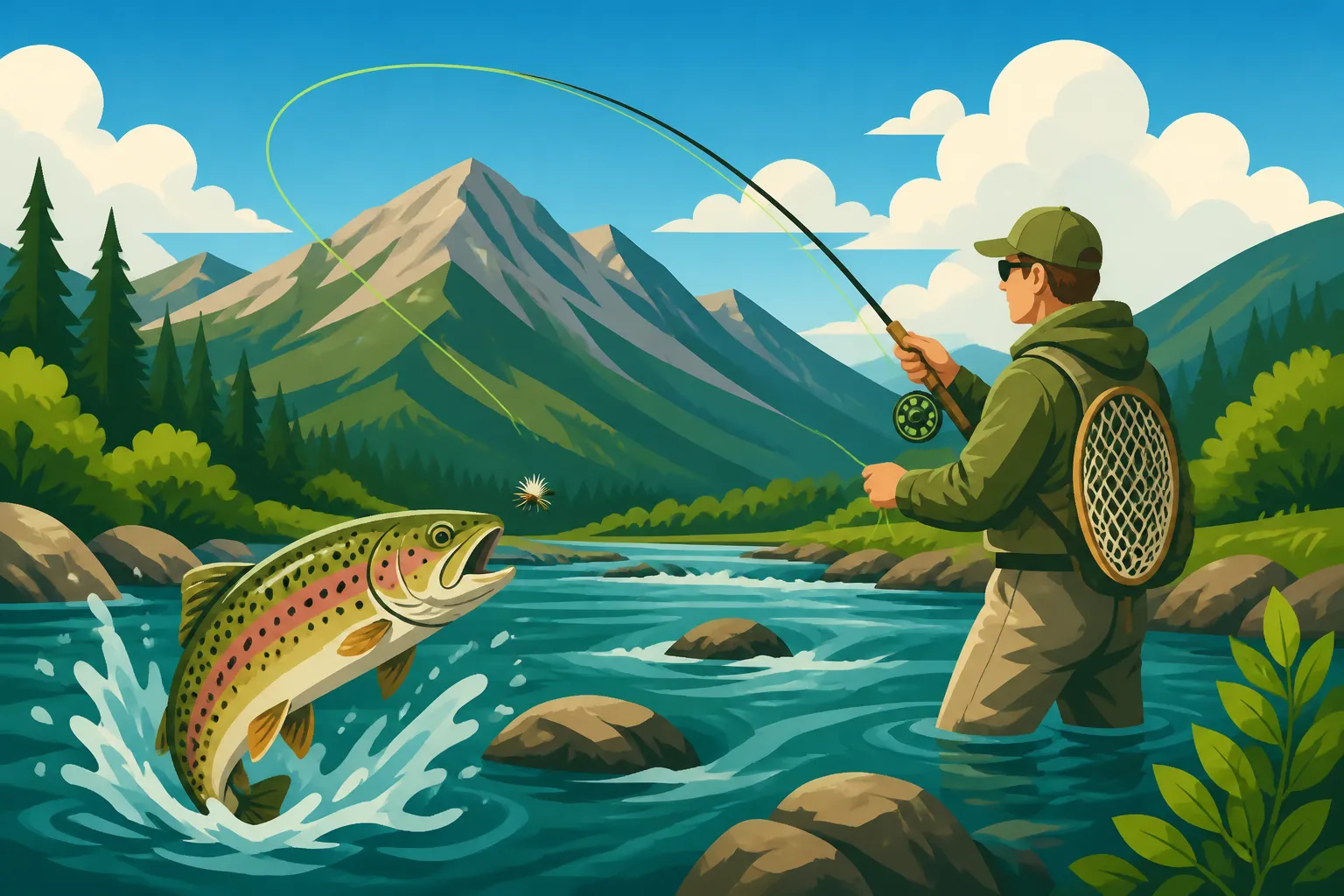
How to Fly Fish the Provo River
If you've ever stood on the banks of the Provo River, rod in hand, and felt a mix of excitement and sheer intimidation, you're not alone. This isn't just another pretty stream; it's a world-renowned fly-fishing destination, brimming with smart, often finicky trout. But don't let its reputation scare you off. This guide is here to break down the secrets of how to fly fish the Provo River, transforming that intimidation into confidence and helping you hook into some truly memorable fish.
Deciphering the Provo River's Diverse Personalities
The Provo River isn't a single, uniform entity; it's a collection of distinct personalities, each offering its own challenges and rewards to the fly angler. Understanding these different sections is the first step to unlocking its secrets.
Upper, Middle, and Lower Provo: Distinct Challenges and Rewards
Let's talk about the distinct experiences you'll find as you move along this incredible waterway.
The Upper Provo River, generally upstream from Jordanelle Reservoir, is often overlooked by anglers flocking to the more famous sections. Here, the river is smaller, wilder, and often feels more intimate. You'll find a mix of wild brown trout and some stocked rainbows, though they typically aren't as large as those found further downstream. Access can be a bit trickier, often involving hiking through national forest lands or along private property boundaries, which means fewer crowds. It's a fantastic place for those who prefer solitude and don't mind targeting smaller, but feisty, fish. However, be aware that sections of the Upper Provo, particularly above Soapstone campground, are often closed to fishing during specific periods to protect spawning Bonneville cutthroat trout, so always check current regulations.
Then there's the beloved Middle Provo River, stretching from Deer Creek Reservoir upstream to Jordanelle Reservoir. This is the crown jewel, the section that has earned its "Blue Ribbon" designation. It's famous for its abundant population of large, healthy brown and rainbow trout, many of which are wild and have grown accustomed to a steady diet of insects. The flows here are largely controlled by the dams, which creates a more stable environment for aquatic insect life and, consequently, robust fish populations. However, this popularity means it can get incredibly crowded, especially on weekends and during prime hatches. Anglers here need to bring their A-game in terms of stealth, presentation, and fly selection. The fish in this section have seen it all, so meticulous attention to detail is paramount. You'll find numerous public access points along Highway 189 and through Provo Canyon.
Finally, we have the Lower Provo River, which flows downstream from Deer Creek Reservoir through Provo City before emptying into Utah Lake. This section undergoes significant changes as it winds through urban and agricultural areas. The water tends to be warmer and slower, particularly in the lower stretches, and while it still holds good numbers of trout (especially rainbows near the dam and in city parks), you'll also encounter other species like carp and catfish. The urban sections can offer surprisingly good fishing, often with easy access, but it's a different game than the Middle Provo. Trout here might be less wary but also less concentrated. It's a great option for a quick after-work trip or for beginners looking for more accessible water.
Understanding the Flows: How Water Levels Dictate Your Approach
The Provo River's character is heavily influenced by its dams, specifically Jordanelle and Deer Creek Reservoirs. These reservoirs act like giant spigots, controlling much of the river's flow throughout the year. This dam-controlled environment means that while the river benefits from more stable temperatures and consistent water levels that support rich insect life, it also means that releases can change rapidly.
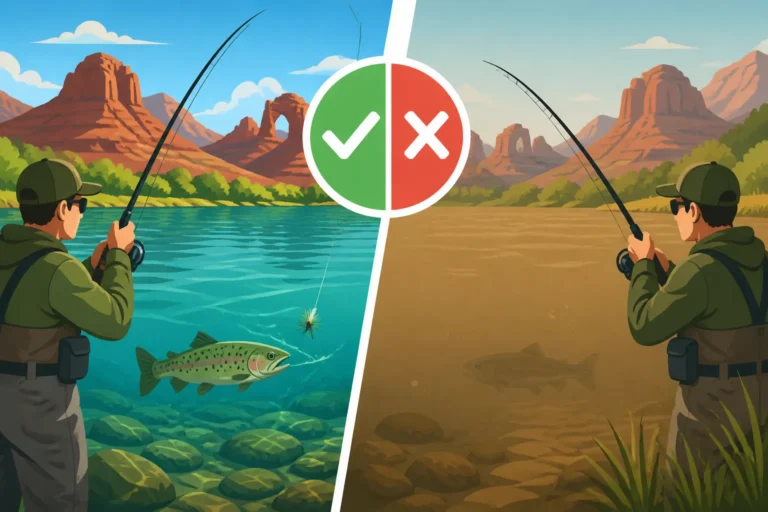
Monitoring the current flow rates, typically measured in cubic feet per second (CFS), is absolutely critical for planning your trip. You can often find this information on the U.S. Geological Survey (USGS) website or through local fly shops. High flows can mean treacherous wading and fish pushed to the banks or deeper pockets, while low flows can make fish incredibly spooky and expose more of the riverbed, concentrating fish but also making them more vulnerable to predation and angler pressure. Sudden changes in flow can also put fish off the bite temporarily. Beyond the dam releases, the Upper Provo, and even some tributaries feeding the Middle Provo, experience natural spring runoff. This can bring high, muddy water for weeks, making fishing difficult, but it also cleanses the river and replenishes its vitality. Understanding these dynamics is key to knowing where to cast your line and what tactics to employ.
The Provo's Prize Fighters: Trout Species You'll Encounter
The Provo River is renowned for its diverse and robust trout population, offering anglers the chance to tangle with several exciting species. The sheer resilience and beauty of these fish are a major draw.
The undisputed king of the Provo is the Brown Trout. These wild, wary, and often elusive fish are native to Europe but thrive in the Provo's cold, oxygenated waters. Browns are known for their beautiful golden flanks, red and black spots, and aggressive feeding habits, especially as they grow larger. They are particularly abundant in the Middle Provo and can be found hiding under undercut banks, in deep pools, or behind large rocks, always on the lookout for an easy meal. Catching a large wild brown on the Provo is a true accomplishment, requiring skill, stealth, and a bit of luck. These fish are incredibly smart and can be very selective.
You'll also frequently encounter Rainbow Trout in the Provo, especially in the Middle and Lower sections. While some wild rainbows exist, many are stocked by the Utah Division of Wildlife Resources to supplement populations and provide additional angling opportunities. Stocked rainbows tend to be a bit less wary than their wild brown counterparts and are often more willing to take a variety of flies. They're strong fighters and a blast to catch, providing consistent action for anglers. Many of the bigger fish in the Middle Provo are often hefty rainbows that have grown considerably since their stocking.
Occasionally, anglers might also encounter Cutthroat Trout, or more commonly, Cutthroat/Rainbow Hybrids in certain sections, particularly upstream in the Upper Provo or closer to reservoir inlets. The Bonneville cutthroat trout, Utah's state fish, is a native species, and efforts are often made to protect and restore their populations. Identifying these species can sometimes be tricky, but regardless of the exact lineage, all Provo River trout are powerful, beautiful fish that demand respect and careful handling, especially when practicing catch and release.
Equipping Yourself for Provo River Success
Getting your gear dialed in is critical for fly fishing the Provo River. The right setup can make all the difference between a frustrating day and a fantastic one.
Rods, Reels, and Lines: The Foundation of Your Setup
Choosing the right rod, reel, and line for the Provo River is foundational to your success. For most of the Provo, a 9-foot, 4-weight or 5-weight fly rod is the absolute sweet spot. A 4-weight offers a delicate presentation for smaller dries and nymphs, which is often crucial for the wary trout in the Middle Provo, while a 5-weight provides a bit more versatility for casting heavier nymph rigs, streamers, or handling larger fish in windy conditions. If you're primarily nymphing or fishing larger streamers in the Middle Provo, a 9'6" or 10-foot rod can give you better line control and easier mends.
When it comes to reels, a reliable disc drag system is what you want. You don't need to break the bank, but a smooth drag is important for fighting those surprisingly strong Provo River trout. Brands like Orvis, Redington, and even some more budget-friendly options found on Amazon offer excellent choices that will serve you well. The reel's primary purpose is to hold your line, but a good drag will prevent break-offs when a big brown decides to make a run.
For fly line, a weight-forward floating line is the standard workhorse for the Provo. It allows for easy casting of most nymph and dry fly setups. For those days when you're dedicated to streamer fishing, especially for larger browns, a sink-tip or full sinking line can be incredibly effective at getting your fly down to the fish quickly. Having a spare spool with a different line type can be a game-changer if you plan to switch between techniques during your outing. For the Middle Provo's clear water and spooky fish, consider a line with a muted color to avoid spooking fish.
Waders and Footwear: Staying Warm, Dry, and Safe
Wading the Provo River, particularly the Middle Provo, is an essential part of accessing prime fishing lies. Therefore, high-quality waders and sturdy wading boots aren't just a comfort; they're a necessity for safety and success.
For most of the year, breathable waders are your best friend. They prevent you from overheating during warmer months but can be layered with warm clothing underneath for colder days. In the depths of winter, or if you're particularly susceptible to cold, neoprene waders might offer superior warmth, though they can be bulky. Look for waders with reinforced knees and seams for durability, as you'll be navigating rocky riverbeds and brushy banks. Investing in a good pair from brands like Simms, Patagonia, or Orvis will save you a lot of discomfort in the long run.
Your wading boots are just as critical. A good pair offers excellent ankle support and traction. You'll generally choose between felt soles and rubber soles. Felt soles provide superior grip on slick, algae-covered rocks, which are common in the Provo. However, felt can also transport aquatic invasive species, so if you fish other waters, rubber soles might be preferred, especially if paired with studs. Many anglers opt for rubber soles with screw-in studs for the best of both worlds – grip on slick rocks and reduced AIS risk. Always ensure your boots fit well with your waders' booties to prevent blisters.
Finally, never underestimate the importance of a wading staff. The Provo can have deep pockets and slick, uneven bottoms, making a staff a crucial safety tool. It helps you maintain balance, probe uncertain depths, and provide stability against strong currents. Layering your clothing underneath your waders is also key: moisture-wicking base layers, insulating fleece, and a waterproof shell (if not already part of your waders) will keep you comfortable in Utah's often unpredictable weather. Don't forget a warm hat and gloves for colder days.
Your Fly Box Arsenal: Essential Patterns for Every Season
When you're fly fishing the Provo River, having a well-stocked fly box is like having a secret weapon. The fish here can be incredibly selective, especially when specific hatches are occurring. You need a diverse selection of flies to "match the hatch" or at least present a reasonable imitation.
For nymphs, which are consistently productive on the Provo, you'll want to carry an array of patterns in various sizes (typically #16-#22). Staples include the Zebra Midge (black, red, olive), Tungsten Perdigon Nymphs, Pheasant Tail Nymphs, Hare's Ear Nymphs, Prince Nymphs, and Sowbugs. These imitate the aquatic insect larvae that make up a large portion of the trout's diet. Don't forget some small scud patterns, particularly if you're fishing slower sections or around weed beds. Having these in different bead colors (gold, silver, black) and weights is also important. For some of the best fly patterns and sizing, you can always check out Best Nymph Patterns for Utah Tailwaters.
When the fish are looking up, your dry fly selection becomes paramount. While nymphing is often the bread and butter, nothing beats the thrill of a fish rising to your dry fly. Key patterns include Parachute Adams (various sizes #14-#22 for mayfly emergers), Elk Hair Caddis (#14-#18 for caddis hatches), and Griffith's Gnats (#18-#22 for midge clusters). During summer, don't forget terrestrial patterns like foam hoppers, ants, and beetles (sizes #10-#16), as these can be incredibly effective when grasshoppers or other land insects fall into the water. Knowing What Flies Work Best on the Provo River in Spring? and What Flies Work Best on the Provo River in Fall? will give you a significant advantage.
Finally, for chasing bigger, more aggressive brown trout, a selection of streamers is a must. Woolly Buggers (black, olive, brown, white, in sizes #4-#10) are the ultimate versatile streamer. Other effective patterns include Sculpzillas, Sex Dungeons, and various baitfish imitations. These flies mimic baitfish or larger aquatic insects and can provoke a predatory strike, especially during low light conditions or when fish aren't actively feeding on smaller insects. Check out How to Fish a Streamer for Brown Trout in Utah for more in-depth strategies.
Here's a quick rundown of some essential Provo River fly patterns by type:
| Fly Type | Essential Patterns (Sizes) | Best Seasons/Conditions | Notes |
|---|---|---|---|
| Nymphs | Zebra Midge (Black, Red, Olive) (#18-22) | Year-round, especially cold weather | Trout diet staple, often fished in tandem. |
| Pheasant Tail Nymph (Natural, Black) (#16-20) | Year-round, consistent producer | Imitates various mayfly nymphs. | |
| Hare's Ear Nymph (Natural, Olive) (#14-20) | Year-round, particularly good in spring | Excellent generalist, buggy profile. | |
| Tungsten Perdigon Nymphs (Various) (#16-20) | Fast water, deep slots, all seasons | Sinks fast, modern effective pattern. | |
| Sowbug / Scud Patterns (#16-20) | Slower water, weed beds, tailwater sections | Key for bottom feeders, especially in Middle Provo. | |
| Dry Flies | Parachute Adams (#14-22) | Spring, Summer, Fall (Mayfly hatches) | The ultimate generalist dry fly, represents many species. |
| Elk Hair Caddis (Tan, Olive) (#14-18) | Spring, Summer, Fall (Caddis hatches) | Excellent attractor, good floatation. | |
| Griffith's Gnat (#18-22) | Winter, Early Spring, anytime midges cluster | Best for midges, a reliable small fly. | |
| Foam Hopper / Ant Patterns (#10-16) | Summer, early Fall (Terrestrial season) | Big meal, triggers aggressive strikes, especially in grassy areas. | |
| Streamers | Woolly Bugger (Olive, Black, Brown) (#4-10) | Year-round, low light, high water, aggressive fish | Mimics baitfish and leeches, very versatile. |
| Sculpzilla / Articulated Streamers (#4-8) | Low light, fall spawning, for trophy browns | Larger profile, imitates sculpins, often for aggressive takes. |
Navigating the Provo: Proven Techniques for Every Condition
Once you have your gear in order, it's time to talk tactics. The Provo River demands a versatile approach, as fish behavior can change rapidly with conditions.
The Nymphing Game: Getting Down to Where the Fish Are
Nymphing is, without a doubt, the most consistently productive technique on the Provo River, especially in the Middle Provo's tailwater section. Trout spend the vast majority of their time feeding on subsurface insects, making nymphs the primary food source. Your goal is to get your imitation down to their feeding zone, which often means on or near the bottom.
The most common approach is indicator nymphing, also known as bobber nymphing. This involves using a strike indicator (a small bobber) to suspend your fly or flies at a specific depth. The key is to set your indicator depth so your flies are drifting just above the riverbed, where trout hold and feed. This usually means a depth of 1.5 to 2 times the actual water depth. You'll often run a two-nymph rig, with a heavier "point" fly to help get down and a lighter "dropper" fly behind it. Common mistakes include not using enough weight (split shot or tungsten-beaded flies) to get your flies deep enough, or not achieving a drag-free drift. Any drag on your indicator will cause your flies to move unnaturally, making them unappealing to picky trout. Mastering the mend (repositioning your line upstream) is crucial for keeping your indicator and flies drifting at the same speed as the current.
For a more advanced and incredibly effective technique, particularly in the Middle Provo, consider Euro nymphing (or tight-line nymphing). This method removes the indicator, relying instead on a specialized leader and direct contact with your flies to detect subtle takes. It allows for superior depth control and unparalleled sensitivity to even the lightest bites. While it has a steeper learning curve, it can be deadly effective, especially in faster currents or when fish are holding in complex lies. Whichever method you choose, remember that presentation is everything. A natural, drag-free drift is far more important than the exact fly pattern.
The Thrill of the Dry Fly: Surface Action on the Provo
While nymphing often puts the most fish in the net, there's nothing quite like the heart-stopping thrill of a trout rising to sip your dry fly from the surface. Dry fly fishing on the Provo is all about timing, conditions, and precise presentation.
Dry fly opportunities on the Provo are usually dictated by insect hatches or terrestrial activity. Hatches can occur throughout the year, with midges in winter, blue-winged olives (BWO) and caddis in spring and fall, and various mayflies in summer. Knowing How to Match the Hatch on the Provo River is a game-changer. When a strong hatch is on, you'll see trout actively rising, often in consistent patterns. This is your cue to put on a dry fly that accurately imitates the size, shape, and color of the natural insects.
Beyond hatches, summer months bring fantastic terrestrial fishing. Grasshoppers, ants, and beetles often fall into the river, providing a substantial meal for opportunistic trout. Casting a foam hopper pattern along grassy banks or under overhanging vegetation can lead to explosive strikes.
The key to successful dry fly fishing on the Provo is stealth and a drag-free drift. Trout have excellent eyesight, and any unnatural movement of your fly (known as drag) will send them scurrying. You need accurate casts that land gently, upstream of the rising fish, allowing your fly to drift naturally over its feeding lane. Leaders should be longer and thinner (5X-7X tippet) to avoid spooking fish. Patience is also a virtue; observe the rises, understand the fish's feeding rhythm, and then present your fly with utmost care.
Stripping Streamers: Hunting for Bigger Browns
If you're looking to target the Provo River's larger, more aggressive brown trout, particularly during specific times of the year, then streamer fishing is a technique you absolutely need in your arsenal. This method is all about provoking a predatory response from fish, rather than simply imitating their insect diet.
Streamers are flies designed to imitate baitfish, leeches, or other larger prey items. They are generally larger and bulkier than nymphs or dry flies. The most versatile streamer is the Woolly Bugger, but patterns like Sculpzillas, Sex Dungeons, and various articulated baitfish imitations can also be incredibly effective. To learn more about specific patterns and techniques, consider How to Fish a Streamer for Brown Trout in Utah.
When to deploy streamers? They shine during low-light conditions (early morning, late evening, or overcast days) when large trout are more likely to be actively hunting. They are also highly effective during higher flows or slightly off-color water when trout's visibility is reduced, and they rely more on vibration and profile. Fall, during the brown trout spawning run, can also be an excellent time to fish streamers, as large males become territorial and aggressive.
The technique typically involves casting your streamer across or slightly upstream, allowing it to sink, and then stripping it back in various retrieve speeds and patterns to mimic a swimming baitfish. Experiment with slow, erratic strips, or quick, aggressive pulls. You're trying to make the fly look like injured prey. Often, the strike will be sudden and violent, so be prepared! This is a technique that can be frustrating at times, but when it connects, it often connects with the biggest fish in the river.
Reading the Water and Finding Fish
Becoming a successful Provo River angler means learning to "read the water" – understanding where fish are likely to hold, feed, and feel safe. It's like becoming a detective, piecing together clues the river provides.
Identifying Prime Holding Lies
Trout, like all fish, are looking for a few key things: food, cover, and comfortable water temperature/oxygen levels. Prime holding lies are spots in the river that offer at least two of these, often all three.
Look for areas with structure: large rocks, fallen trees, logjams, and especially undercut banks. These provide immediate cover from predators and strong currents, creating ideal ambush points for feeding. Fish will often hold in front, behind, or directly under these features. Riffles and runs are excellent feeding areas; the broken surface water provides cover from overhead predators, and the current brings a conveyor belt of food. Trout will position themselves just out of the main current, in the "sweet spot" where food drifts by with minimal energy expenditure.
Deep pools offer safety and often hold larger fish. While the entire pool might look tempting, focus on the deeper sections, the head of the pool (where the current slows), and the tailout (where it speeds up again). Any distinct change in the riverbed or bank contour, such as a drop-off or a shelf, will concentrate fish. Don't overlook the margins either – shallow pockets and seams along the bank can often hold surprisingly large fish, especially during hatches or when terrestrials are active.
Understanding Currents and Seams
The way water moves in the river is paramount to understanding where fish position themselves and how to present your fly effectively. Currents and seams are the river's highways and resting spots.
Fast water sections, or riffles, are oxygen-rich and often productive, but fish won't hold directly in the strongest current unless they're actively feeding in a burst. Instead, they'll find "lanes" or "slots" where the current is slightly slower, allowing them to conserve energy while waiting for food.
Seams are the boundary lines where fast water meets slow water. These are incredibly productive areas. Think of the inside bend of a river, where the current is slower, forming a seam with the faster current on the outside bend. Or the area directly behind a large boulder, where a calm eddy forms. These seams act as natural conveyor belts, funneling food directly to waiting trout while offering them a place to rest. Learning to identify these seams and position yourself to cast into them is a fundamental skill.
Eddies, which are swirling pockets of slower water often found behind obstacles or in calmer bays, can also hold fish. Food can get trapped in eddies, making them feeding grounds, but fish in these areas might be more spooky due to less broken water. Your ability to cast into these currents and achieve a drag-free drift that mimics natural food movement is what separates consistently successful anglers from others.
Approaching the River Stealthily
The Provo River's trout, especially the wild browns in the Middle Provo, are notoriously wary. They are often pressured, and their survival depends on being hyper-aware of their surroundings. Therefore, stealth is not just a suggestion; it's a non-negotiable requirement for success.
Your approach to the river should be like that of a hunter stalking prey. Avoid heavy footsteps on the bank that can send vibrations through the water. Walk softly, especially when approaching a potential fishing spot. Keep a low profile; standing tall on the bank, silhouetted against the sky, will immediately put fish on alert. If you can, approach from downstream or use natural cover like bushes and trees to break up your outline.
Wading carefully is also essential. Shuffle your feet rather than stomping, and avoid kicking up silt, which can obscure your flies and signal your presence. Look for deeper water or pockets where fish might be holding before you even cast. Often, the best approach is to observe the water for several minutes from a distance before making your first cast. Look for rises, fish flashing, or subtle signs of life. Once you've identified a likely lie, plan your cast to minimize false casts and land your fly gently and accurately on the first attempt. Remember, on the Provo, the fish often know you're there long before you know they are.
Mastering the Provo Season by Season
The Provo River offers year-round fly-fishing opportunities, but success often hinges on adapting your strategies to the changing seasons and the unique challenges each brings.
Spring Runoff and Early Season Challenges
Spring on the Provo River, particularly in April and May, can be a tale of two rivers. Early spring, just after ice-off, can offer fantastic fishing as trout become more active after winter's dormancy. Midges and early-season Blue-Winged Olive (BWO) hatches can provide excellent dry fly opportunities on warmer, overcast days. Nymphing remains highly effective, with patterns like Zebra Midges, Pheasant Tails, and scuds being top producers.
However, as the snow melts in the high country, the Provo experiences spring runoff. This is when mountain tributaries swell, turning the river into a powerful, often muddy torrent. During peak runoff, fishing can become extremely challenging, if not impossible, due to high, turbid water. Fish will often hold tight to the banks in slower eddies or seek refuge in clearer side channels if available. Your best bet during this time is to fish the calmer, more accessible sections, focusing on heavier nymph rigs or larger streamers that present a more substantial profile in reduced visibility. Knowing how Runoff Affects Utah River Fishing is essential. Look for areas where feeder creeks run clear or tailwaters just below dams that might have more consistent flows. Sometimes, a short window of fishable water can emerge on the tailwater sections even during heavy runoff upstream.
Summer Flows and Terrestrial Action
Summer on the Provo River, from June through August, generally brings stable flows (thanks to the dams) and warmer temperatures, making it a fantastic time for a variety of techniques. Early mornings and late evenings are often the most productive for dry fly fishing as trout rise to feed on hatches or terrestrials. During the day, nymphing remains the most consistent producer, especially in deeper runs and riffles.
This is prime time for terrestrial patterns – think grasshoppers, ants, and beetles. As the weather warms, these land insects inevitably find their way into the river, providing a protein-rich meal for opportunistic trout. Casting hopper patterns along grassy banks or near overhanging trees can lead to explosive strikes. Caddis hatches are also common in summer, and a well-presented Elk Hair Caddis can be deadly. Pay close attention to the warmest parts of the day; trout might become sluggish during peak heat, preferring to feed in the cooler parts of the day. Consider fishing sections with more shade or targeting faster, more oxygenated water. To maximize your chances, understanding the Best Time of Day to Fish for Utah Trout in summer is key.
Fall Spawning Runs and Trophy Opportunities
Fall on the Provo River, typically September and October, is arguably one of the most exciting times to fish, especially if you're targeting trophy brown trout. As temperatures cool and days shorten, brown trout become increasingly aggressive in preparation for their spawning season.
This period offers fantastic opportunities for streamer fishing. Large, aggressive brown trout, particularly males, become territorial and will readily strike at baitfish imitations or larger buggy patterns. Casting and stripping streamers through deeper pools, around structure, and along undercut banks can yield impressive results.
While the brown trout are getting ready to spawn, it's also important to be mindful of redds. These are the gravel beds where trout lay their eggs, visible as cleaner, lighter patches on the river bottom. Avoid wading on or disturbing redds, as this can destroy eggs and future fish populations. Also, intentionally targeting actively spawning fish on redds is generally frowned upon in the fly-fishing community and can be detrimental to the fishery. Instead, focus on aggressive pre-spawn fish or those feeding in nearby runs. This is also a great time for BWO and midge hatches, so keep your nymph and dry fly boxes stocked with appropriate patterns. The vibrant fall foliage against the river makes for a truly beautiful angling experience.
Winter Tailwater Tactics
Don't hang up your waders just because winter arrives! The dam-controlled Middle Provo River remains an excellent fishery throughout the colder months. The consistent water releases from Deer Creek and Jordanelle Reservoirs mean that water temperatures remain relatively stable, preventing the river from freezing over in most sections.
Winter fly fishing on the Provo is all about small flies, light tippets, and slow presentations. Trout become less active and more concentrated in deeper, slower pools and runs. Their metabolism slows, and they feed more subtly. Midges become the dominant food source, and carrying an array of Zebra Midges, Griffith's Gnats, and other tiny midge patterns (sizes #18-#24) is crucial. Fishing tandem nymph rigs with a heavy anchor fly and a smaller midge dropper is a very effective strategy. For an understanding of what works best, consult What Flies Work Best on the Provo River in Spring?, as some early spring patterns crossover.
The key to winter success is a meticulous, drag-free drift and extreme patience. Strikes will often be incredibly subtle, sometimes just a slight hesitation or twitch of your indicator. Focus on fishing deeper, slower water, and don't be afraid to experiment with leader length and tippet size (down to 6X or 7X fluorocarbon for better invisibility and abrasion resistance). While other Utah waters like Strawberry Reservoir Ice Fishing Spots offer frozen opportunities, the Provo provides consistent open-water action for determined anglers. Dress warmly in layers, and be prepared for cold fingers and toes, but the reward of a beautiful winter trout can make it all worthwhile.
Preserving the Provo: Responsible Angling Practices
The Provo River is a precious resource, enjoyed by countless anglers year-round. Ensuring its health and vitality for future generations requires everyone to practice responsible angling and conservation.
Practicing Proper Catch and Release
The Middle Provo River is primarily managed as a catch-and-release or highly restricted harvest fishery for trout, emphasizing the importance of keeping fish alive and healthy. Practicing proper catch and release techniques is fundamental to the river's ecological balance.
First and foremost, use barbless hooks. Barbless hooks greatly minimize damage to a fish's mouth and make release much quicker and easier. You can buy barbless hooks or simply crimp down the barb on your existing hooks with pliers. When you hook a fish, fight it quickly and efficiently to minimize stress. Don't play the fish to exhaustion, especially larger ones.
Once landed, keep the fish in the water as much as possible. Netting the fish with a rubberized, knotless net is ideal, as it protects their slime coat and fins. If you need to handle the fish for a quick photo, wet your hands thoroughly before touching it. Avoid squeezing the fish or holding it by its gills. Support its weight horizontally, and if taking a photo, do so quickly and get the fish back in the water immediately. For a detailed guide on best practices, refer to How to Release a Fish Without Hurting It in Utah. Gently revive the fish by holding it in a current until it swims away under its own power. These simple steps ensure that the trout you catch today can be caught again tomorrow, contributing to the river's healthy population.
Respecting Private Property and Fellow Anglers
The Provo River flows through a mix of public and private lands, especially in the Middle and Lower sections. Navigating these access points respectfully is crucial for maintaining good relationships with landowners and other users. Always be aware of where public access ends and private property begins, and never trespass. The Provo has designated public access points, often marked by signs or parking areas. Stick to these designated areas and respect any signs indicating private land.
Beyond land access, respecting your fellow anglers is a vital part of the Provo River experience. The Middle Provo, in particular, can get crowded. Give other anglers plenty of space. A general rule of thumb is to give at least one cast length upstream and downstream from another angler. Don't crowd someone's fishing spot, and always ask politely if you intend to move into an area near another angler. When wading, try not to walk directly through a spot someone else is actively fishing, as this can spook fish. A friendly wave and a nod go a long way in fostering a positive community on the river. Remember, we're all out there to enjoy the peace and challenge of fly fishing.
Aquatic Invasive Species and River Cleanliness
Protecting the Provo River's delicate ecosystem from aquatic invasive species (AIS) is a collective responsibility for every angler. Utah has strict "Clean, Drain, Dry" protocols, particularly due to concerns about quagga and zebra mussels that have infested waters like Lake Powell.
Before moving from one body of water to another, always CLEAN your gear. Remove all visible mud, plants, fish, or other debris from your waders, boots, fishing line, and boat. Pay close attention to boot soles, which can harbor tiny organisms. DRAIN all water from your waders, boats, and any equipment that holds water. Then, DRY everything thoroughly. If possible, allow your gear to dry completely for at least 5-7 days before using it in a different water body. Rubber-soled wading boots that you can clean and dry more easily are often preferred for this reason, or you can use specialized cleaning solutions for felt soles.
Beyond AIS, practicing "Leave No Trace" principles is paramount. Pack out everything you pack in, including all trash, discarded fishing line, and food wrappers. Don't leave anything behind. These small actions ensure that the Provo remains a pristine and healthy environment for both fish and future generations of anglers to enjoy. Our vigilance today directly impacts the health of the river tomorrow.
Disclaimer
Please note that fishing regulations, conditions, and access points can change. Always check the latest Utah Division of Wildlife Resources (UDWR) proclamation and local advisories before heading out on the water. This guide provides general information and recommendations but should not replace official sources. Fishing carries inherent risks; always prioritize your safety.