What Flies Work Best on the Provo River in Fall?
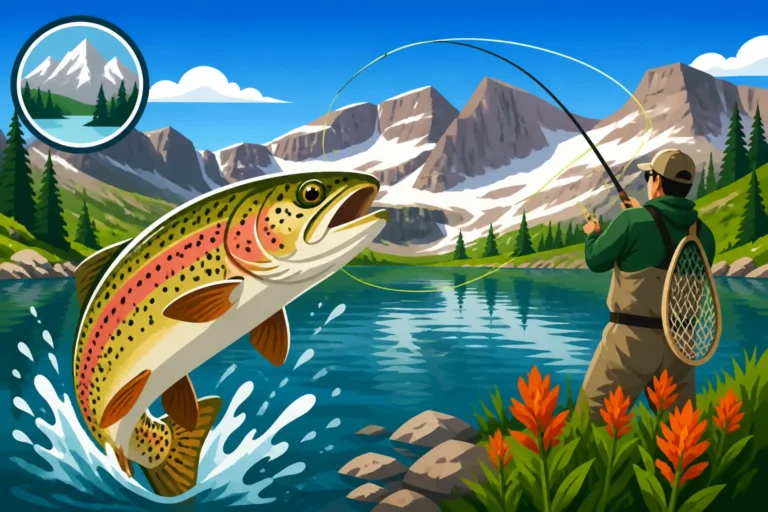
Fall on the Provo River can be an absolute dream for fly anglers, but it also presents a unique set of challenges. The crisp air, the changing leaves, and the vibrant colors of trout preparing for their spawn are truly something special. However, the shifting weather patterns, dwindling insect activity, and often finicky fish can leave even experienced anglers scratching their heads, wondering "What flies work best on the Provo River in Fall?" This guide is here to shed some light on those autumn mysteries, helping you choose the right patterns and tactics to make your fall fishing trips on this iconic Utah river incredibly rewarding.
Understanding Fall Conditions on the Provo River
Before you even think about tying on a fly, it's crucial to understand what's happening beneath the surface as autumn takes hold. The Provo River, like any dynamic fishery, undergoes significant changes during the fall months, and successful anglers are those who can adapt their approach to these conditions.
How Fall Weather Affects Water Temperatures and Flow
As summer's heat fades and cooler temperatures arrive, the Provo River's water temperature begins a steady decline. This cooling trend is one of the most significant factors influencing fish behavior and insect activity. In early fall, you might still find water temperatures in the mid-50s, but by late October and November, they can drop into the low 40s or even colder. Colder water generally means less insect activity and slower fish metabolisms.
Flow rates can also be quite variable in the fall. If Utah has experienced a wet summer or early fall rains, flows might remain moderate. However, as irrigation demands decrease and precipitation shifts from rain to snow at higher elevations, river levels typically stabilize or even drop to their lower winter flows. This clearer, often lower water can make fish warier and more challenging to approach. Always check the current streamflow reports for the specific section of the Provo River you plan to fish, whether it's the upper, middle, or Lower Provo River Fishing Spots Near Utah Lake. Knowing what to expect regarding flow and clarity will dictate your fly choice and presentation strategy.
Key Hatches and Insect Activity in Autumn
While the prolific hatches of spring and summer may be winding down, fall on the Provo River still offers some important insect activity that can get fish looking up. You'll often find a continuation of caddis, midges, and various small mayflies, but perhaps the most anticipated fall hatch is the Baetis (Blue-Winged Olive or BWO). These small, olive-bodied mayflies often hatch on cloudy, overcast, or even drizzly days, providing excellent dry fly opportunities. Sizes can range from #18 down to #22.
Midges are a year-round staple, but their importance often increases as other hatches wane in colder weather. Trout will readily feed on midge pupae and emergers in the film, and tiny adult midges on the surface. Look for them in sizes #20-24, sometimes even smaller. Terrestrials, like grasshoppers, ants, and beetles, which were so prominent in summer, will gradually disappear from the trout's diet as frosts become more common. However, don't completely discount a well-placed beetle pattern in early fall, especially on warmer days near grassy banks.
Fish Behavior Changes in Fall
Trout behavior in the Provo River undergoes a significant shift in fall, primarily driven by cooler water and the instinct to spawn. Brown trout, in particular, become much more active and aggressive as their spawning season approaches, typically peaking from late October through November. They'll move out of their summer holding lies and seek out shallower gravelly areas to create redds. During this time, they become incredibly territorial and will strike at larger, more aggressive patterns. This is prime time for streamer fishing, where you're not just imitating a food source, but triggering an aggressive, protective response.
Rainbow trout and cutthroat trout, while not spawning at the same time as browns, also feel the effects of the cooling water. Their metabolism slows, meaning they may not feed as ravenously or move as far for a meal. They'll often concentrate in deeper, slower pools or runs, conserving energy. Presentations need to be slower, more precise, and often closer to the bottom. Understanding these behavioral changes is paramount to selecting the most effective flies for the specific species you're targeting and their current mood.
Essential Fall Fly Patterns for the Provo River
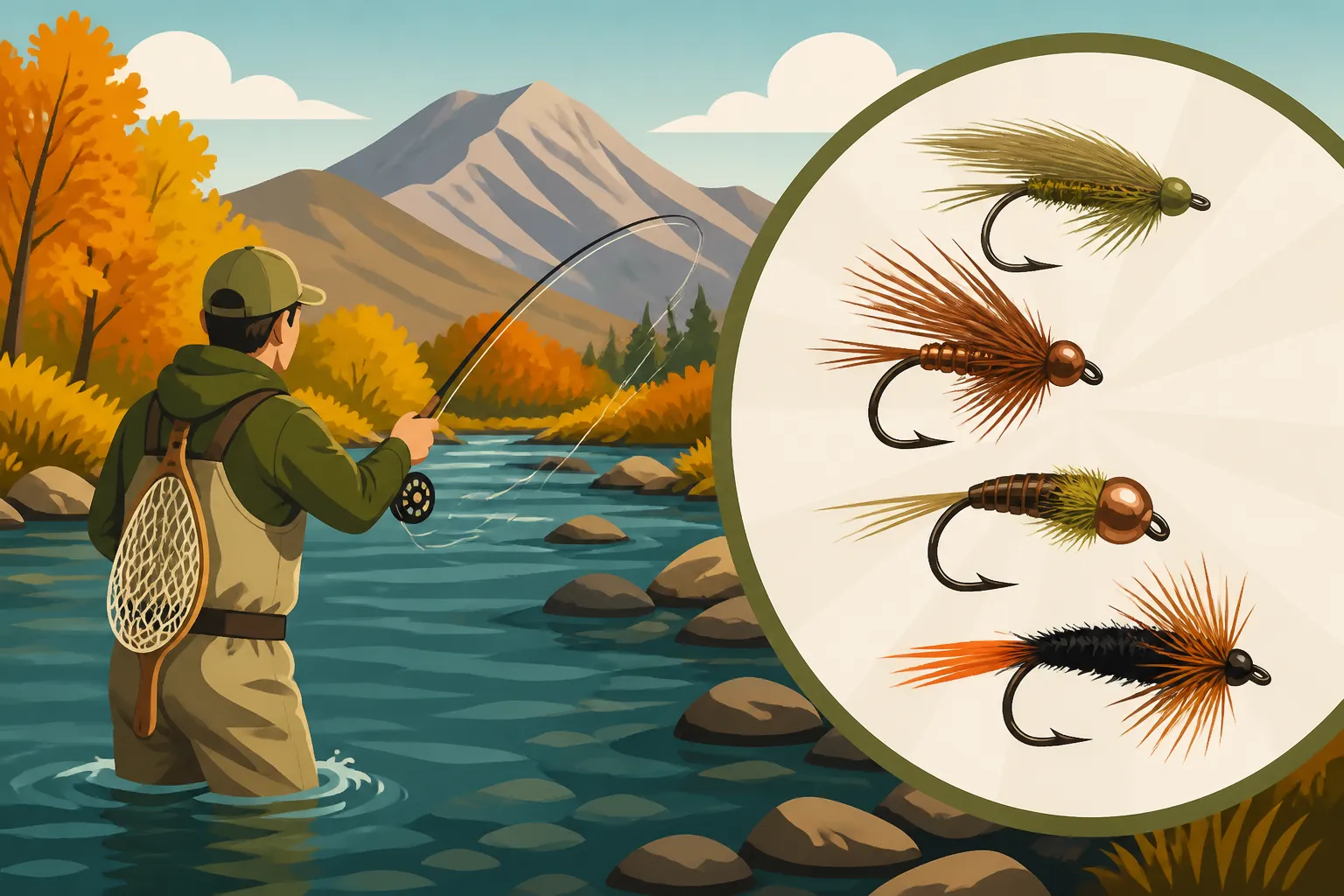
Now that we understand the fall conditions and fish behavior, let's dive into the specific flies that will give you the best chance of success on the Provo River in autumn. Remember, presentation is just as important as the pattern itself.
Nymphs for Subsurface Success
Nymphs are undoubtedly the bread and butter of fall fly fishing on the Provo River, as trout spend the vast majority of their time feeding below the surface. Cooler water temperatures and fewer consistent hatches mean fish are often focused on the nymphs, larvae, and pupae drifting along the riverbed.
Baetis Nymphs (Blue-Winged Olive): These are absolute must-haves for fall on the Provo. As mentioned, the Baetis hatch can be significant, and the nymph stage is available to trout year-round. Patterns like the Pheasant Tail Nymph (especially in smaller sizes like #18-22), Barr's Emerger, or specific BWO Nymphs with olive or grey bodies are incredibly effective. Fish these in a Euro nymphing setup or under an indicator, drifting them naturally through slower runs and pools where trout can expend less energy to feed. For guidance on different rigging, you might find our article on How to Rig a Jig for Utah Trout helpful, even if it's geared towards jigs, the principles apply.
Midge Larvae and Pupae: Even when nothing else seems to be moving, midges are always present. Bloodworms (red midge larvae) and various black, white, or olive midge pupa patterns are tiny but mighty. Good patterns include the Zebra Midge, Miracle Midge, or a simple Brassie in sizes #20-24. These should be fished in tandem, often with a heavier nymph as an anchor, to get them down to where the fish are holding. Their small size often requires fine tippet, like 6x or 7x, which you can find readily available on Amazon.
Caddis Larvae and Pupae: While not as prolific as in summer, caddis are still around. Patterns like the Copper John (brown or green), LaFontaine's Sparkle Pupa, or a simple Green Rock Worm in sizes #14-18 can imitate these important food sources. Caddis often cling to the bottom, so a dead drift is key.
Stonefly Nymphs: Don't overlook the bigger meals! Pat's Rubber Legs or a traditional Hare's Ear Nymph in larger sizes (#8-14) can represent stonefly nymphs. These are excellent lead flies in a multi-nymph rig, helping to get smaller patterns down quickly, especially in the faster, deeper runs of the Provo River Fly Fishing Sections. While stonefly hatches are largely over, their nymphs are a substantial food source for bigger fish year-round.
Egg Patterns: During the brown trout spawn, egg patterns become incredibly effective. Trout, especially rainbows and cutthroat, will position themselves downstream from spawning brown trout to feast on dislodged eggs. Glo-Bugs, Nuke Eggs, or simple yarn eggs in various shades of orange, pink, or chartreuse are irresistible. Fish these directly on the bottom, as close to the redds (but not on them, as that disturbs spawning fish) as possible.
Dry Flies for Opportunistic Surface Action
While fall is often dominated by subsurface nymphing, don't put away your dry fly box just yet. There are specific windows of opportunity, especially during active hatches, where dry flies can be incredibly productive.
Blue-Winged Olives (Baetis): This is the king of fall dry flies. When the BWO hatch is on, especially on those classic cloudy, drizzly fall days, trout will rise consistently. Have a good selection of Parachute Baetis, Comparaduns, or CDC Baetis Dun patterns in sizes #18-22. A natural, drag-free drift is crucial, as fall fish can be very selective. If you notice refusals, try a CDC emerger pattern like a CDC Biot Comparadun to imitate a fly struggling to emerge from the surface film. Learning How to Match the Hatch on the Provo River is critical for these selective feeders.
Midges: Even without a noticeable hatch, tiny adult midges can be found on the water. A small Griffith's Gnat or a Parachute Midge in sizes #20-24 can often tempt a rising fish that's sipping nearly invisible naturals. These are excellent "searcher" patterns when you see sporadic rises but can't identify the specific insect.
Small Caddis: Occasionally, you might encounter a late-season caddis hatch, particularly in early fall on warmer afternoons. A small Elk Hair Caddis or CDC Caddis in olive or tan, sizes #16-20, can be effective. Keep an eye out for erratic risers, which often indicate caddis.
Remember that fall dry fly fishing often requires stealth and a delicate presentation. Fish will typically be holding in slower, more predictable currents, and any drag or disturbance can send them scurrying.
Streamers for Aggressive Fall Brown Trout
If there's one time of year when streamer fishing truly shines on the Provo River, it's the fall. As brown trout become territorial and aggressive during their pre-spawn and spawning phases, a well-presented streamer can elicit violent strikes from some of the river's biggest fish.
Woolly Bugger: The venerable Woolly Bugger is always a top choice. In fall, try darker colors like olive, black, or brown, and experiment with various sizes (#6-10). Adding a conehead or beadhead can help it sink faster in deeper runs. Strip it aggressively to imitate a fleeing baitfish or a leech, or swing it across currents.
Sculpin Patterns: Sculpins are a significant food source for larger trout, and they are particularly vulnerable in the fall. Patterns like the Sculpzilla, Muddler Minnow, or Slumpbuster do an excellent job imitating these bottom-dwelling fish. Focus on fishing these near structure, undercut banks, and deeper pools, where big brown trout lie in wait. Dark olive or natural brown colors are usually best. Learning How to Fish a Streamer for Brown Trout in Utah will greatly enhance your success with these patterns.
Articulated Streamers: For targeting truly trophy-sized brown trout, don't shy away from articulated streamers like the Sex Dungeon or Double Deceiver. These patterns offer incredible movement in the water, mimicking larger baitfish. They can be a bit more challenging to cast, but the reward can be immense. Sizes #2-6 are common for these larger patterns. Many anglers find a good selection of these premium streamers on Amazon.
When streamer fishing, be prepared for powerful strikes. Use a leader with a stronger tippet (0x-2x) to handle bigger fish and aggressive takes. The key is to impart action to the fly – strips, pauses, and swings – to make it look alive and irresistible.
Tying It All Together: Fall Fishing Strategies
Having the right flies is only half the battle. Knowing how and where to present them is equally important. Fall fishing on the Provo River often rewards thoughtful strategy and adaptability.
Reading the Water and Approaching Fall Runs
Fall often means clearer water, which requires a stealthier approach. Fish will be more aware of your presence and any unnatural movements. When you approach a run, especially in sections like the Middle Provo River Access Near Vivian Park, move slowly and keep a low profile. Look for subtle changes in current, depth, and structure. During fall, trout will often be concentrated in deeper pools, slower runs, and near areas with good cover like submerged logs or undercut banks. Brown trout, specifically, will also be found on shallower gravel flats in preparation for spawning.
Pay close attention to where the current delivers food. Trout will typically face upstream, waiting for morsels to drift by. Your goal is to present your fly in a way that mimics this natural drift. If you're nymphing, aim for a dead drift that allows your flies to tumble naturally along the bottom. For streamers, focus on retrieving them in a way that suggests a struggling or fleeing baitfish. Don't be afraid to cast upstream and allow your flies to sink and drift back down, covering different depths.
Rigging Your Rod for Fall Conditions
Your rigging choices in the fall can make a significant difference. For nymphing, especially when targeting deeper holding fish or employing tactics like Euro nymphing, a longer rod (10-11 feet, 3-4 weight) provides better line control and easier mending. For traditional indicator nymphing, a standard 9-foot 5-weight rod is versatile. You'll want to use a reliable leader and tippet system. Fluorocarbon tippet (4x-6x) is often preferred for its invisibility and fast sink rate, helping your nymphs get down quicker. Remember to use knot strength appropriate for your target species; big browns can put a serious bend in a rod.
For streamer fishing, a slightly heavier setup is generally recommended, especially if you're throwing larger, articulated patterns. A 9-foot 6 or 7-weight rod with a weight-forward floating or sink-tip line will make casting easier and provide the backbone needed to fight larger fish. A short, stout leader (3-5 feet of 0x-2x fluorocarbon) will help turn over your heavy streamers and stand up to aggressive strikes. Having a good selection of quality leaders and tippet in your fishing pack is always wise, and many anglers stock up on essentials through Amazon.
Always ensure your knots are strong and your tippet is fresh. Cold weather can sometimes make knots more prone to breakage, so re-tying regularly is a good practice. Consider our Best Fishing Line for Utah Trout guide for more detailed information on line choices.
Timing Your Fall Provo River Outings
Timing is everything in fall fishing. In early fall (September to early October), you might still find good activity throughout the day, particularly during mid-afternoon hatches. However, as the temperatures drop, the best fishing windows often narrow.
Midday Warm-ups: On colder days, the period from late morning through mid-afternoon, when water temperatures are at their highest, can be the most productive. This is when trout might become more active and when any significant BWO hatches are likely to occur.
Low Light for Streamers: If you're targeting those aggressive brown trout with streamers, often the best times are during low-light conditions – early mornings, late evenings, or overcast days. This is when large trout are most likely to leave their cover and actively hunt.
Afternoon Hatches: Keep an eye on the weather. Cloudy, damp days often trigger Baetis hatches, making the afternoon a prime time for dry fly fishing. On bright, sunny days, trout might retreat to deeper, shadier lies.
Remember, the Provo River offers excellent fishing year-round, but adapting your strategies for fall conditions will undoubtedly increase your success. Whether you're carefully nymphing a deep pool or aggressively stripping a streamer, the beauty and challenge of fall fishing here are truly unparalleled.
Disclaimer
Please note that fishing regulations in Utah can change. Always consult the latest official Utah Division of Wildlife Resources (UDWR) guidebooks and website before heading out to ensure you are aware of all current regulations, catch limits, and any special restrictions for the Provo River or any other specific waters. This guide provides general information and recommendations, not legal advice.