How to Fish From Shore in Utah
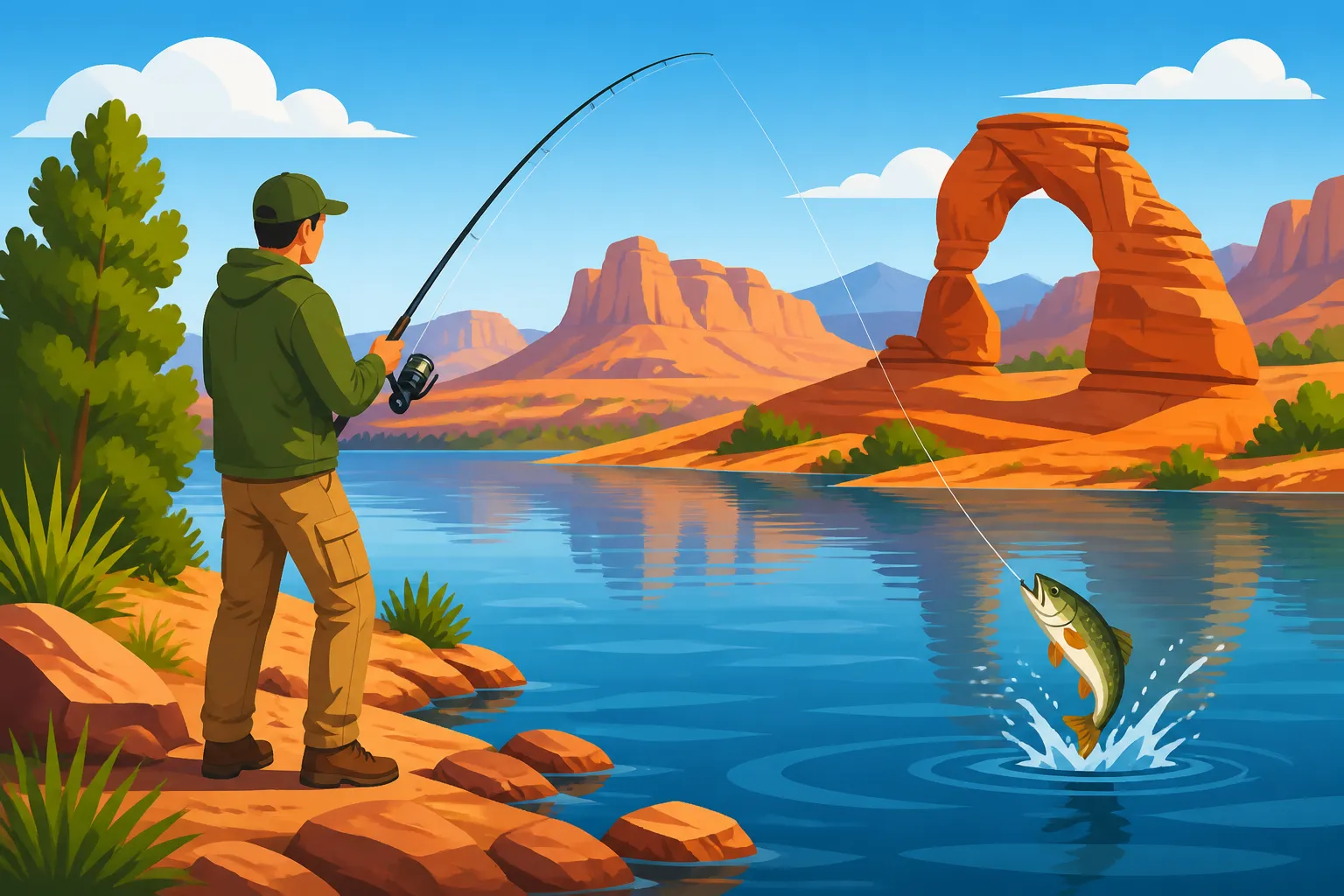
It’s a familiar scenario for many of us: you’re standing on the shore of a beautiful Utah lake or river, rod in hand, watching boat anglers motor off to what seems like greener pastures. It can feel like you’re at a disadvantage, limited in reach and opportunity. But let me tell you, successful fishing doesn't require an expensive boat or fancy electronics. This guide is all about equipping you with the knowledge and confidence to consistently catch fish right from the bank, proving that two feet on solid ground can be just as effective as two feet in a fiberglass hull.
Why Shore Fishing is Awesome and Challenging in Utah
Shore fishing in Utah offers a unique blend of accessibility, tranquility, and, yes, a few hurdles that once overcome, make your catches all the more satisfying. It’s a completely different rhythm than boat fishing, often more intimate with the environment around you.
The Joys of Accessibility and Simplicity
One of the biggest draws of fishing from shore is how incredibly accessible it is. You don't need a boat launch, a trailer, or even a fancy vehicle to get to many prime spots. Think about those spontaneous evening trips after work to a local community pond or a quick stop at a roadside pull-off along the Provo River. It's about grabbing your gear, your valid Utah Fishing License Guide, and just going. This simplicity allows for more frequent outings, which, as any angler knows, directly correlates to more opportunities to learn and catch fish.
Beyond the logistical ease, there's a certain meditative quality to shore fishing. You're grounded, connected to the land, able to observe wildlife, listen to the water, and truly soak in the natural beauty of Utah. It's less about covering vast expanses of water and more about patiently dissecting a smaller, more intimate piece of the ecosystem. Plus, for those just starting out, or introducing kids to the sport, shore fishing provides a fantastic, low-stress entry point. You’re not dealing with boat maintenance, fuel costs, or the complexities of navigating open water. It’s just you, your line, and the fish.
Overcoming Common Shore Angler Hurdles
While shore fishing is fantastic, it comes with its own set of unique challenges that boat anglers often don't face. The most obvious limitation is casting distance. You can only reach so far, which means fish holding in deeper water or further offshore might seem out of reach. This is especially true on large reservoirs like Strawberry Reservoir or Flaming Gorge, where big fish often hold in the middle. Another common frustration is limited access. You might find yourself wanting to fish a promising point or cove only to discover it's blocked by private property, dense vegetation, or treacherous terrain.
Furthermore, fish in shallow, accessible shoreline areas tend to be more wary. They see more human activity, hear more noise, and are generally more educated about common presentations. Spooking fish is a real concern, especially in clear, shallow waters. Dealing with snags from submerged weeds, rocks, or debris along the bank can also be a constant battle, leading to lost tackle and frustration. Finally, while you can't cover as much water, it means you have to be extra strategic about where you cast and how you present your bait or lure. It’s not about blind casting; it’s about making every cast count. But don’t worry, with the right approach, these hurdles can be turned into opportunities for more refined and rewarding angling.
Essential Gear for Successful Shore Fishing in Utah
When you're fishing from the bank, your gear choices become even more critical because you can't just motor to another spot or rely on electronics to find fish. You need efficient, versatile, and sometimes specialized equipment.
Rods, Reels, and Line for Every Shore Scenario
For most shore fishing in Utah, a good spinning rod and reel combo is your best friend. A medium-light to medium power rod, between 6'6" and 7'6" in length, will offer the versatility you need. Shorter rods are great for tight spots with lots of trees, while longer rods give you that crucial extra casting distance to reach deeper water or cover more area. When looking for the Best Fishing Rods for Utah Anglers, consider one that offers a good balance of sensitivity for detecting subtle bites and backbone for fighting larger fish. Brands like Ugly Stik or St. Croix offer durable options that can stand up to the rigors of bank fishing. Pair this with a reliable spinning reel in the 2000-3000 size range, spooled with 6-10 pound test monofilament or fluorocarbon line. Monofilament is forgiving, has good knot strength, and is budget-friendly, while fluorocarbon offers less stretch and better abrasion resistance, which can be a lifesaver around rocks.
If you’re targeting larger species like catfish in Utah Lake or big trout, you might consider stepping up to a medium-heavy rod and a 4000-size reel with heavier line, say 12-15 pound test. Braided line can also be a fantastic option for shore anglers, especially when you need maximum casting distance and sensitivity. Its thin diameter allows for longer casts, and its zero-stretch quality means you'll feel every bump and bite. Just be sure to use a fluorocarbon leader with braided line, as braid is very visible in clear water. Regardless of your setup, make sure your gear is well-maintained. A smooth drag and a clean line can make all the difference when you're hooked into a feisty fish from the bank.
Tackle Box Must-Haves for Bank Beaters
Your tackle box is your mobile arsenal when shore fishing, and packing it smartly means being prepared for various conditions and target species. For trout, which are a primary target for many Utah anglers, you'll want a selection of PowerBait (rainbow, chartreuse, and white are common favorites), some nightcrawlers or mealworms, and a variety of small hooks (sizes 8-12), split shots, and bobbers. Spoons like a Kastmaster or a Daredevle, and small inline spinners such as a Mepps or Rooster Tail, are also deadly for trout and can cover a lot of water. You can find excellent multi-packs of these items on Amazon, which is a great way to stock up without breaking the bank. For the Best Tackle for Utah Trout, consider having a mix of presentations.
If you’re after bass, especially smallmouth bass in rocky areas, pack some jigs (tube jigs, swim jigs), small crankbaits, soft plastic baits (worms, creature baits) rigged wacky or Texas style, and perhaps a few topwater lures for early mornings or evenings. For walleye, jigs tipped with a minnow or a worm, blade baits, and lipless crankbaits can be effective. Catfish anglers will swear by stink baits, chicken livers, or cut bait, fished on the bottom with a heavier weight. Always carry extra weights, swivels, and a selection of hooks appropriate for your target species. A good pair of needle-nose pliers or a hemostat for hook removal, line clippers, and a small measuring tape are also indispensable. Don't forget a small rag to wipe your hands and a stringer or cooler to keep your catch fresh.
Comfort and Safety Essentials
Beyond your rod and tackle, a few comfort and safety items can significantly improve your shore fishing experience. Comfortable, sturdy footwear is paramount, especially if you're navigating rocky shorelines or muddy banks. Waterproof boots are a wise investment, as you'll often be stepping into damp areas. A comfortable backpack is perfect for carrying your tackle box, extra layers of clothing, snacks, and water, keeping your hands free for your rod. Consider a fishing vest or a sling pack for quick access to frequently used items.
Sun protection is also crucial in Utah's strong sun. A wide-brimmed hat, sunglasses (polarized lenses are a game-changer for spotting fish and structure), and sunscreen should always be in your pack. In terms of safety, a small first-aid kit for minor cuts and scrapes is a good idea. If you're fishing alone or in remote areas, always let someone know where you're going and when you expect to return. Finally, especially when wading or near slippery banks, consider a wading staff for added stability. While you don't need a life jacket like you would for How to Fish From a Kayak in Utah, it's still smart to be aware of your surroundings, especially if fishing near deep or fast-moving water.
Picking Your Prime Shore Fishing Spot
Finding fish from shore is all about understanding their habitat preferences and knowing how to read the water around you. You don't have a fish finder, so your eyes and local knowledge are your best tools.
Reading the Water for Fish Holding Areas
Fish, regardless of species, are creatures of habit. They seek out food, cover, and comfortable water temperatures. From shore, your job is to identify these features. Look for any kind of structure that breaks up the current or provides hiding spots: fallen trees, rock piles, docks, submerged brush, or even changes in the bottom contour. A drop-off or a sudden increase in depth close to shore is often a magnet for fish. You can often spot these areas by observing changes in water color or current speed.
In rivers, focus on slower pockets of water next to faster currents, eddies behind rocks, deep pools, and undercut banks. These are prime resting and feeding lies. On lakes and reservoirs, look for points that jut out into the water, coves with submerged vegetation, rocky shorelines, and areas near inlets or outlets where water flows in or out. These areas concentrate baitfish and oxygen, attracting larger predators. Even something as simple as a shadow line from trees or a bluff can create a temporary holding area for fish trying to escape bright sunlight. Spend a few minutes observing the water before you cast; look for rising fish, baitfish scattering, or even subtle currents.
Understanding Utah's Diverse Shoreline Access
Utah offers a vast array of fishing environments, each with its own unique shoreline characteristics. From the vast, open shores of Willard Bay to the rugged, steep canyons of Lake Powell, and the brushy banks of the Green River, understanding access is key. Many state parks and recreation areas provide designated fishing piers and easily accessible bank fishing spots, often signposted. These are excellent starting points, especially for beginners or families. For instance, many of the urban community ponds along the Wasatch Front are designed with easy shore access in mind.
However, some of the Best Places to Fish in Utah might require a bit more effort. Researching maps (both digital and topographical) can reveal hidden trails or less-frequented stretches of shoreline that offer prime, undisturbed fishing. Google Maps satellite view can be a game-changer for scouting potential spots, showing you public access points, potential parking, and the type of terrain you might encounter. Always be respectful of private property and know the rules for any given waterbody. For some waters, like sections of the Green River, public access might be limited to walk-in points or designated fishing easements. Checking the Utah Division of Wildlife Resources (UDWR) website for specific waterbody information can often provide valuable insights into access points and regulations.
Leveraging Online Resources and Local Knowledge
In today's digital age, information is readily available, and it can significantly enhance your shore fishing success. The UDWR website is an invaluable resource, offering weekly fishing reports, stocking schedules, and detailed information on specific waters. These reports often mention current conditions, what species are biting, and even suggest effective baits or lures, which can save you a lot of guesswork. Online forums and social media groups dedicated to Utah fishing are also goldmines of real-time information. Anglers often share their successes, challenges, and tips for various locations. However, always take online advice with a grain of salt and cross-reference when possible.
Beyond the internet, don't underestimate the power of local knowledge. Chatting with employees at local bait and tackle shops can provide current, hyper-local insights into what's working and where. They hear reports from dozens of anglers every day and are often eager to share tips. Consider making friends with other shore anglers you encounter on the bank; many seasoned veterans are happy to pass on their wisdom. Just remember to be polite, respectful, and never expect someone to give away their secret honey hole! Building a network of local contacts can be just as important as having the right gear.
Effective Techniques for Shore Anglers
Since you can't chase fish in a boat, your techniques need to be focused on attracting fish to your immediate vicinity or reaching them with well-placed casts. Versatility is your best asset here.
Mastering Bait Fishing from Shore
Bait fishing is arguably the most straightforward and often productive method for shore anglers, especially for species like trout, catfish, and panfish. The key is to present natural or artificial baits in a way that appeals to the fish's senses. For stocked trout, techniques like baiting with PowerBait, which is designed to float off the bottom, are highly effective. You'll typically use a small hook, a swivel, and an egg sinker or split shot to get your bait to the desired depth. Allowing the bait to float just off the bottom where trout feed naturally can yield great results. Learning How to Fish PowerBait for Stocked Trout is a skill every Utah angler should have in their repertoire.
Another common and effective method is using live baits like nightcrawlers or mealworms, either suspended under a bobber or fished on the bottom. When using a bobber, adjust its depth so your bait is positioned where the fish are active, whether that's shallow, mid-depth, or near the bottom. For bottom fishing, particularly for species like catfish or larger trout, a simple Carolina rig or a slip-sinker rig allows the fish to take the bait without feeling the resistance of the weight. Always use fresh bait and check it frequently to ensure it's still appealing. Bait fishing excels in its ability to keep a presentation in a specific high-percentage zone for an extended period, letting the fish come to you.
Lure Fishing for Active Shoreline Predators
Lure fishing from shore is all about covering water and enticing active fish to strike. This method is particularly effective for predatory species like bass, walleye, and larger trout. The challenge is making your lures look as natural and appealing as possible without the advantage of a boat to troll or access varied structures easily. Spoons, such as the famous Kastmaster or a classic Crocodille, are fantastic for casting long distances and imitating injured baitfish. Work them with a retrieve that varies in speed and includes pauses and jerks to trigger strikes.
Inline spinners like a Panther Martin or a Blue Fox are excellent for trout and can be retrieved steadily or with a slight jigging motion. For bass, soft plastics rigged weedless (Texas rig) are ideal for casting into brushy areas or over submerged vegetation without getting snagged, making them perfect for shore anglers. Crankbaits, especially those with a short lip that dive quickly, can be very effective for probing drop-offs close to shore. For the Best Lures for a Utah Tackle Box, make sure you have a variety of colors and sizes to match different water conditions and forage. The key to successful lure fishing from shore is experimentation: vary your retrieve, cast to different angles, and don't be afraid to try different lures until you find what the fish are responding to.
Fly Fishing Considerations for Bank Anglers
While often associated with wading rivers, fly fishing from shore is a rewarding experience, particularly on Utah's stillwaters and larger reservoirs. It requires a slightly different approach than typical stream fishing but opens up opportunities for species that might ignore traditional spinning gear. The primary challenge is casting distance and dealing with wind. A longer fly rod, typically 9 to 10 feet in length, with a 5 or 6-weight line, will give you more leverage for longer casts and better line control in breezy conditions. Often, a floating line with a long leader is suitable for presenting dry flies or nymphs to rising fish close to shore.
However, for deeper presentations, a sinking tip or full sinking line can be invaluable. This allows you to get nymphs, streamers, or even balanced leeches down to where fish are holding, especially for trout or even bass near cover. Focus your casts on areas where you observe insect activity, fish rising, or around submerged structure. Popular patterns for Utah stillwaters include Woolly Buggers, Hare's Ears, Pheasant Tails, and various leech patterns. Wind can be your friend, creating surface chop that provides cover for fish and helps you make longer casts, but it can also be your enemy, making accurate casting difficult. Patience and practice are key to becoming a successful shore fly angler.
Targeting Specific Utah Species from Shore
Utah boasts a diverse array of fish species, and each requires a slightly different approach when you're limited to the bank. Knowing what to target and how can dramatically increase your success.
Trout Tactics from the Bank
Trout are arguably the most popular target for shore anglers in Utah, thanks to widespread stocking efforts and their presence in many accessible waters. Whether you're after rainbow, brown, or cutthroat trout, there are proven bank techniques. For stocked rainbows, often found in community ponds and reservoirs, the "PowerBait on the bottom" rig is incredibly effective. Simply use a small treble or single hook, mold the PowerBait around it, and let it float a foot or so off the bottom. Vary your cast distance; sometimes they're right at your feet, other times they're further out. Small inline spinners and spoons also work wonders when retrieved steadily.
For wilder trout, particularly brown and cutthroat trout in rivers or larger reservoirs, a more stealthy approach is often required. These fish are typically more wary. Focus on casting upstream and allowing your lure or bait to drift naturally downstream through prime holding water – deep pools, current breaks, and undercut banks. Fly anglers can present nymphs or streamers to these areas. In reservoirs, look for rocky points or areas with submerged timber where these larger trout might ambush baitfish. Fishing during low light conditions, like dawn and dusk, can also significantly improve your chances, as larger trout move into shallower waters to feed. Remember to always check Utah Trout Fishing Tips for specific waterbody recommendations.
Bass and Panfish Close to Shore
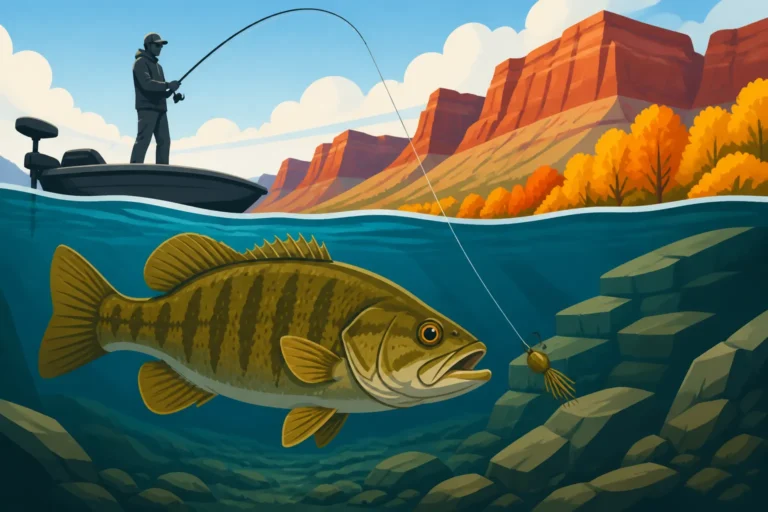
Smallmouth and largemouth bass are exciting targets from the bank, as they often hold near structure close to shore. For smallmouth bass, which are common in lakes like Flaming Gorge and Deer Creek, rocky shorelines, boulder fields, and submerged ledges are prime real estate. Cast small crankbaits, jigs, or soft plastics (like tube jigs or creature baits) to these areas, working them slowly along the bottom or hopping them off rocks. Smallmouth are aggressive and will often strike repeatedly.
Largemouth bass, found in warmer, weedy waters, will hug dense vegetation, fallen trees, and docks. Frog imitations, weedless jigs, and soft plastics (Texas rigged worms) are perfect for punching through cover. Cast to the edges of lily pads, under overhanging branches, or right next to logs. For both species, remember that bass are ambush predators; they'll often be lurking just out of sight, waiting for an unsuspecting meal. Panfish like bluegill and perch are fantastic targets for kids and beginners, offering consistent action. They are found in most of Utah's warmer lakes and ponds, often schooling near docks, weed beds, and submerged structure. A small hook baited with a piece of nightcrawler, a mealworm, or even corn, suspended under a bobber, is usually all it takes. Small jigs tipped with bait also work very well. You can even find them near the shores of Utah Lake.
Challenging Other Species Like Walleye and Catfish
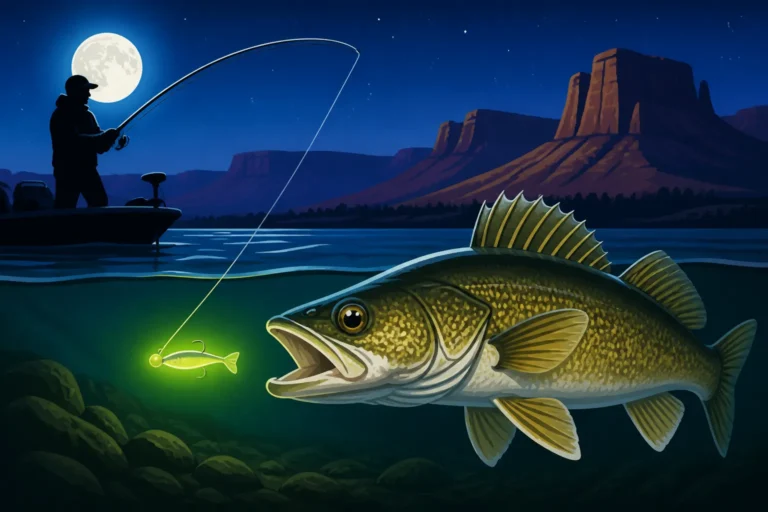
While often thought of as boat targets, walleye and catfish can be successfully caught from shore with the right strategies. Walleye are notoriously light biters and often prefer low-light conditions. In lakes like Utah Lake or Willard Bay, target points, rock piles, or areas with a hard bottom close to deep water. Jigging with a minnow-tipped jig, a blade bait, or slowly retrieving a lipless crankbait during dawn, dusk, or even at night can be very effective. Walleye tend to cruise shorelines during these periods in search of baitfish.
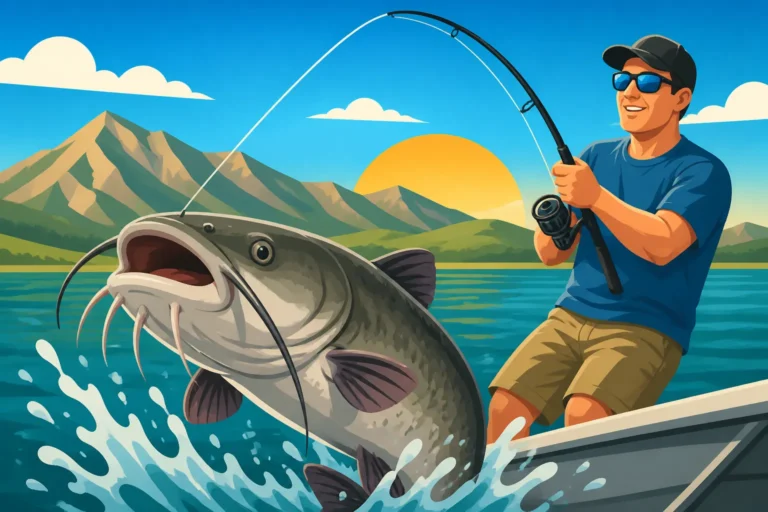
Catfish are a favorite for many shore anglers, especially at Utah Lake and Willard Bay, due to their size and willingness to bite. They are primarily bottom feeders and are often found in deeper channels, mud flats, or areas with current. The key to catfishing from shore is using strong, scent-heavy baits like stink bait, chicken liver, or cut bait, fished on the bottom with a heavy sinker to keep it in place. A slip-sinker rig works perfectly, allowing the catfish to pick up the bait without feeling resistance. Many anglers will set multiple rods out from the bank, patiently waiting for that tell-tale tap-tap-tap, then a strong pull. Night fishing is particularly popular and productive for catfish.
Seasonal Strategies for Year-Round Shore Success
The changing seasons in Utah dramatically impact fish behavior and, consequently, your shore fishing strategy. Adapting to these changes is crucial for consistent success, no matter the time of year. Knowing the Utah Fishing Season Dates and Limits for your target species is always a good starting point.
Spring Thaw and Runoff Adjustments
Spring in Utah is a time of transition, offering some of the best fishing opportunities but also presenting unique challenges, primarily due to snowmelt and runoff. As the ice melts off lakes and reservoirs (often referred to as "ice-off"), trout become incredibly active in shallow waters, feeding aggressively after a long winter. This is a prime time for shore anglers, as fish are often cruising close to the banks. Standard baits like PowerBait and nightcrawlers, as well as small spoons and spinners, work exceptionally well.
However, as spring progresses, mountain snowmelt leads to increased water flows and turbidity in rivers and streams, often referred to as runoff. Fishing during heavy runoff can be tough. The key is to seek out slower, clearer water. Look for eddies behind large rocks, sheltered coves on reservoirs where feeder streams enter, or tailwaters below dams where water levels and clarity are more controlled. The Best Time of Year to Fish in Utah can often be found in the early spring, before peak runoff, or after it subsides. Even during runoff, fish will often stack up at the mouths of calmer tributaries or behind natural current breaks, providing concentrated targets for shore anglers.
Summer's Heat and Deep-Water Access
Utah summers are glorious for outdoor activities, but the heat can make fishing a bit more challenging, especially from shore. As surface water temperatures rise, many fish species, particularly trout, retreat to deeper, cooler waters where oxygen levels are higher. This doesn't mean shore fishing is impossible; it just requires a strategic shift. Focus your efforts during the cooler parts of the day: early mornings, late evenings, and even into the night. These are the times when fish are more likely to move into shallower feeding zones.
When fishing during the day, look for any features that offer deeper water access from shore. Long points, deep coves, or areas near submerged river channels (if you know where they are) can be productive. Using heavier weights to get your bait or lures down to the cooler depths is essential. For bass and panfish, target shady areas created by overhanging trees, docks, or bluffs, as these also offer cooler water and cover. In some cases, if allowed, fishing deeper with cut bait for catfish in the heat of the day can still yield results. Think vertically; if you can't reach far out, try to reach deep down.
Fall's Feeding Frenzy and Winter's Chill
Fall brings a spectacular change in scenery and often some of the most consistent fishing of the year. As water temperatures begin to cool, many fish species go on a feeding frenzy, bulking up for the leaner winter months. Trout, particularly brown trout, become very active and aggressive, making them susceptible to lures and streamers. Shore anglers can have incredible success casting spoons, spinners, and larger minnow imitations. Bass will also become more active, feeding heavily before cold weather settles in, often found near deep water close to shore.
When winter truly sets in, and lakes begin to freeze over, ice fishing becomes the dominant method. However, there are still opportunities for shore anglers. Open water sections below dams, along rivers with strong currents that resist freezing, or at springs that feed into lakes can remain fishable. While it might not be the prime season, if you're willing to brave the cold, you can find success with bait or slowly worked jigs. Layers of warm clothing are essential. Remember, understanding when to shift from one technique or target species to another, according to the calendar, is a hallmark of a truly successful Utah angler.
Disclaimer
Fishing conditions and regulations in Utah can change frequently. Always consult the latest Utah Fishing Regulations Explained from the Utah Division of Wildlife Resources (DWR) before heading out. This guide is for informational purposes only, and adherence to all local and state laws is the angler's responsibility.