How to Ice Fish for Kokanee in Utah
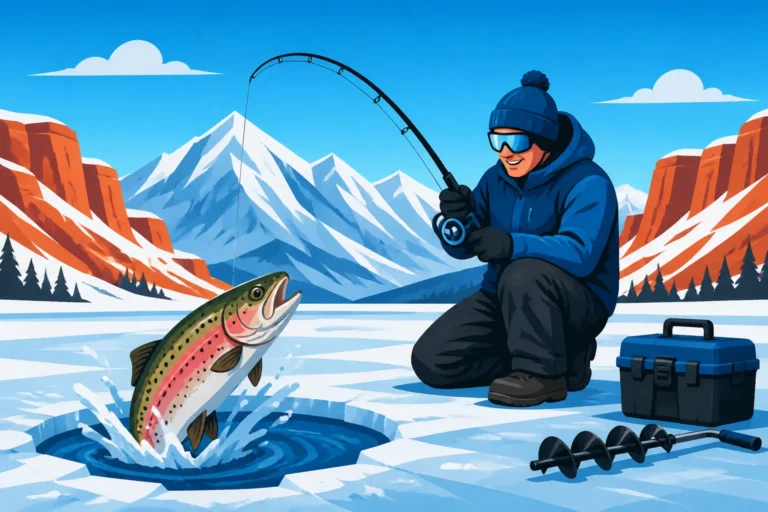
Trying to coax kokanee salmon through a small hole in the ice can be one of the most frustrating, yet incredibly rewarding, experiences in Utah fishing. These fish are notorious for their finicky nature, especially in the cold, clear waters of winter. If you've ever felt like you're staring at a screen full of fish that absolutely refuse to bite, you're not alone. But don't despair! This comprehensive guide is designed to cut through the guesswork, helping you understand their elusive habits and equip you with the precise tactics and gear you need to fill your bucket with these delicious silver beauties.
Understanding Kokanee Behavior Under the Ice
Catching kokanee through the ice isn't just about dropping a line; it's about understanding how these landlocked sockeye salmon behave when the water turns hard. Their world shifts dramatically under that frozen lid, and if you can get inside their heads (or at least, their preferred depth), you're halfway to success.
Winter Migration and Depth Preferences
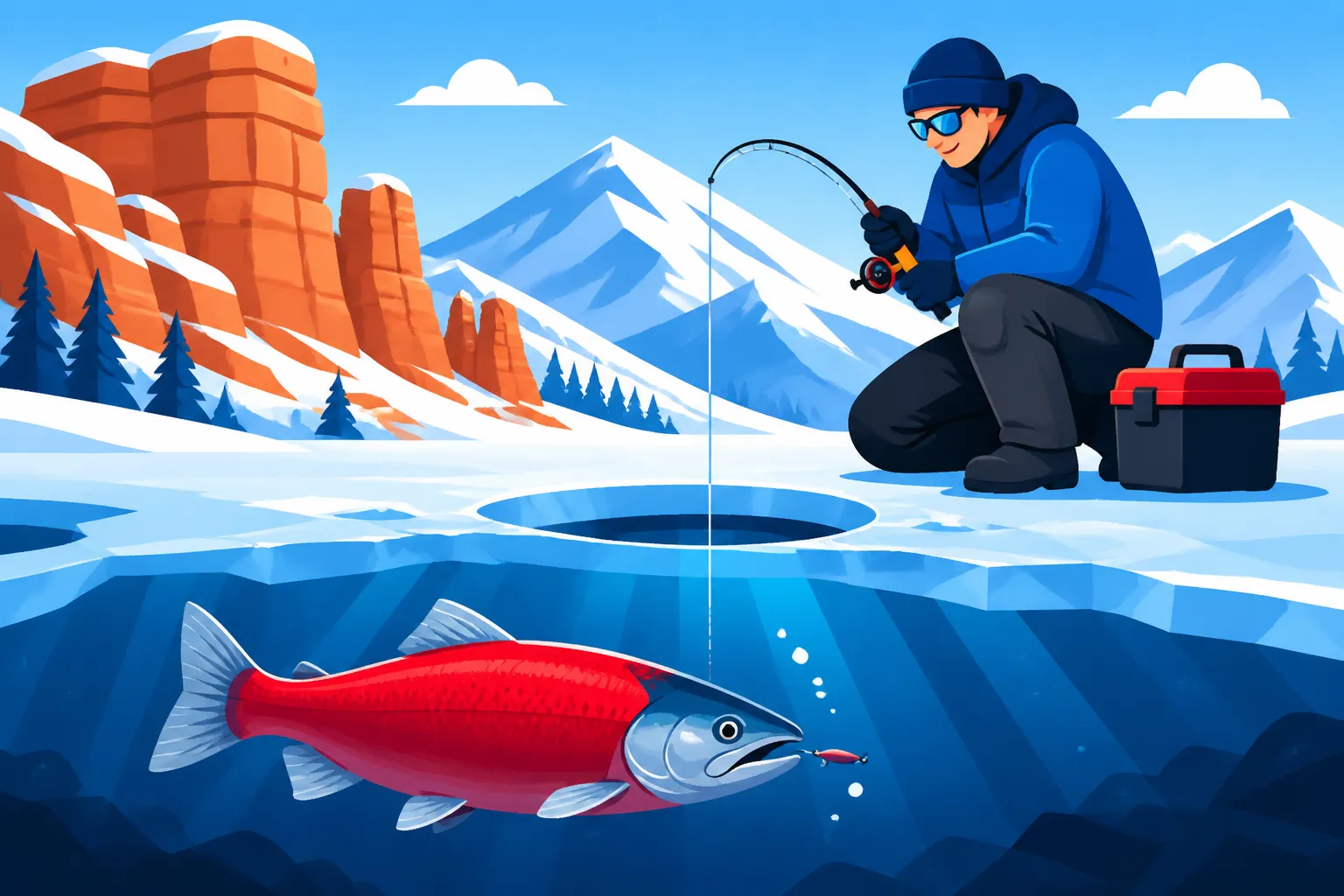
When the ice forms, kokanee salmon don't just stay put. They tend to follow their food sources, primarily zooplankton, which can congregate in different parts of the water column. Unlike trout that might hug the bottom or structure more frequently, kokanee are often suspended in open water. This makes them incredibly challenging to locate without the right electronics.
During the early ice season, you might find them shallower, perhaps 15-30 feet down, especially in areas where residual plant life or invertebrates are still active. As winter deepens, they often move to more stable, deeper water, suspending anywhere from 30 to 80 feet, sometimes even deeper in large reservoirs like Flaming Gorge or Strawberry Reservoir. They form tight schools, which is fantastic when you find them, but means you could drill a dozen holes and miss them entirely if you're even a few feet off. The key is to remember they are pelagic, meaning they live in the open water column, making depth much more dynamic than fishing for bottom-dwelling species.
Feeding Habits and Metabolism Changes
Kokanee are filter feeders for much of their lives, sifting zooplankton from the water. While they'll hit small lures and bait, it's often more out of curiosity or aggression than a full-on feeding frenzy, especially in winter. Their metabolism slows down significantly in the cold water, meaning they aren't expending as much energy and therefore don't need to feed as aggressively or as often.
This slower metabolism dictates your approach. Fast, erratic jigging that works for active trout might just spook a lethargic kokanee. Instead, think subtle. They might mouth a bait gently before committing, so a sensitive rod tip is crucial for detecting those barely-there bites. You're trying to appeal to a fish that's conserving energy, making enticing movements and potent scents all the more important. Understanding the Kokanee Salmon Life Cycle in Utah can also give you insights into their yearly patterns, including their feeding behaviors at different stages.
Light Sensitivity and Prime Times
Kokanee have relatively large eyes, making them quite sensitive to light. This is why you'll often hear experienced kokanee anglers talk about the "witching hour" or the "golden hour" – those precious windows around dawn and dusk. During these low-light periods, kokanee tend to become more active and will often rise higher in the water column or move closer to areas where they feel more comfortable feeding.
On overcast days, this prime bite can extend longer, sometimes even throughout the day, as the diffused light reduces their sensitivity. Conversely, bright, sunny days with clear ice can make them incredibly wary, pushing them deeper or making them harder to entice. Planning your trip to coincide with these low-light conditions or selecting days with heavy cloud cover can significantly improve your chances of success.
Essential Gear for Ice Fishing Kokanee
You wouldn't bring a butter knife to a sword fight, and you certainly shouldn't go after kokanee with inadequate gear. These are not your average stocked trout, and their specific habits demand a specialized tackle setup. Investing in the right tools can make the difference between a memorable day on the ice and a frustrating stare-down with your fish finder.
Rods, Reels, and Line Sensitivity
For kokanee, sensitivity is king. You need an ultralight to light action ice fishing rod, typically 24 to 30 inches long. These rods have an incredibly soft, forgiving tip that can detect the subtlest takes, which kokanee are famous for. The backbone of the rod should still be strong enough to handle a feisty kokanee once hooked, but that delicate tip is non-negotiable. Pair this with a small, smooth spinning reel (500-1000 size) that has a good drag system.
When it comes to line, forget the heavy stuff. Light line is essential for a natural presentation and to avoid spooking these wary fish. Four to six-pound test fluorocarbon is often preferred as a main line due to its low visibility and minimal stretch, which aids in sensitivity. Some anglers use a very light monofilament (2-4 lb test) leader for an even more natural lure action. The lighter the line, the less resistance the kokanee feels, increasing your chances of a solid hookset.
Lures, Baits, and Scent Attractants
This is where the art of kokanee ice fishing really shines. Small jigs and spoons are your primary weapons. Think tiny tungsten jigs in bright colors like pink, orange, chartreuse, or even glow-in-the-dark variations. Small spoons, like those from Rocky Mountain Tackle or Custom Jigs & Spins, also work wonders. The key is to imitate zooplankton or small baitfish in a subtle, enticing way.
Tipping your lure with bait is almost always a necessity. Common choices include a few kernels of Shoepeg corn (infused with scent, ideally), a wax worm, or a live maggot. The color and scent of the corn, in particular, seem to be a powerful attractant. Many anglers soak their corn in commercially available kokanee scents like Pro-Cure or Pautzke's Fire Bait, which can make a huge difference. You can often find a wide variety of these specialized baits and scents on online retailers like Amazon, making it easy to experiment. Remember, presentation is key; a small, natural-looking offering with an appealing scent is much more effective than something big and flashy.
Electronics: Your Eyes Beneath the Ice
If you don't have a fish finder (flasher or LCD graph), you're essentially fishing blind for kokanee. These fish are almost always suspended, and without electronics, locating them is largely a matter of pure luck. A good fish finder allows you to see your lure, gauge its depth, and most importantly, detect incoming kokanee schools or individual fish.
Flashers, like those from Vexilar or Marcum, offer real-time feedback and are excellent for tracking fish as they approach your lure. LCD graphs from brands like Humminbird or Garmin provide a historical view, which can be helpful for understanding fish movements over time. You'll want to be able to distinguish between a single fish, a tight school, and even baitfish. When you mark fish, you can adjust your jigging depth to put your lure right in their strike zone. Without this crucial piece of gear, especially when fishing for species like kokanee, you'll be at a significant disadvantage. Learning How to Read a Fish Finder for Utah Reservoirs will dramatically increase your success rate.
Safety and Comfort on the Ice
Ice fishing for kokanee often means spending long hours in cold conditions, sometimes far from shore. Safety should always be your top priority. An ice auger, whether a hand auger for thinner ice, a gas-powered model, or a modern electric auger, is essential for punching holes. Make sure you know How to Auger Through Utah Ice Safely and always check ice thickness.
Beyond getting through the ice, staying warm and comfortable is critical. A good portable ice fishing shelter, like those from Clam or Eskimo (many options available on Amazon), provides protection from the wind and elements, allowing you to focus on fishing. Layered, waterproof, and insulated clothing, along with appropriate boots, gloves, and a hat, will keep hypothermia at bay. Don't forget safety gear like ice picks, a spud bar (for checking ice), and a first-aid kit.
Here's a quick comparison of popular kokanee ice fishing jig types:
| Jig Type | Description | Ideal Depth Range | Key Features | Recommended Colors |
|---|---|---|---|---|
| Tungsten Jig | Small, heavy, dense jig for quick drops. | All depths | Fast sink rate, excellent feel, small profile. | Pink, Orange, Chartreuse, Glow |
| Small Spoon | Fluttering action on the drop, simulates baitfish. | Mid to Deep (20-80ft) | Reflective flash, darting motion, broader profile. | Silver, Gold, Pink, Trout |
| Plastic Jig | Lightweight, often tipped with live bait or corn. | Shallow to Mid (10-40ft) | Slower fall, subtle action, good for finicky fish. | White, Yellow, Green, Pink |
| Dodger/Squid | Creates flash and vibration, attracts from afar. | Deep (30-100ft+) | Not a direct lure; often used with a short leader to a small jig. | Chrome, Silver, Pink, Blue |
Proven Techniques for Icing Kokanee
Once you have your gear sorted and a basic understanding of kokanee behavior, it's time to put those pieces together into an effective strategy. It's often a game of finesse and patience, but with the right techniques, you can turn those elusive marks on your screen into fish on the ice.
Locating Fish with Electronics and Drilling Strategy
Your fish finder is your best friend when ice fishing for kokanee. Unlike species that might congregate near specific structures, kokanee often roam the open water, suspending at various depths. This means you need to be mobile and willing to drill plenty of holes. Start by drilling a series of holes in a grid pattern across a promising area (like a flat, a point, or the deep basin of the reservoir) and use your fish finder to scan each hole.
Pay close attention to marks that appear suspended, especially if they are grouped together. Once you find a school, drill a few more holes around it to determine the edges of the school and identify where the most active fish might be. Don't be afraid to leave a hole if you're not seeing fish after 10-15 minutes; these schools can move quickly. Remember that kokanee often follow subtle contours or temperature breaks, so looking for patterns in their location can be key.
Jigging Strategies for Finicky Kokanee
Kokanee bites are often incredibly subtle, sometimes just a slight "mushy" feeling on the line, or a tiny twitch of your rod tip. Therefore, your jigging motion needs to be equally subtle and enticing. A common and effective technique is a slow, steady lift of about 6-12 inches, followed by an equally slow, controlled drop. Many bites occur on the fall, so pay close attention as your lure descends.
Another effective strategy is called "dead sticking" or "still fishing." This involves setting one rod in a rod holder, with a simple jig or bait offering, and letting it sit motionless while you actively jig a second rod. Utah allows anglers to use How Many Ice Fishing Rods Can You Use at Once in Utah?, so this two-pronged approach can often double your chances. The stationary bait can sometimes entice a hesitant kokanee that's been spooked by active jigging. Don't be afraid to experiment with pause durations; sometimes a longer pause is exactly what a slow-moving kokanee needs to commit.
Bait Presentation and Scent
As mentioned earlier, tipping your jig is almost always a must. A few kernels of Pautzke's Fire Corn, Gulp! Maggots, or live mealworms or wax worms can add both visual appeal and scent to your presentation. Make sure your bait is fresh and lively if using live options, or well-scented if using corn or plastics. You can enhance corn's appeal by soaking it in a fish attractant for several hours or even days before your trip. These are widely available, even on platforms like Amazon.
The way you present the bait matters. Don't use too much; a small, natural offering is more effective than a giant wad of corn that might make your jig appear unnatural. Ensure your hook point is exposed for a clean hookset. It's also critical to keep your bait from freezing. Learning How to Keep Bait Alive in Cold Weather is important, perhaps by using an insulated bait puck or keeping it in an inner pocket. The colder the water, the more a potent scent trail can help guide fish to your offering when their vision might be less effective.
Choosing the Right Waters and Timing
While the techniques and gear are crucial, knowing where and when to apply them is just as important. Utah boasts several fantastic kokanee fisheries, but each has its own nuances, and timing your trip can make all the difference.
Top Utah Kokanee Lakes for Ice Fishing
When it comes to ice fishing for kokanee in Utah, a few bodies of water stand out as consistent producers.
- Strawberry Reservoir: This is often considered the undisputed king of kokanee ice fishing in Utah. Strawberry Reservoir is known for its abundant and often large kokanee. The fish here are typically found suspending over deep water, particularly in the larger basins. Good electronics are absolutely critical here. Anglers often target areas like Soldier Creek or Strawberry Bay, but don't limit yourself. Always consult recent fishing reports for current hot spots, and if you need specific guidance, dive into resources about Strawberry Reservoir Ice Fishing Spots.
- Jordanelle Reservoir: Located closer to the Wasatch Front, Jordanelle offers another excellent opportunity for kokanee. The fish here can also be found suspended and are known to be quite aggressive on certain days. It's a popular spot due to its accessibility.
- Rockport Reservoir: While sometimes overlooked, Rockport can produce quality kokanee, particularly for those willing to explore. Like other reservoirs, they'll be suspended, and often respond well to bright jigs tipped with corn.
- Deer Creek Reservoir: Another popular destination, Deer Creek holds good numbers of kokanee, though they might be slightly smaller on average than those at Strawberry. It's a great option for a consistent bite when the conditions are right.
Always double-check local regulations and current conditions with the Utah Division of Wildlife Resources (DWR) before heading out. Lake conditions, ice thickness, and fish behavior can change rapidly.
Best Times to Fish for Kokanee
Timing your visit can be just as crucial as selecting the right water. Kokanee are notorious for their short, intense bite windows, especially under the ice.
- Seasonal Timing: The prime window for ice fishing kokanee usually begins when the ice is safe and stable, often from late December through February. As winter progresses and ice thickens, fish tend to settle into more predictable patterns. However, late ice, typically March, can also be fantastic as fish start to become more active with increasing daylight, preparing for the upcoming spawn. For a broader perspective on the ice fishing season, check out our guide on the Best Season for Ice Fishing in Utah.
- Daily Timing: As discussed, dawn and dusk are almost always the most productive times of day. Plan to be on the ice, holes drilled and lines in the water, at least an hour before sunrise and stay an hour after sunset. The low light seems to make kokanee more confident and willing to move into your strike zone. Mid-day can be slow, but overcast days or periods of light snow can sometimes extend the bite through the afternoon. Don't give up during the slow periods; a school can move in and start biting unexpectedly.
- Weather and Pressure: While not a hard and fast rule, stable weather patterns with consistent barometric pressure often lead to better fishing. Radical swings in weather, like a sudden cold front or a major snowstorm, can shut down the bite. However, sometimes right before a storm front moves in, fish can become very active. Keeping an eye on the forecast is always a good idea.
Disclaimer
Fishing conditions and regulations in Utah can change frequently. Always consult the most current Utah Fishing Regulations Explained provided by the Utah Division of Wildlife Resources (DWR) before planning your trip. Be aware of specific bait restrictions, catch limits, and any emergency closures or advisories for the waters you intend to fish. Ice safety is paramount; never venture onto ice you are unsure about, and always inform someone of your fishing plans.