What Size Hook Should You Use for Utah Stocked Trout?
It's incredibly frustrating, isn't it, when you head out to one of Utah's beautiful community ponds or reservoirs, eager to catch some of those freshly stocked trout, only to find yourself getting nibbles but no hook-ups? Or worse, you finally get a solid bite, reel in, and the fish just isn't there. More often than not, the culprit isn't your bait choice or your technique, but the humble hook size. This comprehensive guide is here to demystify the art of selecting the perfect hook for Utah's stocked trout, helping you turn those frustrating nibbles into exciting catches.
Understanding Hook Sizes and Their Impact on Stocked Trout
Choosing the right hook size might seem like a small detail, but for stocked trout in Utah, it can make all the difference between a triumphant day on the water and one filled with "almosts." These fish are often quite different from their wild counterparts, and understanding why the right hook is crucial is the first step to success.
The Basics of Hook Sizing
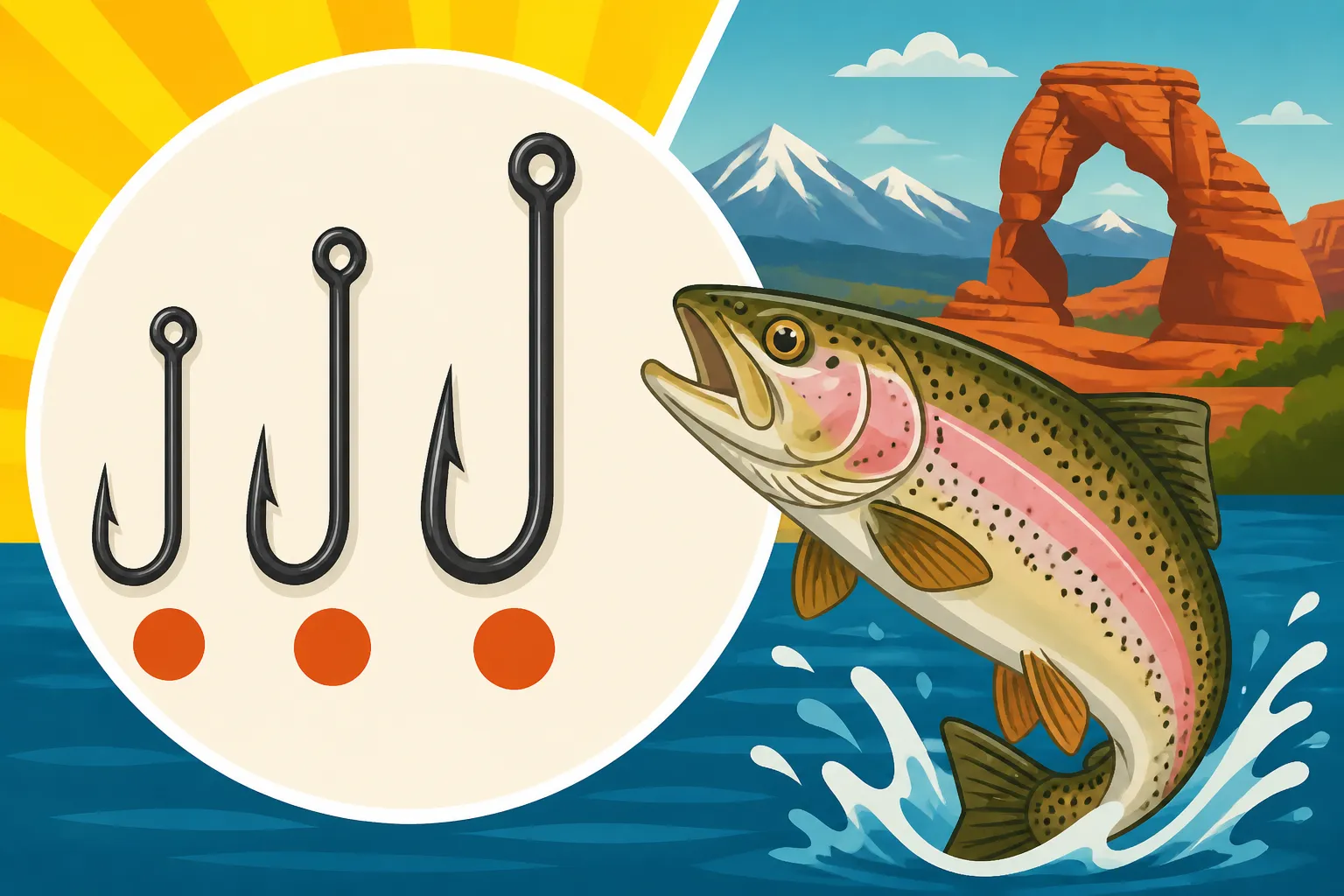
Let's clear up some common confusion about hook sizes. It's counterintuitive for many newcomers, but the general rule is: the larger the number, the smaller the hook. So, a size #18 hook is much smaller than a size #6 hook. When you get into hooks larger than #1, they then start using single-digit numbers followed by a zero, like 1/0 (pronounced "one aught"), 2/0, 3/0, and so on, where the larger the number before the /0, the larger the hook. For stocked trout, you'll almost exclusively be dealing with the smaller, higher-numbered hooks.
Think about it this way: a tiny size #18 hook is perfect for a small piece of bait meant for a pan-sized trout's delicate bite, while a large 5/0 hook is designed to tackle a powerful, toothy predator like a lake trout or even a striper. For our purposes with Utah's stocked trout, we're very much on the smaller end of that spectrum. The goal is always to match the hook size to the bait or lure, and crucially, to the mouth size of the fish you're targeting.
Why Size Matters for Stocked Trout
Stocked trout are a unique beast compared to their wild cousins. They often come from hatcheries, where they're used to eating pellets and might not have the same aggressive feeding instincts or wariness of foreign objects as a wild fish. However, once they're introduced into public waters, they quickly become "pressured." They see a lot of anglers, a lot of different baits, and they learn quickly.
Here's why hook size is paramount for them:
- Smaller Mouths: Many of the rainbow and cutthroat trout stocked in Utah's community ponds and smaller reservoirs are pan-sized, typically ranging from 8 to 14 inches. Their mouths simply aren't that big. A hook that's too large can be difficult for them to fully engulf, leading to missed bites or shallow hook-sets that don't hold.
- Visibility: Stocked trout, especially in clear water or areas with heavy fishing pressure, become incredibly wary. They've likely seen countless hooks before. A large, shiny hook sticking out of your bait is a huge red flag. Smaller hooks are much easier to hide, making your presentation look more natural and enticing.
- Natural Presentation: Whether you're using PowerBait that floats or a small piece of nightcrawler, the hook needs to allow the bait to act naturally in the water. An overly heavy or large hook can weigh down a floating bait, making it sink, or cause a worm to hang awkwardly, rather than wiggling enticingly. The right hook size ensures your bait behaves exactly how you want it to.
- Improved Hook-Sets: While a tiny hook might seem fragile, a properly sized small hook designed for trout fishing, like a thin-wire salmon egg hook, will penetrate quickly and securely into the soft tissue of a trout's mouth. This leads to more solid hook-ups and fewer lost fish.
Recommended Hook Sizes for Common Utah Stocked Trout Baits and Lures
Alright, let's get down to brass tacks. What specific hook sizes should you be reaching for when you're targeting those hungry stocked trout in Utah? It really depends on what you're putting on the end of your line.
PowerBait and Dough Baits
PowerBait and similar dough baits are arguably the most popular choice for stocked trout in Utah, and for good reason—they work! The key to success with these floating baits is to use a hook that allows them to do their thing: float off the bottom and entice a bite.
- Treble Hooks: For PowerBait, especially the moldable kind you form around a hook, size #14 to #18 treble hooks are often the go-to. The multiple points of a treble hook increase your chances of a hook-up when a trout inhales the bait. The smaller sizes are crucial here. If you use a #12 or larger treble, it's very difficult to completely conceal it within the PowerBait ball, and it can also weigh down the bait, reducing its buoyant appeal. Many anglers find good, sharp #16 trebles like those from brands such as Gamakatsu or Owner to be highly effective. You can often find a good selection of these small hooks on sites like Amazon, making it easy to stock up before your next trip.
- Single Salmon Egg Hooks: Another excellent option, especially if you prefer a single hook or if regulations require it (always check local rules!), is a size #10 to #14 single salmon egg hook. These hooks have a short shank and a wider gap, designed specifically for bait like salmon eggs or small balls of PowerBait. Their thin wire construction helps them penetrate easily and remain less visible. Make sure to embed the entire hook point and shank within the PowerBait, leaving only a small amount of the curve exposed. This allows the bait to float naturally while still offering a good hook-set when a fish strikes.
Worms and Live Baits
There's something timeless about fishing with a good old nightcrawler or a small piece of worm. Live bait can be incredibly effective for stocked trout because it offers natural scent, movement, and taste. The trick here is to present the worm as naturally as possible, almost as if it just fell into the water.
- Single Hooks (Aberdeen or Baitholder): For worms or other live baits like mealworms or wax worms, size #8 to #12 single hooks are typically ideal.
- Aberdeen hooks are a great choice. They have a relatively long shank and a wide gap, making them good for threading a worm on, but their thin wire construction means they don't weigh down the bait too much. This allows the worm to wiggle and move, attracting curious trout.
- Baitholder hooks are similar but feature small barbs on the shank to help keep your worm from sliding down. Both styles work well.
- When rigging a worm, you usually want to thread just enough of it onto the hook to cover the shank and barb, leaving a good portion of the tail free to wriggle. A size #10 hook from a reputable brand like Eagle Claw or Mustad will often be perfect for a small section of nightcrawler or a full mealworm. The key is to make sure the hook isn't so large that it hampers the worm's natural action or is easily detected by the trout.
Small Spinners and Jigs
While bait fishing is extremely popular, many anglers love the active thrill of fishing with lures. For stocked trout, small inline spinners and tiny jigs are often highly productive.
- Integrated Lure Hooks: Most small spinners, like the classic Panther Martin, Mepps, or Rooster Tail, come pre-rigged with treble hooks that are generally well-suited for stocked trout. Often these are around a size #10 or #12 treble. If you find that fish are consistently hitting your lure but not getting hooked, or if you're practicing catch and release, you might consider swapping out the treble for a smaller, sharp single hook of equivalent gap size, or even a barbless hook. You can often find replacement hooks online or at your local tackle shop.
- Jig Heads: When fishing small soft plastics, grubs, or even a piece of worm on a jig, the jig head's hook size is critical. For stocked trout, you'll want very light jig heads, typically 1/32 oz or 1/16 oz, which usually come with integrated hooks in the size #8 to #12 range. These small, sharp hooks are perfect for the lighter bite of a trout. Brands like Berkley PowerBait jigs or similar micro-jigs often come with excellent hook combinations. When it comes to how to rig a jig for Utah trout, remember that subtlety is often key, so a smaller, well-hidden hook is always preferable.
Flies for Stocked Trout
Although the primary focus here is on conventional tackle, it's worth a quick mention that fly anglers targeting stocked trout also adhere to the "smaller is better" rule. For nymphs, midges, and small dry flies, you'll often be using hooks in the size #16 to #20 range, sometimes even smaller, especially when fish are being particularly selective or are feeding on tiny insects. This further reinforces the idea that stocked trout respond best to diminutive presentations. For more on this, check out our guide on how to fly fish the Provo River, which often holds both stocked and wild trout.
Factors Influencing Your Hook Size Choice
Beyond the bait or lure you're using, several other environmental and behavioral factors can—and should—influence your final hook size decision when chasing stocked trout in Utah. Ignoring these can lead to frustration, even if you've got the perfect PowerBait ball molded around your hook.
Water Clarity and Pressure
This is a huge one, especially in highly accessible waters around Utah's populated areas.
- Clear Water: If you're fishing a crystal-clear mountain lake or a pond that hasn't seen much rain lately, fish have excellent visibility. In these conditions, they can easily spot anything unnatural. A larger, more visible hook will stand out like a sore thumb. This is precisely when you want to size down. Opt for the smallest hook you can comfortably rig your bait on—think #16 or #18 trebles for PowerBait, or #10 to #12 thin-wire single hooks for worms. The less a trout has to question your offering, the more likely it is to bite.
- Pressured Fish: Many of Utah's community ponds and popular reservoirs get fished heavily, especially after a fresh stocking. These trout become "educated" very quickly. They've seen it all, and they're wary. Similar to clear water conditions, pressured fish are much more likely to ignore or simply "mouth" a bait that looks suspicious, often due to an exposed or oversized hook. When the bite is slow, and you suspect pressure is a factor, don't hesitate to go even smaller on your hook size. Sometimes, a subtle change from a #14 to a #16 treble can make a world of difference.
Size of the Stocked Trout
While we've established that most stocked trout are "pan-sized," there can still be variations that might influence your choice.
- Average Stocked Size: The vast majority of trout stocked by the Utah Division of Wildlife Resources (UDWR) into community ponds and reservoirs are catchable-sized rainbow trout, typically ranging from 8 to 14 inches. For these fish, a #14 to #18 treble or #8 to #12 single hook is generally perfect. You're not usually targeting trophy fish in these scenarios, so don't bring a hook designed for them. Using something like a 2/0 hook for an 8-inch stocked rainbow is not only overkill but will drastically reduce your hook-up ratio.
- Larger Stockers or Holdovers: Occasionally, you might encounter larger "trophy" sized trout that have been stocked, or "holdover" trout that have survived previous seasons and grown considerably. In these rarer instances, if you know a particular water body has bigger fish, you could consider going up one hook size (e.g., from a #16 to a #14 treble, or a #10 to an #8 single). However, even these larger stocked trout still often prefer a more subtle presentation, especially if they are heavily fished. It’s better to err on the side of smaller and sharper than larger and more obvious. To get an idea of what to expect, checking recent stocking reports or our guide on Utah trout species guide can offer insights.
Fishing Technique and Presentation
How you're presenting your bait or lure also plays a role in optimal hook sizing.
- Still Fishing (Floating Bait): When you're "still fishing" with PowerBait or similar floating dough baits, often using a slip sinker to get your bait to the bottom, the aim is for the bait to float just off the lakebed. A small, lightweight hook (like a #16 treble or #12 salmon egg hook) ensures maximum buoyancy. If the hook is too heavy, your PowerBait ball might sink or hover just barely off the bottom, defeating the purpose of a floating bait.
- Drifting/Under a Bobber (Live Bait): If you're drifting a worm with the current in a river or stream, or suspending it under a bobber in a pond, the natural movement is key. A smaller, lighter hook allows the worm to undulate and move freely, mimicking an unattached meal. A heavy hook will restrict this natural action, making your presentation less appealing. For beginners, learning how to fish with bobber and bait for beginners will emphasize this natural movement.
- Casting Lures: As mentioned, most lures come with appropriately sized hooks. However, if you're using ultra-light tackle and casting very small spinners or spoons (which is often effective for stocked trout), sometimes you might opt for a smaller treble hook or even replace it with a single, barbless hook to increase penetration on lighter bites and reduce harm to the fish if practicing catch and release.
Tips for Success and Common Mistakes to Avoid
Now that we've covered the nuances of hook sizes for Utah's stocked trout, let's look at some actionable tips to boost your success and avoid common pitfalls. The details often separate a good day from a great one.
Choosing the Right Hook Material and Style
It's not just about the number; the actual design of the hook matters too.
- Treble Hooks vs. Single Hooks: For PowerBait and dough baits, many anglers swear by small treble hooks (#14-#18). Their multiple points offer a higher chance of snagging the fish when it bites. However, for live bait, and especially if you plan to release fish, single hooks are generally preferred. Single hooks cause less damage and are easier to remove. Always check local regulations, as some waters, particularly certain catch-and-release waters in Utah, might require single, barbless hooks.
- Barbless Hooks: If catch and release is your goal, or if you're fishing a designated fly-fishing-only or catch-and-release-only water, barbless hooks are a must. They greatly reduce harm to the fish, allowing for a quick and successful release. You can buy hooks that are already barbless, or you can simply crimp down the barb on a regular hook with a pair of pliers.
- Hook Sharpness: This cannot be stressed enough: a sharp hook is vital! Even the perfectly sized hook is useless if it's dull. Sharp hooks penetrate quickly and efficiently, leading to solid hook-sets. Always check your hook points, especially after a few casts or if you've snagged on the bottom. If they're dull, sharpen them with a small hook file, or simply replace them. Quality hooks from brands like Gamakatsu, Owner, or Mustad typically come extremely sharp right out of the package. When searching for new hooks on Amazon, always check reviews for sharpness.
- Wire Gauge: For trout, particularly finicky stocked trout, thin-wire hooks are often superior. They are lighter, less visible, and penetrate more easily with less force, which is perfect for a subtle trout bite.
Practical Advice for Beginners
Starting out in fishing can feel overwhelming with all the gear and techniques. Here's some straightforward advice to make your stocked trout adventures more fruitful. For more beginner advice, explore our comprehensive Utah fishing gear guide for beginners.
- Start Small, Go Smaller: If you're unsure, always start with a smaller hook size. If you're getting bites but not landing fish, or if the bites are very subtle, size down even further. You'll be surprised how often a switch from a #14 to a #16 or #18 hook can turn a slow day into a productive one.
- Variety is Key: Don't go to the lake with just one size of hook. A well-stocked tackle box for Utah anglers should have a range of small hooks: #10 to #18 trebles, and #8 to #14 single hooks. Conditions change, and fish preferences can too. Having options means you can adapt. You can easily build out your collection of various hook sizes and styles from online retailers or your local sporting goods store.
- Feel the Bite: When fishing for trout, especially with bait, pay close attention to the feel of the bite. A tiny nibble might indicate the fish is mouthing the bait cautiously, potentially due to a large or visible hook. A confident strike, where the fish pulls the rod tip down assertively, is what you're looking for. If bites are tentative, experiment with smaller hooks and lighter lines.
- Match the Hatch (Even with Bait): While not traditional "match the hatch" in the fly-fishing sense, try to match your hook size to the size of your bait. A tiny piece of worm on a huge hook looks unnatural. A dime-sized ball of PowerBait on a microscopic hook might get swallowed whole, but a golf-ball sized PowerBait on the same hook won't present well.
| Bait/Lure Type | Recommended Hook Style | Ideal Hook Size Range (for stocked trout) | Notes |
|---|---|---|---|
| PowerBait / Dough Baits | Treble Hook | #14 to #18 | Ensure hook is fully concealed for best floatation and stealth. |
| PowerBait / Dough Baits | Single Salmon Egg Hook | #10 to #14 | Good for catch & release; use thin wire for minimal weight. |
| Worms / Live Bait | Single Aberdeen or Baitholder Hook | #8 to #12 | Allows natural worm movement; choose thin-wire for less visibility. |
| Small Spinners | Integrated Treble Hook (or swap) | Typically #10 to #12 | Check sharpness; consider swapping to barbless single for C&R. |
| Micro Jigs | Integrated Jig Head Hook | #8 to #12 (with 1/32 or 1/16 oz head) | Perfect for small plastics and subtle presentations. |
| Small Flies (Nymphs) | Single Fly Hook (Barbless) | #16 to #20 | For fly-fishing techniques; prioritize stealth and small profile. |
When to Go Bigger (and when not to)
For stocked trout in Utah, the general rule is to keep things small. However, there are very specific (and rare, for this topic) instances where you might consider a slightly larger hook, but it's crucial to understand the context.
- Larger, Wilder Trout: If you're targeting larger, wilder trout in rivers like the Green River below Flaming Gorge Dam, or bigger lake trout at Flaming Gorge, then yes, your hook sizes will increase significantly. These fish have larger mouths and are often more aggressive feeders. But for the typical stocked trout in a community pond, stick to the smaller sizes.
- Different Species: If you decide to target other species that often coexist with trout, like catfish in Utah Lake or wipers at Willard Bay, your hook sizes will definitely go up. But again, for the specific query of stocked trout, smaller is almost always better.
- Never for "Better Hook-Set" on Small Trout: A common misconception is that a bigger hook equals a better hook-set on a small fish. This is false for stocked trout. A hook that's too large will either deter the fish entirely or result in a shallow, insecure hook-up because the hook point barely catches in the corner of its mouth. A small, sharp hook fully engulfed in the fish's mouth provides the most secure and ethical hook-set.
By paying attention to these factors and stocking your tackle box with a variety of appropriate hook sizes, you'll be well on your way to more consistent success and a more enjoyable experience on Utah's waters. Remember to always have your Utah fishing license guide handy and be aware of any specific regulations for the water body you're fishing, as some areas may have special rules regarding hook types or sizes. Happy fishing!
Disclaimer
Fishing regulations, stocking schedules, and local conditions can change frequently. Always consult the latest Utah Division of Wildlife Resources (UDWR) official regulations and advisories before heading out on your fishing trip. This guide is for informational purposes only and should not be considered legal advice.