How to Fish Muddy Runoff Conditions in Utah
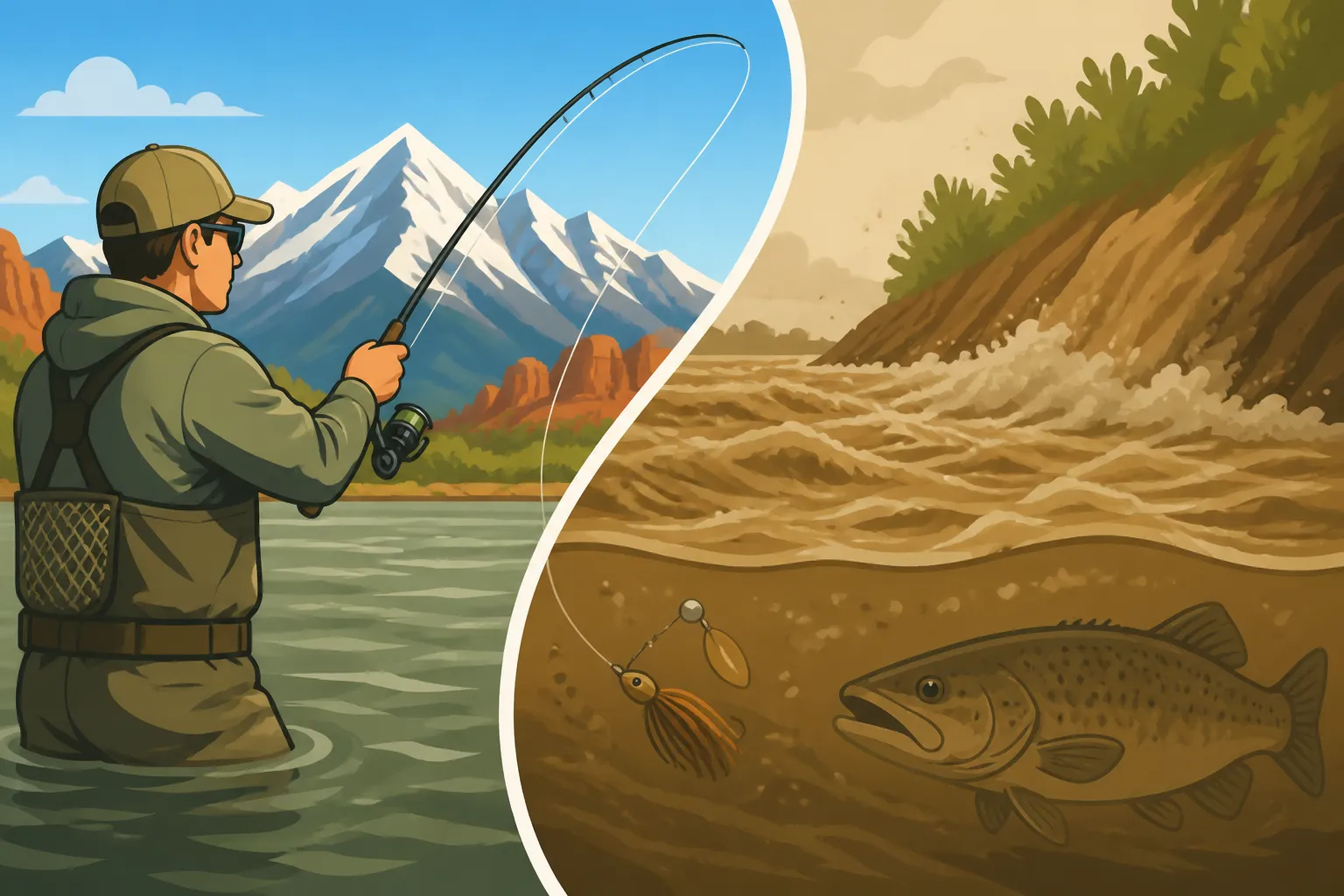
When Utah’s rivers and streams swell with spring runoff, turning once crystal-clear waters into a raging torrent of chocolate milk, it can feel like your fishing plans are completely washed out. That feeling of disappointment as you stare at a river that looks entirely unfishable is completely valid. But don't despair! This guide is all about equipping you with the knowledge and tactics to not just survive, but thrive, in these challenging, muddy runoff conditions across Utah.
Understanding Utah's Spring Runoff Phenomenon
Ah, spring in Utah! It brings beautiful wildflowers, warmer temperatures, and for us anglers, often a significant challenge: spring runoff. This annual event, driven by melting snow in the high country and occasional spring rains, is a natural and vital part of our ecosystem, but it certainly throws a wrench into our fishing plans if we’re not prepared.
What Causes Muddy Water in Rivers and Streams?
You've likely seen it – your favorite stretch of river or stream goes from a gentle flow with visible bottom structure to a churning, opaque brown mess seemingly overnight. This drastic change is primarily caused by a combination of factors. First and foremost, vast amounts of snowpack in the mountains begin to melt rapidly as temperatures rise. This influx of water dramatically increases the volume and velocity of rivers and streams. As the water rushes downstream, it picks up everything in its path: loose soil, sand, gravel, decaying vegetation, and other organic matter. This suspended sediment is what gives the water its characteristic muddy, turbid appearance.
It's not just the snowmelt; heavy spring rains can exacerbate the situation, saturating the ground and leading to more surface runoff carrying additional sediment into the waterways. This erosion is particularly pronounced in areas with exposed banks or recent disturbances, like construction sites or areas impacted by wildfires. For an angler, it’s like trying to find a needle in a haystack – visibility plummets, and the water looks angry and unforgiving. It's easy to feel defeated when faced with such conditions, but understanding the why helps us strategize the how. Many anglers just pack it up, convinced the fish are gone, but that's rarely the case.
How Runoff Affects Fish Behavior
When the water turns muddy and the current intensifies, fish don't just vanish; they adapt. Their world changes dramatically, and so do their priorities. The primary impact is on visibility. Fish, especially sight-feeders like trout, rely heavily on their vision to locate prey and avoid predators. In turbid water, that ability is severely compromised. This means they often become less active in open, fast-moving sections where they can't see what they're eating or what might be eating them.
Secondly, the sheer force of the current can be exhausting. Holding position in a raging river requires a lot of energy, energy that fish would rather conserve for feeding and survival. So, they'll instinctively seek out areas of calmer water, often referred to as "slack water" or "eddies." These are pockets of slower-moving water behind obstacles like large rocks, fallen logs, undercut banks, or even along the inside bends of a river. They also tend to hug the bottom where the current is less powerful due to friction.
The good news is that while visibility is low, runoff also brings a bounty of new food into the system. Worms, insects, and other terrestrial organisms get washed into the water, providing a protein-rich buffet. Fish still need to eat, even if it's harder for them to find food. This means that if you can present your bait or lure in the right place and appeal to their other senses (smell, vibration), you stand a very good chance of success. It's a common misconception that fish stop feeding during runoff; they simply change how and where they feed. If you want a deeper dive into this, check out our guide on How Runoff Affects Utah River Fishing.
Essential Gear Adjustments for Muddy Water
Fishing in muddy, high-water conditions demands a shift in your usual gear choices. What works perfectly in clear, low-flow situations will often be completely ineffective when the water is turbid. It’s all about helping the fish find your offering when they can't rely on sight alone.
Line, Lures, and Baits for Low Visibility
When fish can't see well, they rely more on their other senses: feel, smell, and hearing (vibration). This needs to be reflected in your tackle box.
First, consider your line. While fluorocarbon is excellent for its near invisibility in clear water, in muddy conditions, that advantage is minimized. Sometimes, a slightly heavier monofilament line can be beneficial, offering a bit more stretch if a fish hits hard in fast current, and it's less prone to abrasion against unseen debris. You might even go up a pound or two in test strength because the water itself adds drag, and you might be fighting a fish in a more challenging current.
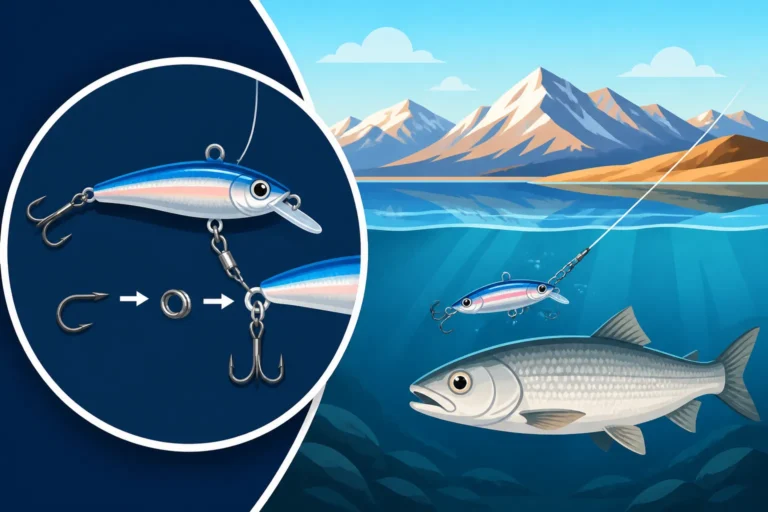
Next, let's talk lures. Forget subtle, natural colors for a moment. In muddy water, you need to grab attention. Think bright, fluorescent, and contrasting colors. Chartreuse, hot pink, fire tiger, and bright orange are often killer choices. These colors stand out more effectively in murky water. Lures that create a lot of vibration are also crucial. Spinnerbaits with large blades, crankbaits with internal rattles, and even heavier jigs that thud along the bottom can alert fish to their presence. Consider lures like a bright Roostertail spinner or a Rapala crankbait in a fire tiger pattern. For bass anglers, even in Utah's specific waters, similar principles apply, which you can read more about in our guide on Best Lures for Utah Smallmouth Bass.
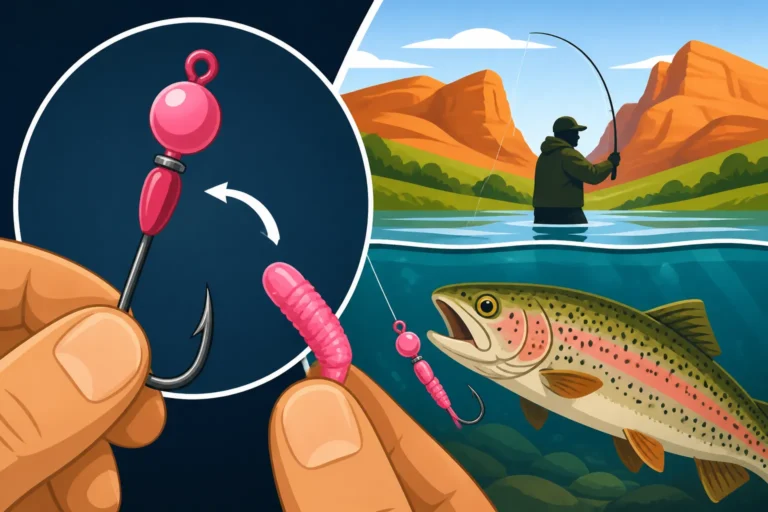
When it comes to bait, scent is king. Live bait, like nightcrawlers or mealworms, are incredibly effective because their natural scent trail can draw fish in from a distance. If live bait isn't an option or is prohibited in certain waters (always check regulations!), artificial baits infused with strong scents are your next best bet. PowerBait, especially in vibrant colors like "chartreuse garlic" or "fluorescent orange," is a perennial favorite for stocked trout in Utah and can be incredibly effective in muddy conditions. These products are readily available, and you can find a good selection on platforms like Amazon if your local tackle shop is out. Our article on How to Fish PowerBait for Stocked Trout offers more insights into maximizing its effectiveness. Soft plastic baits like Berkley Gulp! Alive! are another fantastic option, as they combine scent and a lifelike texture.
Rods, Reels, and Terminal Tackle
Your rod and reel setup might need slight adjustments for fighting fish in current and casting heavier lures. You generally don't need a completely different setup, but being aware of its capabilities is key. A medium-light to medium power spinning rod, typically 6 to 7 feet long, with a fast action tip, offers a good balance. The fast action allows for good sensitivity to detect subtle bites in turbulent water, while the medium power provides the backbone to handle heavier sinkers or lures and fight fish against the current.
For reels, a reliable spinning reel in the 2000-3000 size range, spooled with 6-10 lb test monofilament or braided line (with a fluorocarbon or mono leader if preferred, though less critical in muddy water), will serve you well. Smooth drag is always paramount, as strong fish in strong currents can make powerful runs.
Terminal tackle requires some thought too. You might need to use heavier sinkers than usual to get your bait down through the current to where the fish are holding near the bottom. Split shots, egg sinkers, or even small bottom-bouncing rigs can be effective. Hooks should be sharp and strong enough to handle potential snags and the fight of a larger fish. Consider slightly larger hooks if you're using bulkier baits like full nightcrawlers. Swivels are also important to prevent line twist, especially when using spinners or fishing in current. Don't cheap out on these small but critical components; a good quality swivel can prevent a lot of frustration.
Strategic Fishing Techniques for Muddy Conditions
Now that you've got your gear dialed in, it's time to talk strategy. Fishing muddy runoff isn't just about different lures; it's about fundamentally changing how and where you approach the water.
Targeting Fish in Slack Water and Eddies
This is perhaps the most crucial technique for runoff fishing. As discussed, fish retreat from the main current to conserve energy and find clearer, more stable water. Your mission, should you choose to accept it, is to find these refuges.
Look for areas where the main current is broken by an obstruction. Large boulders, fallen trees, bridge pilings, or even sharp bends in the river can create eddies – those swirling pockets of calmer water where the current often reverses direction or slows significantly. The "seam" where the fast current meets the slow water of an eddy is a prime feeding lane. Fish will sit in the calmer water, waiting for food to be swept past them by the main current. Undercut banks also offer fantastic cover and a break from the current, providing fish with a sense of security and a comfortable place to ambush prey.
Your approach should involve casting your bait or lure into the faster water upstream of the eddy or slack water, allowing the current to carry it naturally into the calmer zone. This mimics food being washed downstream. Be patient and work these areas thoroughly. Make multiple casts, letting your offering drift at different depths. Sometimes, a subtle change in presentation is all it takes. For instance, on rivers like the Provo River, which can experience significant runoff, knowing these holding patterns is key. Our Provo River Fishing Guide goes into detail about navigating its various sections. Similarly, understanding river dynamics can greatly improve your success.
Utilizing Scent and Vibration to Attract Bites
Since visual cues are diminished, appealing to a fish's sense of smell and lateral line (which detects vibration) becomes paramount.
When using bait, make sure it's fresh and full of natural scent. Live worms, like nightcrawlers, are hard to beat in these conditions. They wriggle, they smell, and they're a natural food source that fish are accustomed to finding in runoff. If you're using artificial baits, don't hesitate to add extra scent. Many companies offer liquid scents or gels that you can apply directly to your lures or soft plastics. Think strong, pungent scents like garlic, anise, or even a fish-attractant spray. Some anglers swear by adding a small piece of shrimp or a chunk of PowerBait to their worm rig for extra appeal.
For lures, prioritize those that create a strong vibration or flash. Spinnerbaits with brightly colored blades (like gold or silver for contrast) send out pulsing vibrations that fish can feel through their lateral line, even if they can't see the lure. Crankbaits with loud rattles are another excellent choice, especially those designed to dive deep and bounce off the bottom, creating a commotion. Even a simple spoon, wobbling enticingly as it's retrieved, can send out enough vibration and flash to grab a fish's attention in murky water. On some Utah waters, like those with smallmouth bass, a slow-rolled spinnerbait or a Texas-rigged worm with a rattle can be highly effective. You can find many such options on Amazon with just a quick search.
Fishing Deeper and Slower
In muddy, turbulent water, fish often drop down to the bottom. The current is slowest there due to friction with the riverbed, offering them a more comfortable and secure position. They also feel less exposed to predators from above. This means you often need to get your bait or lure down deep and keep it there.
Using enough weight to achieve bottom contact is crucial. This might mean using heavier split shots, egg sinkers, or even drop-shot rigs to ensure your offering is presented right in their strike zone. When fishing rivers, a "bottom-bouncing" technique, where your weight occasionally ticks or bounces along the riverbed, can be very effective. This creates puffs of sediment that can attract curious fish.
Retrieve speed also typically needs to be slower. Fish in murky water are often less aggressive and need more time to locate and commit to a strike. A slow, steady retrieve with a crankbait, or a gentle twitch-and-pause with a jig, can be more effective than a fast-moving presentation. Let your bait or lure spend as much time as possible in the potential strike zone. For example, when targeting trout in a reservoir's muddier inlet during runoff, letting a PowerBait rig soak on the bottom for an extended period often yields results. You're effectively putting the food right in front of their noses and giving them ample time to find it by scent and vibration.
Best Utah Waters to Fish During Runoff (and which to avoid)
Knowing how to fish runoff is only half the battle; knowing where to go is equally important. Not all waters are affected by runoff in the same way, and some actually fish better during these periods.
Rivers and Streams That Fish Well During Runoff
While many rivers turn into unfishable torrents, there are diamonds in the rough. Tailwaters are often your best bet during peak runoff. These are river sections located immediately downstream from a dam. The water released from the bottom of a large reservoir is typically cold, clear, and consistent, regardless of what's happening upstream. The dam acts as a massive filter, trapping sediment and regulating flow.
A prime example in Utah is the Green River Below Flaming Gorge Dam. This world-renowned fishery often remains remarkably clear and fishable even when other rivers are blown out. The consistent conditions below the dam mean fish behavior is less disrupted by runoff, and they remain actively feeding. Another example could be the lower sections of some rivers as they get further from the mountains, sometimes allowing sediment to settle or receiving clearer tributary inflows. Smaller creeks might also clear faster than large rivers once the main snowmelt subsides.
Another consideration is how steep the terrain is where a river flows. Rivers that flow through flatter, less erodible terrain might not get as muddy as those carving through steep canyons. Always check current conditions and flow rates (available from USGS websites) before heading out.
Reservoirs and Lakes as Alternatives
When rivers are completely unfishable due to heavy runoff, large reservoirs and lakes become fantastic alternatives. The sheer volume of water in a reservoir can dilute the incoming muddy water, or at least keep the main body of the lake clearer.
However, it's not a blanket solution. You need to be strategic. The inlets where rivers or streams dump into the reservoir will likely be very muddy. Avoid these areas initially. Instead, focus on the main body of the lake, particularly points, coves, and areas far from major inflows. The fish here may not be as affected by the turbid water and might even congregate in the clearer sections.
Consider lakes like Strawberry Reservoir Fishing Guide, which is massive enough to handle significant inflows without its entire body becoming muddy. You might find excellent fishing near the dam or in coves on the opposite side of major inlets. Similarly, Deer Creek Reservoir Fishing Spots offers ample space to find clearer water. Even Utah Lake Fishing Guide, despite being naturally turbid, won't typically be more unfishable due to snowmelt, and its resident species are accustomed to lower visibility. The key is to seek out areas where the water clarity is better, even if it's just a few feet more visibility than the river. Sometimes, even a slight increase in clarity can make a big difference to the fish.
| Feature | Clear Water Conditions | Muddy Runoff Conditions |
|---|---|---|
| Visibility | High, fish rely on sight | Low, fish rely on scent & vibration |
| Current | Moderate to low, fish spread out | Strong, fish seek slack water and eddies |
| Lure Colors | Natural, subtle (greens, browns, clear) | Bright, contrasting (chartreuse, orange, hot pink) |
| Lure Type | Realistic imitations, subtle action | High vibration (spinners, rattles), scent-infused |
| Bait | Minimal scent often sufficient | Strong scent (worms, PowerBait, Gulp!) essential |
| Depth | Varies, often mid-column or near cover | Deeper, near bottom, especially in slack water |
| Retrieve | Faster, varied | Slower, deliberate, allowing fish to locate |
| Target Areas | Riffles, runs, seams, structure throughout | Eddies, slack water, undercut banks, deep pockets |
Safety and Conservation in High Water
Fishing during runoff isn't just about changing your tactics; it's also about prioritizing safety and adhering to ethical angling practices. High, fast, and cold water can be incredibly dangerous.
Navigating High and Fast Currents Safely
When rivers are swollen with runoff, the currents are often much stronger than they appear, and the water is incredibly cold. Wading in these conditions can be extremely hazardous. The riverbed can change dramatically with the increased flow, creating unseen drop-offs or dislodging rocks. A firm footing that was there last week might be gone, and a momentary slip can have serious consequences. Always use a sturdy wading staff for stability and to probe the bottom ahead of you. Never wade alone, and always let someone know where you are going and when you expect to return.
If you are fishing from the bank, be mindful of saturated, unstable ground. Undercut banks, while great for fish, can be dangerous for anglers standing too close to the edge, as they can collapse. Wear appropriate layers to stay warm, as the air temperature might be mild, but a splash of frigid runoff water can quickly lead to hypothermia. If you're fishing from a boat, ensure all safety gear, including life jackets, is easily accessible and worn, especially if navigating strong currents or unseen debris. Always check the river's flow rate and conditions before heading out. You don't want to find yourself in a situation you're not equipped to handle.
Respecting Fish and Regulations During Stressful Periods
Fish are already under increased stress during runoff due to the powerful currents, cold water, and reduced visibility. It's our responsibility as anglers to minimize any additional stress we might cause. When practicing catch and release, handle fish gently and quickly. Try to keep them in the water as much as possible, especially large fish. If you must take a photo, do it swiftly and return the fish to the water immediately. Use barbless hooks to facilitate easier release and reduce harm.
Always be acutely aware of and follow Utah's specific fishing regulations. Runoff coincides with spawning seasons for some fish species, and certain waters might have special restrictions or closures during these times to protect vulnerable populations. Our comprehensive Utah Fishing Regulations Explained guide is an invaluable resource for understanding the rules. Also, make sure you know the Utah Daily Bag and Possession Limits for the species you're targeting and verify the Utah Fishing Season Dates and Limits for the specific body of water you intend to visit. Ignorance of the law is never an excuse, and violating regulations can lead to hefty fines and loss of fishing privileges. Remember, ethical angling ensures healthy fisheries for everyone for years to come.
Disclaimer
The information provided in this guide is for educational and informational purposes only. Fishing conditions and regulations in Utah can change frequently. Always consult the official Utah Division of Wildlife Resources (UDWR) website or current fishing proclamation for the most up-to-date rules, regulations, and conditions before heading out on the water. Prioritize your safety and adhere to all local, state, and federal laws.