Best Time of Day to Fish in Summer Heat in Utah
The sweltering Utah summer heat can turn what should be a relaxing day of fishing into a frustrating, fish-less experience, leaving many anglers wondering if it's even worth casting a line. Understanding how fish react to these warmer conditions and adapting your timing is absolutely crucial to success. This guide will dive deep into the best times of day to target fish in Utah's summer heat, along with practical strategies to increase your chances of a rewarding outing.
Understanding Summer's Grip: How Heat Affects Utah Fishing
When the brutal Utah sun beats down, it doesn't just make us uncomfortable; it profoundly impacts the aquatic environment and, consequently, fish behavior. Many anglers hit the water in the middle of the day because that's when it's convenient, only to find the fishing slow or completely dead. This isn't just bad luck; it's a direct consequence of the physics and biology at play when water temperatures rise.
Water Temperature, Oxygen, and Fish Retreat
One of the biggest factors in summer fishing is water temperature. As the sun warms the surface, it creates distinct layers in many reservoirs, a phenomenon known as thermal stratification. The top layer, called the epilimnion, gets warm and holds less dissolved oxygen. Below that is the thermocline, a transition layer where the temperature drops rapidly. Finally, the hypolimnion is the deepest, coldest layer.
Fish, especially cold-water species like trout, are constantly seeking their preferred temperature range, which also corresponds with adequate oxygen levels. Warmer water holds less oxygen, and fish often become stressed in these conditions. During the hottest parts of the day, they will retreat from the warm, oxygen-depleted surface waters. This usually means moving to deeper areas, congregating near underwater springs, or hiding in the shade of submerged structures like ledges, brush piles, or old river channels. Trying to catch fish actively feeding in the shallow, warm water midday is often an exercise in futility. It’s like trying to get us to run a marathon in the desert at high noon!
Fish Behavior: The Midday Slump
Beyond just finding comfortable temperatures and oxygen, fish exhibit a noticeable change in their activity levels during the heat of summer. Just like humans, they become more lethargic to conserve energy. Their metabolism slows down, and their feeding windows become much shorter and more defined. Instead of cruising and actively hunting, they often "hole up" in cooler, deeper sanctuaries, waiting for conditions to improve.
The midday slump is a real thing. From late morning until late afternoon, you'll often find fish reluctant to chase lures or even move much for an easy meal. This is a survival mechanism. Trying to entice a bite during these hours requires exceptional luck or targeting very specific, hidden pockets where fish might be marginally more active. It's not about the fish not being there; it's about them being in a state of semi-dormancy, completely uninterested in engaging with your offering. If you understand how water temperature affects Utah trout fishing, you'll quickly learn that fishing during peak heat is often a lost cause for many species.
The Golden Hours: Your Best Bet for Summer Catches
Given how detrimental midday heat can be, your absolute best strategy for successful summer fishing in Utah revolves around timing your outings. There are specific "golden hours" when fish are most active and conditions are more favorable for both them and you. These windows are often short, but incredibly productive if you make the effort to be there.
Embrace the Dawn Patrol
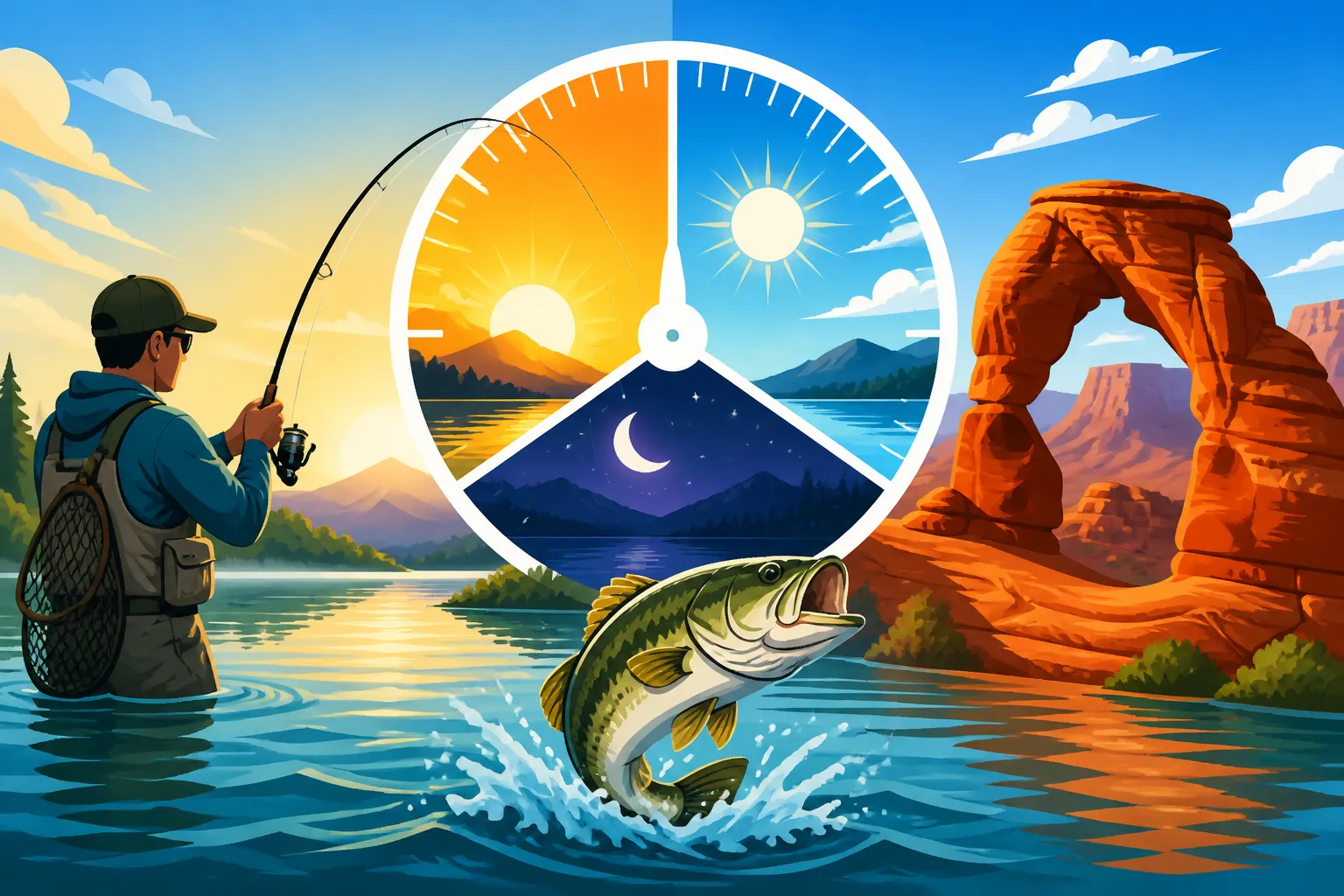
Without a doubt, the early morning hours are the prime time to fish during Utah's summer heat. We're talking pre-dawn, as the first hints of light appear on the horizon, until about 9 or 10 AM, depending on how quickly the air and water temperatures rise. There are several reasons why this window is so magical:
- Coolest Temperatures: Overnight, the air cools down, and the surface water temperature drops to its lowest point of the day. This makes shallow areas more tolerable for fish, and even deeper waters become more uniformly comfortable.
- Increased Oxygen: Cooler water holds more dissolved oxygen, invigorating fish and making them more willing to expend energy on feeding.
- Low Light Conditions: Many fish species are more active in low light. It provides a natural camouflage from predators (including us anglers!) and makes them less wary. This is when they'll often move into shallower feeding flats, shorelines, and structure where they wouldn't dare to venture later in the day.
- Reduced Angler Pressure: You'll often have the water to yourself, or at least share it with far fewer people than later in the day. This means less disturbance and potentially more aggressive fish.
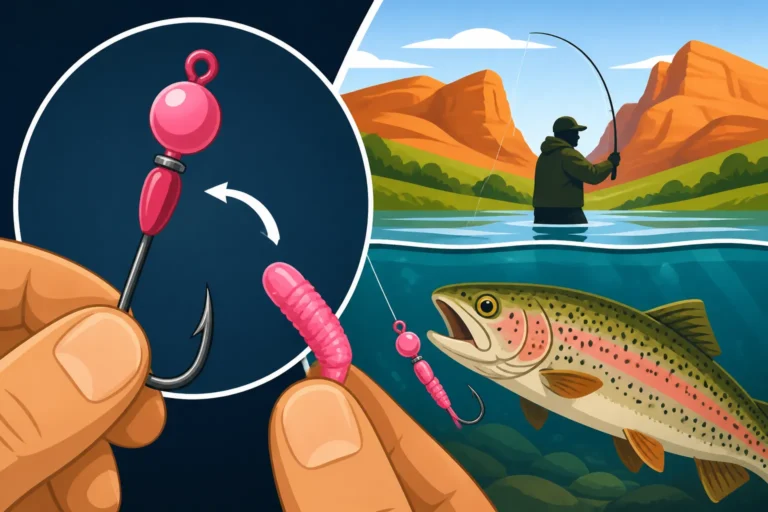
For species like trout, bass, and even panfish, a topwater bite can be explosive in the dim morning light, or they'll readily strike shallow-running crankbaits, spinnerbaits, or even simple worms under a bobber. If you're targeting trout, using your favorite Utah trout fishing tips will be far more effective during these cool morning hours. Make sure your cooler is packed with ice and plenty of water for yourself, and load up your tackle box the night before. You can find quality coolers and other essential gear on Amazon.
Twilight's Temptation
While not as consistently productive as the early morning, the late evening window, from an hour or two before sunset until just after dark, offers another excellent opportunity. As the sun begins its descent, the intensity of the heat diminishes, and the air and water temperatures start to gradually drop. This signals to the fish that it's safe to venture out of their deep-water retreats and resume feeding.
During this time, fish often move into shallower areas to forage, much like they do in the morning. The low light again provides a sense of security, and baitfish might also be more active, creating feeding opportunities. You might experience a brief but intense bite as fish try to fill their stomachs before settling into their nighttime patterns. For bass, topwater lures or buzzbaits can be exciting options as they hunt near the surface. For other species, soft plastics, jigs, or even natural baits fished near structure can be highly effective. The evening provides a quieter, more peaceful fishing experience after a hot day, and often offers spectacular sunsets over Utah's beautiful reservoirs.
Night Fishing: A Cooler Frontier
For the truly dedicated (or desperate) summer angler, night fishing can be a surprisingly productive and comfortable alternative to battling the midday sun. Once the sun is completely gone and temperatures have dropped significantly, a whole new world of angling possibilities opens up. The water is at its coolest, and many nocturnal fish species become highly active.
Night fishing is particularly effective for species like catfish, walleye, and even striped bass in waters like Lake Powell. These fish rely heavily on their sense of smell and lateral lines, making them excellent hunters in the dark. For example, knowing the best time of day to catch striped bass at Lake Powell often means heading out when the stars appear. You'll need specialized gear, including headlamps or lanterns, glow-in-the-dark lures, and perhaps some light sticks for your bobbers, all of which you can conveniently purchase from Amazon. Safety is paramount when fishing at night, so always fish with a buddy and be aware of your surroundings. While it takes some getting used to, the cool, quiet solitude of night fishing can be incredibly rewarding and a great way to escape the summer heat.
Smart Strategies for Beating the Heat and Finding Fish
Beyond just timing your trips, there are several tactical adjustments you can make to increase your success when fishing in the summer heat. It's not just about when you fish, but how and where you fish.
Go Deep: Locating Cooler Water Havens
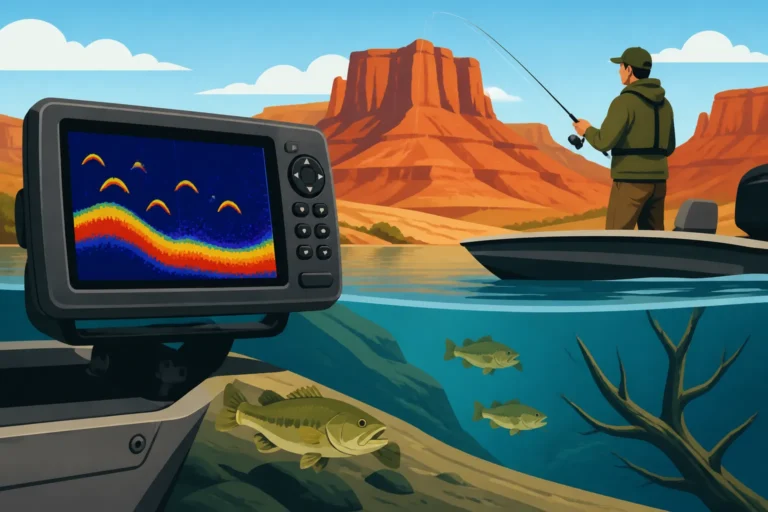
When fish aren't in the shallows during the golden hours, they're likely in deeper, cooler water. This means your fishing techniques need to adapt. Instead of casting towards the bank, focus on targeting deep water and submerged structures where fish seek refuge. This is where a good fish finder becomes an invaluable tool. It can help you identify thermoclines, locate drop-offs, underwater humps, old creek beds, and even schools of baitfish or game fish holding tight to structure.
For lake trout, for instance, learning how to fish deep water for summer lake trout is essential. Techniques like jigging, deep trolling with downriggers, or using heavy bottom-bouncing rigs with bait are often the ticket. Look for areas where rivers or streams feed into a reservoir, as these can introduce cooler, oxygenated water. Submerged timber and rock piles also provide essential shade and cover. Don't be afraid to experiment with different depths until you find where the fish are comfortable.
Species Selection: Targeting Heat-Tolerant Fish
While many popular game fish slow down in the heat, some species are more tolerant of warmer water and can be targeted more effectively throughout the day. If you're struggling to find trout or smallmouth bass in the middle of a hot afternoon, consider switching your focus to fish that thrive in these conditions.
- Catfish: Channel catfish are champions of warm water. They are often active day and night in Utah Lake and other warmer reservoirs, especially near the bottom. Stink baits, cut bait, and even hot dogs can be incredibly effective.
- Carp: Often overlooked, carp are abundant in many Utah waters and put up a fantastic fight. They are not deterred by warm water and can be caught throughout the day using corn, dough balls, or bread.
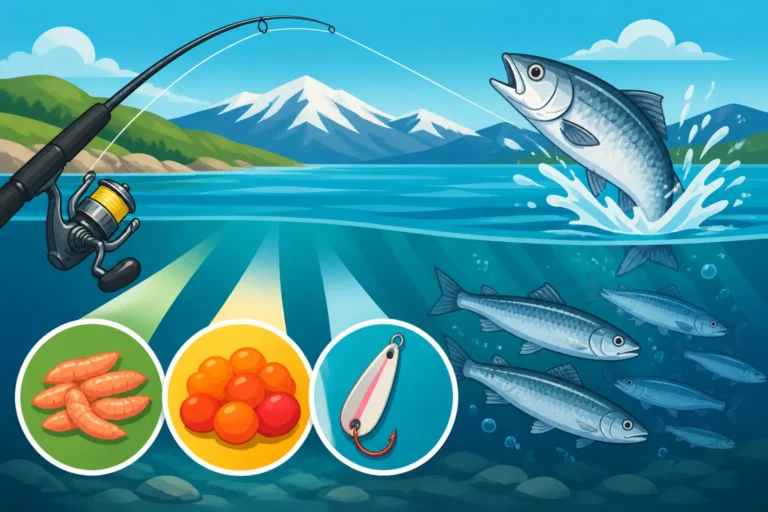
- Wiper (Hybrid Striped Bass): Found in places like Willard Bay, wipers are aggressive predators that can tolerate warmer water surprisingly well. They often feed on schools of baitfish and can be targeted with crankbaits, spoons, or live bait.
- Panfish: Bluegill and perch can sometimes be found in shallower, shadier areas even during hotter periods, especially if there's good cover. A simple worm and bobber setup can still yield results, particularly for kids.
Expanding your target species can make a huge difference in your summer success. It might also be worth checking out the "Utah Fishing Season Dates and Limits" to ensure you're compliant with regulations for any species you decide to pursue.
Prioritizing Angler Comfort and Safety
It's easy to get caught up in the pursuit of fish, but your own well-being is paramount, especially in the intense Utah summer heat. Dehydration and heat stroke are serious risks.
- Hydrate Relentlessly: Drink plenty of water before, during, and after your fishing trip. Avoid excessive caffeine and alcohol, which can contribute to dehydration. Consider bringing electrolyte drinks as well.
- Sun Protection is Key: Wear a wide-brimmed hat, sunglasses that block UV rays (you can find excellent options on Amazon), and long-sleeved, lightweight, sun-protective clothing. Apply broad-spectrum sunscreen liberally and reapply often.
- Seek Shade: If possible, fish from shaded areas on the shore, or position your boat to take advantage of any available shade from cliffs or overhanging trees.
- Dress Appropriately: Choose light-colored, moisture-wicking fabrics that keep you cool and dry.
- Know Your Limits: Don't push yourself too hard. If you start to feel unwell (dizzy, nauseous, overly fatigued), stop fishing, find a cool spot, hydrate, and consider calling it a day. There's always another opportunity to fish!
Remember, fishing is supposed to be enjoyable. By being smart about your timing, adapting your techniques, and prioritizing your safety, you can still have incredibly productive and pleasant fishing experiences during the hottest months of the Utah summer. For beginners, understanding these fundamentals is just as important as knowing how to tie a basic fishing knot for trout fishing.
| Time of Day | Key Advantages | Target Species (Examples) | Recommended Lures/Bait | Angler Comfort Level |
|---|---|---|---|---|
| Early Morning | Coolest temps, high oxygen, low light, active fish | Trout, Bass, Walleye, Panfish | Topwater, crankbaits, spinners, worms, jigs | High |
| Midday | Low angler competition (but tough fishing) | Catfish, Carp, Wiper (deep) | Deep jigs, cut bait, stink bait, corn, deep crankbaits | Low |
| Late Evening | Declining temps, low light, fish feeding before dark | Bass, Trout, Walleye, Catfish | Topwater, soft plastics, crankbaits, jigs, live bait | Medium |
| Night | Coolest temps, nocturnal species active, solitude | Catfish, Walleye, Striped Bass | Glow lures, cut bait, stink bait, large swimbaits | High |
Disclaimer
The information provided in this guide is for general informational purposes only and does not constitute legal advice. Fishing regulations and conditions in Utah can change frequently. Always consult the most current Utah Division of Wildlife Resources (DWR) regulations guide before heading out on the water. Be aware of local conditions, weather forecasts, and any specific warnings or advisories for the waters you plan to fish. Practice responsible angling, including catch-and-release practices when appropriate, and always dispose of your trash properly.