Best Month for Walleye Fishing in Utah
If you've ever spent countless hours on the water, casting and re-casting, wondering why those elusive walleye just aren't biting, you're not alone. Many anglers in Utah struggle to pinpoint the perfect time to target these often finicky, yet incredibly rewarding, fish. This comprehensive guide will peel back the layers on walleye behavior throughout the year, helping you understand precisely which months offer the absolute best opportunities for a successful catch in Utah.
The Walleye Sweet Spot: Why Spring Reigns Supreme for Utah Anglers
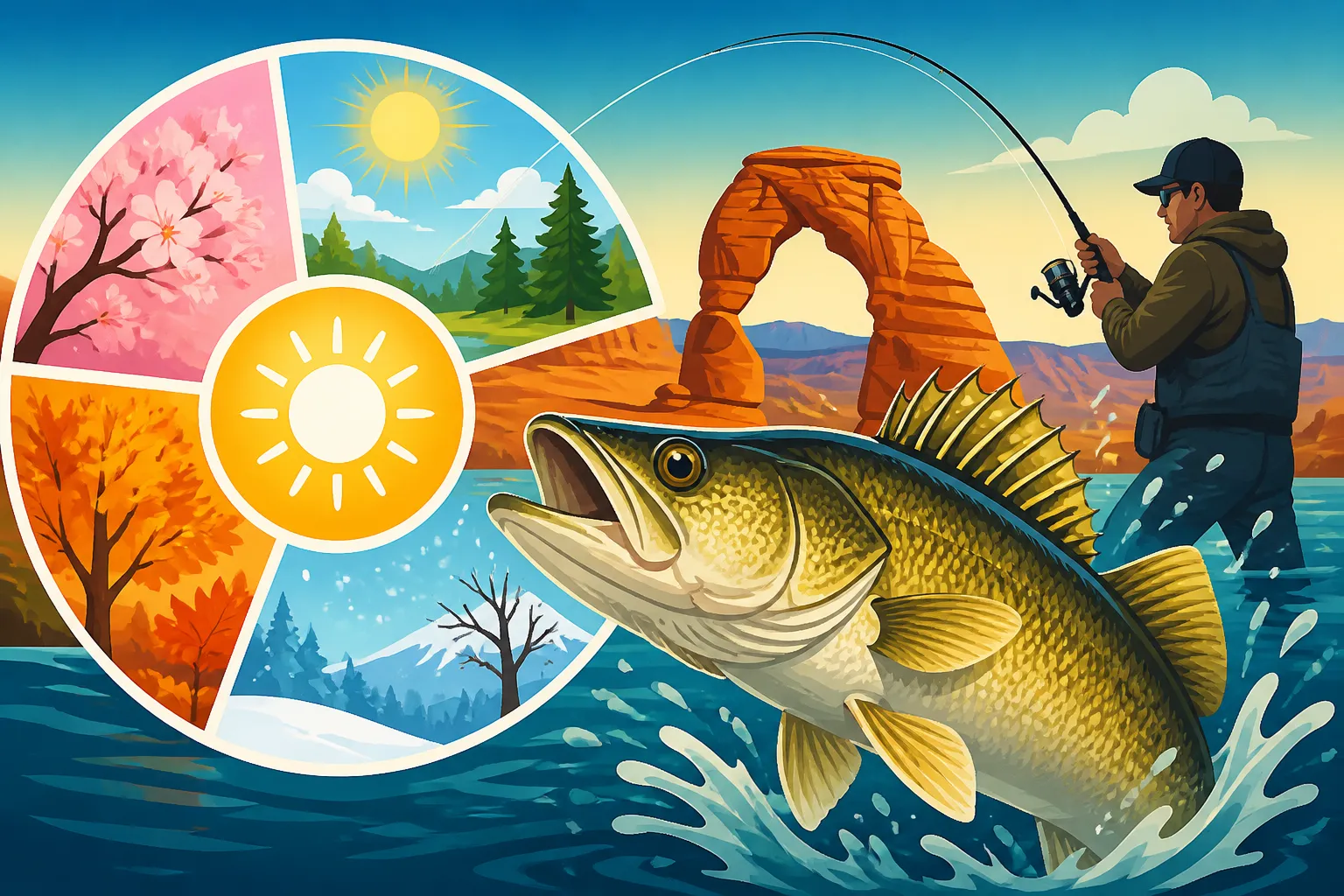
When it comes to walleye fishing in Utah, ask any seasoned angler for their top pick, and overwhelmingly, you'll hear "spring." There’s a very good reason for this, deeply rooted in the walleye's natural life cycle and feeding patterns. As the ice recedes and water temperatures begin to climb, these fish transition from their lethargic winter state to an aggressive, pre-spawn and spawning frenzy, making them significantly more accessible and willing to bite.
Pre-Spawn and Spawning Frenzy in Early Spring
As late winter gives way to early spring, typically from March through early May, the walleye begin to stage for their annual spawn. This period is, without a doubt, the prime window for targeting large, active walleye. The exact timing can shift a bit year to year, depending heavily on how quickly the ice melts and water temperatures rise, but generally, when the water hits that sweet spot between 45 and 55 degrees Fahrenheit, it’s game on.
During this pre-spawn phase, walleye are gorging themselves, trying to build up energy reserves for the strenuous act of spawning. They're often found in shallower water near rocky points, reefs, and river mouths where they plan to lay their eggs. This makes them much easier to locate and target, especially compared to their deep-water haunts in summer. Many anglers experience incredible success using jigs tipped with minnows or soft plastics, slowly working these baits along the bottom in these staging areas. The sheer numbers of active fish, combined with their aggressive feeding, create an unparalleled fishing experience.
Post-Spawn Recovery and Continued Feeding
Once the actual spawning activity subsides, usually by late April or early May, the walleye enter a post-spawn recovery phase. While they might be a bit sluggish immediately after spawning, they quickly rebound and begin feeding aggressively again to regain lost energy. This period, extending through May and into early June, offers another fantastic opportunity for anglers.
During this time, walleye are often found moving slightly deeper than their spawning beds but are still relatively shallow compared to mid-summer. They'll frequent drop-offs, weed lines, and submerged structures where baitfish are abundant. Trolling crankbaits that mimic the local forage, or drifting live bait rigs, can be incredibly effective. The fish are less concentrated than during the pre-spawn, but they are still actively seeking food, making them catchable for those who can adapt their techniques. Focusing on transitional areas between shallow spawning grounds and deeper summer haunts is key to finding these recovering, hungry fish. For specific techniques, you might want to check out how to catch walleye at Utah Lake in spring, as many of these principles apply broadly.
Beyond Spring: Chasing Walleye Through Summer, Fall, and Winter
While spring might hold the crown for prime walleye fishing, the rest of the year certainly isn't a write-off. Dedicated anglers can find success in summer, fall, and even through the ice in winter, provided they understand how walleye behavior changes with the seasons and adjust their tactics accordingly. It's all about knowing where the fish are and what they're willing to bite.
Summer Strategies: Going Deep or Going Dark
Summer walleye fishing in Utah, typically from June through August, presents a different challenge. As water temperatures climb into the 70s, walleye become more lethargic in daylight and retreat to deeper, cooler waters. This means anglers need to adjust their approach significantly. During the day, you’ll often find them congregating around deep structure – submerged humps, rock piles, and sharp drop-offs. Trolling deep-diving crankbaits, bottom bouncers with worms or leeches, or vertical jigging can be highly effective for reaching these deep-water fish. A good fish finder is almost essential for locating these deeper holding patterns.
However, many experienced walleye anglers swear by night fishing during the summer months. As the sun sets and water temperatures cool slightly, walleye often move into shallower areas to feed under the cover of darkness. This is when they become more active, chasing baitfish in areas that were barren during the day. Long-tail articles like what lures work best for Utah Lake walleye after dark? can provide excellent insights into specific bait and presentation choices for these nocturnal excursions. It's a completely different experience, often peaceful and incredibly productive, yielding some of the biggest walleye of the season.
Fall Feeding Frenzy: Bulking Up for Winter
As autumn descends, usually from September through November, walleye once again enter a significant feeding period. This "fall feeding frenzy" is critical for them to pack on calories before the lean winter months. Water temperatures begin to cool, and fish activity picks up considerably compared to the dog days of summer. Walleye will often return to shallower depths, especially during overcast days, actively hunting schools of baitfish.
This season offers some of the most consistent fishing, with walleye being less finicky than in summer. Trolling crankbaits, casting jigs, or using live bait rigs are all viable options. Look for areas where baitfish are abundant, often near weed lines, creek channels, and gradual drop-offs. The fish are actively patrolling and will strike a variety of presentations. This is also a great time to target larger, trophy-sized walleye as they try to maximize their fat reserves. The cooler weather also means fewer recreational boaters, offering a more tranquil fishing experience.
Winter Walleye: Ice Fishing Opportunities
For the intrepid angler, walleye fishing doesn't stop when the ice forms, typically from December through February. Ice fishing for walleye can be incredibly rewarding, though it often requires patience and specific techniques. Walleye activity slows down in the cold water, but they still need to feed. They tend to hold near structure, drop-offs, or transition areas between shallow feeding flats and deeper holes.
Popular techniques include jigging spoons, Rapala-style baits, or live minnows suspended under tip-ups. A good portable fish finder or an ice fishing flasher can make a world of difference in locating fish and understanding their behavior beneath the ice. The key is often finding that "first ice" or "last ice" period when fish are most active, or focusing on low-light periods throughout the day. While not as high-volume as spring, winter can yield some quality walleye, and the quiet solitude of ice fishing is an experience unto itself. Always remember to prioritize safety when venturing onto the ice.
Mastering the Bite: Techniques and Locations for Utah Walleye
Understanding the seasons is just the first step; knowing how and where to apply that knowledge is what truly leads to success. Walleye are predators, and their behavior is heavily influenced by their environment and the availability of food. Tailoring your techniques and choosing the right spots are paramount.
Go-To Baits and Lures for Hungry Walleye
Walleye can be particular, but there are some consistent performers that every Utah walleye angler should have in their arsenal. Live bait, especially minnows (where legal), shiners, leeches, and nightcrawlers, are often irresistible. They provide natural scent and action that can entice even a hesitant walleye. When using live bait, focus on presentations that keep the bait near the bottom, such as bottom bouncer rigs or slip bobbers.
Artificial lures also play a huge role. Jigs, especially 1/8 to 1/2 ounce jigs tipped with soft plastic grubs, paddle tails, or curly tails, are incredibly versatile. Colors like chartreuse, white, black, and natural baitfish patterns are excellent starting points. For trolling, crankbaits that dive to various depths are essential. Brands like Rapala, Berkley, and Bandit offer a wide range of effective walleye crankbaits. Ensure you have a good selection of sizes and colors to match the forage and water conditions. You can find a vast array of these options on Amazon, allowing you to stock your tackle box for any scenario. Consider looking for some of the best lures for a Utah tackle box to get started.
Spinnerbaits, especially those with hammered blades for flash and vibration, can also be effective in certain conditions, particularly when fish are aggressive. The choice often comes down to matching the hatch (what the walleye are currently feeding on) and adapting to water clarity and depth.
| Season | Primary Location | Water Temperature Range (F) | Best Techniques | Recommended Baits/Lures |
|---|---|---|---|---|
| Spring | Shallow rocky points, reefs, river mouths, spawning flats | 45-55° | Jigging, slow trolling, casting shallow crankbaits | Minnows, jigs (soft plastics), shallow crankbaits |
| Summer | Deep humps, drop-offs, weed lines; shallow at night | 65-75°+ | Deep trolling, vertical jigging, night casting/trolling | Worm harnesses, deep crankbaits, jigs (at night) |
| Fall | Mid-depth structure, weed edges, transition zones | 50-65° | Trolling, casting jigs, live bait rigging | Crankbaits, jigs, minnows, nightcrawlers |
| Winter | Deep edges, humps, structural elements under ice | 35-40° | Ice jigging, tip-ups with live bait | Jigging spoons, minnows, Rapalas |
Prime Walleye Fishing Destinations in Utah
When you're ready to hit the water, knowing where to go is half the battle. While walleye aren't as widespread as trout in Utah, there are a few standout waters renowned for their populations.
Utah Lake is arguably the most famous and productive walleye fishery in the state. This large, shallow lake offers extensive habitat for walleye, and it consistently produces both numbers of fish and trophy-sized specimens. Its unique characteristics mean that understanding the Utah Lake Walleye population and how they behave in this specific environment is crucial. When targeting walleye here, look for the deeper channels, rock piles, and submerged vegetation. Access points like Provo Boat Harbor or American Fork Harbor provide good starting points.
Another excellent destination is Starvation Reservoir in central Utah. This reservoir is known for its healthy walleye population and offers fantastic opportunities for both boat and shore anglers. The walleye here tend to grow large and are often caught trolling crankbaits or casting jigs. Pay attention to the steep drops, rocky points, and submerged timber.
Willard Bay Reservoir is another great option, particularly for wipers, but it also holds a decent walleye population. Its warm, productive waters support a strong forage base.
Before you head out, always double-check the current Utah fishing regulations explained, as limits and specific rules can vary by waterbody. For instance, the Utah Walleye Daily Limit is something you'll definitely want to know before you keep any fish. Don't forget to secure your Utah Fishing License Guide before casting your first line!
Maximizing Your Walleye Success in Utah
Beyond knowing the best months and basic techniques, a few extra tips can significantly improve your chances of consistently catching walleye in Utah. These often overlooked details can separate a good day from a truly memorable one.
Understanding Walleye Behavior Patterns
Walleye are often described as "low-light feeders." This means they are most active during dawn, dusk, and cloudy days. Their large, light-sensitive eyes give them a distinct advantage over their prey (and over many other fish species) in dimmer conditions. Therefore, timing your fishing trips to coincide with these low-light periods, especially in the warmer months, can drastically increase your success rate. Even on bright, sunny days, targeting shady areas or deeper water where light penetration is reduced can be productive. Knowing what walleye eat in Utah Lake can also help you select the most effective lures or baits, as matching the local forage is always a winning strategy.
Another critical aspect of walleye behavior is their schooling nature. When you find one walleye, there are often more nearby. This makes using a quality fish finder incredibly useful for locating schools, especially in larger reservoirs. Mark your spots on GPS when you find active fish, as they often return to similar areas, following baitfish migrations or utilizing consistent structure. A portable fish finder available on Amazon can be a game-changer for anglers without a boat-mounted unit.
Essential Gear and Safety Considerations
Having the right gear makes a huge difference. A medium-light to medium power spinning or casting rod, paired with a sensitive reel spooled with 6-10 pound test monofilament or fluorocarbon line, is ideal for most walleye fishing situations. Line sensitivity is crucial for detecting those subtle walleye bites. Don't forget a sturdy landing net; walleye have sharp teeth and can be surprisingly feisty when brought to the boat or shore.
Beyond fishing gear, always prioritize safety. If you're fishing from a boat, ensure all required safety equipment is onboard and that everyone wears a life jacket, especially in cold water conditions. For ice fishing, never go alone, always check ice thickness with an auger or spud bar, and inform someone of your plans. Weather in Utah can change rapidly, so be prepared for various conditions with appropriate clothing and supplies.
Finally, while catching the Utah State Record Walleye is a dream for many, understanding and respecting regulations is paramount. Always check current catch limits and any special regulations for the specific body of water you're fishing. Conservation efforts ensure that Utah's walleye fisheries remain healthy for generations to come.
Disclaimer
Fishing conditions and regulations in Utah can change. Always consult the latest Utah Division of Wildlife Resources (DWR) official guidebooks and current proclamations before heading out on any fishing trip. This article is intended for informational purposes only and does not constitute official legal advice or regulations.