Are Tiger Trout Stocked or Wild in Utah?
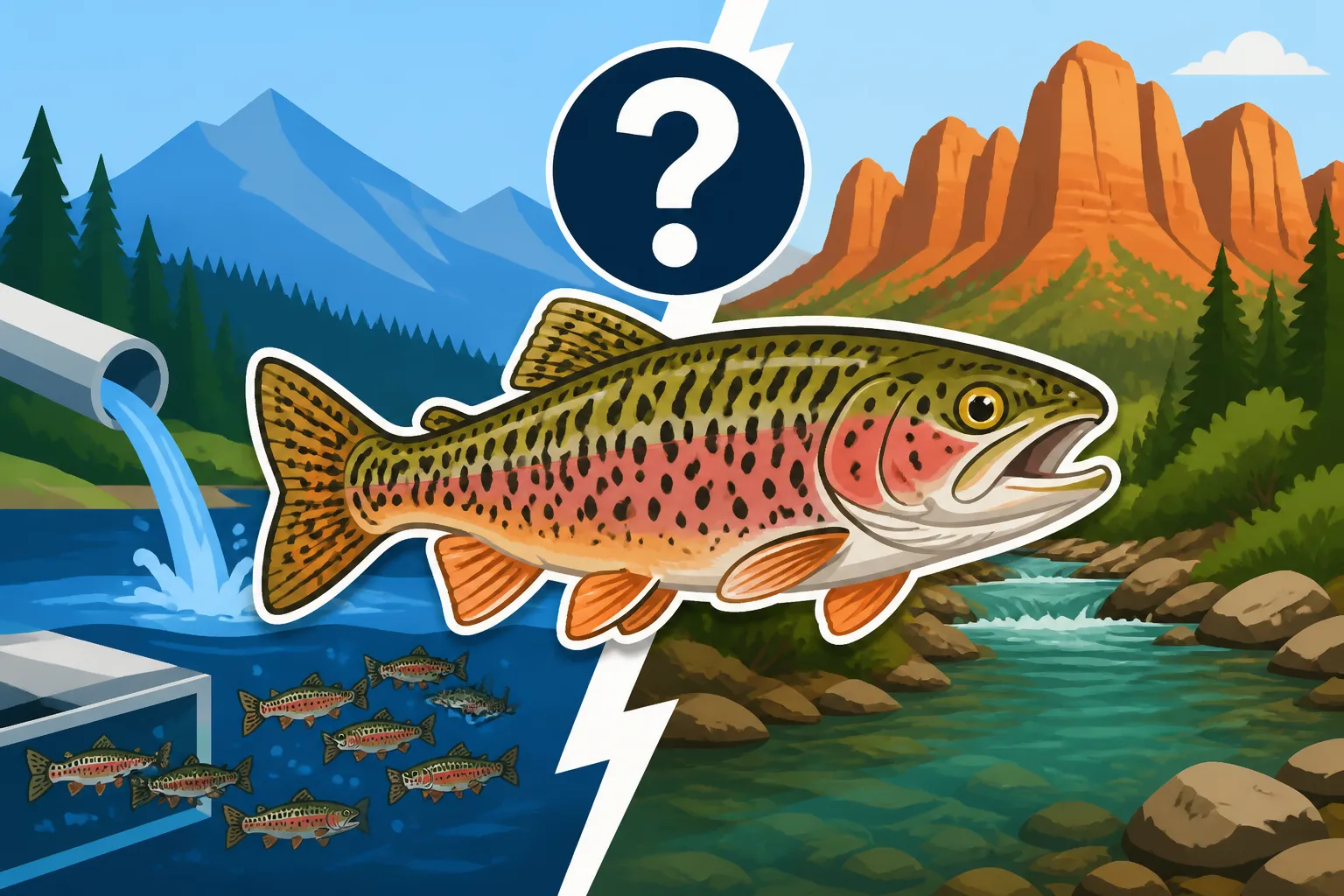
It’s a question many Utah anglers ponder when they reel in one of those striking, stripe-patterned beauties: "Are these tiger trout wild, or did the state put them here?" The truth about tiger trout in Utah isn't as simple as other species, as their unique origins make them a bit of a special case. This guide will dive deep into the fascinating world of tiger trout, revealing whether these gorgeous fish are naturally occurring in Utah's waters or if they're a result of strategic stocking efforts by the Utah Division of Wildlife Resources (DWR).
Understanding Tiger Trout: A Unique Hybrid
Before we get into whether these fish are wild or stocked, let's talk about what a tiger trout actually is. They aren't your average rainbow or brown trout. Tiger trout are a fascinating biological anomaly, a hybrid that catches the eye and provides an exciting fight for anglers across Utah. Their very existence is a testament to nature's occasional surprises and, more often, to thoughtful fisheries management.
The Striking Appearance of Tiger Trout
There's no mistaking a tiger trout once you've seen one. Their most defining characteristic is their incredible, labyrinthine pattern, which gives them their iconic name. Imagine the intricate stripes of a tiger, but applied to a fish in swirling, vermiculated patterns that are truly mesmerizing. These dark, worm-like markings often stand out against a lighter, yellowish or brownish-orange body, sometimes with hints of green. It's almost like someone took a paintbrush and created a unique, abstract design on each fish. This distinctive camouflage isn't just for show; it helps them blend into rocky and weedy habitats, making them elusive prey for predators and an exciting challenge for anglers to spot. Unlike the more uniform spots of a rainbow trout or the larger, distinct spots of a brown trout, the tiger's pattern flows together, creating a truly wild and exotic look. Many anglers, myself included, will stop for a moment just to admire the artistry of a tiger trout before carefully releasing it or admiring a catch for the creel.
The Hybrid Origin: Brown Trout Meets Brook Trout
The reason tiger trout look so different is because they are a hybrid—a crossbreed between two distinct trout species: the brown trout (Salmo trutta) and the brook trout (Salvelinus fontinalis). It's quite rare for these two species to cross in nature because they belong to different genera (one is Salmo, the other Salvelinus). However, when the conditions are just right, and particularly when eggs and milt (sperm) from these two fish are mixed in a hatchery setting, a tiger trout can be created. The result of this unlikely union is a fish that typically inherits the fighting spirit of both its parents, alongside that incredible striped pattern. Most tiger trout are sterile, meaning they cannot reproduce, which is a common characteristic of many hybrids. This sterility is a key factor in understanding why you rarely, if ever, find truly self-sustaining populations of wild tiger trout. It also means that any population of tiger trout in a body of water is almost entirely dependent on stocking efforts.
Are Tiger Trout Wild in Utah? The Rarity of Natural Reproduction
Now to the heart of the matter: do tiger trout naturally occur in the streams and lakes of Utah? The short answer is: almost never. While the possibility of a natural hybrid occurring in the wild technically exists where both parent species coexist, it is an exceedingly rare event, and definitely not something that leads to a self-sustaining population.
Why Natural Tiger Trout are Exceedingly Rare
The reasons for the rarity of wild tiger trout are rooted in biology and ecology. For a natural hybridization to occur, you would need both brown trout and brook trout to spawn in the exact same location at the exact same time, with their eggs and milt mixing effectively. Brown trout and brook trout have different spawning habits and preferences. Brown trout typically spawn in the fall, often in larger rivers or stream sections, seeking out gravel beds. Brook trout, while also fall spawners, often prefer smaller, colder headwater streams and spring-fed areas. The overlap in optimal spawning habitat and timing is minimal. Even if they did overlap, the success rate of fertilization between two different genera is inherently low. Furthermore, as mentioned, the vast majority of these hybrids are sterile, meaning that even if a few did occur naturally, they couldn't produce offspring to continue a wild lineage. Think of it like a biological lightning strike – possible, but not something you'd ever count on or regularly encounter. So, when you're fishing in Utah and hook a tiger trout, you can be almost certain it's there because of human intervention. For a broader overview of the species found here, check out our Utah Trout Species Guide.
Documented Instances of Wild Tiger Trout (and Their Limitations)
While Utah's DWR primarily stocks tiger trout, the idea of a "wild" tiger trout sometimes crops up in fishing folklore or in very isolated, undocumented reports from anglers. In regions where brown trout and brook trout populations are robust and their spawning grounds are in close proximity, a natural crossbreeding event could conceivably happen. However, these are typically single, sporadic occurrences, not indicative of a thriving, naturally reproducing population. There aren't widespread, documented cases of wild, self-sustaining tiger trout populations in Utah or really anywhere else. If an angler were to catch a "wild" tiger trout, it would be a true one-in-a-million catch, a fluke of nature rather than evidence of a wild strain. Most likely, any tiger trout encountered in Utah has been introduced by the DWR. This doesn't make them any less exciting to catch, of course!
The Role of Stocking: Why Utah DWR Plants Tiger Trout
Given how rare natural tiger trout are, it's clear that the beautiful specimens you encounter in Utah waters are almost exclusively the result of deliberate stocking programs. The Utah Division of Wildlife Resources (DWR) stocks tiger trout for several strategic reasons, making them a valuable tool in fisheries management. They aren't just stocked for their good looks; they play an important ecological role and enhance the angling experience for everyone.
Ecological Benefits: Managing Other Fish Populations
One of the primary reasons the DWR introduces tiger trout is for their unique predatory behavior, which can be an effective tool for managing other fish populations. Tiger trout are known to be quite aggressive eaters. Unlike some other trout species that might primarily feed on insects, tiger trout have a strong preference for other fish, especially smaller, non-game species. This makes them incredibly useful for controlling populations of less desirable fish like chubs or perch, which can sometimes overpopulate certain reservoirs and compete with more sought-after game fish like cutthroat or rainbow trout for food resources. By stocking tiger trout, the DWR can essentially introduce a "biological control" that helps bring balance back to an ecosystem. They can thin out nuisance fish without becoming overly competitive with native trout populations, as tiger trout are largely sterile and won't out-compete by reproducing themselves. This targeted predation helps improve the overall health and productivity of the fishery.
Creating Unique Angling Opportunities
Beyond their ecological benefits, tiger trout are also stocked to provide exciting and unique angling opportunities. They grow to impressive sizes, fight hard when hooked, and their distinct appearance makes them a prized catch. Many anglers specifically target tiger trout because of the challenge they present and the reward of landing such a visually stunning fish. The DWR understands that variety is the spice of life for anglers, and introducing a hybrid like the tiger trout adds another layer of interest to Utah's diverse fishing scene. Imagine the thrill of hooking into a powerful fish with those incredible stripes! It's an experience that keeps anglers coming back to waters known for these hybrids. This helps distribute fishing pressure across different waters and provides diverse experiences for Utah Fishing Techniques for Beginners to seasoned veterans.
Specific Utah Waters Known for Stocked Tiger Trout
The DWR carefully selects waters for stocking tiger trout based on various factors, including the presence of nuisance fish, water temperatures, and the desire to create specific angling opportunities. You'll find tiger trout in a number of Utah's lakes and reservoirs. Some of the most well-known spots where you can target these hybrids include:
- Scofield Reservoir: This popular reservoir is a fantastic place to target tiger trout, often producing some impressive sizes. They help manage the abundant chub population here. For specific access points, you can look up Scofield Reservoir Fishing Access.
- Otter Creek Reservoir: Another southern Utah gem where tiger trout thrive, offering excellent fishing.
- Currant Creek Reservoir: Located in the Uinta Mountains, this reservoir also sees regular stockings of tiger trout, providing anglers with a beautiful setting and a chance at a unique catch.
- Fish Lake: Known for its trophy trout potential, Fish Lake also has tiger trout in its mix, adding to the diversity of this fishery.
- Mill Meadow Reservoir: A great spot in central Utah for these unique fish.
Always check the current Utah DWR fishing regulations and stocking reports for the most up-to-date information on where tiger trout are being stocked, as stocking plans can change annually. Knowing Utah Fishing Season Dates and Limits for specific waters where tiger trout are present is also crucial for a successful and legal outing. You can even check How to Find Recent Stocking Reports for Utah Waters to see when and where they've recently been put in.
Fishing for Utah's Stocked Tiger Trout: Tips for Success
So, you want to catch one of these magnificent, stocked hybrids? Excellent choice! Fishing for tiger trout can be incredibly rewarding. They are aggressive, strong fighters, and their unique diet means you might need to adjust your usual trout tactics. Here are some tips to increase your chances of landing a Utah tiger trout.
Preferred Habitats and Feeding Habits
Tiger trout, like their brown trout parent, often prefer slightly warmer water than brook trout and will frequently hang around structure. Think rocky points, submerged timber, weed lines, and drop-offs. These areas provide ambush points for their predatory style of feeding. They're also often found cruising open water, especially where baitfish like chubs or perch are present. When the DWR stocks tiger trout to control other fish, it's a good bet that the tigers will be where those nuisance fish congregate.
Their diet largely consists of smaller fish, but they won't pass up insects, leeches, or crustaceans. If you're fishing a reservoir, pay attention to the deeper parts, especially during warmer months, or target areas where feeder streams enter, bringing in both cooler water and potential food sources. In smaller lakes, they might cruise closer to shore during low-light conditions or cooler weather. Understanding the general Utah Trout Fishing Tips can also be very helpful, as many principles apply.
Effective Techniques and Lures
Tiger trout are opportunistic feeders, so a variety of techniques can work. However, given their preference for other fish, presentations that mimic baitfish are often highly effective.
- Trolling: This is a fantastic method in larger reservoirs. Use spoons, small crankbaits, or stickbaits that imitate the forage fish in the lake. Experiment with different depths using downriggers or lead-core line to find where the fish are holding. Look for lures with some flash or a erratic wobble, similar to a wounded baitfish.
- Jigging: Vertical jigging with spoons or jigs can be deadly, especially when fish are suspended or holding near structure. For some good general jigging advice, check out How to Rig a Jig for Utah Trout. Use jigs in silver, gold, white, or chartreuse. If you're fishing deep, a fish finder can be invaluable for locating schools of baitfish and the tigers that follow them.
- Bait Fishing: While not as active, using natural bait can be very effective. Nightcrawlers, mealworms, or even small pieces of cut bait (where legal and appropriate, always check regulations) can tempt a hungry tiger. Fish these on the bottom or under a bobber, especially in areas with structure.
- Spin Fishing: Casting spoons (like a Kastmaster or Daredevil), spinners (like a Panther Martin or Mepps), or small crankbaits from shore or a boat can be highly productive. Vary your retrieve speed and depth until you find what they're hitting. Look for lures that are shiny or have a "perch" or "chub" pattern.
- Fly Fishing: For fly anglers, streamers that imitate baitfish (think Woolly Buggers, Clouser Minnows, or Leech patterns) are excellent choices. Nymphs and even dry flies can work, especially if there's a good insect hatch, but often bigger, meatier patterns will draw the attention of these predatory trout.
- Gear Considerations: When it comes to gear, you'll want a reliable setup. A medium-light to medium action spinning rod with 6-8 lb test monofilament or fluorocarbon line is a good all-around choice. If you're targeting bigger tigers, consider a slightly heavier line. For those looking for new gear, Amazon offers a wide selection of fishing rods, reels, and tackle appropriate for trout fishing in Utah.
Conservation and Regulations for Tiger Trout in Utah
Fishing for tiger trout is a fantastic experience, but it's important to do so responsibly and within the bounds of Utah's fishing regulations. While tiger trout are typically stocked for specific management purposes, their continued presence and the health of the fisheries they inhabit depend on all anglers doing their part. For a comprehensive overview, our Utah Fishing Regulations Explained article is a great resource.
Bag and Possession Limits
Like all fish species in Utah, tiger trout are subject to specific bag and possession limits, which can vary greatly depending on the waterbody you are fishing. These limits are set by the DWR to manage fish populations, ensure sustainability, and achieve specific fisheries goals. For example, some waters might have a general trout limit that includes tiger trout, while others might have special regulations for tiger trout specifically, perhaps encouraging harvest to further reduce chub populations, or conversely, having a higher minimum size to promote trophy potential. It's absolutely crucial to consult the most current Utah Fishing Guidebook before heading out. This guidebook, available online or at license vendors, details all statewide and specific water regulations. Never assume the rules are the same as last year or for a different lake. Ignoring these rules can lead to significant Utah Fishing License Penalties for Violations.
Responsible Angling Practices
Beyond understanding and adhering to bag limits, responsible angling practices are vital for preserving the quality of Utah's fisheries and the future of tiger trout fishing.
- Catch and Release: Many anglers choose to practice catch and release, especially for larger tiger trout, to allow them to continue growing and contributing to the fishery. If you do practice catch and release, handle the fish as little as possible. Use wet hands to protect their slime coat, and try to keep them in the water as much as possible, especially during warmer weather. Our guide on How to Release a Fish Without Hurting It in Utah provides excellent tips for this.
- Barbless Hooks: Consider using barbless hooks or pinching down the barbs on your hooks. This makes it much easier to remove the hook with minimal damage to the fish, significantly improving its chances of survival, particularly if you're not planning to keep it.
- Know Your Limits: Always be aware of the daily bag and possession limits for the specific water you are fishing. These limits are designed to maintain healthy fish populations.
- Respect the Environment: Pack out everything you pack in, and leave no trace. This helps keep Utah's beautiful fishing spots pristine for everyone to enjoy.
- Obtain a License: Before you even cast a line, make sure you have a valid Utah fishing license. This is a fundamental requirement for all anglers in Utah, and the revenue from licenses directly supports the DWR's conservation and stocking programs. You can find comprehensive details in our Utah Fishing License Guide or learn more about Utah Fishing License Costs by Age and Residency.
By following these practices, you contribute to the health of the ecosystem and ensure that future generations can also enjoy the thrill of catching these magnificent, stripe-patterned hybrids in Utah's diverse waters.
Disclaimer
This article is for general informational purposes only and does not constitute professional advice. Laws, prices and regulations vary by location and change over time. Consult a qualified professional for guidance on your specific situation.