Splake and Where They’re Stocked in Utah
Oh, the elusive splake! If you've spent any time fishing Utah's deeper reservoirs, you might have heard this name tossed around, sometimes with a whisper of awe, other times with a shrug of confusion. These fascinating hybrids are a true prize for many anglers, often growing to impressive sizes and providing a fight that'll make your reel sing. But knowing what they are, why they're here, and, most importantly, where to actually find and catch them can feel like deciphering a secret code. This guide is here to unravel that mystery, giving you all the insider info you need to target these unique fish in Utah's waters.
What Exactly is a Splake?
Let's clear up the biggest question first. A splake isn't just another kind of trout; it's actually a hybrid fish, a cross between two distinct species. Think of it as nature's (or, more accurately, fish biologists') way of creating a super-fish perfectly suited for certain environments. This unique genetic blend gives them some truly remarkable traits that make them a favorite among anglers.
Distinguishing Features of a Splake
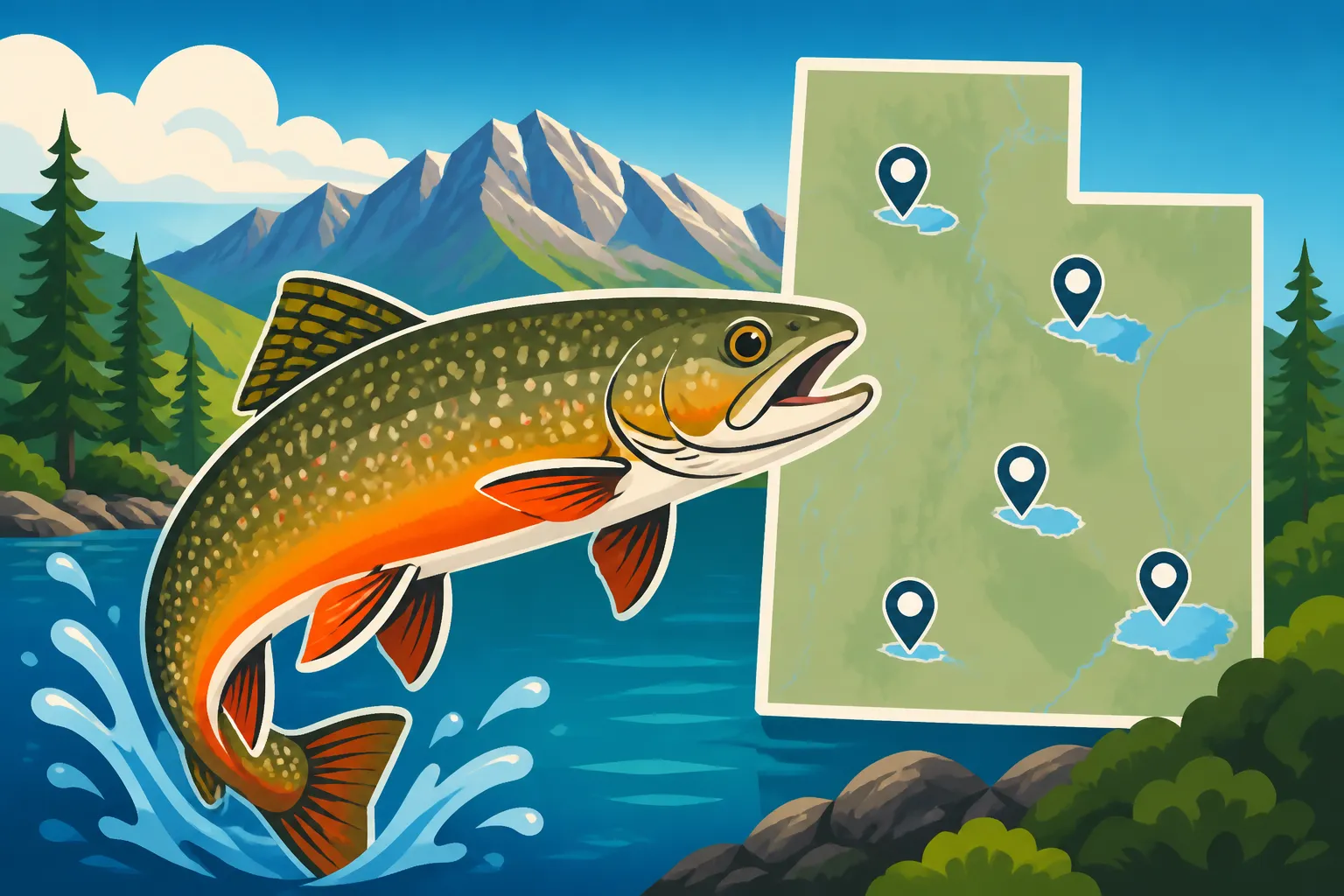
When you pull a splake from the water, it often looks like a beautiful blend of its parents. You'll notice the distinctive worm-like markings, often called vermiculation, on its back and sides, much like a brook trout. However, unlike the brook trout's more square or slightly emarginate tail, the splake will typically have a moderately forked tail, a nod to its lake trout heritage. Their coloration can vary quite a bit depending on the water they come from and what they're eating, but you'll often see a dark olive or brownish back, fading to lighter sides, sometimes with vibrant red or orange spots that are often ringed with a bluish halo.
The size is another key indicator. While brook trout in Utah's high mountain lakes rarely exceed a pound or two, splake have the potential to grow much larger, much faster. It's not uncommon to land splake in the 3 to 10-pound range in well-managed waters, and genuine trophy fish can push well into the double digits. Their body shape is also generally more streamlined than a bulky lake trout, giving them a powerful, hard-fighting nature that anglers absolutely adore.
The Unique Hybrid Origin
The "splake" name itself is a portmanteau, cleverly combining "speckled trout" (another common name for brook trout) and "lake trout." Scientifically, it’s a cross between a male brook trout (Salvelinus fontinalis) and a female lake trout (Salvelinus namaycush). This isn't something that happens naturally in the wild, at least not commonly enough to establish a reproducing population. Instead, splake are typically produced in hatcheries by fisheries managers.
The reason for this intentional cross-breeding is to combine the best traits of both parents. Brook trout are known for their beautiful colors and aggressive feeding habits, while lake trout are famous for their longevity and ability to thrive in cold, deep water. The resulting splake often exhibit "hybrid vigor," meaning they grow faster, fight harder, and adapt well to the specific conditions of the deep, cold reservoirs where they are stocked. One important detail for Utah's fisheries is that splake are generally sterile. This means they cannot reproduce naturally, which gives fisheries managers precise control over their populations and prevents them from overpopulating a system or competing too heavily with native species. This controlled stocking allows them to be used as a valuable management tool.
Why Utah Stocks Splake: The Angler's Advantage
Utah's fisheries managers are always looking for ways to enhance fishing opportunities while maintaining ecological balance. Splake have proven to be an excellent choice for certain waters, offering a unique set of benefits for both the ecosystem and, most importantly, for you, the angler. Their introduction isn't just random; it's a strategic move to create exciting and productive fisheries.
Growth Potential and Fight
Let's be honest, part of the thrill of fishing is the potential for a big catch, and splake deliver on that promise. They grow significantly faster and larger than many other trout species commonly stocked in Utah, like rainbow trout or even their brook trout parents. This rapid growth means that when you hook into a splake, you're often battling a fish with some serious muscle. They're known for their powerful runs and headshakes, making every fight a memorable one.
Imagine you're out on a crisp winter day, patiently jigging through the ice. Suddenly, your rod doubles over, and line starts peeling off the reel. It's not just another stocker rainbow; it's a hard-fighting splake, making deep dives and testing your tackle. This is the kind of experience that keeps anglers coming back for more, and it's a big reason why splake have become such a popular target, especially for those looking for a real trophy. You'll definitely want a sturdy rod and reel combo, which you can easily find on Amazon, capable of handling these robust fish.
Filling Ecological Niches
Beyond the excitement they bring to the angler, splake also play a crucial role in the management of specific Utah reservoirs. Many of Utah's larger, deeper lakes have an abundance of forage fish, particularly non-native chubs or suckers, that can sometimes outcompete other fish or become overpopulated. Splake are predatory fish with a healthy appetite, and their ability to thrive in deep, cold water environments makes them excellent natural predators for these less desirable fish species.
By introducing splake, fisheries managers can help control these forage populations, creating a healthier, more balanced ecosystem. It's a win-win: the splake get a ready food source, allowing them to grow large and robust, and in turn, they help keep the ecosystem in check. This strategic stocking not only benefits other fish species but also contributes to the overall health and productivity of the fishery, ensuring there's plenty of food for trophy-sized splake. It's a delicate balance, and splake are a key part of maintaining it in certain waters. For more on how fish populations are managed, check out Utah Fishing Regulations Explained.
Prime Utah Waters for Splake Fishing
So, you're convinced and ready to chase after these impressive hybrids. The next logical question is, "Where do I go?" While not every lake in Utah holds splake, a few key reservoirs have earned a reputation as prime destinations for targeting them. These waters offer the perfect blend of deep, cold habitat and a strong forage base to support healthy populations of big splake.
Strawberry Reservoir Splake Hotspots
Without a doubt, Strawberry Reservoir is one of Utah's most iconic and productive splake fisheries. This massive reservoir, nestled in the Uinta National Forest, is renowned for its trophy trout fishing, and splake are a significant part of that allure. The deep, cold waters of Strawberry provide ideal habitat for splake, allowing them to gorge on the abundant populations of redside shiners and chubs, which contributes to their impressive growth.
When fishing Strawberry for splake, you'll generally want to focus on deeper areas, often 40 feet or more, particularly around underwater humps, points, and channel edges. During the cooler months, especially in spring and fall, they might venture a bit shallower, but their preference is for those deep, cool zones. Popular spots often include the main channel of the old Strawberry River, the Soldier Creek Dam area, and the deeper sections of Strawberry Bay. Experienced anglers often use sonar to identify schools of baitfish and the larger predatory splake lurking nearby. Strawberry Reservoir Fishing Guide offers even more in-depth information about this incredible fishery.
Fish Lake's Splake Opportunities
Another gem for splake enthusiasts is Fish Lake, often dubbed "The Gem of Utah." This high-altitude, deep, and clear lake in central Utah is known for its stunning beauty and its incredible fishing, particularly for trophy splake and lake trout. The deep basins of Fish Lake offer excellent cold-water habitat, and a robust population of minnows provides ample food for growing splake.
At Fish Lake, similar to Strawberry, targeting deep structure is key. Look for drop-offs, submerged islands, and areas where the lake bottom changes dramatically. While splake can be found throughout the lake, areas near the lodge and the main channel can be productive. Early morning and late evening often provide the best bite, especially if you're targeting them in shallower depths, but mid-day in deeper water is a common strategy. Ice fishing at Fish Lake can be particularly productive for splake, as they are often more concentrated and accessible through the ice. For those seeking true giants, Fish Lake Trophy Trout Fishing delves into methods for landing the lake's biggest residents.
Other Notable Splake Waters
While Strawberry and Fish Lake might be the crown jewels for splake fishing in Utah, they aren't the only places you can find these exciting hybrids. Fisheries managers occasionally stock splake in other suitable reservoirs across the state to provide diverse angling opportunities and to help manage specific ecological conditions.
For example, Scofield Reservoir, while primarily known for its rainbow and cutthroat trout, has also seen splake stockings in the past, offering anglers a chance to hook into something different. These fish tend to utilize the deeper, cooler sections of Scofield. East Canyon Reservoir is another location where splake have been introduced, albeit in smaller numbers, contributing to its mixed bag fishery. These secondary locations might not produce the same numbers of trophy fish as the premier splake waters, but they offer accessible and often less crowded opportunities to catch these unique hybrids. Always check the current fishing proclamations for specific stocking information and regulations for any body of water you plan to visit, as Utah Trout Limits by Water can vary significantly.
Gear and Techniques for Catching Utah Splake
Alright, you know what splake are and where to find them. Now, let's talk brass tacks: how do you actually get one to bite? Catching splake, especially the larger ones, often requires a specific approach, primarily because of their preference for deeper, colder water. Whether you're drilling holes in the ice or trolling across open water, having the right gear and techniques will significantly increase your success.
Ice Fishing for Splake
Winter is prime time for splake, as their deep-water habits make them excellent targets for ice anglers. When the lakes freeze over, splake tend to concentrate in specific areas, and with the right approach, you can have some incredible days. Your ice fishing setup should be robust enough to handle a powerful fish. Look for a medium-heavy ice fishing rod, typically 30-40 inches long, paired with a reliable spinning reel spooled with 6-10 pound test fluorocarbon or monofilament line. Braided line can also be effective, especially if you add a fluorocarbon leader for stealth.
Electronics are your best friend here. A good fish finder, whether a flasher or an LCD unit, is almost essential for locating schools of baitfish and identifying those tell-tale arches of splake holding near the bottom or suspended in the water column. You can find excellent options on Amazon that are perfect for ice fishing. Lures that mimic small baitfish are highly effective. Think heavy spoons like a Northland Forage Minnow or a Swedish Pimple, tube jigs in white, pearl, or chartreuse, or jigging raps. Tip your lure with a piece of cut bait (like a sucker fillet or chub meat), a minnow head, or even a mealworm to add scent and appeal. Active jigging is key – lift your rod, let the lure fall, and vary your retrieve until you find what triggers a bite. Moving from hole to hole, covering different depths and structures, is often more productive than staying in one spot. For more on conquering the frozen water, check out our Utah Ice Fishing Guide.
Open Water Tactics
When the ice melts, splake don't disappear; they just change their accessible locations. During open water season, especially in the warmer months, splake will retreat to the deepest, coolest parts of the reservoir. This means that shore fishing for them can be incredibly challenging, if not impossible, unless you're fishing during a very narrow window in spring or fall when they might move shallower.
Trolling is, by far, the most effective open-water technique for splake. You'll need a boat equipped with downriggers to get your lures down to the depths where splake reside, often 30-60 feet or even deeper. Long, slender spoons, like the Needlefish or similar patterns, in natural baitfish colors (silver, blue, green) or bright colors (chartreuse, orange) can be very productive. Stickbaits, such as Rapalas or similar jerkbaits, also work well. Speed is important; experiment with trolling speeds between 1.5 and 2.5 miles per hour until you find what the fish prefer on a given day. Sometimes using a dodger or flasher in front of your lure can add extra attraction. Understanding Utah Trolling Techniques for Lake Trout can give you a leg up, as many of those strategies apply directly to splake.
Jigging can also be effective from a boat, especially if you've located a school of fish or structure using your fish finder. Heavy jigs, like those used for ice fishing, or even larger bucktail jigs, can be dropped to the bottom and worked up with an aggressive retrieve. Baiting your jig with a piece of cut bait can increase its allure. This method is often employed when you see fish stacked up on your sonar in a particular area. Remember, whether you're trolling or jigging, always pay close attention to the details of your setup, from your line choice to your knot strength – a trophy splake will test everything!
| Technique | Season | Preferred Depth Range | Recommended Lures/Bait | Essential Gear |
|---|---|---|---|---|
| Ice Fishing | Winter | 30-60+ feet | Heavy Spoons, Tube Jigs, Jigging Raps (tipped with cut bait/minnow) | Medium-Heavy Ice Rod, Fish Finder, Augur |
| Trolling | Spring, Summer, Fall | 40-80+ feet | Spoons (Needlefish), Stickbaits (Rapala), Pop Gear | Boat, Downriggers, Trolling Rods, Sonar |
| Jigging | Year-round (boat or ice) | 30-80+ feet | Heavy Jigs, Bucktail Jigs (tipped with cut bait) | Medium-Heavy Rod, Fish Finder |
| Still Fishing | Less common but possible | 30-60+ feet | Cut Bait (sucker, chub), PowerBait for deep trout species | Heavy Rod, Sinker, Circle Hook |
Ultimately, persistence and adaptability are key when targeting splake. These are not always the easiest fish to catch, but the reward of landing a thick, hard-fighting hybrid makes every effort worthwhile. Good luck out there, and tight lines!
Disclaimer
This article is for general informational purposes only and does not constitute professional advice. Laws, prices and regulations vary by location and change over time. Consult a qualified professional for guidance on your specific situation.