Best Tent for Camping Near a Utah Fishing Lake
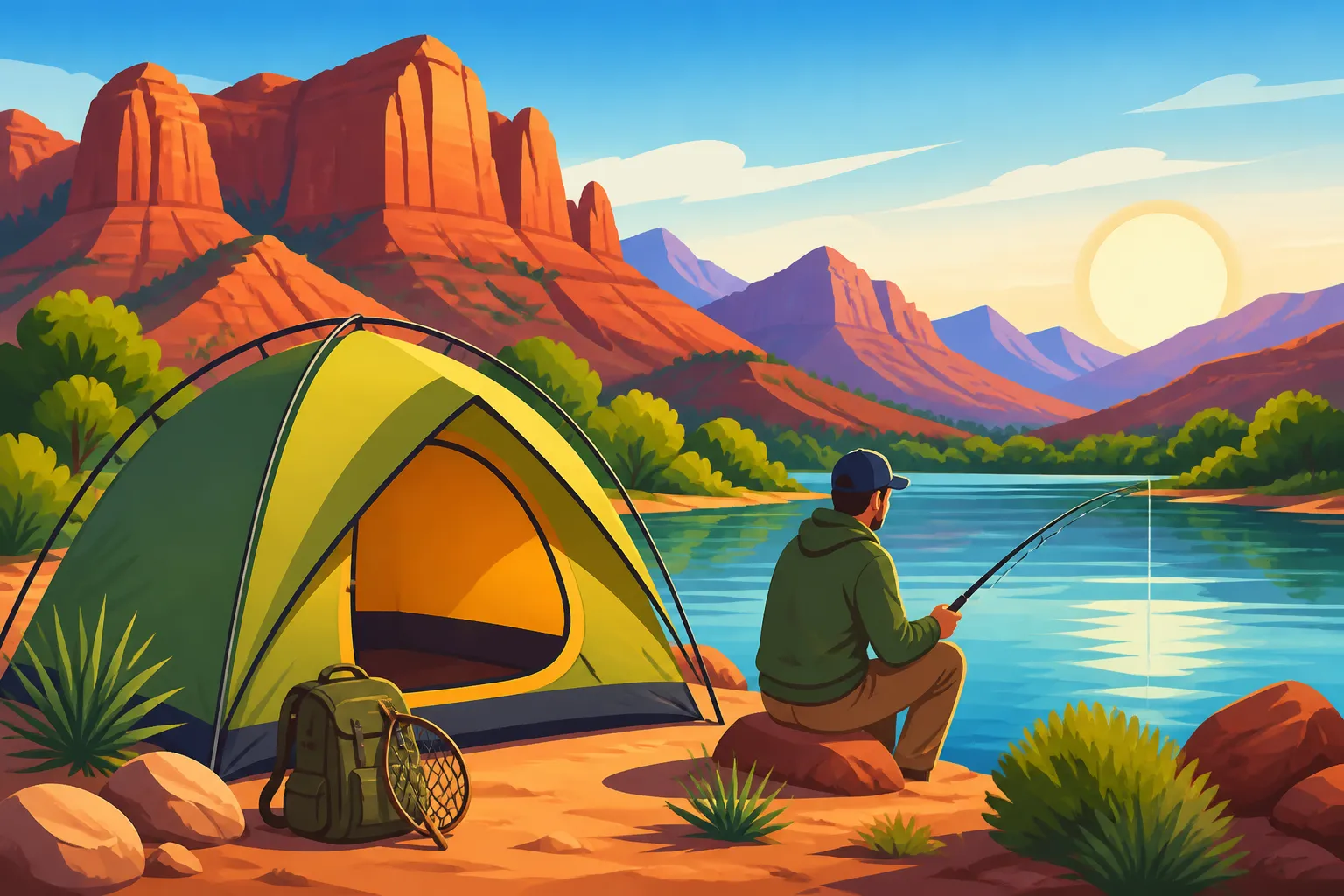
There's nothing quite like ending a long day of casting lines, battling a spirited trout, or simply soaking in the serene beauty of a Utah fishing lake, only to retreat to a campsite that feels less like a refuge and more like a soggy, cramped afterthought. We've all been there – that morning dew seeping through a flimsy tent floor, or a sudden afternoon gust threatening to send your entire shelter tumbling down the hillside. Choosing the right tent for your camping trips near Utah's incredible fishing lakes isn't just about having a place to sleep; it's about securing your comfort, protecting your gear, and ensuring you wake up refreshed and ready for another day on the water. This guide is here to walk you through everything you need to consider to pick the perfect home away from home.
Why Your Tent Choice Matters for Utah Fishing Trips
Many anglers prioritize their rods, reels, and tackle, but often overlook the crucial role their shelter plays in the overall success and enjoyment of a fishing trip. Your tent isn't just a place to crash; it's your basecamp, your sanctuary from the elements, and where you recharge for the next day's adventure. Skimping on this essential piece of gear can quickly turn a dream fishing getaway into a miserable experience.
The Unpredictable Utah Weather Challenge
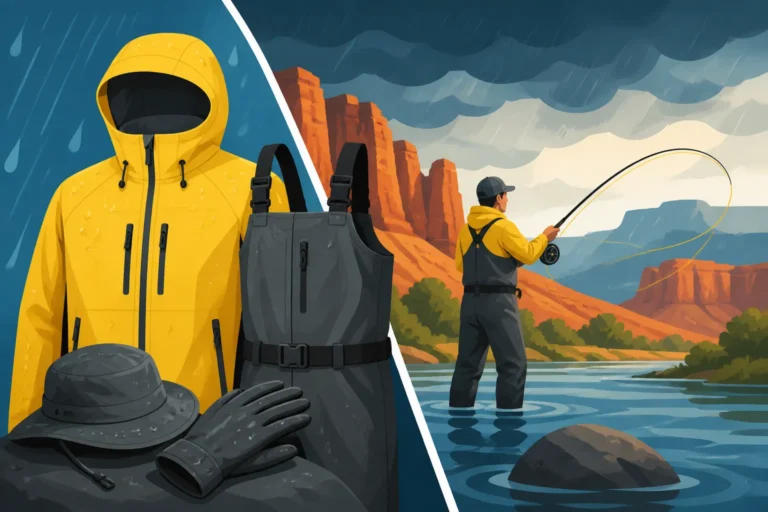
Utah's weather, especially in the mountains and around larger reservoirs, can be incredibly unpredictable. You might start your day with glorious sunshine, only for an afternoon thunderstorm to roll in with little warning, complete with pounding rain and strong winds. Nights can drop surprisingly cold, even in summer, especially at higher elevations or places like Strawberry Reservoir Fishing Guide or Flaming Gorge Fishing Guide. A tent that isn't built to withstand these conditions will leave you soaked, shivering, and downright miserable. Imagine battling a fierce gust of wind outside your tent, trying to keep it from collapsing, instead of dreaming of the lunker you'll catch in the morning.
Beyond rain and wind, sun exposure can be intense. A tent with good ventilation can prevent it from turning into a stifling sauna during the day, making it a much more pleasant place to relax if you need a mid-day break from the heat or even just to escape the relentless sun. Conversely, on those unexpectedly chilly nights, proper tent construction and a good rainfly can help retain a bit of warmth, preventing discomfort that can affect your sleep and your energy for early morning fishing. Being prepared for anything Utah throws at you starts with a reliable shelter.
Comfort and Recovery After a Long Day on the Water
Let's face it, fishing can be exhausting. Whether you've spent hours wading the Provo River, casting tirelessly from the shore of Utah Lake, or navigating big water in a boat on Lake Powell, your body needs proper rest. A comfortable tent provides that essential recovery space. No one wants to wake up with a sore back from sleeping on uneven ground, or a stiff neck from trying to fit into a tent that's too small.
A good night's sleep directly impacts your focus, energy, and even your mood on the water. If you're sleep-deprived and grumpy because your tent was uncomfortable or leaked, you're less likely to enjoy the fishing, let alone perform your best. Think about it: waking up dry, warm, and well-rested means you'll be more alert to those subtle bites, have better casting accuracy, and generally have a more positive outlook on your entire trip. Your tent is an investment in your well-being and, ultimately, in the quality of your fishing experience.
Key Considerations When Choosing a Fishing Lake Camping Tent
When you're sifting through all the options for a camping tent, it can feel a bit overwhelming. There are so many features and specifications! But for camping near Utah's fishing lakes, we can narrow down the crucial factors that will make the biggest difference in your experience.
Size and Capacity: More Than Just Sleeping Arrangements
The "person capacity" listed on a tent is often a very optimistic estimate, assuming everyone is a contortionist and doesn't bring any gear. When you're heading out to fish, you're not just bringing a sleeping bag and a pillow. You've got fishing rods, tackle boxes, waders, boots, coolers, and maybe even a dog! It's wise to size up. If you're a solo angler, a 2-person tent might be perfect, giving you space for your personal items and a tackle bag without feeling claustrophobic. For two people, a 3-person or even a 4-person tent will offer much-needed elbow room and space to stash your individual backpacks and perhaps a small day cooler.
Consider how much time you actually spend inside the tent. If it's just for sleeping, you might get away with less space. But if you anticipate waiting out a storm, playing cards on a rainy evening, or simply appreciating room to stand up and change clothes without bumping into the walls, then opting for a larger capacity is key. For family trips, especially with kids, always go for a tent that’s at least one size larger than your group size. This extra space makes a huge difference in comfort and organization, preventing that "we're tripping over everything" feeling that can quickly lead to frustration.
Weather Resistance: Battling Utah's Elements
This is arguably the most critical factor for a Utah fishing trip. As we discussed, the weather can turn on a dime. You need a tent that can stand up to wind, rain, and even light snow.
- Waterproofing: Look for tents with a high hydrostatic head rating (often measured in millimeters) for the rainfly and floor. Anything 1500mm and above is generally good, with 2000mm+ offering excellent protection. The floor should be especially robust to prevent ground moisture from seeping in, often having a higher rating than the rainfly. A full-coverage rainfly that extends all the way to the ground offers the best protection from driving rain and wind. Make sure the seams are factory-taped for extra water resistance.
- Wind Stability: Strong, aluminum poles are generally superior to fiberglass poles for wind resistance and durability. The design of the tent also plays a role; dome and geodesic designs tend to handle wind better than tall, boxy cabin tents. Guy lines are your best friend here – learn how to properly stake them out to create tension and stability, anchoring your tent against those sudden gusts that sweep across open water.
- Ventilation: While you want protection from the elements, good ventilation is crucial to prevent condensation buildup inside the tent, which can leave everything damp even if it's not raining. Look for large mesh panels, multiple doors, and vents that can be opened even when the rainfly is on. This allows for airflow, reducing stuffiness and moisture inside your temporary home.
Ease of Setup and Portability
After a long day of fishing, the last thing you want is a complicated tent setup. You’re tired, probably a bit hungry, and just want to get your camp established.
- Quick Pitching: Tents with color-coded poles and clips rather than sleeves can significantly cut down on setup time, especially if you're arriving at your campsite near dusk. Hubbed pole systems, where poles are permanently connected, are also great for quick and intuitive assembly. For solo anglers, a tent that can be easily set up by one person is a huge advantage.
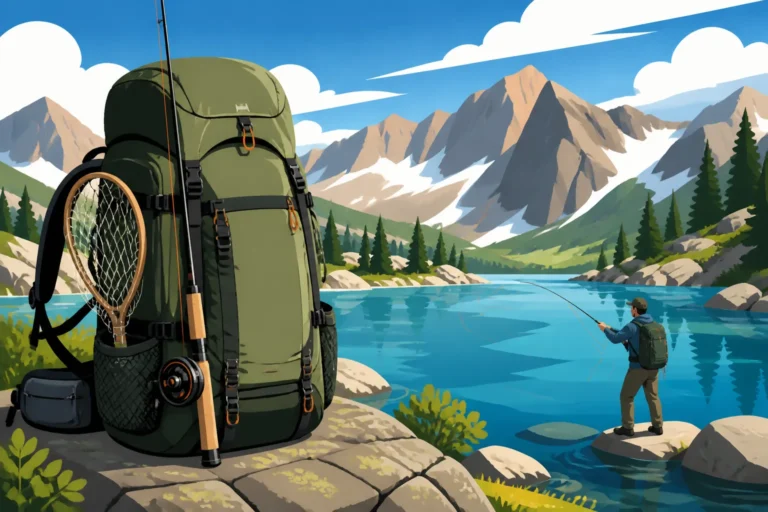
- Packed Weight and Size: If you plan on car camping right next to the reservoir, packed weight might not be a top concern. However, if you're venturing to more remote spots that require a bit of a hike, perhaps for some Uinta Mountains High Lakes Fishing, then a lightweight and compact backpacking tent will be essential. Even for car camping, a tent that packs down reasonably small will leave more space in your vehicle for fishing gear and other essentials. Make sure the carry bag is sturdy and slightly oversized for easier packing.
Durability and Materials
Investing in a durable tent means it will last for many fishing seasons, saving you money and hassle in the long run.
- Fabric: Ripstop nylon or polyester are common and good choices. Denier (D) ratings indicate fabric thickness; higher numbers mean thicker, more durable fabric, but also more weight. Floors often have a higher denier count than the rainfly. Look for UV-resistant treatments, as the intense Utah sun can degrade fabrics over time.
- Poles: As mentioned, aluminum poles are generally stronger and more durable than fiberglass, especially in windy conditions. They're also lighter.
- Zippers: High-quality zippers that operate smoothly are often overlooked but incredibly important. Flimsy zippers can snag, break, and compromise the weather integrity of your tent. YKK zippers are a common mark of quality.
Types of Tents Suited for Utah Fishing Lake Camping
Different fishing trips call for different tents. What works for a quick overnight at a community pond might not cut it for a week-long expedition to a remote high mountain lake. Let's look at the most common types and how they stack up for Utah fishing adventures.
Dome Tents: The Reliable All-Rounders
Dome tents are perhaps the most recognizable style, characterized by their intersecting, flexible poles that create a self-supporting structure. They're a fantastic choice for many Utah fishing trips because they strike a great balance between stability, weight, and ease of setup.
Pros:
- Excellent Wind Stability: The geodesic design of a dome tent naturally sheds wind, making them very stable in gusty conditions, which are common around many of Utah's larger lakes and reservoirs like Deer Creek or Willard Bay.
- Good Rain Shedding: The sloped walls allow rain to run off easily, and a good full-coverage rainfly ensures you stay dry.
- Relatively Lightweight: Compared to cabin tents, dome tents are usually lighter and pack down smaller, making them suitable if you have a short walk from your vehicle to your campsite, or if you're conscious of trunk space.
- Easy to Pitch: Most dome tents have a straightforward pole system, often color-coded, making them quick and intuitive to set up, even after a long day of fishing.
Cons:
- Limited Headroom: The sloping walls mean less stand-up room, which can feel a bit cramped for taller individuals or if you're trying to move around a lot inside.
- Less Livable Space: The sloped design, while great for shedding weather, means the usable floor space is less than the footprint might suggest, particularly at the edges.
Scenarios: A dome tent is an excellent choice for weekend fishing trips to popular spots like Jordanelle Reservoir Fishing Access or Scofield Reservoir Fishing Access where you might encounter varied weather. They're also a solid option for solo or duo anglers who prioritize weather protection and a relatively quick setup. You can find a wide selection of durable dome tents at retailers like Bass Pro Shops, which often carry models designed for general outdoor use, including fishing and camping.
Cabin Tents: Space and Comfort for Longer Stays
Cabin tents are the behemoths of the camping world, designed with near-vertical walls and often a taller peak height to maximize interior space and headroom. If your priority is feeling like you have a true "home away from home" by the lake, these are worth considering.
Pros:
- Ample Headroom and Space: The biggest advantage is the ability to stand up and move around comfortably. This is a huge plus for families, or for anglers who appreciate having room to organize their gear, set up a chair, or just stretch out without feeling confined.
- "Livable" Feel: They often come with room dividers, multiple doors, and large windows, making them feel more like a small portable room than a simple sleeping shelter.
- Great for Large Groups or Families: If you're bringing the whole family on a fishing vacation to a spot with established campgrounds like those around Fish Lake Trophy Trout Fishing or Bear Lake Fishing Guide, a cabin tent offers the space needed for everyone and their gear.
Cons:
- Less Wind Resistance: Their tall, boxy profile makes them more susceptible to strong winds. You'll need to make sure they are very securely staked and guyed out, and even then, they might struggle in truly severe gusts.
- Heavier and Bulkier: Cabin tents are typically much heavier and pack down significantly larger than dome tents, making them strictly car-camping affairs. Portability is not their strong suit.
- Longer Setup Time: With more poles and a larger footprint, they generally take longer to pitch, which can be a drag after a long day.
Scenarios: Ideal for extended family fishing trips where you're staying at a campground with vehicle access and prioritizing comfort and space over portability or extreme weather resilience. If you plan to spend significant time in the tent, perhaps playing games or relaxing when not fishing, a cabin tent shines. Just keep an eye on the weather forecast for strong winds!
Backpacking Tents: Lightweight for Remote Access
If your Utah fishing dreams involve venturing into the backcountry, far from paved roads and established campgrounds, then a backpacking tent is your best friend. These tents prioritize minimal weight and pack size above all else, often sacrificing some space and creature comforts to achieve this.
Pros:
- Extremely Lightweight and Compact: Designed to be carried in a backpack, these tents are engineered to be as light and small as possible, essential for long hikes to remote fishing destinations. You'll barely notice it in your pack, leaving room for your Best Backpacks for Hiking to Uinta Lakes to carry your fishing rods and tackle.
- Excellent Weather Protection (for their size): While small, good backpacking tents are built to withstand harsh mountain weather, including high winds and heavy rain, because they have to be. They often feature robust materials and low-profile designs.
- Quick to Pitch: Every gram counts, and every minute counts when you're tired after a trek. Backpacking tents are usually very intuitive and fast to set up.
Cons:
- Minimal Space: These tents are designed for sleeping and not much else. Headroom is usually limited, and interior space is snug, often just enough for you and a small amount of gear.
- Higher Cost (per square foot): Due to advanced lightweight materials and construction, backpacking tents can be more expensive than larger, heavier car camping tents.
- Less Durable Fabrics (sometimes): To save weight, fabrics can be thinner, requiring more careful handling to avoid tears or punctures.
Scenarios: Absolutely essential for fishing trips to high-altitude lakes in the Uinta Mountains or other wilderness areas where you need to carry all your gear on your back. If your fishing adventure includes backpacking several miles to a pristine, secluded lake, then a good backpacking tent is non-negotiable. Many excellent options can be found through online retailers like Amazon, offering a wide range of specialized, lightweight gear.
Maximizing Your Comfort: Essential Tent Features and Setup Tips
Beyond choosing the right type of tent, paying attention to specific features and how you set up your shelter can vastly improve your camping experience near those amazing Utah fishing spots.
Ventilation, Doors, and Storage
Thoughtful tent design can really make a difference. Good ventilation is crucial to prevent that clammy, condensed feeling inside. Look for tents with large mesh panels on the ceiling and walls, especially if you anticipate warmer nights or daytime use. Vents, ideally those that can be propped open even in light rain, help create cross-ventilation, pushing moist air out and drawing fresh air in. Tents with multiple doors are a blessing, particularly for groups, as they prevent you from having to crawl over your fishing buddies in the middle of the night. It's a small detail, but having your own exit can save a lot of frustration!
Interior storage pockets and gear lofts are often overlooked but incredibly useful. These features keep small essentials like headlamps, phones, and glasses organized and easily accessible, rather than lost in the depths of your sleeping bag. A vestibule (the covered area outside the tent doors, under the rainfly) is also a fantastic feature. This is where you can store muddy boots, wet waders, or even your Best Rain Gear for Utah Fishing Trips, keeping the inside of your tent clean and dry. It acts as a mudroom, protecting your interior living space from the elements and your dirty gear.
Proper Pitching and Site Selection
Even the best tent can underperform if not pitched correctly or if the site selection is poor. Always take a few extra minutes to choose your spot wisely and set up your tent with care.
- Level Ground is Key: Scan the area for the flattest, most level spot available. Even a slight slope can lead to an uncomfortable night of feeling like you're rolling downhill. Clear away any sharp rocks, sticks, or pinecones that could puncture your tent floor or make sleeping uncomfortable.
- Consider Wind and Drainage: Position your tent with the narrowest side facing prevailing winds to minimize resistance. Many tent designs are more aerodynamic when facing a certain direction. Also, look for signs of previous water flow or depressions that could collect rainwater. Setting up on a slightly elevated area or one with good natural drainage will save you from waking up in a puddle if a sudden storm hits. Remember How Wind Affects Fishing on Utah Reservoirs can be a factor? The same goes for your campsite!
- Utilize All Guy Lines and Stakes: This cannot be stressed enough, especially in Utah's often windy environments. Properly secure all stakes and guy lines (the ropes extending from the tent and rainfly). This distributes tension across the tent's structure, enhancing its stability and preventing it from flapping violently or collapsing in strong gusts. Don't skip this step, even if the weather seems calm when you arrive.
Adding Comfort: Ground Tarps, Sleeping Pads, and Lighting
Once your tent is pitched, there are a few extra items that can transform it from a basic shelter into a truly comfortable camping haven.
- Ground Tarp (Footprint): Always use a ground tarp, also called a footprint, beneath your tent. This sacrificial layer protects the tent floor from abrasion, punctures, and helps to create an extra barrier against ground moisture. Make sure the tarp is slightly smaller than your tent's footprint, or tuck any exposed edges underneath, to prevent water from collecting on the tarp and channeling under your tent during rain. This simple addition significantly extends the life of your tent.
- Sleeping Pads: A good sleeping pad is just as important as your sleeping bag. It not only provides cushioning for comfort but, more importantly, offers insulation from the cold ground, which can wick away your body heat quickly. There are various types, from inflatable air pads to self-inflating foam pads, each offering different levels of comfort, insulation (R-value), and packed size. Choose one that suits your needs and budget.
- Lighting: While a headlamp is essential, consider a small tent lantern for ambient light inside. Battery-powered LED lanterns or string lights can make the interior feel much cozier and allow you to see clearly for organizing gear or reading without blinding yourself with a headlamp. Brands like Goal Zero offer compact, reliable lighting solutions that are perfect for camping.
- Interior Organization: Small collapsible bins or even just strategically placed stuff sacks can help keep your tent tidy. A tidy tent makes for a tidy mind, and after a day of focused fishing, having an organized space to unwind is invaluable. You can also explore options for How to Store Fishing Gear Over a Utah Winter and apply some of those organizational principles to your tent setup during the season.
By giving careful thought to your tent choice and campsite setup, you'll ensure that your Utah fishing trips are not only successful on the water but also comfortable and restorative off the water. A good tent is truly an angler's best friend.
| Tent Type | Best For | Pros | Cons | Key Feature for Fishing Trip |
|---|---|---|---|---|
| Dome Tent | General fishing trips, 1-3 people | Good wind/rain resistance, relatively light, easy setup | Limited headroom, less "livable" space | All-weather versatility |
| Cabin Tent | Family trips, car camping, longer stays | Excellent headroom, spacious interior, multiple rooms/doors | Poor wind resistance, heavy, bulky, longer setup | Max comfort/space |
| Backpacking Tent | Remote high lake fishing, solo/duo trips | Extremely lightweight, compact, excellent weather protection (small) | Minimal interior space, higher cost, thinner materials | Ultra-portability |
Disclaimer
This article is for general informational purposes only and does not constitute professional advice. Laws, prices and regulations vary by location and change over time. Consult a qualified professional for guidance on your specific situation.