Best Lures for Utah Smallmouth Bass
There’s nothing quite like the hard-hitting strike of a smallmouth bass. They’re feisty, they’re acrobatic, and they can be incredibly frustrating if you’re not using the right presentation. Many anglers in Utah know the feeling of fishing prime smallmouth habitat and coming up empty-handed because they just can't crack the code. This guide is all about helping you understand these tenacious fish and arming you with the best lures and techniques to consistently put them in your net across Utah's diverse waters.
Understanding Smallmouth Bass Behavior and Habitat
To truly master smallmouth fishing, you've got to think like a smallmouth. These bronze beauties aren't like their largemouth cousins, often preferring clearer, rockier, and cooler waters. Their behavior is heavily dictated by the seasons, water temperature, and the specific forage available in their environment. Knowing these nuances is your first step to choosing the right lure at the right time.
Seasonal Movements and Preferred Structures
Smallmouth bass are incredibly dynamic when it comes to where they hang out throughout the year. It's not a "one spot fits all seasons" kind of deal, and trying to force a technique meant for summer on a pre-spawn bass in spring will definitely lead to disappointment.
In the early spring, as water temperatures nudge into the upper 40s and low 50s, smallmouth start to emerge from their deeper winter haunts. They'll gravitate towards northern-facing banks or shallower, rock-strewn areas that absorb sunlight more efficiently. This is when they begin their pre-spawn gorging, actively feeding to build up energy for spawning. Think of those rocky points and shallow flats where the sun hits first – those are prime targets. Once the water hits the mid-50s to low 60s, they move into full spawn mode, often making beds in gravel or small rock areas in 3-15 feet of water, depending on clarity and cover. During this time, they're fiercely protective of their nests. Post-spawn, they might be a bit lethargic for a week or two, recuperating, before resuming more aggressive feeding as summer kicks in.
Summer sees smallmouth move deeper as surface temperatures climb, especially in our clearer Utah reservoirs like Flaming Gorge or Deer Creek. They'll often relate to deeper rock piles, ledges, submerged timber, or even drop-offs where they can ambush baitfish. Think about depths of 20-40 feet, sometimes even deeper, particularly during the heat of the day. Early mornings and late evenings might see them push shallower to feed. As fall approaches and water temperatures begin to cool again, smallmouth will often move back to shallower rocky areas for another feeding frenzy before winter sets in. This "fall bite" can be incredibly productive as they stock up for the lean months. Then, in winter, they'll often suspend in deeper water or huddle around significant deep-water structure, becoming much less active. Understanding these movements is key to choosing your presentation and even informs your choice of the best time of year for bass fishing in Utah.
Forage Base and Feeding Habits
What a smallmouth eats significantly influences what lures they'll strike. These fish are opportunistic predators with a diverse diet, and it changes depending on the body of water. In many of Utah's reservoirs, smallmouth feast on a variety of prey, including crayfish, minnows, juvenile perch, and even insects.
Crayfish are a huge part of the smallmouth diet in places like Flaming Gorge and Deer Creek. You'll often find smallmouth with bellies full of these crusty critters. This means lures that imitate crayfish – in terms of color, profile, and action – can be incredibly effective. Think browns, greens, and oranges for your soft plastics and jigs. When smallmouth are gorging on minnows or baitfish, they become more pelagic, chasing schools of bait in open water or ambushing them from cover. Here, lures that mimic baitfish in flash, wobble, and speed are your best bet. Shad imitations, suspending jerkbaits, and fast-moving crankbaits can excel. Don't forget the insect angle either, especially in rivers or when smallmouth are feeding near the surface in stillwaters; smaller topwater baits or even fly patterns can be surprisingly effective. The key is to observe the environment: are you seeing baitfish flickering on the surface? Or are there crayfish shells along the shore? These clues tell you what's on the menu and help you select your lure.
Top Lure Categories for Utah Smallmouth Bass
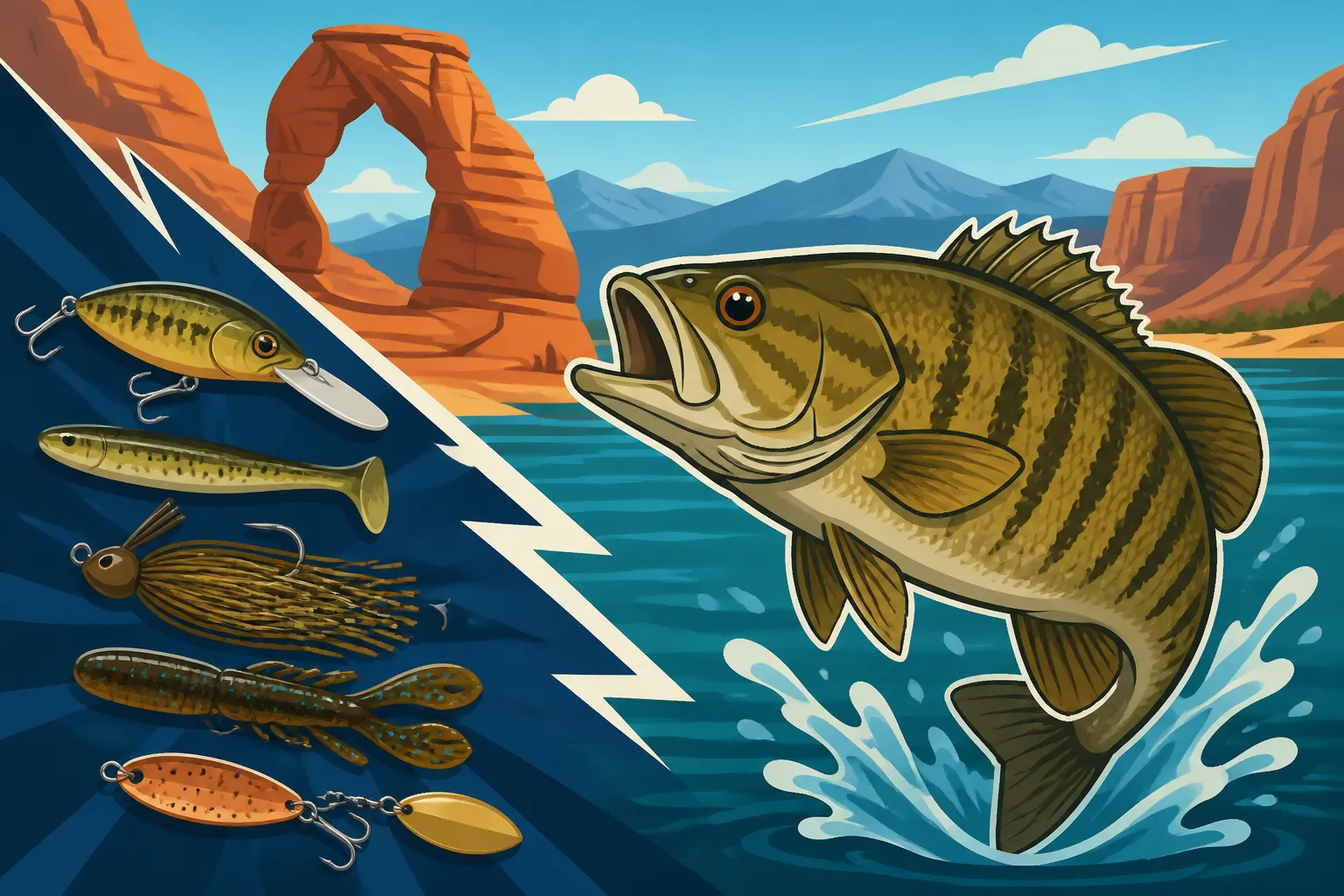
When it comes to smallmouth, you've got to have a versatile tackle box. While they'll hit just about anything if they're hungry enough, certain lure categories consistently outperform others. Let's dive into the heavy hitters that you'll want to have on hand for your next Utah smallmouth adventure.
Soft Plastics: Versatility for Finesse and Power
Soft plastics are, hands down, one of the most versatile and effective lure categories for smallmouth bass. Their ability to imitate a wide range of forage, from crayfish to baitfish to worms, makes them indispensable. The key is knowing which style to use and how to rig it.
For finesse applications, especially when the bite is tough or the water is ultra-clear, a drop shot rig is hard to beat. This technique presents a small soft plastic (like a 3-4 inch minnow imitation, a straight-tail worm, or even a small creature bait) above a weight, allowing it to suspend enticingly in the water column. Smallmouth find it nearly irresistible, often inhaling it with a subtle tap. Colors like green pumpkin, natural shad, and watermelon red are perennial favorites. You can find a huge selection of these on Amazon, often in multi-packs, making it easy to experiment. Learning How to Fish a Drop Shot Rig for Utah Bass can drastically improve your catch rate, especially in deep, clear reservoirs like Flaming Gorge.
Beyond the drop shot, tubes are legendary smallmouth killers. These hollow, cylindrical soft plastics with tentacle-like tails perfectly mimic crayfish fleeing backward or even dying baitfish. They can be rigged on an internal jig head for dragging along the bottom, or Texas-rigged weedless for flipping into cover. Sizes from 2.75 to 4 inches are ideal. Colors that imitate crayfish, like greens, browns, and oranges, are fantastic, but don't overlook white or smoke for baitfish imitations. Try casting a tube out and letting it sink to the bottom, then imparting short hops and drags, letting it settle between movements – that's often when a smallmouth will pounce.
Other effective soft plastics include grubs (single-tail or double-tail), which are fantastic on a lightweight jig head for swimming over submerged vegetation or dragging along rocky bottoms. Creature baits that have various appendages can also trigger bites when flipped into cover, imitating crayfish or other bottom-dwelling prey. And of course, the classic senko-style worm (wacky rigged or Texas rigged) can entice even the most finicky smallmouth with its subtle, quivering fall.
Hard Baits: Crankbaits, Jerkbaits, and Topwater
When smallmouth are aggressive and actively hunting, hard baits are your ticket to explosive strikes. These lures cover a lot of water and can trigger reaction bites that soft plastics sometimes can't.
Crankbaits are workhorses for covering various depths. Shallow-diving crankbaits (diving 0-8 feet) are excellent for rocky flats, points, and shorelines during the spring and fall when smallmouth are shallower. Medium-diving crankbaits (8-15 feet) are versatile for targeting mid-depth structure, while deep-diving crankbaits (15+ feet) are crucial for summer smallmouth holding on ledges and humps in reservoirs like Flaming Gorge. Look for crankbaits in baitfish patterns (shad, perch) or crayfish colors. The key is to retrieve them at a speed that allows them to "crank" down to their advertised depth and occasionally deflect off structure – that deflection is often what triggers a strike.
Jerkbaits are absolute magic for smallmouth, especially in cooler water or when fish are suspended. These lures, like the classic Rapala Husky Jerk or the Megabass Vision 110, are designed to be retrieved with a "jerking" or "twitching" motion, followed by a pause. During that pause, a good suspending jerkbait will hang motionless in the water, often provoking an otherwise hesitant smallmouth to strike. Baitfish colors are paramount here. The erratic darting action combined with the sudden stop can be irresistible. Many anglers rely on jerkbaits heavily during the colder months when a slower, more deliberate presentation is needed.
And who doesn't love a topwater blow-up? Topwater lures – poppers, walk-the-dogs, and prop baits – are thrilling when smallmouth are willing to come to the surface. This usually happens during low light conditions (dawn, dusk), overcast days, or when fish are actively chasing bait near the surface, such as during a "boil" at Lake Powell (though Lake Powell is more known for striped bass, smallmouth can also participate in surface feeding frenzies on smaller scales in its coves). Poppers create a splash and gurgle, walk-the-dog lures (like a Zara Spook) have an enticing side-to-side sashay, and prop baits churn water with spinning blades. Experiment with retrieve speed and cadence until you find what the fish prefer. The anticipation of a smallmouth rocketing out of the water to smash a topwater bait is one of fishing's greatest joys.
Spinnerbaits and Jigs: Reliable All-Rounders
No smallmouth angler's tackle box is complete without a selection of spinnerbaits and jigs. These lures are incredibly versatile and can be effective in a wide range of conditions and depths.
Spinnerbaits are fantastic search baits, excellent for covering water quickly and drawing reaction strikes. Their flashing blades and vibrating skirt mimic fleeing baitfish or even a nervous crayfish. They shine in dingy water where their flash and vibration help fish locate them, or when smallmouth are aggressive. Look for spinnerbaits with willow leaf blades for deeper or faster retrieves, or Colorado blades for more thump and flash in stained water. White, chartreuse, and perch patterns are common choices. They can be slow-rolled along the bottom, burned just under the surface, or bumped off submerged rocks and timber. These are excellent for exploring shallow to mid-depth areas, especially around emergent vegetation or rocky banks.
Jigs are perhaps the most versatile smallmouth lure, capable of imitating crayfish, baitfish, or even sculpins. A football jig with a creature or craw trailer is deadly when dragged and hopped along rocky bottoms and humps, perfectly mimicking a crayfish. Colors like green pumpkin, brown, and black/blue are staples. These jigs are excellent for targeting smallmouth in deep water, especially at places like Flaming Gorge where fish relate to specific deep structures. The heavy head helps maintain bottom contact in wind or current.
Then you have marabou jigs or hair jigs, which offer a subtler presentation. These small, often lightweight jigs have natural hair or feathers that pulsate enticingly in the water, making them deadly in cold water or for finicky fish. They excel when simply cast out and slowly reeled in, or allowed to fall on a tight line. Smallmouth often just suck them in with a barely perceptible bite. Think black, brown, or olive colors. When water temperatures drop and smallmouth become less active, a small hair jig can often be the only thing they'll touch. You can find high-quality marabou jigs from companies like VMC or Northland Fishing Tackle easily available through retailers like Amazon.
Matching Lures to Utah's Diverse Waters
Utah's smallmouth bass waters are incredibly varied, from vast, deep reservoirs with sheer cliffs to shallower, murkier lakes. What works like a charm at Flaming Gorge might not be your best bet at Utah Lake. It's crucial to adapt your lure selection and technique to the specific characteristics of the water you're fishing.
Flaming Gorge Reservoir: Deep Water and Rocky Points
Flaming Gorge is renowned as one of Utah's premier smallmouth bass fisheries, and for good reason. Its immense size, deep, clear water, and abundant rocky structure make it ideal smallmouth habitat, often holding impressive numbers and sizes of fish. However, fishing here requires an understanding of its unique challenges.
The smallmouth at Flaming Gorge often relate to deep, rocky points, ledges, and submerged humps. During the summer, they can be found at considerable depths, sometimes 30-50 feet or more, especially during the brighter parts of the day. This calls for lures that can effectively reach and work those depths. Deep-diving crankbaits in shad or perch patterns are excellent for covering water quickly along these contours. When you find a promising area, switching to a football jig with a crayfish-imitating trailer (like a Zoom Super Chunk or a Berkley PowerBait Power Craw) becomes crucial. Dragging and hopping these jigs slowly along the bottom will often provoke bites from lethargic fish. The Smallmouth Bass Size at Flaming Gorge can be truly impressive, so make sure your tackle is up to the task!
Drop shots are also incredibly effective here, particularly when fish are suspended or holding tight to vertical structure. Rigging a 3-4 inch straight-tail worm or a minnow imitation in a natural color (e.g., green pumpkin, pearl white) on a drop shot allows you to precisely present a bait in the strike zone. Don't be afraid to use heavier drop shot weights (1/2 to 3/4 ounce) to ensure your bait gets down quickly and stays vertical in deeper water or current. You might also consider suspending jerkbaits when smallmouth are found higher in the water column, perhaps over a deep point. The key is to match the baitfish present in the reservoir, often rainbow trout or kokanee fry. For boaters, knowing the Best Boat Ramps on Flaming Gorge Reservoir is a great start to accessing these productive areas.
Deer Creek and Jordanelle: Varied Depths and Structure
Deer Creek and Jordanelle Reservoirs, while closer to the Wasatch Front and more easily accessible, also offer fantastic smallmouth fishing, though with different characteristics than Flaming Gorge. These reservoirs tend to have a mix of rocky areas, some submerged timber, and varying depths, providing a diverse challenge for anglers.
At Deer Creek, smallmouth often cruise rocky shorelines, points, and humps. In the spring and fall, when smallmouth are shallower, medium-diving crankbaits that mimic perch or crayfish are very effective. Spinnerbaits in white or chartreuse can also work well, especially if there's any stained water from runoff. As summer progresses, fish will move deeper, and this is where tube jigs really shine. Tipping a 3-inch tube with a 1/8 to 1/4 ounce internal jig head and dragging it along the bottom can produce consistent bites. Look for areas with a mix of rock and scattered weeds.
Jordanelle offers similar opportunities. Its clear water and rocky points are prime smallmouth territory. For finesse situations, a Ned rig (a small mushroom-head jig paired with a buoyant stickbait like a Z-Man Finesse TRD) can be incredibly effective. Its stand-up action and subtle wiggle drive smallmouth wild, especially when they're not committing to larger baits. Natural colors like green pumpkin and black/blue laminate are excellent. When smallmouth are actively chasing bait, jerkbaits in a shad or perch pattern can be deadly, particularly around main lake points or submerged islands. Don't overlook the power of small swimbaits (2.5-3.5 inches) rigged on a lightweight jig head, which can imitate the juvenile fish smallmouth prey on. Focus your efforts around structure transitions, where rock meets mud or where a deeper channel swings close to a rocky bank.
Utah Lake and Warmer Flats
While Utah Lake is more widely known for its walleye and catfish, it does hold a respectable population of smallmouth bass, particularly in areas with rocky structure. However, fishing for smallmouth here presents a different challenge due to the lake's shallower, often warmer, and sometimes murkier conditions.
Smallmouth in Utah Lake will seek out what limited rock and hard bottom structure is available. This often means focusing your efforts around the few rocky points, rip-rap along causeways, or artificial structures that have been placed. Given the lake's characteristics, traditional deep-water smallmouth tactics might need modification.
When targeting smallmouth in Utah Lake, focus on lures that have a strong vibration or visual presence in murkier water. Spinnerbaits with larger Colorado blades in bright colors like chartreuse or white can be excellent for attracting attention. Chatterbaits (bladed jigs) are also a fantastic option, combining the flash of a spinnerbait with the erratic action of a crankbait, and their vibration helps fish find them in less-than-clear water. Rig them with a swimbait trailer for added bulk and action.
For bottom presentations, a Texas-rigged creature bait or a tube in darker colors (black/blue, junebug) can be effective when fished slowly around any rocky cover. The key is to keep your bait in contact with the bottom. Due to the warmer temperatures and the potential for a faster retrieve, don't be afraid to experiment with larger profile baits than you might use in cooler, clearer waters. Always keep an eye on water clarity; if it's very muddy, opt for lures with maximum vibration and profile.
Essential Gear and Presentation Tips
Having the right lures is only half the battle. How you present those lures, and the gear you use to do it, can make all the difference between a frustrating day and a fantastic one. Smallmouth are discerning, and a poorly presented bait can be ignored even by the most aggressive fish.
Rod, Reel, and Line Selection
The choice of your rod, reel, and line plays a critical role in how effectively you can present lures and fight these powerful fish. For most smallmouth applications, especially when using soft plastics or finesse presentations, a medium-light to medium power spinning rod is your best friend. A length of 6'6" to 7'2" offers excellent casting distance and sensitivity. Look for a fast action tip, which allows for quick hook sets and better feel for subtle bites. Many anglers rave about the sensitivity of brands like St. Croix or Fenwick, though more budget-friendly options from Daiwa or Shimano also perform admirably.
Pair your spinning rod with a high-quality spinning reel in the 2000-3000 size range. This size offers a good balance of line capacity, drag smoothness, and lightweight feel. A smooth drag is essential when fighting a smallmouth that decides to make a sudden run. You'll find many excellent spinning reels on Amazon from brands like Shimano and Daiwa, offering great performance for the price.
When it comes to line, versatility is key. For most finesse techniques like drop shots and Ned rigs, a 6-10 lb fluorocarbon line is ideal. Fluorocarbon is nearly invisible underwater, offers excellent sensitivity, and has low stretch for solid hook sets. Alternatively, many anglers prefer a braided mainline (10-15 lb) with a 6-10 lb fluorocarbon leader. The braid provides incredible casting distance and sensitivity, while the fluorocarbon leader maintains stealth in clear water. For power fishing techniques with crankbaits or spinnerbaits, you might opt for a medium power casting rod with a baitcasting reel spooled with 10-15 lb fluorocarbon or monofilament, offering more backbone for heavier lures and stronger hook sets. Understanding your line options is a key part of your Utah Fishing Gear Guide.
Presentation Techniques and Retrieval Speeds
Smallmouth are incredibly responsive to presentation, and often, a slight adjustment in your retrieval speed or technique can be the difference between getting bites and getting skunked.
When fishing soft plastics like tubes, jigs, or creature baits along the bottom, the mantra is often "slow and steady wins the race." Smallmouth are ambush predators, and they'll often pick up a bait that's just crawling or hopping along the bottom, mimicking a foraging crayfish. Experiment with pauses; sometimes, letting the lure sit motionless for a few seconds after a hop is all it takes to trigger a strike. For a drop shot, a subtle quiver of the rod tip or a gentle lift-and-drop can make the bait dance enticingly. Don't overwork it; let the water do some of the work.
With hard baits, retrieval speed can vary dramatically. For crankbaits, you generally want to reel fast enough to get the bait to its running depth and make it wobble. Hitting cover with a crankbait and letting it deflect off is a classic trick to trigger a reaction strike. With jerkbaits, the "twitch, twitch, pause" cadence is common, but experiment with the length of your pauses and the aggressiveness of your twitches. Sometimes a long, dead pause is what they want, other times a series of rapid twitches. For topwater, the classic "walk-the-dog" retrieve for a Zara Spook is done with a rhythmic slack-line twitch, but poppers might need a more aggressive "pop, pause, pop" action.
Always pay attention to the conditions. In colder water, smallmouth are generally less active, and slower presentations with longer pauses are usually more effective. As water temperatures warm up, they become more energetic, and faster retrieves or more aggressive actions can be rewarded. Remember, What Retrieve Speed Works Best for Smallmouth Bass in Cold Water? is likely different from warmer months. Don't be afraid to experiment throughout the day until you find the retrieve that triggers bites.
Advanced Lure Strategies and Troubleshooting
Even with the best lures and techniques, smallmouth can be notoriously finicky. There will be days when they seem to ignore everything you throw at them. This is when advanced strategies and troubleshooting come into play, requiring you to think critically and adapt.
Color Selection and Water Clarity
The color of your lure might seem like a minor detail, but it can be absolutely critical, especially in Utah's clear waters. Smallmouth have excellent eyesight, and matching your lure color to the forage or conditions can be a game-changer.
In clear water, which is common in many of Utah's smallmouth reservoirs like Flaming Gorge and Jordanelle, natural colors are generally preferred. Think green pumpkin, watermelon, natural shad, smoke, and brown. These colors mimic the natural forage (crayfish, minnows, sculpins) without appearing too aggressive or unnatural. If the water has a slight tint, or on overcast days, colors with a little flash like green pumpkin with gold flake, or pearl white, can add an enticing element. The idea is to blend in while still being noticeable.
Conversely, in stained or murky water, which you might encounter after a rain event or in shallower areas of Utah Lake, you need colors that offer better visibility. Chartreuse, white, black/blue, and brighter reds can be highly effective. These colors create a stronger silhouette or contrast against the darker water, making it easier for smallmouth to spot your lure. Lures with metallic blades (like spinnerbaits) also perform well here, as the flash and vibration help cut through the murk. It's not just about the color, but how that color appears in the prevailing light and water conditions. Always carry a variety of colors in your tackle box – it's often the difference between success and frustration.
Adapting to Tough Bites and Changing Conditions
Every angler faces days when the fish just aren't biting, and smallmouth are no exception. These tough bite days are frustrating, but they're also opportunities to learn and refine your skills by adapting.
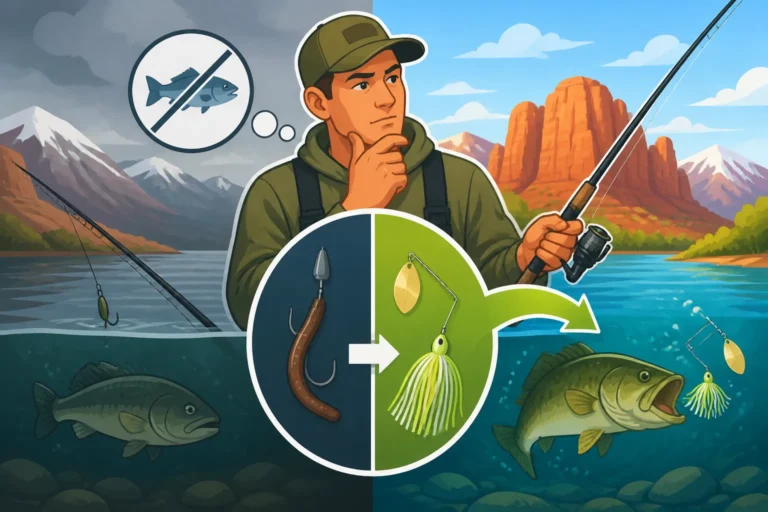
One of the first things to consider during a tough bite is to slow down. If you're cranking quickly, try slowing down to a crawl. If you're jigging, let your bait sit on the bottom for longer pauses. Smallmouth often become lethargic when conditions aren't ideal (e.g., cold fronts, high pressure, post-spawn slump), and a slower, more subtle presentation can coax a strike. This might mean switching from a power-fishing crankbait to a finesse drop shot or a small hair jig.
Another key adaptation is to downsize your lures. If fish are ignoring your 4-inch tubes, try a 3-inch version or even a tiny Ned rig. Sometimes, a smaller, less intimidating meal is what they're looking for. This is particularly true when smallmouth are heavily pressured or when they're keying in on very small forage. Similarly, consider the noise and vibration of your lure. On calm, clear days, very subtle baits might be better. On windy days or in stained water, lures with more vibration (like chatterbaits or spinnerbaits) can help smallmouth locate them.
Finally, don't be afraid to change locations or depths. If a spot that's usually productive isn't producing, the fish might have moved. Smallmouth are roamers, and they'll shift based on bait presence, water temperature, and pressure. If you're fishing shallow and not getting bites, try deeper. If deep isn't working, try targeting suspension over deeper water. A good fish finder can be invaluable here, helping you locate schools of bait or suspended fish that you might otherwise miss. Remember, flexibility and willingness to experiment are your greatest assets when the smallmouth bite gets tough.
| Lure Type | Best Conditions | Key Features | Example Utah Waters |
|---|---|---|---|
| Soft Plastics | Finesse, clear water, tough bite, deep | Natural look, subtle action, versatile rigs | Flaming Gorge, Deer Creek, Jordanelle |
| Crankbaits | Covering water, aggressive fish, varying depths | Wobble, dive depth, deflection off structure | Flaming Gorge, Deer Creek |
| Jerkbaits | Cooler water, suspended fish, reaction bite | Erratic darting, suspending pause | Flaming Gorge, Jordanelle |
| Tubes | Crayfish imitation, bottom dragging, deep | Hollow body, tentacle skirt, versatile | Deer Creek, Flaming Gorge |
| Jigs (Football) | Deep structure, rocky bottom, crayfish | Heavy head, upright presentation, slow drag | Flaming Gorge |
| Jigs (Hair/Marabou) | Cold water, finicky fish, subtle action | Pulsating natural material, slow retrieve | All clear reservoirs, early/late season |
| Spinnerbaits | Covering water, stained water, aggressive | Flash, vibration, weedless | Deer Creek, Utah Lake |
| Topwater | Low light, surface activity, aggressive | Surface commotion, visual strike | All reservoirs (seasonal) |
| Ned Rig | Ultra-finesse, clear water, highly pressured | Stand-up action, subtle wiggle, buoyant | Jordanelle, Deer Creek |
Disclaimer
The information provided in this guide is for general informational purposes only and is not intended as legal or professional advice. Fishing regulations, conditions, and fish populations can change frequently. Always consult the latest Utah Department of Wildlife Resources (UDWR) regulations before heading out to fish. Adhere to all local, state, and federal laws and practice responsible angling.