Best Pound Test Line for Utah Lake Catfish
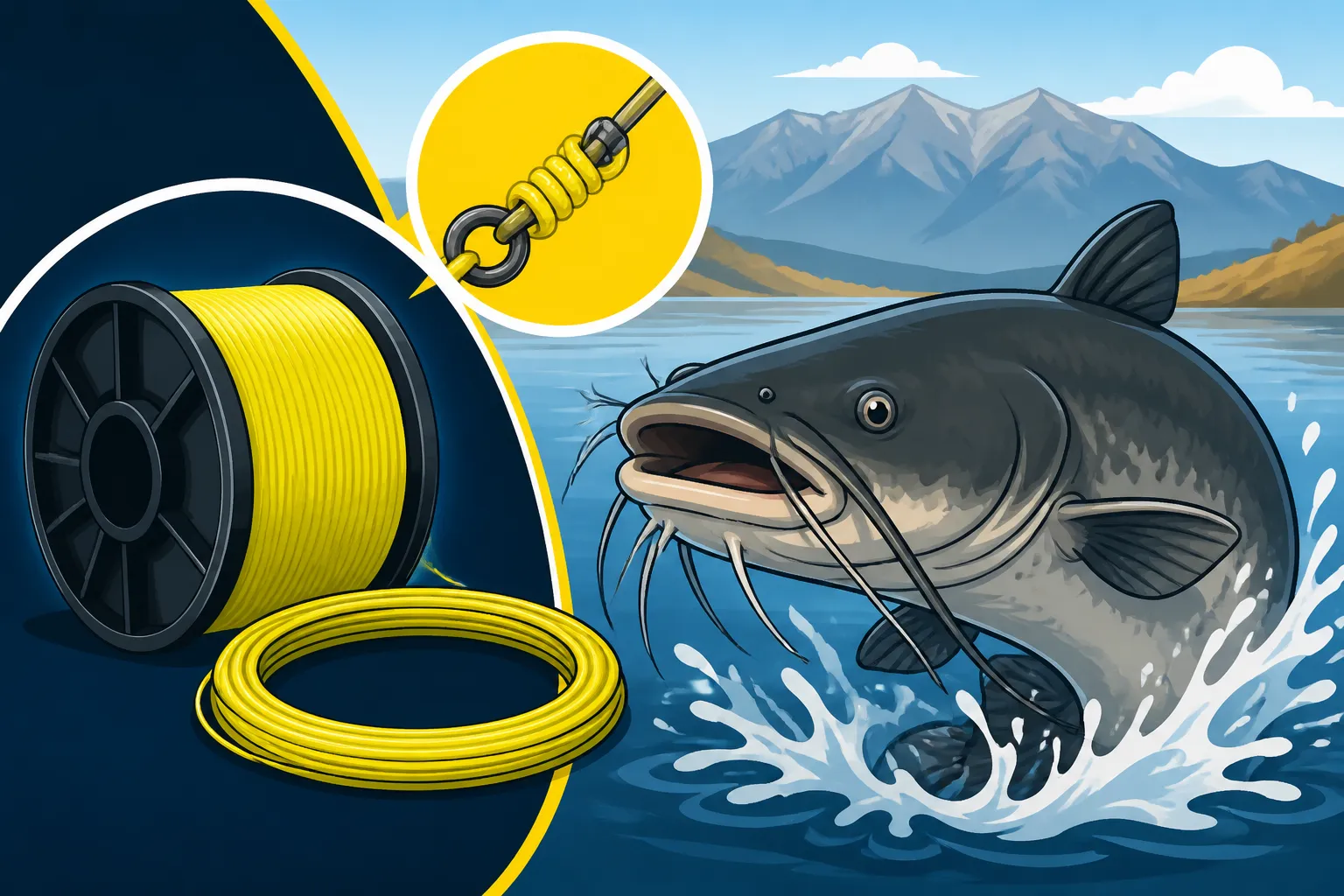
One of the most frustrating things for any angler hitting Utah Lake is feeling that powerful tug, fighting a spirited catfish, only for your line to snap just when you think you've got them. It's a heartbreaking experience, often leaving you wondering if your setup was truly up to the task. Choosing the right pound test line isn't just about avoiding a break; it's about confidently tackling those big, hard-fighting channel catfish and navigating the unique challenges of Utah Lake itself. This guide is here to help you dial in your line selection, ensuring your next encounter with a Utah Lake cat ends with a fish in the net, not a story about "the one that got away."
Understanding Utah Lake Catfish and Their Environment
Before we dive into specific line recommendations, it’s crucial to understand what makes Utah Lake and its catfish unique. This isn’t your average clear-water stream trout fishing; Utah Lake presents a different kind of challenge, and its catfish are built to handle it.
The Power of a Utah Lake Catfish
Utah Lake is renowned for its robust channel catfish population. These aren't dainty little panfish; even an average-sized cat in Utah Lake can put up a surprisingly strong fight. They have broad, muscular bodies, and when hooked, they tend to make powerful, head-shaking runs, often digging deep into the bottom. Many anglers targeting these fish regularly encounter individuals in the 5 to 10-pound range, and true trophy catfish pushing into the teens or even low twenties are certainly present. Imagine hooking into a 15-pound channel cat that suddenly decides to take off, aiming for the nearest submerged brush pile or rock. Your line needs to be able to withstand that sudden surge of power, the abrasive contact with structure, and the sustained pressure of a determined fight. This raw power is why going too light on your line is a common mistake that leads to lost fish and frustration. For more on their size, check out Catfish Size at Utah Lake.
Navigating Utah Lake's Challenges
Utah Lake itself adds another layer of complexity to line selection. It's a relatively shallow, fertile lake, and while generally productive, it does present some hazards for fishing line. The water can often be quite turbid, especially after windy days, reducing visibility. More importantly, the lakebed isn't always clean. You'll find areas with dense aquatic vegetation, submerged brush, rock piles, and even occasional debris from human activity. These elements are prime hiding spots for catfish, but they're also notorious for abrading and breaking fishing line. A weaker line might hold under the direct pull of a fish but can easily fray and snap when dragged across a sharp rock or through a thick mat of weeds. Additionally, the water chemistry and UV exposure over time can degrade line, so understanding how your line will stand up to these environmental factors is key.
Deciphering Pound Test: What It Really Means for Catfish Anglers
When you see "pound test" on a spool of fishing line, it refers to the average breaking strength of that line. However, it's not the only factor to consider, especially when fishing for powerful species like Utah Lake catfish in challenging environments.
Monofilament vs. Braided Line for Catfish
This is one of the biggest debates among catfish anglers, and for good reason, as both monofilament and braided lines have distinct advantages and disadvantages on Utah Lake.
Monofilament Line (Mono):
- Pros: Mono is typically less expensive, has a good amount of stretch, which acts as a shock absorber against sudden runs, and is relatively easy to tie knots with. Its buoyancy also means it tends to float or sink slowly, which can be an advantage for certain bait presentations. The stretch also makes it more forgiving for beginners or when a fish makes a strong, unexpected move. You can find many reliable monofilament options at any well-stocked tackle shop or online through retailers like Amazon.
- Cons: The primary drawback of mono for catfish is its abrasion resistance and diameter. For a given pound test, mono is much thicker than braid, meaning you get less line on your spool. More critically, mono is more susceptible to nicks and cuts from rocks, shells, and submerged wood. Over time, it can also degrade from UV exposure and water absorption, leading to reduced strength. If you’re fishing around heavy cover, mono might not give you the confidence you need against a big cat.
Braided Line (Braid):
- Pros: Braid is incredibly strong for its diameter, meaning you can fit a much higher pound test on your reel compared to mono. Its most significant advantage for catfish is its superior abrasion resistance and zero stretch. The lack of stretch provides incredible sensitivity, allowing you to feel even the most subtle bites, and gives you direct, powerful hooksets. This also means you have more direct control over a fighting fish, making it easier to steer them away from snags. Many serious catfish anglers swear by braid for its brute strength and durability. Retailers like Bass Pro Shops often have a wide array of braided lines, perfect for heavy-duty applications.
- Cons: Braid can be more expensive than mono, and its lack of stretch means less forgiveness. A strong, sudden run can put immense pressure on your knots and rod, potentially leading to pulled hooks or snapped rods if your drag isn't set perfectly. It can also be more difficult to tie certain knots, and the thin diameter can sometimes cut into your hands if not handled carefully during a powerful fight. Its high visibility (depending on color) can also be a concern in clearer water, though turbidity in Utah Lake often negates this.
Fluorocarbon Leaders: An Essential Addition?
While the main line choice (mono or braid) is critical, don't overlook the power of a good leader, especially when fishing for catfish. A fluorocarbon leader can offer the best of both worlds, particularly if you choose braided main line.
- Abrasion Resistance: Fluorocarbon is significantly more abrasion-resistant than monofilament, making it an excellent choice for the last few feet of line before your hook. If your bait is resting on the bottom amidst rocks or shells, a fluoro leader provides an extra layer of protection against cuts and nicks that could compromise your main line.
- Stealth: While Utah Lake's water is often turbid, there are times and conditions where a more invisible line can make a difference. Fluorocarbon has a refractive index very close to that of water, making it nearly invisible beneath the surface. This can be beneficial for wary fish, especially during periods of higher water clarity.
- Shock Absorption (with braid): When paired with a braid main line, a short fluorocarbon leader can add a slight amount of stretch, offering a tiny bit of shock absorption that braid lacks, which can be helpful during powerful head shakes.
- Recommended Use: For Utah Lake catfish, a 1-to-3-foot fluorocarbon leader in the 20-30 pound test range is often a smart choice, tied to your main line with a strong knot like an FG knot or an Albright knot. Even with mono, a fluoro leader can enhance abrasion resistance near the hook.
Recommended Pound Test for Utah Lake Catfish by Situation
Now, let's get down to the specifics. The "best" pound test isn't a single number; it depends on your fishing style, the tackle you're using, and the conditions you expect to encounter.
Standard Bank Fishing Setup
For anglers fishing from the bank with a standard rod and reel setup, casting baits like worms, cut bait, or stink bait, a moderate to heavy line is generally recommended. You're typically not targeting the absolute largest trophy fish but aiming for a good mix of average-sized cats.
- Monofilament: A good starting point for monofilament would be 15 to 20-pound test. This range provides a balance of strength and castability. It's strong enough to handle most channel cats you'll encounter from shore and offers enough stretch to absorb some of their powerful runs. However, be mindful of casting around heavy structure, as abrasion can still be an issue. If you're consistently losing fish to line breaks, consider bumping up to 25-pound mono.
- Braided Line: If you prefer braid from the bank, 30 to 40-pound test is an excellent choice. This offers significantly more strength and abrasion resistance than mono of a similar diameter, allowing for longer casts and better feel of subtle bites. Its thin diameter also means less line drag in the water, which can be beneficial in windy conditions. Always consider adding a fluorocarbon leader of 20-30 pound test to your braided main line for added stealth and abrasion protection near the hook.
Boat Fishing and Heavy Cover
When you're fishing from a boat, you often have the advantage of positioning yourself closer to prime catfish habitat, which frequently means heavier cover. This might include deep submerged brush piles, rock ledges, or dense weed beds. These areas hold bigger fish but also demand a more robust line.
- Monofilament: If sticking with mono, you'll want to go heavier here. 25 to 30-pound test monofilament will give you the pulling power needed to extract fish from snags and resist abrasion to a greater degree. While still having some stretch, this heavier mono is considerably tougher. Just be aware that casting heavier mono can be a bit more challenging, and you'll fit less on your reel.
- Braided Line: This is where braided line really shines. For boat fishing around heavy cover, 50 to 65-pound test braid is a fantastic choice. This heavy braid provides incredible breaking strength and exceptional abrasion resistance, allowing you to winch fish out of heavy cover with confidence. The zero stretch means you feel every bump and bite, and you have maximum control during the fight. A 30 to 40-pound fluorocarbon leader is highly recommended with this setup, especially if you're presenting baits directly into the structure.
Targeting Trophy Catfish
If your goal is to specifically target the biggest, baddest catfish Utah Lake has to offer, you'll want to gear up accordingly. Trophy cats are often found in the densest cover and demand the strongest tackle.
- Monofilament: For mono, pushing into the 30 to 40-pound test range is necessary. While some might go lighter, for true trophy hunting, you want every advantage. Be prepared for less casting distance and more bulk on your reel, but the extra strength is invaluable.
- Braided Line: For serious trophy hunting, braided line is almost universally preferred. 65 to 80-pound test braid gives you unparalleled power and confidence. This is the kind of line that lets you set the hook hard, turn a big fish's head, and pull them away from dangerous snags. A stout rod and reel are essential to match this heavy line. Again, a heavy fluorocarbon leader (40-50 pound test) can be a wise addition.
You can find robust lines designed for this type of heavy-duty fishing at specialty stores and online. Many anglers looking for reliable, strong line for big cats often look at options available through Amazon due to the wide selection and user reviews.
Here's a quick reference table for general guidance:
| Fishing Scenario | Recommended Monofilament (Pound Test) | Recommended Braided Line (Pound Test) | Leader Recommendation | Key Benefit |
|---|---|---|---|---|
| Standard Bank Fishing | 15-20 lb | 30-40 lb | 20-30 lb Fluorocarbon (with braid) | Versatility, balanced strength |
| Boat Fishing/Heavy Cover | 25-30 lb | 50-65 lb | 30-40 lb Fluorocarbon (highly recommended) | Power, abrasion resistance |
| Trophy Catfish Hunting | 30-40 lb | 65-80 lb | 40-50 lb Fluorocarbon (essential) | Maximum strength, control |
Remember, these are general recommendations. Your specific lure or bait, rod action, and personal preference might influence your final choice.
Tips for Maximizing Your Line's Performance
Choosing the right pound test is only part of the equation. How you maintain and use your line, as well as the rest of your tackle, makes a huge difference in its effectiveness and longevity.
The Importance of Good Knots
A fishing line is only as strong as its weakest link, and often, that weak link is a poorly tied knot. Even the highest pound test line can snap instantly if your knot isn't tied correctly or cinched down properly. For monofilament and fluorocarbon, reliable knots like the Improved Clinch knot, Palomar knot, or Uni knot are excellent choices for tying to hooks or swivels. When using braided line, knots become even more critical due to its slickness and lack of stretch. For tying braid to a leader, the FG knot or the Albright knot are strong, low-profile options that pass smoothly through rod guides. For tying braid directly to a swivel or hook, a Palomar knot or a specialized braided line knot like the San Diego Jam are great. Always moisten your line before cinching a knot down to prevent friction damage, and take the time to practice tying them correctly. Investing a few minutes to master these knots can save you from heartbreaking line breaks. For general knot tying tips, you might find resources on How to Tie a Basic Fishing Knot for Trout Fishing helpful, as the principles apply across species.
Line Maintenance and Replacement
Fishing line isn't a "set it and forget it" component of your tackle. Over time, line degrades, especially with exposure to UV rays, dirt, and friction.
- Inspect Regularly: Before and during each fishing trip, take a few moments to inspect the first few feet of your line, especially if you've been fishing around snags. Look for any nicks, fraying, or discoloration. If you find any damage, cut off the compromised section and re-tie your tackle. This simple step can prevent many lost fish.
- Respool Annually: Even if it looks good, monofilament line, in particular, should be replaced at least once a year, or more frequently if you fish often. Braid is more durable but still benefits from replacement every few years, or at least reversing the line on the spool (using the unused inner portion). Fresh line behaves better, casts smoother, and retains its full breaking strength.
- Storage: Store your spools of extra line and your fishing reels out of direct sunlight and extreme temperatures. UV light is a significant enemy of monofilament line.
Setting Your Drag Correctly
Having the right pound test line is useless if your drag isn't set properly. The drag system on your reel is designed to allow line to be pulled off the spool when a fish pulls harder than the set resistance, preventing your line from snapping.
- Don't Cinch It Down: A common mistake, especially for beginners or those using heavy line, is to tighten the drag all the way down, thinking it will prevent line breaks. In reality, this eliminates the shock-absorbing function of the drag and puts immense pressure on your line, knots, and rod, increasing the likelihood of a break, especially during a powerful, sudden run from a large catfish.
- The "25% Rule": A good rule of thumb is to set your drag to about 25% of your line's breaking strength. So, if you're using 20-pound test line, your drag should start slipping at around 5 pounds of pressure. You can test this by pulling line directly from your reel with a small scale. Adjust it so that line comes off smoothly under steady pressure, without feeling too tight or too loose.
- Adjust During the Fight: Be prepared to adjust your drag during the fight. A big catfish might make a strong initial run requiring a slightly looser drag, then you can tighten it down a bit to gain line once the fish tires. Proper drag management is a skill that comes with practice, but it's essential for landing those tough Utah Lake catfish. Remember, you can always find a great selection of reliable rods and reels suitable for handling the demands of Utah Lake catfishing at places like Bass Pro Shops.
By paying attention to your line choice, the condition of your line, and how you manage your drag, you'll significantly increase your chances of successfully landing more of those powerful Utah Lake catfish.
Disclaimer
This article is for general informational purposes only and does not constitute professional advice. Laws, prices and regulations vary by location and change over time. Consult a qualified professional for guidance on your specific situation.