Best Spots for Bear Lake Cutthroat Trout
Trying to find those elusive Bear Lake Cutthroat Trout can feel like searching for a needle in a haystack, especially if you're new to this magnificent body of water. You hear tales of their vibrant colors and feisty fight, but actually putting one in the net is another story entirely. This guide is here to cut through the guesswork, sharing the best spots and proven strategies to help you connect with one of Utah's most iconic native fish.
The Unique Allure of Bear Lake Cutthroat Trout
Bear Lake, often called the "Caribbean of the Rockies" for its stunning turquoise waters, holds a truly special place in the hearts of Utah anglers. It's not just any lake; it's home to unique species, none more celebrated than the Bear Lake Cutthroat Trout. These aren't your typical hatchery rainbows; they are a distinct population of the Bonneville Cutthroat Trout, a subspecies native to the Bear River drainage, thriving in the deep, cold, and incredibly clear waters of Bear Lake. They're a testament to the lake's rich ecosystem, and catching one feels like a connection to the wild, untamed spirit of the mountains.
The challenge, and indeed a significant part of the allure, is their elusive nature. Unlike stocked trout that might congregate near a recent release, Bear Lake Cutthroat often roam the vast expanses of the lake, seeking out specific forage like the Bonneville Cisco. Their intelligence and size can make them a formidable opponent, but the reward of landing one of these beautiful, hard-fighting fish is truly unforgettable. Understanding their habits and preferred habitats is the first step to success. You can learn more about their characteristics in our detailed guide on Bear Lake Cutthroat Trout Facts.
Why Bear Lake Cutthroat Are Different
These aren't just any cutthroat. The Bear Lake Cutthroat Trout have evolved in isolation for thousands of years, adapting specifically to the unique conditions of Bear Lake. They tend to be larger and more powerfully built than many river-dwelling cutthroat, often exhibiting a richer, deeper color palette. Their diet heavily relies on the Bonneville Cisco, another endemic species of Bear Lake, which contributes to their fast growth rates and robust fighting spirit.
What makes them so special is this unique genetic heritage and their wild nature. While other cutthroat subspecies exist throughout Utah, the Bonneville Cutthroat Trout found in Bear Lake is a true gem. Anglers often comment on their striking orange-red slash marks under the jaw and their pristine condition, a stark contrast to the often battered fins of hatchery fish. Successfully targeting them means understanding the nuances of Bear Lake itself – its depths, its temperatures, and the movements of its prey. It's a game of patience, strategy, and respect for a truly wild fishery.
Identifying Your Catch: Cutthroat vs. Rainbows
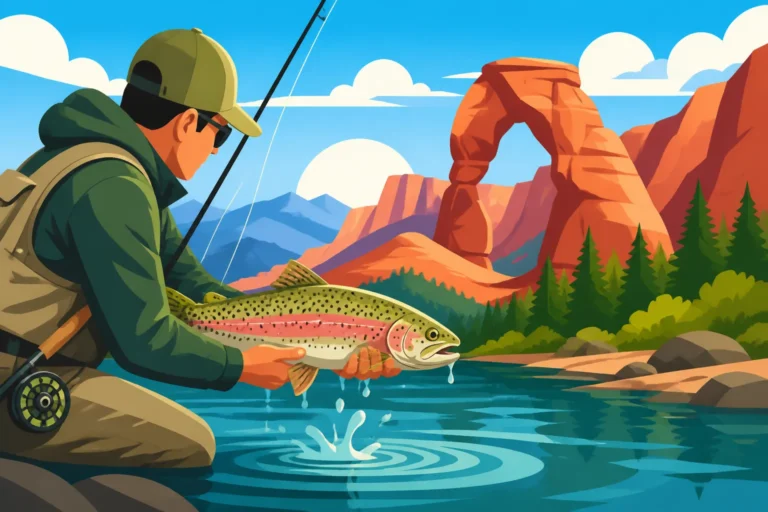
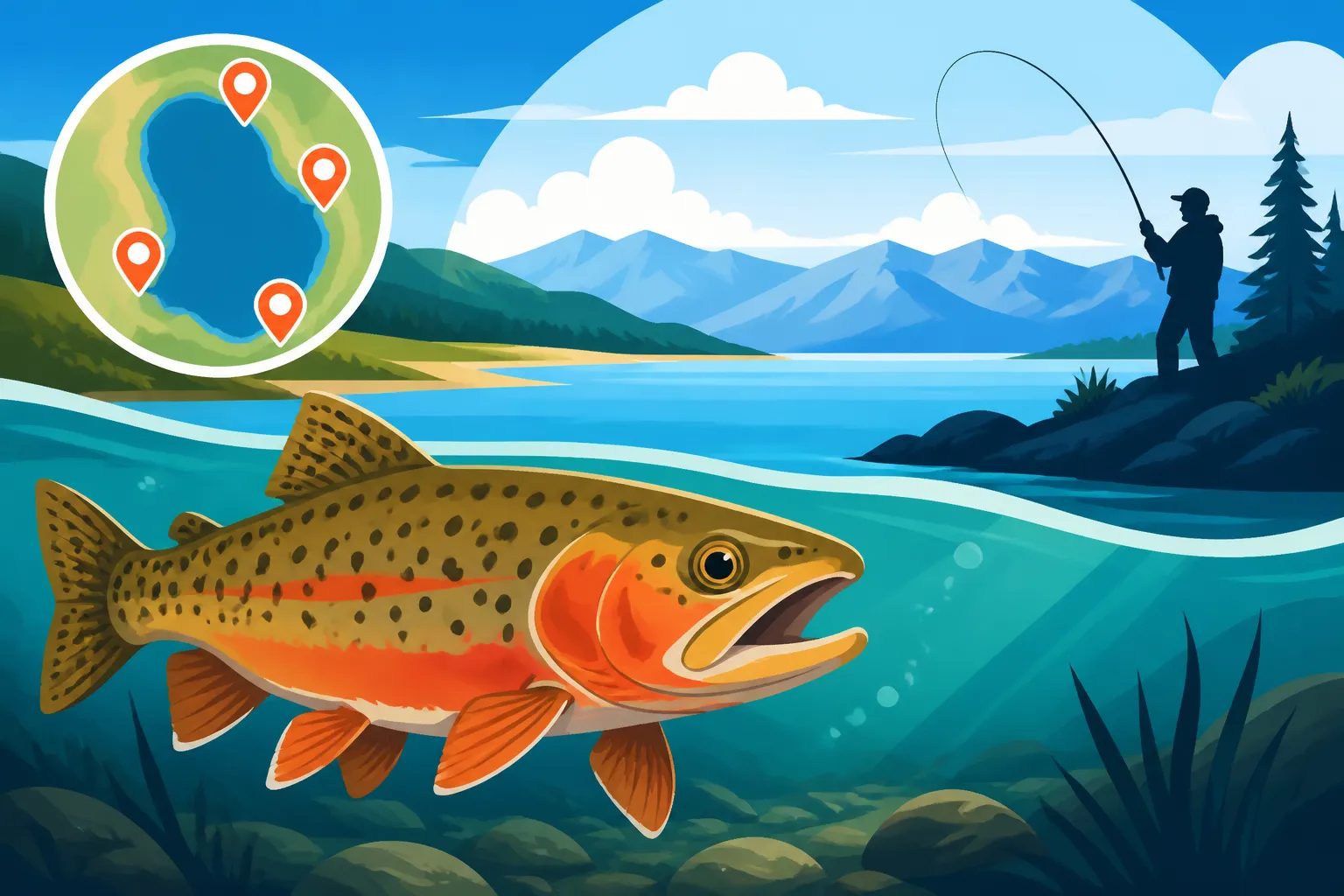
It's crucial to be able to distinguish a Bear Lake Cutthroat from a Rainbow Trout, especially given specific regulations and conservation efforts. While they can look similar at first glance, there are key differences. The most defining characteristic of a cutthroat is that distinctive red or orange "slash" mark under their jaw, which looks like a cut. Rainbows, as their name suggests, typically have a broad, iridescent pink or red band along their sides and lack that specific jaw marking.
Additionally, cutthroat trout often have smaller, more numerous spots, particularly concentrated towards the tail, while rainbow trout might have larger, more scattered spots. The mouth of a cutthroat also tends to extend slightly beyond the eye, whereas a rainbow's mouth usually ends even with the eye. Knowing these distinctions is vital not only for adhering to local regulations but also for appreciating the unique beauty of each species. If you're ever unsure, a quick check of the jaw is usually the giveaway. For a deeper dive, check out our article on How to Tell a Cutthroat Trout From a Rainbow Trout.
Prime Fishing Locations on Bear Lake
Bear Lake is a massive body of water, spanning over 70,000 acres, so knowing where to focus your efforts is absolutely critical. While cutthroat can theoretically be found anywhere, certain areas consistently yield better results due to depth, structure, or proximity to food sources. The key is often finding the deep, cold water they prefer, especially during the warmer months, or intercepting them as they move shallower during specific feeding or spawning windows.
For most of the year, particularly from late spring through fall, the largest Bear Lake Cutthroat are found suspended in the deep, open waters, often following schools of cisco. This means trolling is the dominant and most effective technique. However, don't discount shore access or specific geological features during certain seasons. Understanding the lake's topography and how fish relate to it throughout the year will dramatically increase your chances of success.
Deep Water Trolling Lanes
If you're serious about landing a trophy Bear Lake Cutthroat, the deep water trolling lanes are where you need to be. These fish are predatory and spend much of their lives chasing cisco in the open lake. Focus your efforts in the central and northern parts of the lake, particularly over depths ranging from 60 to 150 feet. While the fish might be suspended anywhere from 30 to 80 feet down, depending on the time of day, weather, and cisco movements, the deeper water is their sanctuary.
Popular areas include the vast expanse between Bear Lake State Park Marina on the Utah side and the Idaho border, as well as the deeper waters off of Fish Haven. These aren't "spots" in the traditional sense, but rather large areas where anglers slowly troll a pattern of lures, often using downriggers to precisely control depth. Look for gradual drop-offs and large flats on your sonar, and pay close attention to any baitfish schools you mark. Patience is key here, as you might cover a lot of water before finding a productive lane. Guides on services like FishingBooker often specialize in these deep-water techniques, knowing exactly where the fish are holding based on recent patterns.
Shoreline Access and Tributary Mouths
While trophy cutthroat are typically targeted from a boat in deep water, shore anglers still have opportunities, especially during specific times of the year. The most reliable shore fishing for cutthroat occurs during the fall spawning season, generally from late September through November. During this period, mature cutthroat move into shallower waters and congregate near the mouths of tributaries that feed into Bear Lake. Creeks like St. Charles Creek, Fish Haven Creek, and Swan Creek, all on the Idaho side, become hotspots.
Anglers can often find success casting spoons, jigs, or even bait (where permitted) from shore in these areas. However, it's crucial to be aware of and respect all fishing regulations, especially concerning spawning fish. Some areas may have restrictions or require immediate release to protect the breeding population. Outside of the spawning run, shore fishing for large cutthroat can be challenging, but smaller fish might be caught near structure or early in the morning or late evening when they venture closer to shore to feed. For direct access, check out our guide on Bear Lake Marina Fishing Access which details launch points and nearby shore opportunities.
Rocky Points and Underwater Structure
Cutthroat trout, even when roaming open water, will often relate to some form of structure, especially when not actively chasing cisco. Rocky points, underwater ledges, and submerged humps can concentrate baitfish and provide ambush points for predatory cutthroat. On Bear Lake, these areas are primarily found along the eastern and western shores, where the lake bottom isn't a uniform bowl.
Using a good fish finder is invaluable for identifying these subtle underwater features. Pay particular attention to the edges of drop-offs, where deep water meets a shallower shelf. These transitional zones are prime real estate for cruising cutthroat. While not always as productive as the vast trolling lanes, fishing structure can offer a more precise target for anglers, especially those who prefer jigging or even casting from a slower-moving boat. Exploring the areas north of Bear Lake State Park Marina towards the Utah-Idaho border can reveal some excellent rocky structure.
Techniques and Tips for Success
Catching Bear Lake Cutthroat isn't about luck; it's about employing the right techniques and understanding their behavior. These fish can be finicky, responding to subtle changes in lure presentation, depth, and speed. A thoughtful approach to your tackle and method will yield far greater results than simply dragging a lure aimlessly. The primary method for larger cutthroat is trolling, but understanding how to refine this technique and incorporate other strategies is key to consistent success.
Best Baits and Lures
For trolling, which is the most effective method for larger cutthroat, a variety of spoons and minnow imitations are highly effective.
- Trolling Spoons: These are a staple for Bear Lake. Favorites include those from Luhr-Jensen like the Needlefish or the Sting Sinker series. Brands like Mack's Lure (Cha Cha Squids, Smile Blades) can also be productive. Colors vary, but always have some with silver, blue, green, and chartreuse. Experimentation is key – one day silver and blue might be hot, the next day, a chartreuse pattern could be irresistible.
- Jigging Spoons/Tube Jigs: For ice fishing or vertical jigging over structure, heavy jigging spoons (like a Rapala Jigging Rap or Johnson Silver Minnow) or tube jigs (white or chartreuse) tipped with a piece of cisco or sucker meat can be incredibly effective.
- Minnow Plugs: Rapala Original Floaters or Husky Jerks in patterns that mimic cisco are excellent. Trolling these at various depths can entice strikes.
- Live Bait (where legal): If regulations allow, a live minnow or sucker minnow (check local bait regulations, as some waters prohibit certain live baits to prevent invasive species introduction) can be deadly, fished behind a dodger or flasher.
It’s often a good idea to rotate through different lures and colors until you find what the fish are keying in on that day. Don't be afraid to try something unexpected if the usual suspects aren't producing.
The Art of Downrigging
Downrigging is virtually indispensable for consistently catching larger Bear Lake Cutthroat. These fish often suspend at precise depths in the water column, and getting your lure exactly to their level is paramount. A downrigger allows you to do just that: a heavy ball is lowered to a set depth, and your fishing line, attached to a release clip, is carried down with it. When a fish strikes, the line pops free from the clip, allowing you to fight the fish directly on your rod.
- Setup: You'll typically run your main line (often 10-15 lb test monofilament or fluorocarbon) through your rod guides, then attach it to a downrigger release clip. The lure is tied directly to the end of your main line, or you might use a short leader.
- Depth Control: A good fish finder will help you identify the depth at which baitfish are schooling or where you're marking cutthroat. Adjust your downrigger accordingly. Sometimes, fishing just above the marked fish, or even below them, can trigger strikes.
- Lure Action: The speed of your troll is critical. Generally, a slow troll (1.5 to 2.5 mph) is effective for cutthroat. You want your spoon or lure to have an enticing swimming or darting action without spinning unnaturally. Check your lure beside the boat before deploying it.
- Multiple Lines: Many anglers run multiple downriggers at different depths and with different lures to cover more of the water column and identify preferences. Remember to comply with Utah Fishing Regulations Explained regarding the number of rods permitted.
Seasonal Tactics for Bear Lake
The behavior of Bear Lake Cutthroat Trout changes dramatically with the seasons, making varied tactics essential.
- Spring (Ice-Off to Early Summer): As the ice melts, cutthroat begin to move shallower, following warming water and emerging insects. Trolling becomes effective, but you might find success casting spoons or even fly fishing streamers near shorelines and points in the mornings and evenings. This is a great time to target fish before they go deep.
- Summer: This is prime deep-water trolling season. The sun drives cutthroat down to cooler, oxygenated depths, typically 40-80 feet or even deeper. Downriggers are your best friend. Look for thermoclines and baitfish on your electronics. Early mornings and late evenings can still see fish move slightly shallower.
- Fall (Spawning Run): As mentioned, fall is shore fishing season near tributary mouths. But it's also excellent for boat anglers who troll the deeper waters near those same areas, intercepting fish moving towards their spawning grounds. Big spoons and minnow plugs work well. Always be mindful of ethical angling during spawning season.
- Winter (Ice Fishing): Bear Lake offers fantastic ice fishing opportunities for cutthroat. Focus on areas with 40-80 feet of water. Use heavy jigging spoons or tube jigs, tipped with bait. Look for structure or concentrations of baitfish on your ice fishing sonar. Be sure to check Utah Ice Fishing Regulations for specific rules on shanties and bait.
Planning Your Bear Lake Cutthroat Adventure
A successful fishing trip to Bear Lake isn't just about knowing where to cast; it's about being prepared, understanding the rules, and appreciating the environment. This massive lake can be unpredictable, with sudden weather changes and vast distances to cover. A little planning goes a long way in ensuring a safe, enjoyable, and productive outing.
Chartering a Guide
For those who are new to Bear Lake or want to maximize their chances of catching a trophy, chartering a local fishing guide is an excellent investment. A good guide knows the lake like the back of their hand, understands the current patterns of the fish, and has all the specialized gear, including downriggers and advanced fish finders, necessary for success. They can teach you the ropes, put you on fish, and help you navigate the vast waters safely.
Platforms like FishingBooker are a fantastic resource for finding experienced Bear Lake fishing guides. You can browse different charters, read reviews, and find guides who specialize in cutthroat trout. They'll also be up-to-date on all the current regulations and licenses needed. Hiring a guide is not just about catching fish; it's an educational experience that can dramatically shorten your learning curve on this unique fishery. They can also advise on the Best Time of Year to Fish in Utah for specific species on Bear Lake.
Essential Gear and Boat Considerations
Beyond your rods, reels, and lures, there's other essential gear you'll need for a Bear Lake cutthroat trip.
- Boat: A sturdy boat capable of handling large lake conditions is a must for serious cutthroat fishing. Even in summer, winds can pick up quickly, making smaller craft risky. A boat equipped with a reliable motor, a powerful fish finder (with side-imaging or down-imaging if possible), and at least two downriggers will set you up for success. Consider a larger center console or deep-V hull if you plan to venture far from shore. For launching, our guide on Best Boat Ramps on Bear Lake can help you plan your access.
- Safety Gear: Always have appropriate life jackets for everyone on board, a throwable flotation device, a first-aid kit, and marine radio or cell phone for emergencies. Bear Lake is big and can get rough quickly.
- Electronics: A high-quality fish finder is crucial for locating baitfish and suspended cutthroat. GPS is also invaluable for marking productive trolling lanes or underwater structure.
- Weather Protection: Even on sunny days, the temperature on the water can be cooler, and sudden storms can roll in. Bring layers of clothing, rain gear, sunscreen, sunglasses, and a wide-brimmed hat.
- Cooler: Keep your catch fresh! A well-insulated cooler with ice is essential if you plan to keep any fish within your legal Utah Daily Bag and Possession Limits.
Understanding Regulations and Conservation
Bear Lake is a delicate ecosystem, and its unique species are protected through careful management. Before you even think about fishing, make sure you have the correct Utah Fishing License Guide and understand all the specific regulations for Bear Lake Cutthroat Trout. This includes bag limits, possession limits, and often slot limits (where fish within a certain size range must be released).
The Utah Division of Wildlife Resources (UDWR) works hard to maintain healthy populations of native species, and adherence to regulations is critical for conservation. Always check the current Utah Fishing Guidebook for the most up-to-date information, as rules can change seasonally or annually. Practicing responsible catch-and-release, especially for larger breeding fish, helps ensure future generations can also experience the thrill of catching these magnificent trout.
Bear Lake Cutthroat Fishing Guide Summary
To give you a quick overview of what to expect when targeting Bear Lake Cutthroat Trout, here's a summary of key factors:
| Factor | Best Approach for Bear Lake Cutthroat |
|---|---|
| Primary Method | Trolling with downriggers in deep, open water. |
| Key Locations | Central and northern lake over 60-150 ft depths; near tributary mouths in fall; rocky points and ledges. |
| Best Lures | Trolling spoons (e.g., Needlefish), minnow plugs (Rapalas), tube jigs (for ice fishing). Colors: silver, blue, green, chartreuse. |
| Target Depth | 30-80 feet in water up to 150 feet deep, adjusting based on baitfish and thermocline. |
| Trolling Speed | Slow, usually 1.5 – 2.5 mph, ensuring lures have good action. |
| Seasons | Spring/Summer: Deep trolling. Fall: Tributary mouths (shore/boat), deep trolling. Winter: Ice fishing with jigs. |
| Essential Gear | Sturdy boat, powerful fish finder, downriggers, warm clothing, safety gear. |
| Regulations | Valid Utah fishing license required. Adhere to specific Bear Lake bag, possession, and slot limits for cutthroat. Check current UDWR guidebook. |
| Expert Tip | Consider hiring a local guide, especially for your first trip, or consult platforms like FishingBooker for charter options and local insights. |
Disclaimer
Please be aware that fishing regulations, conditions, and fish behavior can change rapidly. Always consult the most current Utah Fishing Guidebook published by the Utah Division of Wildlife Resources (UDWR) before heading out. Safety should always be your top priority on the water.