Where to Fish Lake Powell by Houseboat
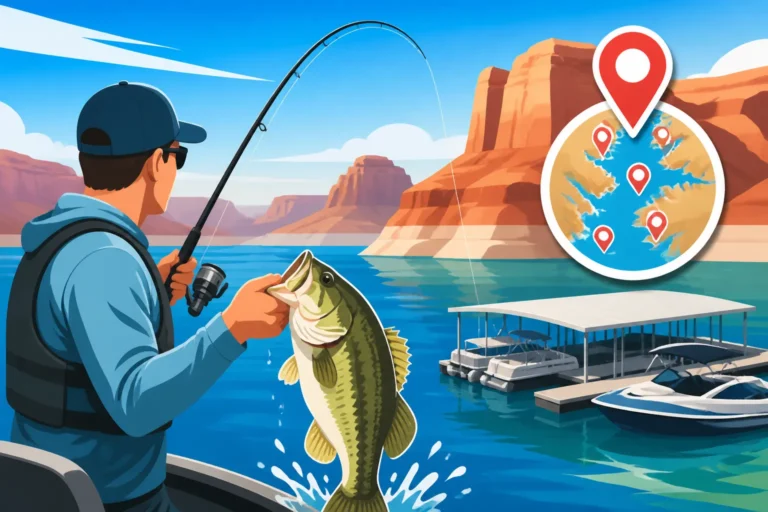
The idea of fishing Lake Powell from the comfort of your own floating base camp, a houseboat, sounds like the ultimate angling adventure. Yet, the sheer size and complexity of this incredible reservoir can make planning such a trip feel daunting. Many anglers wonder how to even begin navigating its vast waters, where to anchor for the best action, and what unique strategies are needed to consistently catch fish while living on the water. This comprehensive guide will walk you through everything you need to know to transform your houseboat dream into a reality, ensuring a productive and unforgettable fishing expedition on Lake Powell.
The Ultimate Angler's Base Camp on Lake Powell
Fishing Lake Powell by houseboat isn't just a trip; it's an immersion into one of the most unique and stunning fisheries in the American West. Your houseboat transforms from a simple vessel into your personal fishing lodge, moving you closer to the action and allowing for unparalleled flexibility.
Why a Houseboat Elevates Your Fishing Experience
Imagine waking up to the gentle lapping of water against your hull, stepping out onto the deck with a fresh cup of coffee, and making your first cast into the glassy calm of a Lake Powell sunrise. This is the core appeal of houseboat fishing. Unlike traditional day trips where you're constantly battling boat ramp traffic, travel time to prime spots, and the pressure to get back before dark, a houseboat gives you the luxury of time and proximity. You can anchor right in the heart of prime fishing grounds for days on end, allowing you to hit those crucial dawn and dusk bites with ease.
Furthermore, a houseboat offers unmatched comfort and convenience. All your gear, tackle, food, and sleeping quarters are right there with you. This means no hauling coolers, no packing multiple day bags, and no rushing back to shore. You can prepare meals, relax, and fish whenever the mood strikes, turning your fishing trip into a truly integrated and relaxing vacation. It also allows you to explore remote canyons and stretches of the lake that would be arduous to reach from a daily launch, giving you access to less pressured fish and pristine solitude.
Selecting Your Houseboat and Marina for Strategic Access
Choosing the right houseboat and the optimal launch marina is the first critical step in planning your Lake Powell fishing adventure. Houseboats come in various sizes and with different amenities, from basic models perfect for a small group of dedicated anglers to luxurious vessels with multiple bedrooms, full kitchens, and even hot tubs. Your choice should align with your group size, budget, and desired level of comfort.
More importantly, your choice of marina will dictate your immediate access to different sections of the lake and, consequently, different fishing opportunities. The primary marinas on Lake Powell include Wahweap (near Page, Arizona, on the lower lake), Bullfrog, and Halls Crossing (both in central Utah, serving the mid-lake region).
- Wahweap Marina: Offers excellent access to the wide-open lower lake, including Antelope Canyon, Navajo Canyon, and the main channel, which are renowned for aggressive striped bass boils and largemouth bass in rocky coves. If your primary goal is to chase boiling stripers, Wahweap might provide the quickest access to these zones. You might find guides through services like FishingBooker who specialize in these lower lake areas if you want to learn some local tricks.
- Bullfrog and Halls Crossing Marinas: These central locations are ideal for exploring the lake's vast mid-section, including impressive canyons like Forgotten Canyon, the Escalante River arm, and other intricate structures. This area is fantastic for a diverse fishery, offering chances at smallmouth bass, largemouth, and even some walleye in specific spots. Their central location allows for a wider range of exploration if you have more time for a longer trip.
Consider the duration of your trip and how far you plan to travel up or down the lake. A week-long trip from Wahweap can still get you quite far north, but a two-week journey from Bullfrog will allow for truly extensive exploration of Utah's remote stretches of the lake. Researching specific fishing reports and patterns before you book can help inform your decision on the best launch point. If you're looking for guidance on what boat ramps are available, you can check out resources like Best Boat Ramps on Lake Powell.
Essential Non-Fishing Gear for Houseboat Expeditions
While your fishing tackle is paramount, a successful houseboat trip to Lake Powell demands careful consideration of non-fishing essentials that contribute to both comfort and safety. Lake Powell's remote nature means you need to be largely self-sufficient.
Start with navigation. The lake is vast and intricate, with countless canyons and coves. While houseboats come with basic charts, a dedicated marine GPS unit or a reliable mapping app on a tablet with downloaded maps is crucial. This will help you mark productive fishing spots, navigate safely, and avoid getting disoriented, especially as the sun begins to dip. Always carry physical maps as a backup.
Hydration and food storage are also critical. Bring plenty of potable water, beyond what the houseboat's tank holds, and ensure you have ample ice chest capacity. Keeping your catch fresh is essential, so investing in a Best Coolers for Keeping Utah Fish Fresh is a smart move. Power sources like portable solar chargers or power banks are invaluable for keeping phones, cameras, and smaller electronic devices charged when you're far from shore power. Don't forget a comprehensive first-aid kit, as help can be hours away.
Finally, consider the unique aspects of houseboat anchoring. Unlike small fishing boats, houseboats require substantial anchoring systems. Many experienced captains use two anchors – one off the bow and one off the stern – to prevent the houseboat from swinging in the wind or current, ensuring it stays perfectly positioned for fishing or for safely launching smaller craft. Good quality mooring lines are also essential for tying up in coves.
Navigating Lake Powell's Vastness to Find the Fish
Lake Powell's immense size and diverse underwater landscape offer a variety of fishing challenges and rewards. Knowing where to focus your efforts for specific species, especially with the flexibility a houseboat provides, is key to success.
Identifying Prime Striped Bass Zones from Your Houseboat
Striped bass are arguably Lake Powell's most iconic and exciting sportfish, famous for their aggressive feeding "boils" on the surface. Houseboat anglers are perfectly positioned to capitalize on these frenzied events. Stripers are pelagic, meaning they roam the open waters, often following immense schools of threadfin shad.
From your houseboat, keep a keen eye on the horizon and listen for the sounds of splashing and bird activity. Diving seagulls are often the best indicators of a striper boil, signaling that a school of bass is pushing shad to the surface. When you spot a boil, the ability to quickly launch a smaller support boat or even cast directly from your houseboat (if close enough) is invaluable. You can find detailed information on Best Spots for Striped Bass at Lake Powell and strategies for How to Find Shad Boils at Lake Powell in other guides.
Beyond boils, stripers also relate to deep-water structure, especially prominent points, submerged islands, and main channel ledges. Use your fish finder extensively to locate bait schools and larger fish arches in these areas. Trolling with spoons or swimbaits behind your support boat, or vertical jigging from the houseboat over known depths, can be highly effective. The early morning and late evening hours often yield the most consistent action, even when boils aren't occurring.
Discovering Largemouth and Smallmouth Bass Havens
While stripers often steal the show, Lake Powell offers phenomenal largemouth and smallmouth bass fishing, especially for the houseboat angler willing to explore remote coves. Bass prefer structure, and Lake Powell has an abundance of it – rocky shorelines, submerged brush, canyon walls, and sandy flats.
Smallmouth Bass thrive in the clear, rocky waters of Lake Powell's many canyons. Look for areas with a mix of rock sizes, ledges, and sheer cliff faces. They often congregate around points, humps, and submerged rock piles. Houseboats allow you to anchor deep within a secluded canyon, giving you all-day access to these prime smallmouth territories. You can then launch a kayak or a smaller boat to meticulously work these structures with finesse baits like tubes, drop shots, or small crankbaits. For more specific locations, check out Best Coves for Bass at Lake Powell.
Largemouth Bass, though less common than smallmouth in the clearer main lake, can be found in the lake's upper reaches and specific coves with more stained water and larger amounts of submerged timber or vegetation. The San Juan River arm, for example, offers different habitat. Houseboat anglers who venture further up-lake will find these unique opportunities. Focus on areas with standing timber, brush lines, and rock falls using traditional largemouth baits like jigs, spinnerbaits, and topwater lures.
Exploring Remote Waters for Trout and Walleye
While not the primary target for most houseboat anglers, Lake Powell does hold populations of rainbow trout, especially in its upper cold-water reaches, and a growing population of walleye in specific areas. These species often require a more dedicated approach and longer travel from the main marinas.
Rainbow trout are typically found in the cooler, deeper sections of the upper lake, often associated with inflowing river arms. Anglers targeting trout from a houseboat would need to commit to a longer journey up-lake and focus on trolling or bait fishing with powerbait or worms in these cooler waters.
Walleye, on the other hand, are often found in the muddier, nutrient-rich inflows, particularly in the San Juan and Escalante arms. They are notoriously light biters and are often most active during low-light conditions or at night. If you're keen on targeting them, anchoring your houseboat near known walleye habitat and jigging with spoons or blade baits during the evening can yield results. For those interested in the rules regarding these species, remember to consult the Utah Walleye Harvest Rules before you go. While less common for houseboat expeditions, the sheer size of Lake Powell means there are always new fishing opportunities for those willing to seek them out. Consider looking into a comprehensive Lake Powell Fishing Guide to enhance your trip.
Strategies for Successful Houseboat Fishing on Lake Powell
To truly maximize your time fishing from a houseboat on Lake Powell, you need to employ specific strategies that leverage the unique advantages your floating base camp offers. It's about combining convenience with smart angling tactics.
Mastering Houseboat Anchoring and Positioning
Anchoring a houseboat effectively is a skill that directly impacts your fishing success and overall comfort. These vessels are large and can be unwieldy in wind, so proper positioning is crucial. The goal is often to position the houseboat so that it's either directly in a productive fishing area, or, more commonly, to create a stable base from which you can launch smaller support boats or kayaks to reach prime spots.
A common mistake is simply dropping a single anchor from the bow. In windy conditions, this allows the houseboat to swing, potentially moving you off your desired fishing spot or creating an uncomfortable rocking motion. Experienced houseboat captains often deploy two anchors: one from the bow and one from the stern. This "fore and aft" anchoring technique keeps the houseboat perfectly stationary and pointed in the desired direction, creating a stable platform for fishing from the deck or for launching and retrieving smaller boats without hassle.
When choosing an anchorage, look for sheltered coves that offer protection from prevailing winds, especially overnight. Also, consider the water depth – you'll want sufficient depth for the houseboat, but also access to shallower areas for bass fishing with your smaller craft. Always ensure your anchors are set firmly in the lakebed, and carry plenty of anchor line for varying depths.
Utilizing Support Boats and Kayaks for Versatility
Your houseboat is your luxurious base, but smaller support vessels are your workhorses for actual fishing on Lake Powell. While you can certainly cast from the houseboat, a dedicated fishing boat, kayak, or even a paddleboard allows you to be much more versatile and effective.
Trailering a small bass boat or a runabout behind your houseboat is a popular option. This allows you to quickly zip to distant boils, run lures along canyon walls, or navigate shallow coves that a large houseboat can't access. You can cover much more water and respond rapidly to changing conditions. Ensure your support boat is well-maintained, fully fueled, and equipped with its own fishing gear.
Kayaks and paddleboards offer an even more stealthy approach, particularly for bass fishing in quiet, secluded coves. They allow you to slip into tight spaces, hug rocky shorelines, and present baits precisely without spooking fish. Many anglers bring multiple kayaks or paddleboards, making it a great way for individuals to explore different fishing opportunities simultaneously. If you're curious about suitable options, you might even consider models discussed for Best Kayaks for Utah Lake Fishing, as their principles often apply to Lake Powell. This combination of a comfortable houseboat base with nimble fishing craft is truly the best of both worlds.
Capitalizing on Night Fishing Opportunities
Lake Powell truly comes alive after dark, offering unique and often incredibly productive fishing opportunities, especially for striped bass and catfish. The cooler night temperatures, combined with certain behavioral patterns of the fish, can lead to some of the most memorable catches of your trip.
One of the most effective night fishing techniques from a houseboat is to use submersible fishing lights. These powerful green or white lights, lowered into the water off the side of your anchored houseboat, act as beacons. They attract plankton, which in turn draw in massive schools of threadfin shad. Once the baitfish congregate under the lights, the larger predatory striped bass, walleye, and catfish are not far behind.
Anglers fishing under these lights can cast swimbaits, spoons, or simply drop cut bait or anchovies directly into the lighted zone. The action can be fast and furious, with multiple hookups. Remember to use headlamps with red light settings to preserve your night vision and minimize disturbance. Always be mindful of other anglers and vessels, keeping your lights focused downwards and not shining them broadly across the lake. Night fishing from a houseboat provides a completely different dimension to your Lake Powell experience, often yielding larger fish and peaceful solitude under a canopy of stars.
Planning and Safety for an Unforgettable Lake Powell Trip
A houseboat fishing trip to Lake Powell is an incredible adventure, but it requires careful planning and a strong emphasis on safety to ensure it's unforgettable for all the right reasons.
Provisioning and Logistics for Extended Stays
Lake Powell's remoteness means that re-supplying is not a quick or easy task. When planning your houseboat trip, it's crucial to over-prepare with provisions, especially for extended stays.
- Food and Water: Plan all your meals in advance and pack accordingly. Houseboats have refrigerators and freezers, but their capacity is limited. Utilize dry goods, canned foods, and non-perishables efficiently. Bring more drinking water than you think you'll need, as the houseboat's fresh water tank might not be sufficient for a large group over several days.
- Ice: This is a critical item, not just for drinks but for keeping your catch fresh. Buy block ice if possible, as it lasts longer than cubed ice. Having a dedicated fish cooler separate from your drink cooler is a good idea.
- Fuel: Calculate your fuel needs carefully. Houseboats are notoriously thirsty, and if you're also running a support boat, fuel consumption adds up quickly. Marinas like Wahweap, Bullfrog, and Halls Crossing offer fuel, but it's significantly more expensive on the lake. Plan your route to refuel strategically if necessary.
- Packing List: Create a detailed checklist for everything from sunscreen and bug spray to spare parts for your fishing reels and basic tools for minor repairs. For those who want to ensure they have all their bases covered, checking out comprehensive resources, or even guides found via FishingBooker who specialize in Lake Powell expeditions, can offer invaluable packing advice.
Navigating Changing Lake Conditions and Safety Protocols
Lake Powell's weather can change rapidly, and its unique geography presents specific navigation challenges. Staying informed and prepared is paramount for a safe and enjoyable trip.
- Weather Monitoring: Always check the weather forecast before and during your trip. High winds can quickly turn calm waters into dangerous whitecaps, making navigation difficult and anchoring unstable. Thunderstorms can bring lightning and torrential rain. Have a plan for seeking shelter in protected coves if bad weather rolls in. For more on this, you can look up How Wind Affects Fishing on Utah Reservoirs.
- Water Levels and Hazards: Lake Powell's water levels fluctuate significantly. Always be aware of submerged hazards like rocks, old trees, and canyon walls that might be just below the surface in lower water conditions. Rely on your GPS, depth finder, and visual observation.
- Communication: Cell service is spotty at best on Lake Powell. Carry a satellite phone or a marine VHF radio for emergencies. Let someone ashore know your float plan, including your expected route and return date.
- Aquatic Invasive Species (AIS): Utah has strict rules regarding aquatic invasive species, particularly quagga mussels, which are present in Lake Powell. All vessels, including houseboats and support boats, must undergo AIS inspections upon leaving the lake and may require decontamination. Be sure to understand and follow all regulations regarding Utah Aquatic Invasive Species Inspection Stations and Utah Dry Time Rules After Leaving Lake Powell. Failure to comply can result in significant fines. This also includes understanding if Are Boat Inspections Mandatory Before Leaving Lake Powell?.
Respecting the Environment and Fellow Anglers
Lake Powell is a shared natural treasure, and practicing good stewardship ensures its beauty and productivity for future generations.
- Leave No Trace: Follow "Leave No Trace" principles rigorously. Pack out everything you pack in, including all trash, food scraps, and fishing line. Use designated waste disposal sites at marinas. Never dump waste or greywater directly into the lake.
- Noise and Courtesy: Be mindful of noise, especially in quiet coves. Your houseboat music might be enjoyable to you, but not to fellow anglers seeking solitude. Respect other boaters and anglers by giving them ample space.
- Fish Handling: Practice ethical fish handling. If you're catch-and-release fishing, handle fish minimally, keep them in the water as much as possible, and use de-barbed hooks. If you're keeping fish, understand and adhere to all Utah Daily Bag and Possession Limits and size restrictions. Fillet your fish at designated cleaning stations where available, or bag scraps for proper disposal ashore.
Planning your Lake Powell houseboat fishing trip with these considerations in mind will ensure a safe, enjoyable, and incredibly productive adventure, allowing you to fully appreciate the magic of this iconic desert oasis.
| Marina (Launch Point) | Primary Access Area | Target Species | Typical Fishing Method | Notes for Houseboat Anglers |
|---|---|---|---|---|
| Wahweap (South End) | Lower Lake (AZ side), Antelope Canyon, Navajo Canyon | Striped Bass (boils), Largemouth Bass, Smallmouth Bass, Catfish | Trolling, Casting, Vertical Jigging, Bait Fishing | Quick access to the widest sections of the lake, popular for finding large striper boils. Ideal for shorter trips focusing on the lower lake. Can be very busy during peak season. Excellent for launching support boats to explore side canyons for bass. |
| Bullfrog (Mid-Lake, Utah) | Mid-Lake (UT side), Forgotten Canyon, Escalante Arm, Bullfrog Bay | Smallmouth Bass, Largemouth Bass, Striped Bass, Walleye, Catfish | Casting, Jigging, Trolling, Bait Fishing | Central location provides balanced access to both north and south. Excellent for multi-species trips and exploring remote, intricate canyon systems. Generally less crowded than Wahweap. Good for launching extended expeditions up the San Juan or Escalante arms. |
| Halls Crossing (Mid-Lake, Utah) | Mid-Lake (UT side), directly across from Bullfrog | Smallmouth Bass, Largemouth Bass, Striped Bass, Walleye, Catfish | Casting, Jigging, Trolling, Bait Fishing | Offers similar access and fishing opportunities to Bullfrog Marina. Often a good alternative if Bullfrog is fully booked or if you prefer a slightly less trafficked starting point. Provides a fantastic base for exploring the middle and upper lake regions. |
Disclaimer
The information provided in this guide is for general informational purposes only and does not constitute legal advice. Fishing regulations, licensing requirements, and aquatic invasive species rules can change frequently. Always consult the most current official Utah Division of Wildlife Resources (UDWR) regulations before embarking on any fishing trip. Adherence to all local, state, and federal laws is the responsibility of the angler.