Can You Use Bait on a Fly-Fishing-Only Water in Utah?
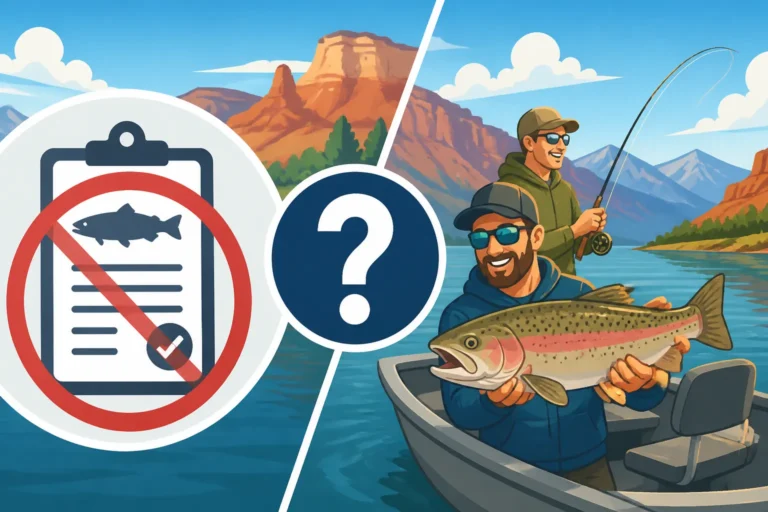
It’s a scenario many of us have faced, standing by a beautiful stream or lake in Utah, reading a sign that clearly states "Fly Fishing Only." Immediately, your mind starts racing: Does that really mean no worms? What about PowerBait? Can I just use a lure that looks like a fly? The confusion is real, and the fear of accidentally breaking a regulation is a legitimate concern for any angler who wants to do things by the book. This guide is here to untangle the complexities of Utah's "fly-fishing-only" waters, clarify exactly what is and isn't allowed, and help you understand why these rules are in place so you can fish with confidence and respect for our precious fisheries.
Understanding "Fly-Fishing-Only" Designations in Utah
When you see a "fly-fishing-only" sign, it's not just a suggestion; it's a specific regulation set forth by the Utah Division of Wildlife Resources (DWR) for certain bodies of water or sections of rivers. These aren't common rules for every fishing spot in the state, but rather special designations applied to particular areas where conservation goals or specific fishing experiences are prioritized. The intent is to manage fish populations more carefully and often to promote the unique sport of fly fishing.
You’ll typically encounter these designations on some of Utah’s most pristine and productive trout waters, often within what are designated as Blue Ribbon Fisheries. Prime examples include specific sections of the Provo River, particularly the Middle Provo, and portions of the Green River below Flaming Gorge Dam. These are often waters managed for wild or trophy trout populations, where reducing angling stress and deep-hooking mortality is paramount. Before heading out, it’s crucial to consult the most current Utah Fishing Regulations Explained booklet or the DWR’s website, as these rules can change and are always site-specific.
The phrase "fly-fishing-only" can sometimes lead to misunderstandings, especially for anglers who are newer to the sport or more accustomed to general regulations where artificial lures are broadly permitted. It's easy to assume it simply means "no live bait," leaving a grey area for other types of artificial tackle. However, the DWR's definition is much more precise, aiming to eliminate ambiguity for enforcement and conservation purposes. This isn't about discouraging bait anglers; it's about preserving a particular kind of fishery and the specific methods associated with it.
Where You'll Encounter These Specific Rules
These special regulations are strategically applied to certain waters that hold significant ecological or recreational value. Think of stretches of rivers known for their robust wild brown trout or cutthroat populations, where the fish are often more susceptible to injury from traditional bait hooks. For instance, the Middle Provo River, winding through parts of Wasatch and Utah counties, has sections that are strictly fly-fishing-only. Similarly, the world-renowned Green River below Flaming Gorge Dam, a bucket-list destination for many fly anglers, also features extensive "flies-only" stretches designed to protect its abundant trout.
These aren't the only places, of course. You might find similar rules on various smaller streams, high-elevation mountain lakes, or even designated sections of larger reservoirs if a specific management objective is in place. The key is to always check the specific rules for the water you plan to fish. You can find this information readily available in the annual Utah Fishing Guidebook, which you can pick up at any DWR office, many sporting goods stores, or download as a PDF from the DWR website. Being informed beforehand saves you a lot of hassle and potential heartache on the water.
The Nuance of "Artificial" Versus "Fly"
One of the biggest points of confusion revolves around the word "artificial." Many anglers understand that live bait is out on these waters, but then wonder if an artificial lure, like a small spinner or a plastic worm, would be acceptable. The answer, definitively, is no. "Fly-fishing-only" means only flies, as defined by the DWR, not just any artificial lure. This distinction is critical and is where many anglers unfamiliar with fly fishing regulations can make an honest mistake.
The term "artificial fly" itself has a very specific meaning. It refers to a lure constructed of feathers, fur, tinsel, or similar materials, tied on a single hook, and designed to imitate aquatic insects or small forage fish, typically with a fly rod and fly line. It explicitly excludes anything that isn't a fly. So, while a small Rapala lure might be artificial, it is not an artificial fly, and therefore, it is not permitted on a fly-fishing-only section of water. Understanding this precise terminology is the first step in ensuring you're fishing legally and ethically in these special zones.
The Strict Definition: What's Allowed and What Isn't
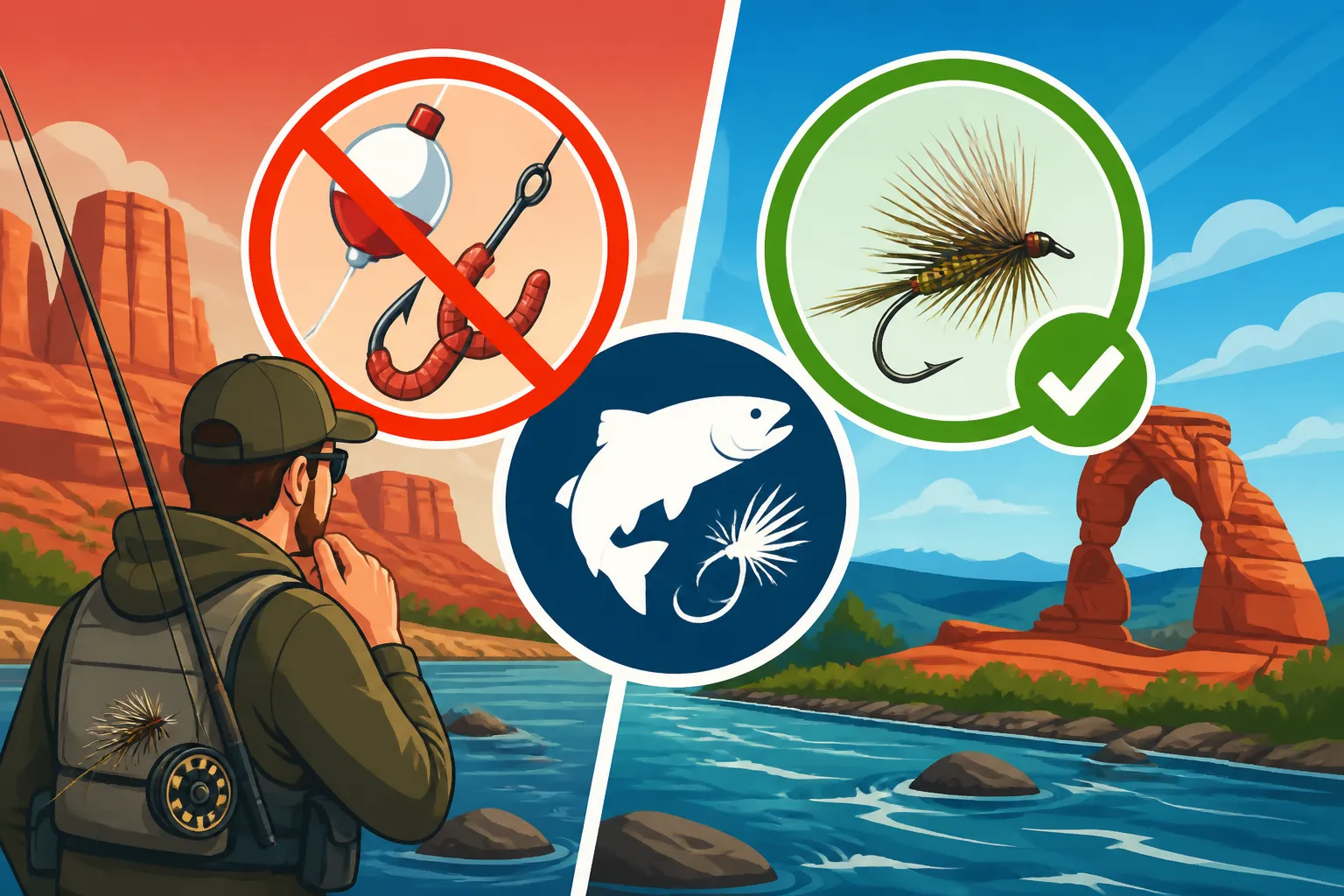
Let's cut right to the chase: no, you cannot use bait on a fly-fishing-only water in Utah. The regulations are very clear on this point. "Fly-fishing-only" means that anglers are restricted to using a fly rod, fly reel, fly line, and an artificial fly. This definition leaves no room for live bait, scented baits (like PowerBait or Gulp!), or even traditional artificial lures such as spinners, spoons, crankbaits, or soft plastics. The designation is absolute in its prohibition of anything other than a properly rigged fly fishing setup.
This strict definition is in place for several reasons, primarily focused on fish conservation and the unique angling experience. Fly fishing, by its very nature, tends to minimize harm to fish, especially when practiced with barbless hooks, which are often encouraged or even required on certain fly-fishing-only waters. Bait fishing, while highly effective, often leads to fish swallowing the hook, resulting in higher mortality rates, even if the fish is immediately released. The DWR seeks to protect the fragile populations in these specific areas by requiring methods that enhance their survival.
What Qualifies as an "Artificial Fly"
For an item to be considered an "artificial fly" under Utah regulations, it must meet specific criteria. It's typically a lure fashioned from feathers, fur, thread, tinsel, or other synthetic materials, tied onto a single hook. The key is that these materials are used to imitate the natural food sources of fish – insects in various life stages (nymphs, dries, emergers), small crustaceans, or tiny baitfish. The fly is propelled through the air by the weight of the fly line, not the weight of the lure itself, which is a defining characteristic of fly fishing tackle.
What does not qualify as an artificial fly? Anything that has added attractants, like pastes, oils, or any form of natural bait. This includes items like PowerBait, salmon eggs, corn, worms, crickets, or live minnows. Furthermore, any artificial lure that isn't primarily made of the materials specified for flies, or that gains its action from spinning or wobbling (like a spinner or spoon), is also explicitly excluded. It's about the construction and the intent of the lure's design and how it's presented to the fish, which must be consistent with fly fishing methodology. If you're unsure what flies to use, a quick search on Amazon for "Utah trout flies" can give you a good starting point for common patterns.
No Added Attractants, Even on Your Fly
This is a subtle but incredibly important point that often catches anglers off guard: even if you are using an artificial fly, you cannot add any external attractants to it on a fly-fishing-only water. This means no "fly dressing" that contains scent, no dabbing a bit of PowerBait on your nymph, and no spraying your streamer with a fish attractant. The fly must be fished as it was tied, without any enhancements that mimic natural bait or strong scents designed to draw fish in.
The reasoning here ties back to the conservation goals. Adding scent or bait to a fly increases the likelihood that a fish will hold onto the fly longer or swallow it more deeply, thus increasing the chance of injury or mortality upon release. The spirit of fly fishing on these waters is about presenting a natural imitation and eliciting a strike based on the fish's natural feeding instincts, not by overpowering their senses with strong, unnatural attractants. Always double-check the Utah Fly Fishing Guide for specific rules regarding attractants on these sensitive waters.
The Crucial "Fly Line Only" Provision
Beyond the lure itself, the entire setup must be consistent with fly fishing. This means using a dedicated fly rod, a fly reel, and crucially, a fly line. The fly line is what provides the weight for casting the virtually weightless artificial fly. You cannot, for example, attach an artificial fly to monofilament or braided line used with a spinning rod, even if the "fly" itself is technically made of feathers and fur. This would be a clear violation of the "fly-fishing-only" rule, as it bypasses the fundamental equipment and technique associated with the sport.
Anglers often ask if they can use a "bubble and fly" rig, where a casting bubble filled with water adds weight to allow a fly to be cast with a spinning rod. Again, the answer is a resounding no on fly-fishing-only waters. The regulation explicitly states the use of a fly rod, fly reel, and fly line. Any deviation from this fundamental setup, regardless of the lure used, renders the method illegal in these designated areas. If you're looking to start fly fishing, a good beginner fly rod combo can be found on Amazon, often including everything you need to get started correctly.
Here’s a quick breakdown to help clarify:
| Allowed on Fly-Fishing-Only Waters | Not Allowed on Fly-Fishing-Only Waters |
|---|---|
| Fly rod, fly reel, fly line | Spinning rod, baitcasting rod, etc. |
| Artificial flies (e.g., nymphs, dry flies, streamers) | Live bait (worms, minnows, crickets) |
| Flies tied with natural/synthetic materials | Scented baits (PowerBait, corn, salmon eggs) |
| Single, barbless hooks (often required) | Artificial lures (spinners, spoons, crankbaits, jigs) |
| No added attractants or scents | Flies with added attractants/scents |
| Catch-and-release (often encouraged/required) | "Bubble and fly" rigs or similar casting aids |
Why These Rules Exist: Protecting Utah's Fisheries
It might seem overly restrictive at first glance, but the "fly-fishing-only" regulations are rooted in sound fishery management and conservation principles. These rules aren't designed to make fishing more difficult or exclusive; rather, they serve to protect vulnerable fish populations, enhance the quality of specific fisheries, and preserve the unique angling experience that fly fishing offers. It's about responsible stewardship of a finite and precious resource.
One of the primary drivers behind these regulations is to manage fishing pressure and mortality rates. Many of Utah's most pristine waters, particularly the Blue Ribbon streams and rivers, host wild trout populations that are either naturally reproducing or are heavily managed to grow to trophy sizes. These fish can be sensitive to overharvesting or repeated injury. By restricting gear to fly fishing, the DWR aims to create an environment where these populations can thrive sustainably for future generations of anglers. It’s a long-term vision for robust fisheries.
Minimizing Injury to Fish
The most significant reason for restricting these waters to fly fishing is to minimize injury and mortality to the fish, especially in catch-and-release scenarios. When a fish takes bait, it often swallows the hook deeply, into its gills or esophagus. Removing these deep-set hooks can cause severe internal damage, leading to delayed mortality even if the fish swims away initially. This is a heartbreaking reality for many bait anglers who strive to release fish safely.
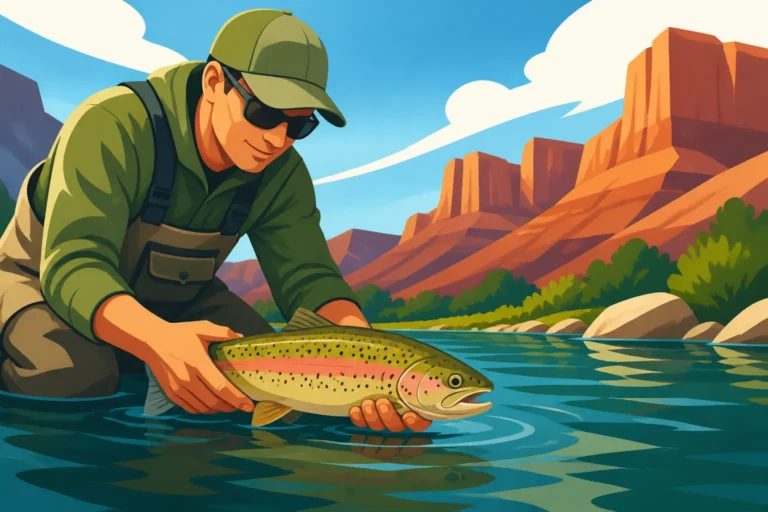
Fly fishing, by contrast, typically results in "lip-hooked" fish. Because an artificial fly is often an immediate imitation of an insect, fish tend to mouth or strike at it quickly, rarely swallowing it completely. This shallow hook-set makes removal much easier and quicker, significantly increasing the fish's chances of survival post-release. Many fly-fishing-only waters also mandate the use of barbless hooks, further reducing trauma and speeding up the unhooking process, which is critical for the success of any Utah Catch-and-Release Waters program.
Preserving a Unique Angling Experience
Beyond conservation, these regulations also aim to preserve a distinct type of angling experience. For many, fly fishing is more than just catching fish; it's an art form, a challenge, and a deeper connection to nature. It involves reading the water, understanding insect hatches, and mastering a delicate casting technique. By setting aside specific waters for fly fishing, the DWR caters to this segment of the angling community, ensuring there are places where this traditional and often more contemplative method can be practiced without the added pressure or differing techniques of bait fishing.
Imagine the frustration of a dedicated fly angler who has spent hours perfecting their cast and reading the currents, only to find fish in a protected stream being easily caught on bait, often resulting in higher mortality. These "flies-only" zones help create a more consistent and predictable environment for fly anglers, fostering a sense of community and shared respect for the traditions of the sport. It's about managing both the fish and the recreational experiences for different user groups.
Managing Specific Fish Populations
Lastly, these rules are often implemented as part of a broader strategy to manage specific fish populations, particularly trout. For example, in waters where native Bonneville Cutthroat Trout are being reintroduced or protected, every measure is taken to ensure their survival and reproduction. Limiting gear to flies and promoting catch-and-release practices on these waters directly supports these species recovery efforts. It's a way to give sensitive species the best possible chance to thrive without undue angling pressure.
The DWR's efforts in species management are critical for maintaining the health and diversity of Utah's aquatic ecosystems. By creating these highly regulated areas, they can closely monitor fish populations, assess the effectiveness of their stocking and conservation programs, and make adjustments as needed. This targeted approach ensures that our most valuable and vulnerable fisheries remain healthy and productive for generations to come. This careful management is why anglers can often find trophy trout in places like the Green River below Flaming Gorge.
Consequences of Violating Fly-Fishing-Only Rules
It's tempting for some to think that bending the rules slightly won't hurt, especially if they believe they're being careful. However, fishing with bait or any non-fly gear on a fly-fishing-only water in Utah is a violation of state law, and it carries significant consequences. Utah DWR conservation officers patrol these areas diligently, and they take these regulations very seriously. It's not just about avoiding a fine; it's about upholding the integrity of our fisheries and respecting the efforts put into their management.
The DWR invests considerable resources into designating and managing these special waters. When anglers disregard these rules, it undermines those efforts and can have detrimental impacts on the fish populations the rules are designed to protect. It also creates an unfair playing field for those who are adhering to the regulations, and can lead to conflicts on the water. No one wants their fishing trip to end with a lecture or a hefty ticket, but more importantly, no one wants to be responsible for harming the very resource they enjoy.
Fines and Penalties for Non-Compliance
The immediate consequence of being caught using bait on a fly-fishing-only water is typically a citation. In Utah, fishing violations are usually classified as misdemeanors, and the fines can be substantial. For a first offense, you could be looking at fines upwards of several hundred dollars, plus court fees. These aren't minor infractions; they are serious legal matters that go on your record. The DWR has a clear scale for Utah Fishing License Penalties for Violations, and these rules are enforced consistently.
Beyond monetary penalties, repeated or severe violations can lead to the suspension or revocation of your fishing license, not just in Utah but potentially in other states as well through interstate compacts. Imagine being barred from fishing for a year or more because of a single decision to ignore a clear regulation. It's a tough lesson to learn, and one that is entirely avoidable by simply understanding and respecting the rules of the water you choose to fish. It's far better to invest in the correct gear for fly fishing, which you can find readily available on Amazon, than to risk these penalties.
Damage to Fisheries and Enforcement Efforts
While a single angler using bait might seem insignificant, cumulative violations can have a real impact on fish populations. As discussed, bait fishing leads to higher mortality rates for released fish, and if enough anglers are breaking the rules, the conservation goals for that specific water are undermined. This can lead to a decline in fish numbers, especially of larger, wild trout, which are slower to reproduce and replace. The whole purpose of the "fly-fishing-only" designation begins to unravel.
Furthermore, enforcement of these regulations requires time and resources from DWR conservation officers. When officers are constantly dealing with bait violations on fly-only waters, it diverts their attention from other critical duties, such as monitoring overall fish health, preventing poaching, or responding to other wildlife emergencies. Compliance with regulations is a shared responsibility that allows our wildlife agencies to be more effective stewards of our natural resources.
Knowing the Regulations is Your Responsibility
Ultimately, as an angler in Utah, it is your personal responsibility to know and abide by the fishing regulations for the specific waters you are fishing. Ignorance of the law is not a valid defense. Before you even cast your line, take a few minutes to check the current Utah Fishing Guidebook. Pay close attention to the special regulations section for each body of water. If you’re unsure, err on the side of caution or ask a DWR official or an experienced local angler.
There are many resources available to help you stay informed, including the DWR website and their mobile app. Don't let a moment of confusion or a desire to "just try" a different method lead to a regrettable situation. Utah offers an incredible diversity of fishing experiences, with plenty of waters where bait and other artificial lures are perfectly acceptable. If you want to use bait, simply choose one of those waters instead of a fly-fishing-only section. It's the best way to ensure you have an enjoyable, legal, and responsible day on the water.
Disclaimer
Please remember that fishing regulations can change. While this guide provides a comprehensive overview of using bait on fly-fishing-only waters in Utah, it is essential to consult the most current official Utah Fishing Guidebook or the Utah Division of Wildlife Resources website for the exact regulations before you head out. This information is for general guidance only and should not be considered legal advice.