Why Striped Bass Were Introduced to Lake Powell
For many anglers, the thought of catching a striped bass conjures images of coastal waters or massive southern reservoirs. So, when you hear about them thriving in a remote, arid landscape like Utah's Lake Powell, it can certainly raise an eyebrow. You might wonder how such a fish ended up here, far from its saltwater origins. This comprehensive guide will explain the fascinating story behind the introduction of striped bass to Lake Powell, shedding light on the ecological and angling reasons for their presence.
The Vision for Lake Powell's Fishery
Lake Powell is truly a unique gem in Utah, a vast expanse of water carved through red rock canyons. When it first filled, wildlife managers saw an unprecedented opportunity to create a diverse and thriving fishery, unlike any other in the region.
Creating a World-Class Warmwater Fishery
Before Lake Powell, Utah's fishing scene was largely dominated by cold-water species like trout, which are abundant in our mountain lakes and rivers. While beloved, the sheer scale and warmer temperatures of Lake Powell presented a chance to diversify. The vision was to establish a truly world-class warmwater fishery, offering anglers a different kind of challenge and experience. This wasn't about replacing trout but expanding the possibilities.
Imagine a reservoir stretching for hundreds of miles, with endless coves, submerged canyons, and vast open water. This environment was perfect for species that could utilize these diverse habitats and thrive in warmer conditions. The goal was to build a robust ecosystem that could support multiple game fish, providing year-round angling opportunities that contrasted sharply with the often seasonal nature of trout fishing in higher elevations. The sheer size of Lake Powell meant it could handle a large, productive fishery, potentially attracting anglers from all over.
Filling an Ecological Niche
New reservoirs, especially large ones like Lake Powell, often experience what biologists call a "trophic cascade." As the reservoir fills, submerged vegetation and organic matter create an incredibly fertile environment. Soon, an explosion of small forage fish, particularly threadfin shad, often occurs. These prolific baitfish reproduce rapidly, creating an enormous food source. However, without a significant predator to keep their numbers in check, these forage fish can quickly overpopulate, leading to stunted growth, resource depletion, and an unhealthy ecosystem balance.
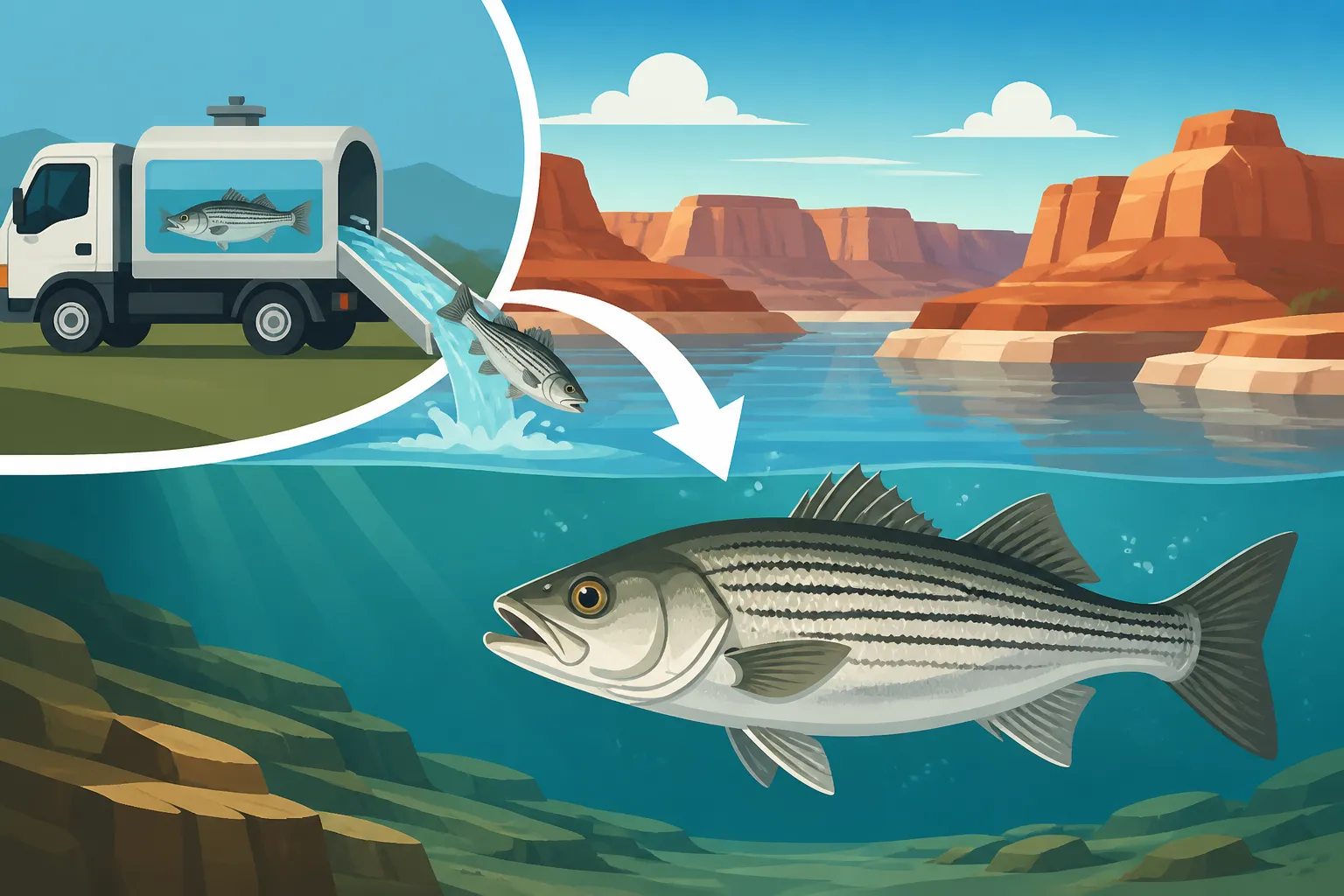
This is where the idea of introducing a suitable predator came into play. Wildlife managers recognized that Lake Powell had an open niche – a vast food supply that wasn't being fully utilized by existing species. They needed a fish that was not only a strong sport fish but also an efficient predator capable of consuming large quantities of these abundant baitfish. The aim was to create a balanced food web where the predators would thrive on the forage, keeping the entire system healthy and productive, and ultimately providing excellent fishing for anglers.
Why Striped Bass Were the Chosen Species
Of all the potential candidates, striped bass emerged as the frontrunner for Lake Powell. Their unique characteristics and proven success in other environments made them an ideal fit for the reservoir's specific conditions and management goals.
Characteristics of Striped Bass
Striped bass, often called "stripers," are incredible fish with a host of attributes that made them perfect for Lake Powell. First and foremost, they are incredibly adaptable. While naturally an anadromous species, meaning they migrate between saltwater and freshwater to spawn, they have proven their ability to thrive and reproduce entirely in freshwater reservoirs. They tolerate a wide range of water temperatures, which is crucial in a lake like Powell where surface temperatures can get quite warm in the summer.
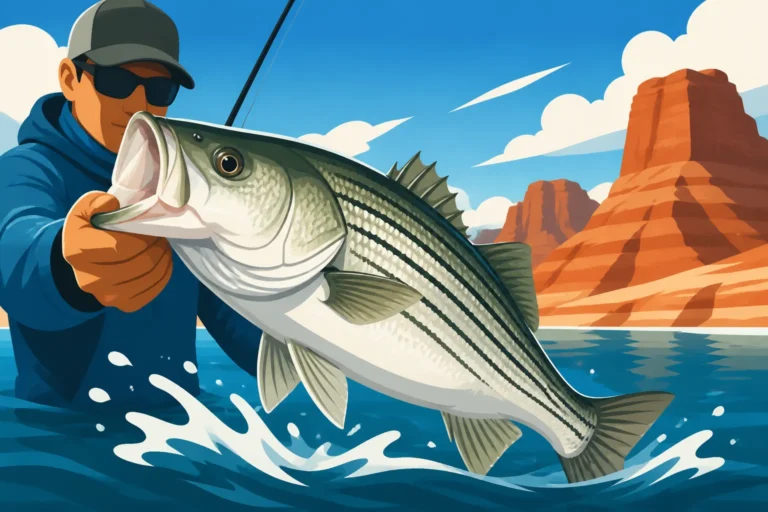
Beyond their adaptability, stripers are renowned for their fast growth rates and potential to reach impressive sizes. They are powerful, hard-fighting fish, offering an exhilarating experience for anglers. Their schooling behavior is another key characteristic. They often hunt in large packs, driving baitfish to the surface in what are known as "boils." These boils create incredible opportunities for anglers to target them, sometimes catching multiple fish in a short period. This pelagic nature, meaning they prefer open water, allowed them to utilize the vast main channels and open bays of Lake Powell, effectively consuming the abundant shad that also school in open water. Finding the right gear to tackle these powerful fish is essential; you'll want a stout rod and reel combo that can handle long, hard fights. Many anglers find great deals on robust tackle suitable for stripers through online retailers like Amazon.
Success Stories from Other Reservoirs
The decision to introduce striped bass to Lake Powell wasn't made in a vacuum. Fisheries biologists had observed tremendous success with striped bass introductions in other large, man-made reservoirs across the country. Many states had experimented with stocking landlocked striped bass, often with remarkable results, transforming these impoundments into premier fishing destinations.
These success stories provided a valuable blueprint and instilled confidence that a similar outcome could be achieved in Lake Powell. Learning from these experiences, managers could anticipate potential challenges and implement strategies to ensure the long-term viability of the striped bass population. The ability of striped bass to reproduce naturally in some of these freshwater environments was a particularly encouraging factor, reducing the long-term reliance on hatchery stocking. This track record of success minimized the risks and maximized the potential for creating a truly exceptional fishery in Utah. If you're planning a trip, be sure to check out the Lake Powell Fishing Guide for a full overview.
The Impact and Management of Striped Bass
The introduction of striped bass to Lake Powell fundamentally reshaped the fishery, bringing both tremendous opportunities and unique management challenges that continue to this day.
Initial Boom and Ongoing Challenges
Following their introduction, the striped bass population in Lake Powell absolutely boomed. The abundant threadfin shad provided an endless buffet, leading to rapid growth and a prolific fishery. For a time, anglers experienced some of the most phenomenal fishing imaginable, with frequent "boils" and opportunities to catch large numbers of powerful fish. It was, without a doubt, a golden era for many Lake Powell enthusiasts.
However, as with any introduced species, challenges soon emerged. The very success of the stripers led to an overpopulation issue. With so many mouths to feed, the once-plentiful shad populations began to decline drastically. This, coupled with the natural fluctuations in water levels that are common in large Western reservoirs, created periods where the striped bass population became so dense relative to their food source that individual fish became smaller and less healthy. The carrying capacity of the lake, in terms of forage, was being tested. This led to a shift in management strategy from simply establishing the fishery to actively managing and even encouraging the harvest of striped bass to help balance the ecosystem. For current information on targeting these fish, our Utah Striped Bass Guide is a great resource.
Angler's Perspective and Opportunities
Despite the management challenges, striped bass continue to offer incredible angling opportunities at Lake Powell. The thrill of encountering a "boil"—where hundreds of stripers herd shad to the surface, creating a feeding frenzy that can last for hours—is an experience every angler should try to witness. It's a truly spectacular display of nature's power and provides fast-paced, action-packed fishing. Many anglers eagerly follow reports of boils, planning their trips around these events.
Because of their tendency to overpopulate and impact forage fish, anglers are not just enjoying a day on the water; they're actively participating in fisheries management. The Utah Division of Wildlife Resources (DWR) often implements very liberal or even "no limit" regulations on striped bass at Lake Powell, specifically to encourage anglers to harvest as many as they can. This helps reduce pressure on the forage base and promotes healthier growth rates for the remaining stripers. This unique dynamic means that when you're How to Fish for Striped Bass at Lake Powell, you're actually doing a service to the ecosystem by keeping your catch. This management approach is outlined clearly in the Utah Fishing Regulations Explained, so always be sure to consult them before heading out. Finding the right tackle to handle these fighting fish is crucial. Many anglers find great all-around options when they explore a general Utah Fishing Gear Guide.
Looking to the Future: Sustaining the Fishery
The story of striped bass in Lake Powell is a continuous one, involving ongoing efforts to maintain a healthy and productive fishery for generations of anglers.
Collaborative Management Efforts
Sustaining the striped bass fishery at Lake Powell is a complex task that requires constant attention and adaptation. The Utah Division of Wildlife Resources, in collaboration with Arizona Game and Fish (as Lake Powell spans both states), continuously monitors the health of the striped bass and shad populations. This involves scientific studies, creel surveys, and angler feedback to assess population trends, growth rates, and the overall ecological balance.
Management strategies are dynamic, evolving with the conditions of the reservoir. This might involve adjusting stocking levels (though natural reproduction is robust), fine-tuning harvest regulations, or exploring habitat improvements. The goal is always to strike a balance between providing excellent angling opportunities and ensuring the long-term health of the entire ecosystem. Anglers play a vital role in this by accurately reporting their catches and adhering to all regulations, becoming active stewards of this magnificent resource. Utilizing tools like fish finders can also greatly enhance your success in locating these schooling fish, and understanding How to Read a Fish Finder for Utah Reservoirs can make all the difference. When planning your trip, consider what Best Time of Year to Fish in Utah might be for targeting stripers.
The Enduring Legacy of Striped Bass at Lake Powell
Despite the challenges of managing such a prolific and impactful species in a dynamic environment, the introduction of striped bass has undeniably created an enduring legacy at Lake Powell. It has transformed the reservoir into one of the West's most iconic warmwater fisheries, drawing anglers seeking the unique thrill of fighting these powerful fish. The massive scale of Lake Powell, combined with the voracious appetite and schooling nature of striped bass, creates a fishing experience that simply cannot be replicated in many other places.
The story of the striped bass at Lake Powell is a testament to the innovative spirit of fisheries management. It highlights how human intervention, guided by scientific understanding, can shape and create new opportunities within natural systems. While the future will always bring new challenges, the striped bass remains a celebrated part of Lake Powell's identity, a challenging and rewarding pursuit for any angler willing to chase the boils and tackle these magnificent fish. You'll need sturdy gear to keep up, so look for Best Rods for Utah Anglers when gearing up. Make sure you know what lures to pack; some of the best can be found in a Best Lures for a Utah Tackle Box. If you're keen to maximize your chances, understanding How to Rig Cut Bait for Striped Bass at Lake Powell can be a game-changer. Looking for specific spots to try? Check out Best Spots for Striped Bass at Lake Powell.
Striped Bass vs. Native Trout in Reservoir Environments
Here’s a quick look at how striped bass compare to the more commonly encountered trout species in many Utah reservoirs, highlighting why stripers were a fitting choice for Lake Powell.
| Feature | Striped Bass (Lake Powell) | Rainbow Trout (Typical Utah Reservoir) |
|---|---|---|
| Preferred Water Temp | Warm water tolerant (thrive in upper layers) | Cold water preference (seek deeper, cooler water in summer) |
| Primary Forage | Threadfin Shad, small fish | Insects, crustaceans, small fish, stocked pellets |
| Growth Rate | Fast, can reach large sizes quickly | Moderate, varies based on water body and food availability |
| Fighting Style | Strong, powerful runs; often school-oriented | Energetic, acrobatic jumps; often solitary or small groups |
| Habitat Utilization | Open water, schools; pelagic, often chasing baitfish | Diverse; open water, shorelines, inlets, deeper sections, structure |
| Management Goal | Population control (harvest encouraged due to invasive nature) | Sustained fishery through stocking and natural reproduction (varied limits) |
| Reproduction | Can reproduce naturally in Lake Powell | Often stocked, some natural reproduction in tributaries or springs |
Disclaimer
This article is for general informational purposes only and does not constitute professional advice. Laws, prices and regulations vary by location and change over time. Consult a qualified professional for guidance on your specific situation.