Utah Fish Species You Must Release
There's a unique mix of excitement and responsibility that comes with fishing in Utah. You drop a line, feel that exhilarating tug, and reel in a beautiful fish, but then a question often pops up: "Can I keep this one, or does it need to go back?" For many anglers, the rules around catch-and-release can feel complicated and even a little intimidating, leading to anxiety about doing the wrong thing. This guide is here to untangle the confusion, helping you understand exactly which fish species and under what circumstances you must release them in Utah, ensuring you fish legally and contribute positively to our state's aquatic health.
Why Catch-and-Release is Crucial for Utah's Fisheries
Catch-and-release fishing isn't just a guideline; it's a vital conservation practice that protects vulnerable populations, maintains ecological balance, and ensures healthy fisheries for generations to come. In Utah, with its diverse and often fragile aquatic ecosystems, understanding the why behind release rules can transform how you approach every fishing trip. It’s about more than just avoiding a fine; it’s about being a steward of our natural resources.
Protecting Endangered and Native Species
Utah is home to several unique and often endangered native fish species that are incredibly important to our state's biodiversity. These species, such as the June Sucker in Utah Lake or specific populations of Bonneville Cutthroat Trout, face ongoing threats from habitat loss, invasive species, and climate change. Every fish of these protected species that is safely released back into its habitat is a small victory for conservation. When you accidentally hook one, knowing you absolutely must let it go isn't just a rule; it's an act of preservation. Releasing these fish helps maintain their genetic diversity, allows them to reproduce, and supports ongoing recovery efforts. Without these protections, we risk losing irreplaceable parts of Utah's natural heritage.
Ensuring Sustainable Fish Populations
Even for more common game fish, catch-and-release practices play a massive role in maintaining sustainable populations. Imagine if every angler kept every fish they caught from a popular reservoir. It wouldn't take long for that fishery to be depleted, leaving future generations with far fewer opportunities. By implementing size limits, slot limits, or catch-and-release only regulations, wildlife managers can control harvest rates, allowing fish to reach maturity and spawn multiple times. This management strategy helps ensure there are always enough breeding fish to replenish the population, guaranteeing that your favorite fishing spots remain productive year after year. It's a delicate balance, and your responsible actions on the water contribute directly to that balance.
Protected Species: The "Always Release" List
While many anglers in Utah enjoy the option of harvesting their catch, there are specific fish species that are legally protected and must always be released immediately and unharmed. These aren't just suggestions; these are critical regulations designed to safeguard vulnerable populations. Failing to release these fish can result in significant penalties.
June Sucker: Utah Lake's Endangered Native
The June Sucker (Chasmistes muriei) is perhaps one of Utah's most critically endangered and therefore most protected fish. This species is native only to Utah Lake and is a relic of ancient Lake Bonneville. It has faced immense population declines due to habitat degradation, water quality issues, and competition from non-native fish species. Because of its precarious status, the June Sucker is federally listed as an endangered species. If you're fishing Utah Lake Fishing Guide and accidentally hook a June Sucker, you must release it immediately. They can be tricky to identify for the untrained eye, but generally, they are a large, robust sucker with a distinctive blunt snout and a fleshy lower lip. June Sucker Endangered Species in Utah Lake provides more detailed information on their identification and conservation. Anglers who keep a June Sucker, even accidentally, could face very severe fines and legal consequences. Learning to identify them is part of being a responsible angler on Utah Lake.
Bonneville Cutthroat Trout: A Native Treasure
Utah's official state fish, the Bonneville Cutthroat Trout (Oncorhynchus clarkii utah), holds a special place in our hearts and our waters. This beautiful trout is native to the Bonneville Basin, which includes much of Utah, western Wyoming, and parts of Idaho and Nevada. While efforts have been made to restore their populations in many areas, certain specific populations or waters may have catch-and-release rules in place to protect these precious native fish, especially in their stronghold recovery areas.
You’ll often find these rules applied to smaller, isolated streams or high-elevation lakes where genetic purity is being preserved, or where populations are still in recovery. It’s absolutely vital to check the current Utah Fishing Regulations Explained for the specific water you are fishing. Identification is key here; Bonneville Cutthroat Trout Identification can help you distinguish them from other trout species, as they typically have a larger mouth, smaller spots, and often, but not always, the distinctive red or orange "cutthroat" slash under their jaw. If you hook a Bonneville Cutthroat in a designated catch-and-release area, take a moment to admire its beauty, then gently send it back home.
Other Rare or Protected Fish to Know
While the June Sucker and certain Bonneville Cutthroat Trout populations are the most prominent "always release" species, anglers should always be aware that other localized or rare species could be protected in specific waters. The Utah Division of Wildlife Resources (DWR) continually monitors fish populations, and regulations can change based on conservation needs. For instance, some of the smaller, lesser-known native suckers or minnows might be protected in specific ecosystems, although accidental capture of these is less common for most anglers. Always consult the DWR's proclamation before heading out. Sometimes, specific populations of native chubs or dace in a particular stream might be under protection as part of a localized recovery effort. Ignorance of the law is never an excuse, so staying informed is your best defense against inadvertently harming a protected species. For a broader overview of state protections, consider reviewing Fish Species Protected in Utah.
Special Regulations: When Healthy Fish Still Go Back
It's not just about endangered species. Utah's fisheries are managed with a wide array of tools, and sometimes, even healthy, common game fish must be released due to specific regulations on certain bodies of water. These rules are put in place to achieve specific management goals, such as fostering trophy fisheries, protecting spawning populations, or managing overall fish size structure.
Catch-and-Release Only Waters
Throughout Utah, you'll find designated "Catch-and-Release Only" waters. These are often prime fisheries, known for their abundant and large fish, particularly trout. The goal here is simple: allow fish to grow big and provide excellent recreational angling without the pressure of harvest. When you fish these waters, every fish you catch, regardless of species or size, must be returned to the water immediately.
Think of places like specific sections of the Provo River, famous for its incredible fly fishing, or certain small mountain lakes managed for trophy cutthroat. These areas are magnets for anglers seeking a challenge and the thrill of landing a large fish, knowing that fish will live to fight another day. Utah Catch-and-Release-Only Waters List is an excellent resource to identify these locations. Fishing these spots offers a different kind of reward, focusing on the experience of the catch rather than the cooler full of fillets. It's a fantastic way to practice your skills and appreciate the beauty of the fish without any harvest pressure.
Specific Size or Slot Limits
Size limits are common management tools, but slot limits can be a bit more nuanced. A minimum size limit means any fish shorter than a specified length must be released. This allows younger fish to grow and mature. Conversely, a maximum size limit means fish over a certain length must be released, often to protect large, mature breeding stock.
A "slot limit" takes this a step further: it specifies a range of sizes that can be kept, while fish both below and above that slot must be released. For example, a slot limit might say you can keep fish between 15 and 22 inches, but anything smaller than 15 inches or larger than 22 inches must be released. This helps create a balanced fishery by protecting both the juvenile fish and the large, prime breeders, encouraging a healthy population structure. You might encounter slot limits for trout in reservoirs like Strawberry or Flaming Gorge, or for bass in some of the warmer waters. Always carry a measuring tape or have markings on your rod to quickly and accurately measure your catch. Knowing the specific Utah Trout Limits by Water is critical before you cast your first line.
Closed Seasons or Spawning Areas
Fish, like all creatures, have specific times and places for reproduction. During these crucial spawning periods, some areas or even entire bodies of water may be closed to fishing, or specific species may become catch-and-release only. This is done to prevent disturbance to spawning fish, which are often concentrated and vulnerable, ensuring they can successfully reproduce without angler interference. For example, some stream sections might be closed to protect trout during their fall or spring spawning runs, or specific coves in a reservoir could be off-limits during bass spawning. These closures are temporary but absolutely vital for the long-term health of the fishery. Always verify if any seasonal closures or specific area restrictions are in effect for the water you plan to visit, particularly if you're targeting species like kokanee salmon during their run or large trout in their spawning beds. Sometimes, the DWR will specify that certain fish, like cisco at Bear Lake, can only be taken during a very specific window or using particular methods, making them "release only" outside that window.
| Species/Scenario | Why You Must Release It | Where You Might Encounter It |
|---|---|---|
| June Sucker | Federally endangered native, critical for species survival | Exclusively Utah Lake |
| Bonneville Cutthroat | Native species, often protected for genetic purity/recovery | Specific mountain streams, high-elevation lakes, some reservoirs |
| Catch-and-Release Only Waters | Management for trophy fisheries, high angling pressure | Sections of Provo River, specific Blue Ribbon Fisheries |
| Fish Under Minimum Size | To allow growth, maturity, and future spawning | Most reservoirs and rivers for trout, bass, walleye |
| Fish Over Maximum/Slot Limit | To protect large breeding stock or achieve population balance | Strawberry Reservoir (trout), Flaming Gorge (lake trout) |
| During Closed Spawning Seasons | To prevent disturbance to vulnerable reproducing fish | Specific stream sections, reservoir coves during peak spawning |
Handling and Releasing Fish Properly
Releasing a fish doesn't mean just tossing it back into the water. If the goal is for that fish to survive and thrive, proper handling is paramount. A poorly handled release can be just as fatal as keeping the fish. Responsible anglers understand that the care taken during the release process is just as important as knowing which fish to let go.
Minimizing Stress and Injury
The moment a fish is hooked, it's under stress. Your job as an angler is to minimize that stress as much as possible to give the fish the best chance of survival. Here are some key practices:
- Land the fish quickly: Don't play the fish to exhaustion. Reel it in efficiently to reduce lactic acid buildup in its muscles, which can be deadly.
- Keep it in the water: Whenever possible, avoid taking the fish out of the water entirely. Its gills need water to function, and exposure to air, especially on a hot or windy day, is incredibly stressful. If you must lift it for a quick photo, do so gently and for only a few seconds.
- Wet your hands: Dry hands can remove the protective slime layer from a fish, making it vulnerable to disease and infection. Always wet your hands thoroughly before touching a fish.
- Support its body: If you lift a fish, especially a larger one, support its weight horizontally. Never hold a fish vertically by the jaw or tail alone, as this can damage internal organs or break its spine.
- Use appropriate tools: Barbless hooks are highly recommended, as they make hook removal much easier and cause less damage. Forceps or needle-nose pliers are essential for quickly and gently removing hooks. You can find excellent, affordable options for these tools on Amazon.
Following these simple guidelines can dramatically increase a released fish's survival rate. How to Release a Fish Without Hurting It in Utah offers even more detailed tips on this critical skill.
Essential Gear for Responsible Release
Having the right tools in your tackle box makes a world of difference when practicing responsible catch-and-release. These items aren't just for convenience; they are crucial for the fish's well-being.
- Barbless hooks: Seriously, consider switching to barbless hooks, or at least pinching down the barbs on your existing hooks with pliers. They make hook removal incredibly quick and reduce tissue damage. Many Utah Fly-Fishing-Only Water Rules even mandate barbless hooks.
- Forceps or needle-nose pliers: These are indispensable for reaching hooks that are deep in a fish's mouth and for quickly twisting them out. Trying to get a deeply set hook out with your fingers only prolongs the stress for the fish and can injure you. You can easily find high-quality forceps or pliers suitable for fishing on Amazon, often in a multi-tool kit.
- Rubberized landing net: A net with soft, knotless, rubberized mesh is far superior to traditional knotted nylon nets. The rubberized mesh protects the fish's slime coat, fins, and scales, and hooks are less likely to get tangled in it, allowing for a quicker release.
- Hook removers/de-hookers: Specialized tools exist for quickly dislodging hooks with minimal contact. These are especially useful for quickly unhooking fish you intend to release without ever touching them.
Investing in these few pieces of gear demonstrates your commitment to the health of the fishery and makes the release process smoother for both you and the fish. Best Tackle for Utah Trout often includes recommendations for these types of tools.
Reviving and Releasing
Sometimes, especially after a prolonged fight or if the fish has been out of water for a moment, a fish might appear lethargic or stunned when you try to release it. In these cases, it's important to actively help revive it before letting it go.
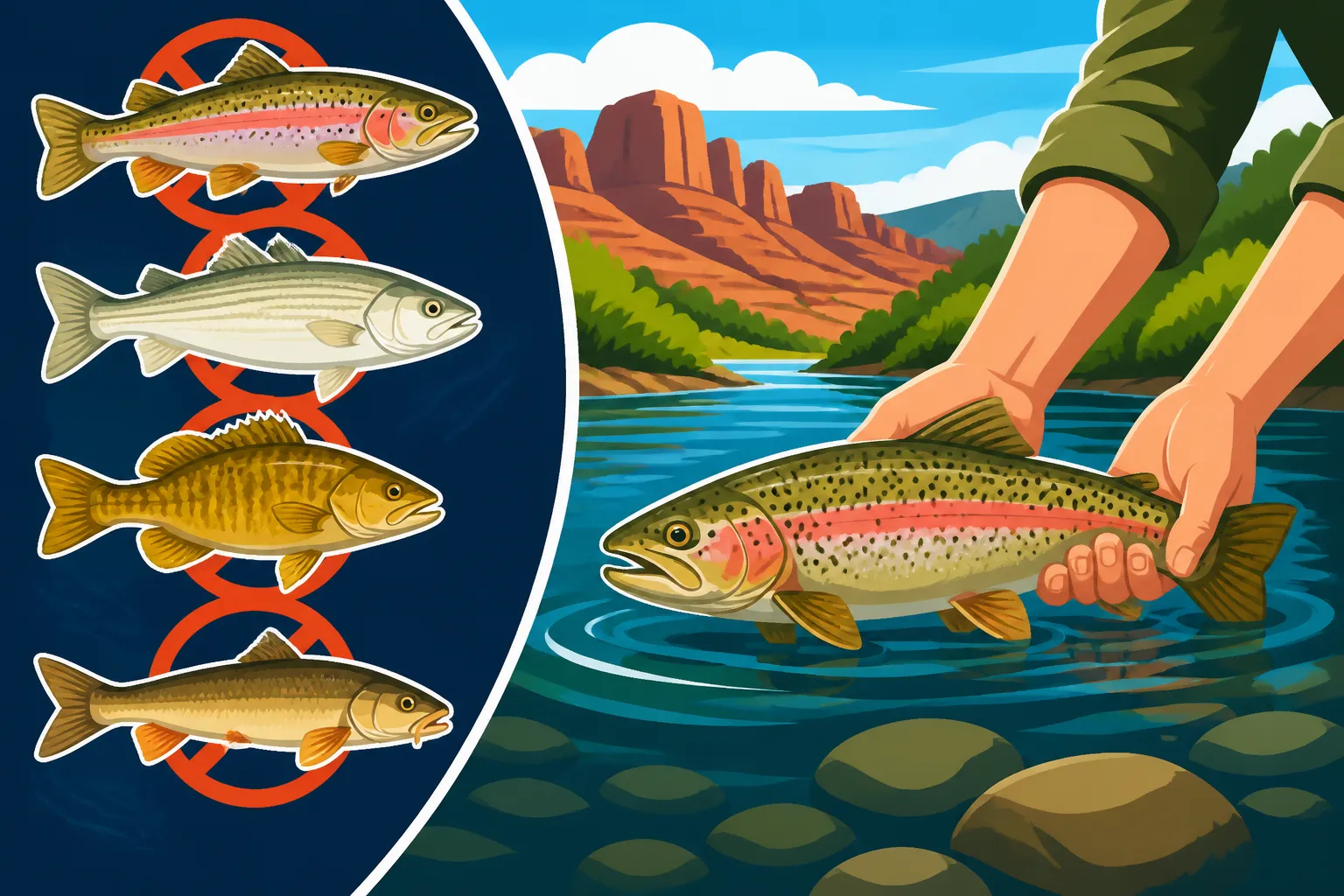
Gently hold the fish upright in the water, facing into a mild current if possible. If there's no current, slowly move the fish back and forth in the water to force water over its gills. This helps to re-oxygenate its blood. Do this for several minutes until the fish shows signs of strength, such as trying to swim away or flexing its tail. You'll feel it regain its vigor. Once it feels strong enough to swim on its own, let it go. Never just toss a lethargic fish back into the current; it will likely be swept downstream and may not recover. Take the extra minute or two to ensure a successful release. This simple act of reviving a fish is often the difference between its survival and becoming an easy meal for predators or succumbing to stress.
Consequences of Not Releasing Protected Fish
Ignoring catch-and-release regulations or keeping a fish you are required to release isn't just a minor infraction; it carries significant legal and ethical implications. The Utah Division of Wildlife Resources (DWR) takes these violations very seriously, as they directly undermine conservation efforts.
Understanding Penalties and Fines
The penalties for unlawfully taking protected fish in Utah can range from substantial fines to revocation of fishing privileges, and in severe cases, even jail time. The specific penalty often depends on the species involved, the number of fish taken, and whether it's a first offense. For endangered species like the June Sucker, penalties can be particularly severe due to federal protections.
Imagine you're out on a great day at Utah Lake, and you accidentally keep a June Sucker, mistaking it for another species. The DWR has wardens actively patrolling, and they are trained to identify these protected fish. If you are caught, you could be looking at fines that run into hundreds or even thousands of dollars, coupled with legal fees, and the suspension of your fishing license for a period. This means no fishing at all, anywhere in Utah. It’s a harsh reality, but it underscores the importance of knowing your regulations. Always refer to Utah Fishing License Penalties for Violations for the most current information regarding fines and other repercussions. The financial hit alone can be a real wake-up call, let alone the embarrassment and legal entanglements.
Impact on Conservation Efforts
Beyond the personal legal consequences, the act of not releasing protected fish has a direct and detrimental impact on broader conservation efforts. Every fish illegally removed from the population is a setback, particularly for species already struggling to survive. For endangered fish, every individual counts. Removing even one can reduce the genetic diversity, limit reproductive success, and hinder recovery programs that have invested years and significant resources into rebuilding populations.
When anglers disregard regulations, it forces wildlife agencies to divert resources from other important projects to address enforcement and increased protection measures, which ultimately impacts all anglers. It also erodes public trust and damages the reputation of the angling community as a whole. Being a responsible angler means understanding that your actions have ripple effects, and choosing to release a protected fish is a direct contribution to the health and future of Utah's unique aquatic environments. It helps ensure that groups working on initiatives like What's Being Done to Protect the June Sucker can make meaningful progress.
Beyond Regulations: Promoting Responsible Angling
Being a responsible angler goes beyond simply following the rules; it involves actively promoting ethical practices and contributing to the health of our fisheries. It's about being an ambassador for the sport and setting a positive example for others.
Educating Fellow Anglers
One of the most impactful things you can do is to share your knowledge and enthusiasm for responsible angling with others. If you see another angler struggling with identification or proper release techniques, offer friendly, constructive advice. Many people simply don't know, or they might be new to the sport. Helping a fellow angler understand the importance of releasing a certain species, or showing them how to properly revive a fish, contributes to a culture of conservation.
Organize a family fishing trip where you specifically teach the kids about the value of different species and the "why" behind release rules. Show them how to identify a Bonneville Cutthroat Trout Identification and explain why it’s special. When we educate each other, we collectively raise the standard of stewardship on Utah's waters. It's not about being preachy, but about sharing the wisdom that preserves our shared passion for fishing.
Supporting Conservation Initiatives
Many organizations and government agencies are tirelessly working to protect and restore Utah's fish populations and aquatic habitats. As an angler, you have an opportunity to support these efforts. This could be as simple as purchasing a Utah Combination Hunting and Fishing License, which often contributes funds directly to wildlife management. Beyond licenses, consider volunteering for habitat restoration projects, such as stream cleanups or riparian planting events.
Donating to conservation groups that focus on native fish recovery or habitat preservation is another powerful way to make a difference. Even spreading awareness about invasive species and participating in programs like the Utah Aquatic Invasive Species Rules for Anglers helps protect our waters. Every little bit of support, whether financial, volunteer-based, or simply advocating for good practices, strengthens the future of fishing in Utah. Our unique Utah Blue Ribbon Fisheries Rules are a testament to successful conservation partnerships, and continued support ensures more such successes.
Disclaimer
This article is for general informational purposes only and does not constitute professional advice. Laws, prices and regulations vary by location and change over time. Consult a qualified professional for guidance on your specific situation.