How Many State Fishing Records Flaming Gorge Holds
For many Utah anglers, the idea of landing a state record fish is the ultimate dream, a story to tell for generations. And when it comes to chasing those legendary catches, one name consistently rises to the top: Flaming Gorge Reservoir. This vast, deep body of water on the Utah-Wyoming border has a well-deserved reputation for producing some truly enormous fish, particularly trophy lake trout and robust smallmouth bass. If you've ever wondered how many of those coveted state records actually call Flaming Gorge home, you've come to the right place. We're going to dive into the impressive legacy of this incredible fishery and uncover just how many state fishing records Flaming Gorge holds.
Flaming Gorge's Grip on Utah's Fishing Records
It's no secret among seasoned Utah anglers that Flaming Gorge is a powerhouse when it comes to trophy fish. This reservoir, renowned for its stunning red rock canyons and crystal-clear waters, has cemented its place in Utah's fishing history by producing multiple state record catches. While specific record numbers can shift over time as new giants are hauled in, Flaming Gorge consistently holds a significant portion of Utah's most prestigious angling records, particularly for species like Lake Trout and Smallmouth Bass. It's truly a testament to the unique environment and robust fish populations thriving within its depths.
When we talk about "how many" records, it's not just a static number. It's about the recurring dominance of this waterbody in producing fish of truly monumental proportions. Anglers from all over the country flock to Flaming Gorge with the hope of adding their name to the record books, and for good reason. The potential for a fish of a lifetime here isn't just a fantasy; it's a very real possibility. Whether you're targeting the behemoth lake trout or the feisty smallmouth, the Gorge offers a legitimate shot at a state record.
The Reign of the Lake Trout (Mackinaw)
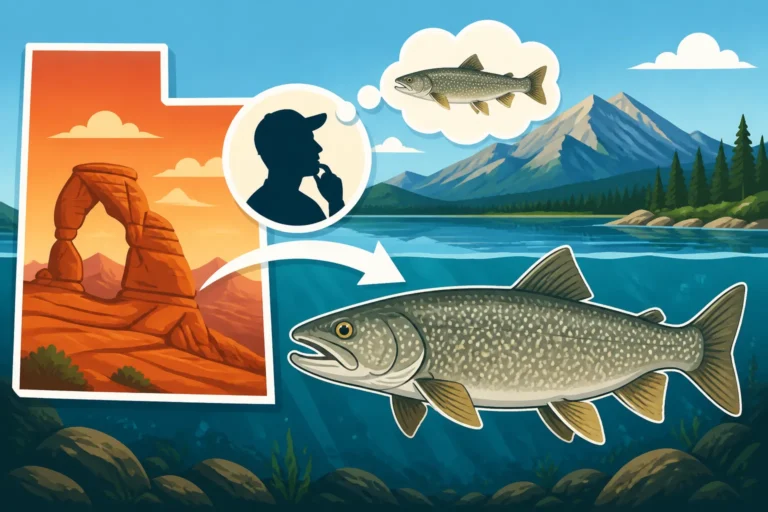
If there's one species that defines Flaming Gorge's record-setting prowess, it's the Lake Trout, often affectionately called Mackinaw by local anglers. These deep-water predators grow to immense sizes in the Gorge, thanks to an abundant food supply and vast, cold habitat. Flaming Gorge is virtually synonymous with Utah's state record Lake Trout. For decades, it has been the undisputed champion, producing multiple fish that have shattered previous records and set new benchmarks for weight and length.
Think about the sheer dedication and skill it takes to land a fish that weighs as much as a small child. These aren't accidental catches; they're the result of meticulous planning, specialized gear often purchased through trusted outdoor retailers or even a quick search on Amazon for specific heavy-duty trolling setups, and a deep understanding of the lake's complex underwater topography. The stories of these record-breaking Mackinaw are legendary, often involving hours-long battles that test the limits of both angler and equipment. If you're serious about targeting these giants, understanding Flaming Gorge Trophy Lake Trout Spots is key.
The conditions at Flaming Gorge are simply ideal for Lake Trout to thrive and grow old. The reservoir's incredible depth, combined with its thriving populations of kokanee salmon and other baitfish, provides an almost perfect ecosystem for these apex predators to reach gargantuan proportions. It’s why so many anglers seeking truly massive fish focus their efforts here.
Other Notable Record-Setters at Flaming Gorge
While Lake Trout certainly grab the headlines, Flaming Gorge's influence on Utah's record books doesn't stop there. The reservoir also boasts impressive populations of other game fish, and some of these have also etched their names into state record history. One significant example is the Smallmouth Bass. These hard-fighting fish, known for their aggressive strikes and acrobatic leaps, thrive in the rocky shorelines and submerged structures of Flaming Gorge. The sheer size and fighting spirit of the smallmouth here often exceed what anglers might expect from other waters.
The abundance of suitable habitat, from steep rocky ledges to submerged timber, creates perfect ambush points for smallmouth bass to grow large. Anglers targeting these species often find success exploring the many coves and points throughout the reservoir. Landing a state-record smallmouth bass from Flaming Gorge requires not just luck, but also a strategic approach, using the right lures and techniques. You might spend hours online researching Best Lures for Utah Smallmouth Bass and stocking up on tackle from sites like Amazon before your trip.
It’s this diversity of trophy-sized species that makes Flaming Gorge such a jewel in Utah's fishing crown. The fact that it consistently produces top-tier fish across different categories underscores its status as a premier fishing destination.
Why Flaming Gorge is a Record-Breaking Fishery
What is it about Flaming Gorge Reservoir that allows fish to grow to such immense, record-setting sizes? It’s not just a stroke of luck; it’s a confluence of environmental factors, thoughtful fisheries management, and a robust food chain that creates an ideal incubator for trophy fish. Understanding these elements can not only deepen your appreciation for the fishery but also inform your own strategies if you're hoping to land a personal best or even a state record.
The reservoir is a massive body of water, covering over 42,000 acres when full, with depths exceeding 500 feet in some areas. This sheer scale alone provides ample room for fish to roam, find sanctuary, and grow without excessive pressure. But it’s more than just size; it’s the quality and structure of that environment that truly matters.
Deep, Cold Waters and Abundant Forage
The sheer depth and consistent cold temperatures of Flaming Gorge are paramount to the growth of its trophy fish, especially Lake Trout. These cold-water species thrive in the deep, oxygen-rich environments found throughout the reservoir. Unlike shallower lakes, Flaming Gorge maintains stable, cold water even during the peak of summer, allowing large fish to remain in their preferred temperature zones year-round. This reduces stress and allows them to expend more energy on growth.
Crucially, Flaming Gorge boasts an incredibly rich forage base. The primary food source for the massive Lake Trout is the Kokanee Salmon. These smaller salmon species are regularly stocked and reproduce naturally in the reservoir, providing an almost unlimited buffet for growing Mackinaw. It's a classic predator-prey relationship that directly translates into faster growth rates and larger maximum sizes for the top predators. You can learn more about What Lake Trout Eat at Flaming Gorge to understand their feeding patterns. Other baitfish and invertebrates also contribute to the diets of various species, ensuring a well-rounded food chain.
This combination of expansive, deep, cold water and a readily available, high-calorie food source creates perfect conditions for fish to grow big and live long lives, reaching sizes that are rare in other waters.
Strategic Stocking and Management Practices
The incredible fishing at Flaming Gorge isn't just a natural phenomenon; it's also the result of dedicated and strategic management efforts by both the Utah Division of Wildlife Resources (DWR) and the Wyoming Game and Fish Department (G&F). These agencies work collaboratively to ensure the health and productivity of this interstate fishery. Their management plans often include careful stocking programs and adaptive regulations designed to foster trophy potential while maintaining ecological balance.
For instance, the stocking of kokanee salmon ensures a continuous food source for the Lake Trout, directly contributing to their impressive size. Furthermore, fishing regulations for species like Lake Trout have been adjusted over the years, often to reduce pressure on smaller fish and encourage the growth of larger specimens. There have even been instances where agencies have removed bag limits on certain invasive species or encouraged harvest of smaller Lake Trout to promote growth in the remaining population. This is a complex dance between conservation and maximizing angling opportunities, as seen in decisions like Why Utah and Wyoming Removed Lake Trout Limits at Flaming Gorge.
These management strategies, combined with ongoing research and monitoring, play a vital role in maintaining Flaming Gorge's reputation as a trophy fishery. They aim to balance the needs of the ecosystem with the desires of anglers who dream of catching a state record. You might even find specialized gear and resources for navigating these regulations and management efforts on platforms like Amazon, offering everything from updated rulebooks to fish identification guides.
Chasing Your Own Record Fish at Flaming Gorge
So, you’re inspired and ready to try your hand at landing a record-setting fish from Flaming Gorge. It’s an ambitious goal, but certainly not an impossible one, especially at a place like the Gorge. However, it requires more than just showing up with a pole and some bait. Chasing a record means understanding the fish, the techniques, and having the right gear. It's about combining patience with persistence, and a little bit of luck never hurts!
Many anglers dedicate entire seasons, or even years, to honing their skills and exploring the vast waters of Flaming Gorge in pursuit of that one legendary catch. It's a journey that teaches you about the lake, about the fish, and a lot about yourself. Don't be discouraged by the sheer size of the reservoir; break it down into manageable sections and focus on specific targets.
Targeting Trophy Lake Trout
When it comes to trophy Lake Trout, the primary method at Flaming Gorge is often deep-water trolling with specialized gear. These fish typically inhabit the deepest, coldest parts of the reservoir, especially during warmer months. This means using heavy-duty rods and reels capable of handling big fish and heavy weights. Downriggers are practically essential for getting your lures down to the incredible depths where these giants lurk, often several hundred feet below the surface. Understanding How Deep Should You Set a Downrigger for Flaming Gorge Lake Trout? is crucial for success.
Large spoons, swimbait, and even live bait (where permitted) are popular choices for enticing these apex predators. Electronic fish finders are also invaluable for locating schools of kokanee salmon (the Lake Trout's preferred meal) and identifying promising underwater structure. Many anglers invest in high-quality units, often comparing models and reading reviews on Amazon to find the Best Fish Finders for Utah Reservoirs for their boat. Early mornings and late evenings can be prime times, but deep-water trolling can be productive throughout the day. It's a patient game, often covering many miles of water before that tell-tale strike hits.
Pursuing Record Smallmouth Bass
If smallmouth bass are your passion, Flaming Gorge offers exceptional opportunities for trophy catches. Unlike the deep-dwelling Lake Trout, smallmouth prefer rocky points, ledges, and submerged timber, typically in shallower to moderate depths. They are incredibly aggressive and can be caught using a variety of techniques. Look for areas with broken rock, transitions between different bottom types, and sudden drop-offs.
Popular techniques for trophy smallmouth include casting crankbaits, jigs, spinnerbaits, and soft plastics. Many anglers find success by slowly working baits along rocky bottoms or around submerged cover. Topwater lures can also be incredibly exciting during low-light conditions or when bass are actively feeding near the surface. You'll want to have a diverse tackle box, perhaps stocked with a range of options found easily on Amazon, to adapt to different conditions and preferences of the fish.
Focus on areas identified as Flaming Gorge Smallmouth Bass Coves, where these fish tend to congregate. Remember, smallmouth are fierce fighters, so ensure your drag is set correctly and your knots are strong. A lighter setup than what you'd use for Mackinaw is often preferred, allowing for more sensitivity and sport.
Verifying Your Potential State Record Catch
Catching a fish that you suspect might be a state record is an exhilarating experience, but the journey doesn't end when the fish is in the net. There's a specific process to follow to ensure your catch can be officially recognized by the Utah Division of Wildlife Resources (DWR). It's crucial to be prepared, as timing and proper documentation are everything. Without adhering to the guidelines, even the largest fish might not qualify for record status.
This process is designed to maintain the integrity of the state record books and ensure fair play. It requires a calm head and careful steps, especially when dealing with a potentially once-in-a-lifetime catch. Having a plan in place before you even hit the water is always a good idea.
The Official Utah DWR Process
To claim a new state fishing record in Utah, there are several key steps you must follow promptly:
- Weighing: The fish must be weighed on a certified scale. This is not your typical home bathroom scale or even a standard fishing scale. It needs to be a certified commercial scale, often found at grocery stores, post offices, or specific DWR offices. The weight must be verified by two witnesses who are not related to you.
- Measuring: Measure the length and girth of the fish accurately. While weight is usually the primary factor for record claims, length can be important for tie-breaking or specific categories.
- Photographs: Take clear, well-lit photographs of the fish. These should include shots from different angles, with a ruler or measuring tape clearly visible to show length, and ideally with the angler and witnesses present.
- Species Identification: Ensure the species is correctly identified. If there's any doubt, don't try to guess. The DWR will require positive identification, and in some cases, may need to examine the fish.
- DWR Contact: Immediately contact the Utah DWR. They will guide you through the official paperwork and verification process. There’s typically an application form that needs to be filled out, detailing the catch, location, and methods used.
- Inspection: Be prepared for a DWR official to inspect the fish. This is often necessary for positive identification and to confirm the weight and measurements.
It’s important to remember that all of these steps need to happen very quickly after the catch to ensure the fish's integrity and prevent weight loss due to dehydration. Having a good quality cooler, perhaps one reviewed highly on Amazon for long-term ice retention, is vital if you intend to keep the fish for verification. If you're unsure about any step, always err on the side of caution and contact the DWR as soon as possible.
Ethical Angling and Release Considerations
While the dream of a state record is powerful, ethical angling practices, especially catch and release, are incredibly important. Many anglers choose to release giant fish, particularly Lake Trout, after quickly weighing and photographing them. This ensures these valuable breeders remain in the population to produce more trophy fish for future generations. If you're considering releasing a potential record, speak with the DWR immediately upon catching the fish to understand their specific guidelines for catch-and-release records, as procedures can vary.
When releasing large fish, minimize their time out of water, handle them gently with wet hands, and support their body weight. Ensure they are revived and swim away strongly. For Smallmouth Bass, the rapid release helps ensure their survival. Even if a fish isn't a state record, it could be a personal best, and ensuring its survival contributes to the overall health of the fishery that makes Flaming Gorge so special. After all, the ability of Flaming Gorge to consistently produce giants depends on responsible angling today.
| Species Known for State Records at Flaming Gorge | Type of Record Often Held | Contributing Factors |
|---|---|---|
| Lake Trout (Mackinaw) | Weight, Length | Deep, cold water; ample kokanee salmon as forage |
| Smallmouth Bass | Weight, Length | Abundant rocky structure; diverse insect and fish diet |
Disclaimer
This article is for general informational purposes only and does not constitute professional advice. Laws, prices and regulations vary by location and change over time. Consult a qualified professional for guidance on your specific situation.