What Happens If You Keep a Fish You’re Required to Release in Utah?
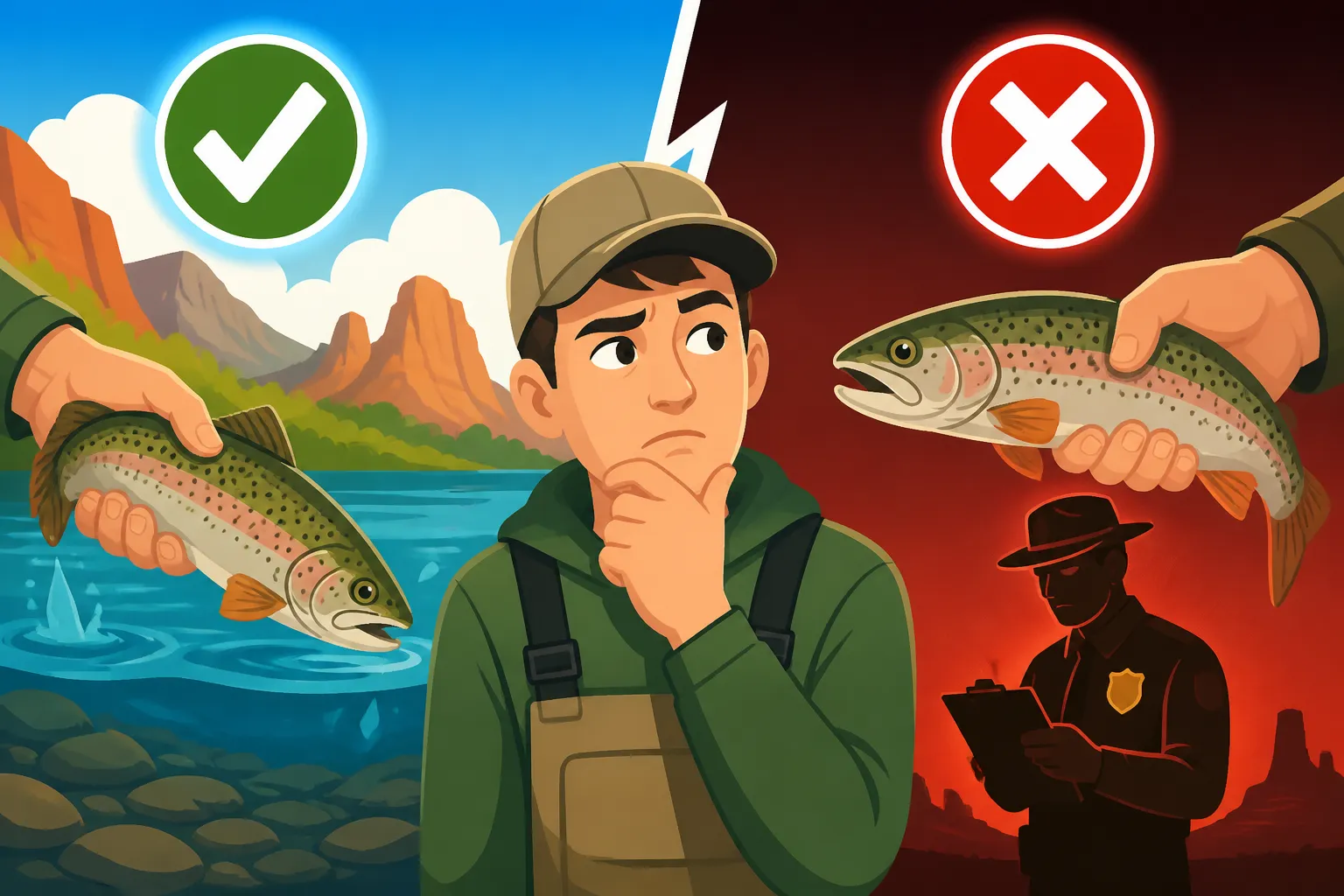
There's nothing quite like the thrill of feeling a strong tug on your line, the bend in your rod, and the anticipation of what's about to surface from Utah's beautiful waters. But sometimes, that excitement can quickly turn to a moment of panic when you realize the fish you've landed might be one you're actually required to release. It’s a common worry for many anglers, whether you’re a seasoned pro or just starting out, and misunderstanding the rules can lead to serious trouble. This guide will walk you through what happens if you keep a fish that should have been returned to the water, and more importantly, how to confidently avoid that situation entirely.
Understanding Utah's Release Requirements
Utah's fishing regulations aren't just a bunch of arbitrary rules; they're carefully crafted by the Utah Division of Wildlife Resources (UDWR) to protect our precious fisheries and ensure healthy populations for future generations. It can feel like a lot to keep track of, with different rules for different species and even different bodies of water, but each regulation has a purpose.
Why Certain Fish Species Must Be Released
The reasons behind catch-and-release rules are varied and often critical for the long-term health of our aquatic ecosystems. Sometimes, a species is struggling to maintain its numbers due to environmental changes, disease, or past overfishing. The most prominent example in Utah is the June Sucker Endangered Species in Utah Lake. This native fish is critically endangered, and strict rules are in place to protect every single one. If you accidentally catch a June sucker, which can sometimes be confused with other sucker species, releasing it immediately and unharmed is not just a recommendation—it's absolutely mandatory for the species' survival.
Other times, specific size limits exist to protect juvenile fish, allowing them to grow large enough to spawn multiple times before being harvested, which helps replenish the population. For instance, many trout regulations include minimum size limits to ensure smaller fish have a chance to mature. Conversely, there are also "slot limits" where you can keep fish below a certain size and above another, but not those in the middle. This is often done to protect the prime breeding stock, ensuring the largest, most productive fish remain in the system. Knowing your Utah Trout Daily Limit Explained for specific waters is crucial.
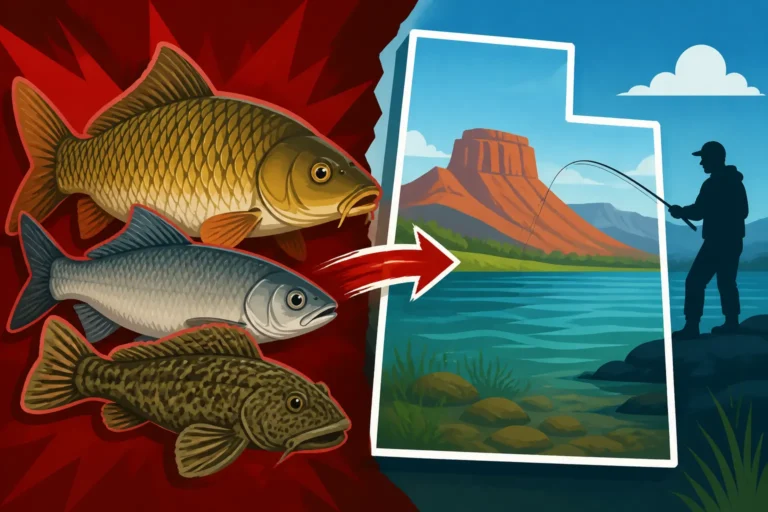
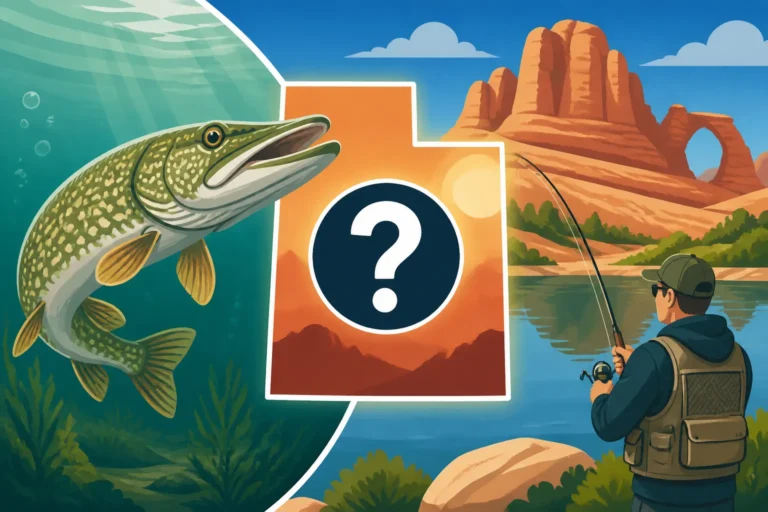
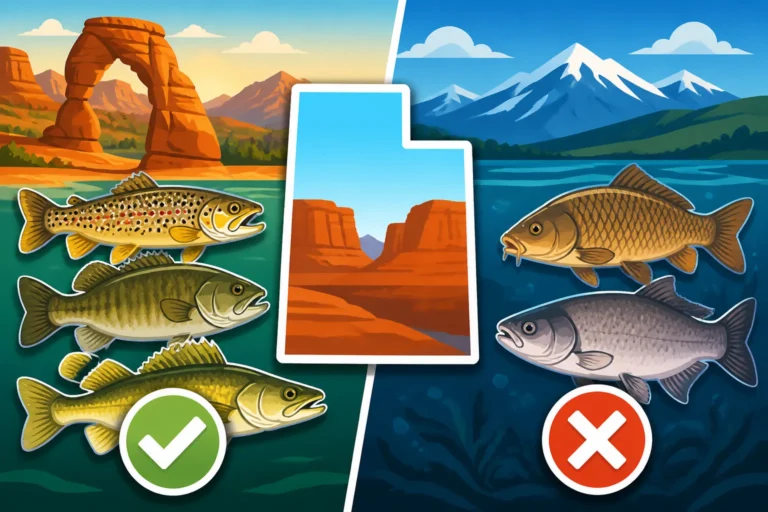
Then, there's the opposite side of the coin: invasive species. In some cases, you are not only allowed to keep certain fish, but you are required to kill them immediately upon capture. This "mandatory harvest" rule is usually applied to non-native species that pose a significant threat to native fish populations or the ecosystem. A prime example is the northern pike in Utah Lake. The rule Why Utah Lake Require You to Kill Every Northern Pike? is in place because these voracious predators can decimate populations of native fish, including the endangered June sucker. So, while this article focuses on fish you must release, it's vital to recognize that the regulations sometimes flip, requiring you to keep (and dispatch) certain unwanted species for ecological reasons. Understanding both sides of this coin is essential for responsible angling in Utah.
Identifying Fish That Need to Be Released
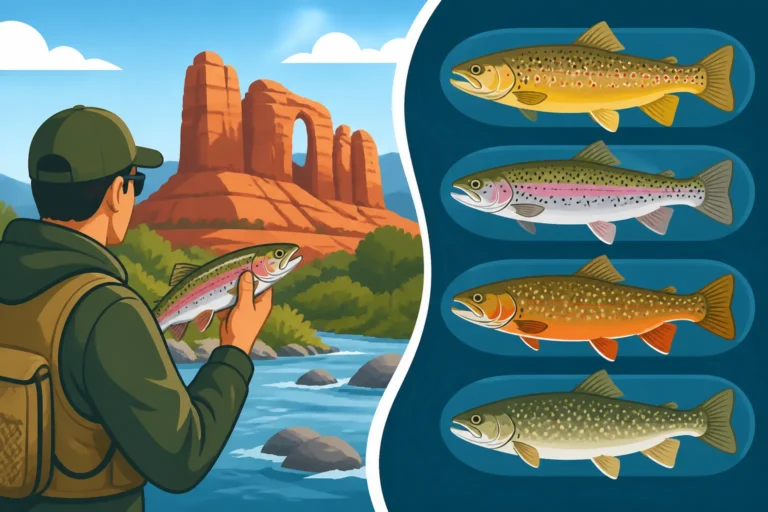
The first step to avoiding problems is knowing what you've caught. This sounds obvious, but distinguishing between similar-looking species can be tricky, especially for newcomers. For example, telling a cutthroat trout from a rainbow trout, or a splake from a lake trout, can sometimes be a challenge, and the regulations for each might be wildly different. You really need to familiarize yourself with Utah Trout Species Guide and other common species in the waters you plan to fish.
Before you even leave home, make it a habit to check the current Utah Fishing Regulations Explained for your specific fishing destination. These regulations often change, so don't rely on what you remember from last year. Pay close attention to:
- Species-specific rules: Does this particular lake have different limits for rainbow trout versus brown trout?
- Size limits: Are there minimum or maximum lengths, or a slot limit? It's not uncommon to find waters that are Utah Catch-and-Release-Only Waters List for certain species.
- Bag limits: How many of each species can you keep per day?
- Water-specific rules: Regulations can vary significantly even for different sections of the same river, like the Provo River.
The UDWR publishes detailed guidebooks, and often, you can find up-to-date information on their website or through their mobile app. Carry a physical copy of the regulations or have them easily accessible on your phone while fishing. A fish ruler or tape measure is absolutely essential gear. If you're unsure about a fish's identity or whether it falls within legal keeping limits, the safest bet is always to release it gently. Don't risk a penalty over a fish you're not confident about.
The Consequences of Non-Compliance
Nobody wants to get into trouble, especially when you're out enjoying a peaceful day of fishing. But the reality is, if you keep a fish that's legally required to be released, or exceed bag or size limits, there are very real and often significant consequences. Wildlife officers take these violations seriously because they directly impact the state's conservation efforts and the health of its fisheries.
Immediate Penalties and Fines
The moment a Utah wildlife officer discovers you've kept a fish illegally, the situation can escalate quickly. For minor infractions, like keeping one fish just slightly over the limit, you might receive a citation. However, the penalties are often tiered, meaning the fines increase based on the severity of the violation, the number of fish involved, and the species. Keeping a protected or endangered species, for example, will result in a much higher fine than keeping an extra rainbow trout.
Fines for fishing violations in Utah can range from relatively small amounts for minor offenses to several hundred or even thousands of dollars for more serious violations. It's not just a flat fee; fines are often assessed per fish illegally possessed. So, if you're found with five fish over the limit, the fine could be five times the base amount for that specific violation. In addition to monetary fines, officers have the authority to confiscate illegally taken fish and, in some cases, your fishing gear, including rods, reels, and even your boat, depending on the nature and severity of the offense. This can be a huge blow, not just to your wallet but to your ability to continue enjoying the sport. Utah Fishing License Fines for Fishing Without One details similar consequences for general license violations, which are often grouped with fish possession offenses.
| Violation Type (Example) | Typical Immediate Consequence (Shape of Cost) |
|---|---|
| Keeping one undersized trout | Monetary fine (moderate, per fish) |
| Keeping multiple over-limit fish | Higher monetary fine (per fish), confiscation of fish |
| Keeping a protected/endangered species | Significant monetary fine (high), confiscation of fish, potential gear confiscation |
| Repeated minor offense | Increased fines, closer scrutiny |
| Fishing without a valid license | Monetary fine, license suspension potential |
Note: Specific dollar amounts and details for fines are subject to change and determined by the courts and UDWR. Always consult current regulations.
Broader Legal Ramifications
Beyond the immediate fines and potential loss of gear, illegal possession of fish can lead to more far-reaching legal issues. For serious or repeat offenders, a wildlife officer might not just issue a citation but could initiate misdemeanor criminal charges. This means you would have to appear in court, potentially face a judge, and if convicted, have a criminal record. While less common for a single, accidental violation, it’s a very real possibility for egregious offenses or those that show a blatant disregard for the law.
Another significant consequence is the suspension or revocation of your fishing privileges. The UDWR has the authority to suspend your fishing license for a period of time, or even revoke it entirely, making it illegal for you to fish in Utah waters. This isn't just about losing your Utah license; in many cases, states have reciprocity agreements, meaning a suspension in Utah could impact your ability to get a fishing license in neighboring states as well. If you're wondering What Happens If You Get Caught Fishing Without a License in Utah?, these license suspension and revocation powers are often part of the answer, and they apply equally to fish possession violations. Imagine having your favorite pastime taken away for a year or more because of a single mistake or a series of poor choices. It's a tough lesson to learn, and one that's best avoided by always following the rules.
Environmental and Ethical Impact
Beyond the legal and financial repercussions, keeping a fish you're required to release carries a significant environmental and ethical weight. Every regulation, whether it's a size limit, a bag limit, or a catch-and-release mandate, is designed with the health of the fishery in mind. When anglers disregard these rules, they actively undermine conservation efforts.
Consider the example of an endangered species like the June sucker. Every individual fish is vital to the recovery of the species. Removing even one illegally can have a disproportionate impact on its already precarious population numbers. Similarly, taking too many "trophy" fish from a specific water can quickly deplete the breeding stock, leading to fewer large fish and a decline in overall population health for years to come. Our ecosystems are delicate, and each species plays a role. Fish Species Protected in Utah are protected for a reason, and respecting those protections is a shared responsibility.
Ethically, responsible angling is about more than just catching fish; it's about being a steward of our natural resources. As anglers, we have a unique connection to the water and its inhabitants. We rely on healthy fish populations for our enjoyment, and it's our duty to ensure those populations thrive. Deliberately breaking the rules or being careless with fish handling not only harms the environment but also tarnishes the reputation of the angling community as a whole. Adhering to release requirements demonstrates respect for the fish, the ecosystem, and the sport itself.
How to Avoid Keeping the Wrong Fish
The best defense against penalties and ethical dilemmas is a good offense: preparation and informed decision-making. Nobody wants to be the angler who made an honest mistake, let alone a deliberate one, and faced the music. With a little forethought and some good habits, you can confidently enjoy your time on Utah's waters.
Preparation is Key
Before your boots even hit the bank or your boat touches the water, dedicate some time to understanding the rules. This might sound like homework, but it’s crucial for a stress-free fishing trip.
First, always check the very latest Utah Fishing Regulations Explained. These documents are updated regularly, and what was permissible last season might have changed. Pay particular attention to the specific body of water you intend to fish, as regulations can vary wildly from one lake or river to another. Look for:
- Species-specific regulations: Understand which fish you can keep and which you must release. If you're targeting trout, know the specific limits for rainbow, brown, cutthroat, and tiger trout on that particular water.
- Size restrictions: Many waters have minimum or maximum size limits, or even "slot limits" where only fish within a certain size range can be kept.
- Bag limits: Know how many of each species you can legally keep per day. Some waters even have special rules, like a reduced limit on Strawberry Reservoir Trout and Kokanee Limit to manage those popular fisheries.
Second, gather the right gear. A crucial piece of equipment that is often overlooked is a reliable measuring device. A simple tape measure or a fold-out fish ruler (many fishing shops sell them, or you can find a good selection on Amazon) is invaluable for quickly verifying a fish's length. Keep it easily accessible in your tackle box or boat. Beyond measuring, invest in tools that facilitate safe release. Long-nosed pliers or a de-hooking tool are excellent for quickly removing hooks, especially if a fish has swallowed the bait deep. A rubberized landing net, rather than knotted nylon, helps protect a fish's slime coat and fins, significantly increasing its chances of survival after release. A good quality net can make all the difference in quickly and safely handling a fish, whether you're keeping it or letting it go. If you're assembling your kit, check out What Gear Does a First-Time Utah Angler Need? for more comprehensive recommendations.
On-the-Water Best Practices
Once you're on the water, vigilance and good habits are your best friends. When you reel in a fish, your first thought should always be identification and legal compliance, not just whether it's dinner.
- Quick Identification: Develop the ability to quickly identify common species in the water you’re fishing. If you're new to an area, carry a small, waterproof fish identification guide (available at sporting goods stores or Amazon) or keep pictures on your phone. If there's any doubt about the species, err on the side of caution and release it.
- Handle with Care: For any fish you plan to release, minimize its time out of water. Use wet hands when handling the fish to protect its protective slime coat, which guards against infection. Support its body horizontally, especially larger fish, to avoid damaging its internal organs or spine. If the hook is easy to remove with pliers or a de-hooking tool, do so quickly while the fish is still in the water or held gently just above it. Avoid squeezing the fish, particularly around the gills or belly.
- Revive If Necessary: If a fish seems sluggish after a long fight or extended time out of water, hold it gently upright in the water, facing into the current (if any), and allow water to flow over its gills until it regains strength and swims away on its own.
- When in Doubt, Release: This is the golden rule. If you're unsure about the species, its size relative to the regulations, or if you've already met your bag limit for the day, simply release the fish. It's far better to let one go than to risk a fine, gear confiscation, or a license suspension. This approach ensures you're always on the right side of the law and contributing to sustainable fishing practices.
Here's a quick reference table to help guide your decisions on the water:
| Situation | Action | Why |
|---|---|---|
| Fish appears undersized (below minimum limit) | Release Immediately. Handle gently with wet hands, remove hook quickly. | Allows the fish to grow to maturity and reproduce, ensuring future generations. |
| Fish appears oversized (above maximum limit) | Release Immediately. Handle gently with wet hands, remove hook quickly. | Protects large, mature breeding stock that contributes significantly to the population's genetic health and spawning success. |
| Fish within a "slot limit" (if applicable) | Keep if desired, but be absolutely sure it's within the slot. If not, release. | Slot limits are designed to protect specific size classes, usually the most productive breeders. You can only keep fish that fall within the specified legal window. |
| Species is protected or endangered | Release Immediately and carefully. Avoid touching the fish if possible; use a de-hooker. | These species are often critical for ecosystem balance and face high risk of extinction. Every individual is vital for recovery efforts. |
| Species is invasive and "mandatory harvest" is in effect | Do NOT release. Dispatch humanely and immediately as per regulations. Dispose of properly. | Invasive species can severely harm native populations and ecosystems. Mandatory harvest helps control their numbers and protect indigenous fish. |
| You've reached your daily bag limit for that species | Release Immediately. Even if the fish is legal size, you cannot keep more than your limit. | Bag limits prevent overfishing and ensure equitable distribution of harvest among anglers, maintaining sustainable populations. |
| Unsure of species identification or exact length | Release Immediately. | The safest legal and ethical choice. Avoids accidental violation due to misidentification or mismeasurement. |
Ultimately, responsible angling in Utah is a combination of knowing the rules, having the right gear, and acting ethically on the water. By taking the time to prepare and adopting best practices, you not only avoid potential penalties but also contribute to the long-term health and enjoyment of Utah's incredible fisheries.
Disclaimer
This article is for general informational purposes only and does not constitute professional advice. Laws, prices and regulations vary by location and change over time. Consult a qualified professional for guidance on your specific situation.