Best Anchor Style for a Kayak on Utah Lake
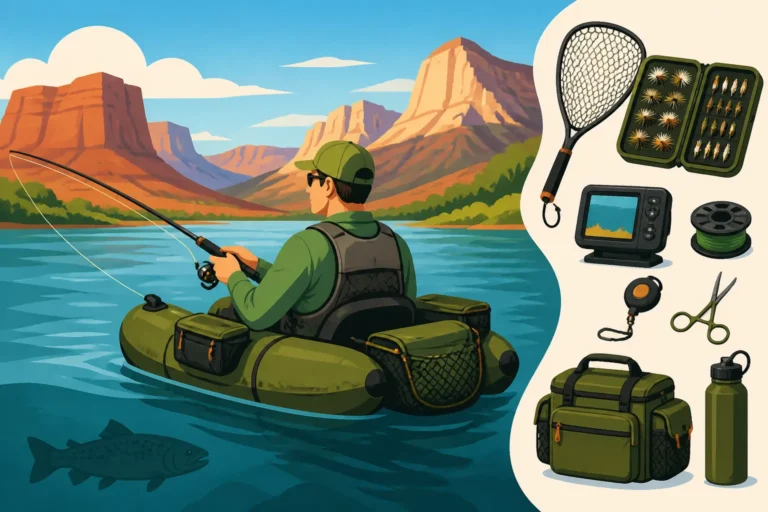
It can be incredibly frustrating to find that perfect fishing spot on Utah Lake, only for a sudden gust of wind or a gentle current to slowly but surely drag your kayak away from the action. You're trying to focus on your line, feel those subtle bites, or just enjoy the peace, but instead, you're constantly fighting to maintain your position. Choosing the right anchor for your kayak on Utah Lake isn't just about convenience; it's about making your fishing trips truly enjoyable and effective. This guide will walk you through the best anchor styles and systems to keep you exactly where you want to be on Utah Lake.
Understanding Utah Lake's Unique Anchoring Challenges for Kayaks
Utah Lake is a fantastic fishery, but it presents some specific challenges for kayak anglers trying to stay anchored. It's not like anchoring in a still pond or a slow-moving river. The sheer size and characteristics of Utah Lake demand a thoughtful approach to anchoring.
The Impact of Wind and Shallow Depths
One of the first things you'll notice about Utah Lake, especially if you spend any significant time out there, is how quickly the wind can pick up and how relentlessly it can blow. Because the lake is so large and relatively shallow, it acts like a giant, open platter for the wind to sweep across. This means even a moderate breeze can kick up a significant chop and create currents that will easily push a lightweight kayak around. You might drop a small anchor, think you're set, and then five minutes later realize you've drifted a good 50 yards from where you wanted to be. This constant battle against drift can really wear on your patience and keep you from concentrating on your fishing.
The shallow nature of Utah Lake, while great for certain fishing techniques, also plays a role in anchoring. You might think shallow water makes anchoring easier, but it can mean less "scope" for your anchor line (the ratio of rope length to water depth), which reduces its holding power. Plus, with the wind pushing against your kayak, a poorly chosen or improperly deployed anchor in shallow water might just drag across the bottom instead of digging in. It's a tricky balance – you need something that will grab, but you don't want something so heavy it becomes a chore to manage in a small watercraft. For general boating on the lake, it's always good to be familiar with Utah Boating and Fishing Rules.
Bottom Composition and Aquatic Vegetation
Another critical factor for kayak anchoring on Utah Lake is the bottom itself. Much of Utah Lake's bottom is composed of soft sediment, ranging from fine silt to thick, gooey mud. While there are some rockier areas, particularly around certain points or causeways, soft bottom is the predominant feature. This kind of bottom presents a unique problem for anchors: some styles will simply sink too deep into the mud and become almost impossible to retrieve, while others won't get enough bite to hold your kayak in place.
Adding to the complexity is the aquatic vegetation. Depending on the time of year and the specific area you're fishing, you can encounter dense beds of weeds, especially in shallower bays and coves. An anchor that's perfect for a rocky bottom might just foul up in these weeds, collecting a big clump of plant matter and effectively turning into a useless weight. You want an anchor that can either cut through the weeds to get to the bottom or one that sits on top without getting tangled beyond recognition. Understanding the nuances of where you're fishing – perhaps Utah Lake Walleye Fishing Spots or Utah Lake Catfish Fishing Spots – can help you anticipate the bottom type.
Popular Anchor Styles for Kayak Fishing on Utah Lake
When it comes to keeping your kayak stationary on Utah Lake, you have several anchor styles to consider, each with its own strengths and weaknesses. It's not a one-size-fits-all situation; the best choice often depends on your specific fishing style and the conditions you expect to encounter.
The Grapnel Anchor: A Versatile Choice
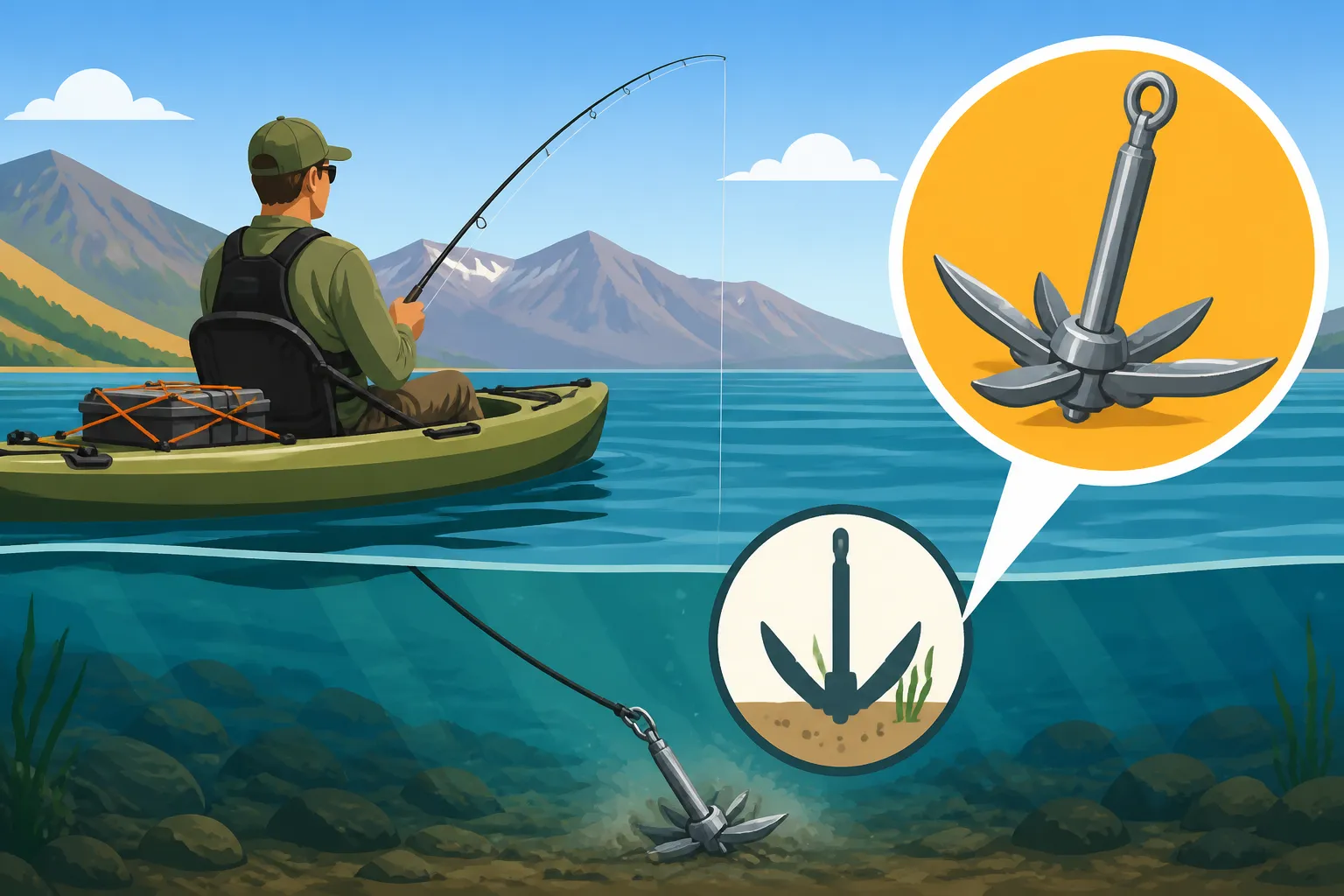
The grapnel anchor is probably one of the most recognizable and widely used anchor types for kayaks and small boats. It features four or more prongs (or "flukes") that typically fold up against the shank, making it incredibly compact and easy to store in a kayak's limited space. Once deployed, these prongs spread out, designed to grab onto rocks, submerged logs, or even penetrate somewhat into a firmer bottom.
For Utah Lake, a grapnel anchor can be a really solid choice, especially if you're exploring areas with a mixed bottom. If you're near a causeway, a riprap bank, or any spots with known submerged structure, those prongs can really dig in and give you a surprisingly good hold for its weight. They’re relatively lightweight, which is a huge plus when you're paddling or portaging your gear. However, the downside is that those very prongs that make it so effective can also make it prone to snagging. If you drop it into a really thick weed bed or a tangle of branches, you might spend a frustrating amount of time trying to free it. And in purely soft, silty mud, a lightweight grapnel might just drag if it doesn't have enough surface area to grab onto anything substantial. You can find excellent options for grapnel anchors and other kayak gear at places like Bass Pro Shops or online through Amazon.
The Bruce Claw Anchor: Strong Hold in Soft Bottoms
The Bruce claw anchor, sometimes simply called a claw anchor, is easily identifiable by its distinctive single, shovel-like claw design. This anchor was originally designed for offshore oil rigs, believe it or not, and its shape is incredibly efficient at digging into soft bottoms like mud, sand, and silt – precisely what you'll find in much of Utah Lake. Once it sets, it provides exceptional holding power for its weight.
This makes the Bruce claw anchor an excellent candidate for the predominant soft, muddy bottom of Utah Lake. It's less likely than a grapnel to get completely tangled in dense weeds, as its single, smooth fluke will often slice through or sit on top rather than collecting a giant ball of vegetation. When you're fishing open water or areas known for soft bottoms, this style will give you a much more reliable hold, allowing you to focus on How to Catch Walleye at Utah Lake in Spring instead of constantly repositioning. The main drawback is that Bruce anchors tend to be a bit bulkier and often heavier than a comparably sized grapnel, which can be a consideration for kayak storage and transport. You'll need to make sure you have enough dedicated space for it.
The Drag Chain/Weight Anchor: Simple and Effective
Sometimes, the simplest solutions are the best, and that's often the case with a basic drag chain or a dedicated weight anchor. This isn't a "digging" anchor in the traditional sense; rather, it relies on sheer weight and surface area to resist drift. It could be a short length of heavy chain, a small mushroom anchor, or even a specialized "river anchor" that's basically a heavy, flat disc.
For kayak fishing on Utah Lake, a drag chain or weight anchor is fantastic for subtle positioning or for slowing down your drift rather than coming to a complete stop. If you're trying to work a weed line slowly, or you want to keep your kayak from spinning wildly in a light breeze, these can be perfect. They are very easy to deploy and retrieve, and because they don't have sharp flukes, they're much less prone to snagging on submerged debris or getting buried irreversibly in soft mud. The main limitation is their pure holding power. In strong winds or currents, a lightweight drag anchor might struggle to keep you completely stationary, requiring a heavier setup. However, for many common Utah Lake conditions, especially when you need flexibility and quick repositioning, their simplicity is a huge asset.
Stake-Out Poles or Anchor Pins: For Very Shallow Water
When you're really hugging the shoreline or exploring those super shallow, marshy bays of Utah Lake, a stake-out pole or anchor pin becomes an indispensable tool. These are essentially long, rigid poles (often fiberglass, aluminum, or composite) that you simply drive straight down into the bottom, pinning your kayak in place. They come in various lengths, typically from 6 to 10 feet.
The beauty of a stake-out pole is its silence and efficiency in shallow water. There's no splash of an anchor, no line to manage, and your kayak is held firmly without any swing. This is ideal when you're sight fishing in clear, shallow areas or trying to quietly approach a school of Utah Lake Smallmouth Bass. The downside, of course, is that they are strictly limited by water depth; generally, they're only effective in 8 feet of water or less, depending on the length of your pole and how much bottom penetration you need. They also won't work on a hard, rocky bottom where you can't push them in. While they are usually lightweight, their length can make them a bit cumbersome to store on some smaller kayaks. If you're planning on fishing the shallow fringes of Utah Lake extensively, however, a stake-out pole is a game-changer.
Key Considerations for Choosing Your Kayak Anchor System
Beyond just the anchor head style, there are several other critical components and factors that go into creating an effective and safe anchoring system for your kayak on Utah Lake. Ignoring these can lead to frustration, lost gear, or even dangerous situations.
Weight and Holding Power
The "right" weight for a kayak anchor is a balance. You need enough weight and design to provide adequate holding power against the forces of wind and water, but not so much that it's a pain to haul in and out of your small craft. For most single fishing kayaks on Utah Lake, an anchor in the range of 1.5 to 5 pounds is a good starting point. Smaller, lighter kayaks in calm conditions might get away with 1.5-2 pounds, especially if it's a well-designed claw anchor. Larger, heavier kayaks, or those facing consistent wind, might benefit from 3-5 pounds.
Remember, the actual holding power isn't just about weight; it's about how well the anchor's design interacts with the bottom. A 3-pound Bruce claw might hold better in soft mud than a 5-pound mushroom anchor. It's also greatly affected by the amount of anchor rope you deploy, known as "scope." More scope (a longer length of rope relative to the water depth) allows the anchor to pull more horizontally, helping it dig in better, especially in gusty conditions or when How Wind Affects Fishing on Utah Reservoirs is a factor.
Anchor Rope, Trolley Systems, and Quick Releases
The anchor head is only one part of the equation. What attaches it to your kayak is just as crucial.
- Anchor Rope: You'll want a strong, durable rope, typically nylon or polypropylene, that resists abrasion and doesn't stretch excessively. The length is paramount: a general rule of thumb is to have at least 3 to 5 times the maximum water depth you expect to fish. So, if you're regularly fishing in 10 feet of water, you'd want 30-50 feet of rope. This gives your anchor enough scope to dig in effectively.
- Anchor Trolley System: This is arguably the most important accessory for kayak anchoring. An anchor trolley is a simple loop of line that runs along one side of your kayak, typically from bow to stern. Your anchor line clips into this loop. This allows you to deploy your anchor from the bow, move the anchor line clip along the trolley to the stern, and effectively anchor your kayak from either end without physically moving the anchor from its initial drop point. This is a game-changer for precise positioning and for preventing your kayak from swinging uncontrollably into the wind or current. You can find excellent anchor trolley kits, often including the necessary pulleys and cleat, at Bass Pro Shops or various online retailers on Amazon.
- Quick Release: Safety is paramount on the water. A quick-release mechanism on your anchor line, often integrated with your anchor trolley, allows you to instantly detach your anchor line from your kayak. This is vital if you get snagged, caught in a strong current, or if a sudden storm rolls in and you need to get moving immediately. You don't want to be fumbling with knots or fumbling for a knife when seconds count. Always practice using your quick release so it's second nature if you ever need it.
Environmental Impact and Responsible Anchoring
As responsible anglers, we want to minimize our impact on Utah Lake's ecosystem. While kayak anchors are generally small, it's still good practice to be mindful of where you drop them. Try to avoid anchoring directly in dense beds of aquatic vegetation if you can help it, as repeatedly digging in and pulling up weeds can damage these important fish habitats. The lake is already home to the endangered June Sucker Endangered Species in Utah Lake, so minimizing disturbance is always a good idea.
When retrieving your anchor, try to do so by paddling directly over it and pulling straight up. This reduces the amount of bottom material disturbed and lessens the chance of snagging. And, of course, ensure your anchor is always securely tied to your kayak and that any knots are reliable to prevent losing your gear and leaving it as debris on the lakebed.
Comparison of Anchor Styles for Utah Lake Kayak Fishing
To help you visualize the differences and make an informed decision, here's a quick comparison of the common anchor styles discussed:
| Anchor Style | Pros | Cons | Best for Utah Lake Conditions |
|---|---|---|---|
| Grapnel Anchor | Compact, lightweight, good for rocky areas | Can snag easily, might drag in soft mud | Mixed bottoms, submerged structure, occasional weed beds |
| Bruce Claw Anchor | Excellent hold in soft mud/silt, less snaggy | Bulkier, heavier for comparable hold | Predominantly muddy/silty bottoms, consistent hold needed |
| Drag Chain/Weight | Simple, less snag-prone, easy to retrieve | Lower holding power, needs more weight | Light drift control, slowing movement, easy repositioning |
| Stake-Out Pole | Silent, precise, no line to manage | Limited to shallow water, bulky storage | Very shallow bays, shorelines, sight fishing areas (8 ft or less) |
Practical Tips for Anchoring Your Kayak on Utah Lake
Having the right anchor and system is one thing; knowing how to use it effectively and safely on Utah Lake is another. Mastering these practical tips will make your time on the water much more productive and enjoyable.
Deploying and Retrieving Your Anchor Safely
Deploying your anchor might seem straightforward, but a few key steps can make all the difference in its effectiveness and your safety. First, always assess the conditions. Look at the wind direction, any visible current, and consider the depth. When you're ready to anchor, gently drop the anchor into the water; don't just heave it overboard and make a big splash. This allows it to settle more naturally and prevents fouling the line. As your kayak drifts, feed out enough anchor line to achieve that ideal 3:1 to 5:1 scope. This is crucial for the anchor to dig in horizontally rather than simply dragging. Once you've paid out enough line, slowly paddle against the direction of your drift or current to "set" the anchor. You'll feel it grab, and your kayak's movement will slow or stop.
Retrieval is equally important. To avoid snagging and excessive strain, try to paddle directly over your anchor before pulling it up. This allows you to pull the anchor vertically, making it much easier to break free from the bottom. If you're using an anchor trolley, this maneuver is simplified as you can move your attachment point to the bow or stern, allowing you to approach the anchor from the optimal angle. Always secure your anchor once retrieved to prevent it from swinging or getting tangled in your kayak. For any other general fishing tips, consider reading Utah Fishing Techniques for Beginners.
Handling Strong Winds and Unexpected Snags
Utah Lake is known for its sometimes unpredictable winds. If you find your anchor dragging in a strong gust, the first thing to do is pay out more line to increase your scope. If that doesn't work, and you're still drifting, it might be time to move to a more sheltered spot or consider a heavier anchor system. This is where an anchor trolley really shines: by moving your anchor line attachment point to the bow or stern of your kayak, you can present a smaller profile to the wind, reducing drag and improving stability. It’s a key piece of gear for Best Kayaks for Utah Lake Fishing.
Snags happen to everyone, especially if you're using a grapnel anchor in rocky or heavily vegetated areas. The quick release on your anchor system is your best friend here. If your anchor is hopelessly stuck, or if you find yourself in a dangerous situation (like being pulled towards hazards by current or wind), don't hesitate to use it. Better to lose an anchor than to get into trouble. If you want to try to free it, try paddling in a circle around the snagged anchor, pulling on the line from different angles. Sometimes, a strong pull from a different direction can free it. If you suspect you'll be fishing around many snags, a specialized anchor retriever or a zip-tie break-away system can be rigged to your anchor, allowing you to pull it from the opposite end if it gets stuck.
Choosing the right anchor and mastering your anchoring system can transform your kayak fishing experience on Utah Lake. It frees you from the constant battle against drift, letting you concentrate on the fish and enjoy the beautiful surroundings. Whether it's the solid hold of a Bruce claw in the mud, the versatility of a grapnel, or the silent precision of a stake-out pole in the shallows, there's a solution to keep you exactly where you want to be. Invest in a good system, practice with it, and you'll find your time on the water much more rewarding. For more on maximizing your efficiency on the water, check out Do You Need a Trolling Motor for Kayak Fishing on Utah Lake?.
Disclaimer
This article is for general informational purposes only and does not constitute professional advice. Laws, prices and regulations vary by location and change over time. Consult a qualified professional for guidance on your specific situation.