Is Bowfishing Legal in Utah?
Navigating Utah's fishing regulations can sometimes feel like trying to untangle a particularly stubborn fishing knot, especially when it comes to less common methods like bowfishing. Many anglers are curious about the legality of this unique sport but find conflicting or unclear information, leaving them unsure if they can even participate. This comprehensive guide is here to clear the waters, explaining exactly what you need to know about bowfishing in Utah, from legalities to gear and prime locations.
Demystifying Bowfishing Legality in Utah
The thought of combining archery with angling might seem a bit unconventional to some, but bowfishing is a thrilling and effective method, particularly for managing certain fish populations. However, like any specialized fishing technique, it comes with its own set of rules and restrictions designed to protect Utah's diverse aquatic ecosystems.
Is Bowfishing Permitted? The Short Answer and The Nuance
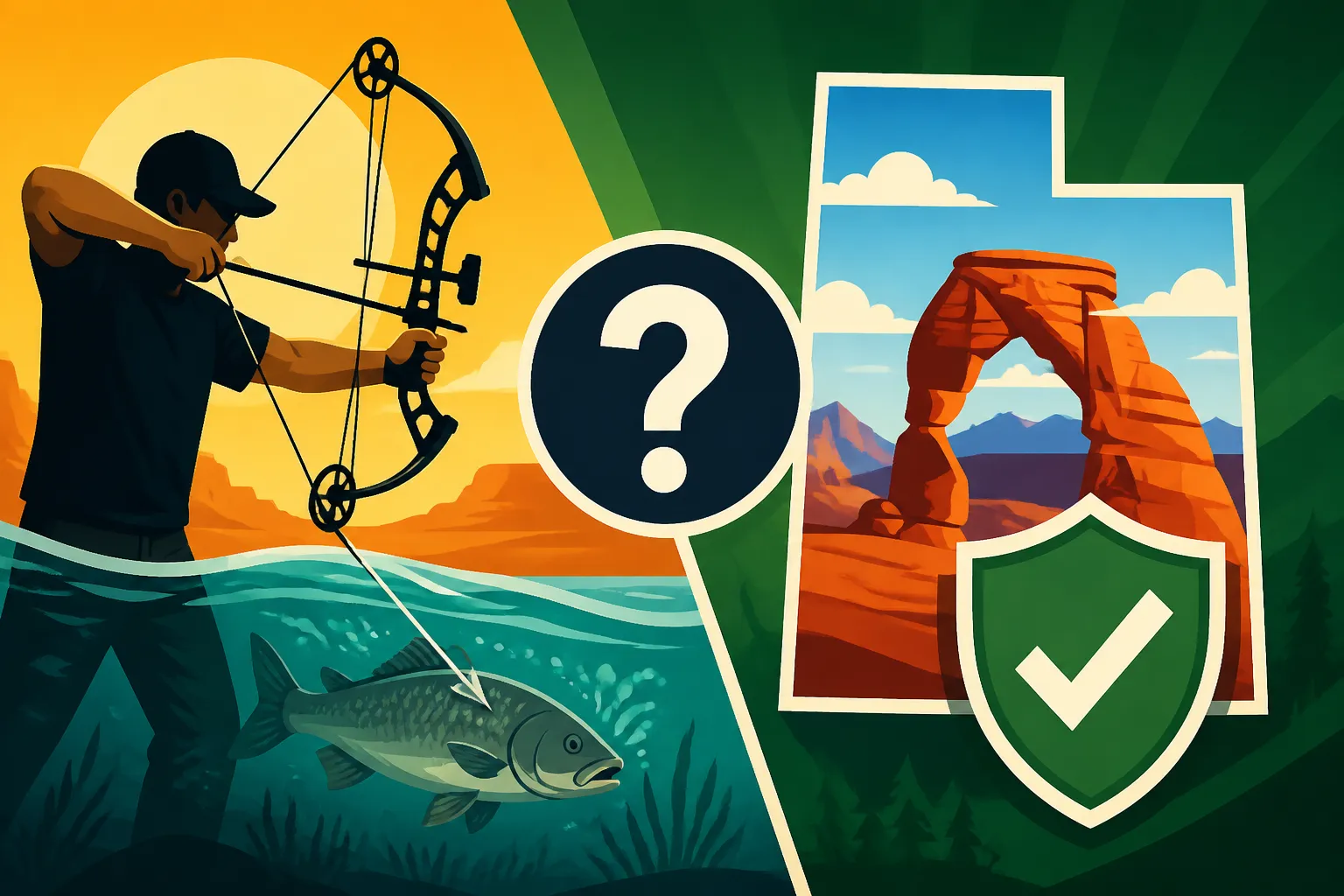
Yes, bowfishing is indeed legal in Utah, but it's not a free-for-all. The Utah Division of Wildlife Resources (DWR) permits bowfishing under specific conditions, primarily as a tool for managing invasive and overpopulated species. This isn't just about fun; it plays a crucial role in maintaining ecological balance, especially in waters where non-native fish threaten native populations or habitat. For instance, species like common carp, which can churn up lake beds and destroy aquatic vegetation, are often prime targets for bowfishing, turning a recreational activity into a conservation effort. It's about being a responsible angler who understands the bigger picture of wildlife management.
The nuance comes in understanding that not all fish are fair game, and not all waters are open to bowfishing. The DWR carefully outlines these specifics to ensure that protected, native, or sportfish species are not inadvertently harmed. So, while you can grab your bow, it's absolutely vital to know the rules before you head out. Ignorance of the law is never an excuse, and violating these regulations can lead to significant penalties, as detailed in the Utah Fishing License Penalties for Violations guide.
Target Species Allowed for Bowfishing
This is where the rubber meets the road. Utah's bowfishing regulations are very specific about which fish species you can and cannot target. Generally, bowfishing is restricted to non-game fish and those considered detrimental to the ecosystem. The primary targets include carp, suckers, shad, and specifically, the highly invasive northern pike in certain waters. These species are often prolific and can outcompete native fish for resources, making their removal beneficial.
Here's a breakdown of commonly permitted species and those strictly off-limits:
| Permitted Bowfishing Species | Strictly Prohibited Bowfishing Species |
|---|---|
| Common Carp | All Trout Species (Rainbow, Brown, Cutthroat, Lake, Tiger, Splake) |
| White Suckers | All Bass Species (Smallmouth, Largemouth) |
| Utah Suckers | Walleye |
| June Suckers (catch & release only, if caught) | Kokanee Salmon |
| Redside Suckers | Wiper (Hybrid Striped Bass) |
| Chub | Catfish (Channel, Bullhead) |
| Northern Pike (mandatory harvest in specific waters like Utah Lake) | Perch, Bluegill, Crappie (Panfish species) |
| Striped Bass (in Lake Powell, with limits) | Any native or protected game fish |
| Mullet | |
| Goldfish (invasive) |
It’s imperative to remember the mandatory harvest rule for Northern Pike in specific waters, such as Utah Lake. The DWR has made it clear that any Northern Pike caught from Utah Lake and its tributaries must be immediately killed. This isn't a suggestion; it's a strict rule designed to combat the spread of this voracious predator that poses a significant threat to native fish populations, including the endangered June Sucker. For more on this critical directive, refer to the post on Why Utah Lake Require You to Kill Every Northern Pike? Always double-check the current Utah Fishing Regulations Explained booklet before any trip, as rules can change.
Where and When You Can Bowfish in Utah Waters
Just because a fish is a legal bowfishing target doesn't mean you can pursue it anywhere, anytime. Utah's regulations also specify approved waters and timeframes. Most bowfishing occurs on larger reservoirs and lakes where invasive species thrive, such as Utah Lake, Willard Bay, and even some bays of Lake Powell for striped bass. River systems generally have more restrictions due to different fish populations and potential conflicts with other users.
Seasonally, bowfishing tends to be most productive and popular during the warmer months, from late spring through early fall. This is when carp and other target species are more active in shallower waters, making them easier to spot and target. Night bowfishing, using artificial lights to spot fish in clear, shallow water, is also a popular and often highly effective method, and is generally permitted as long as it doesn't violate specific local ordinances or cause a public nuisance.
However, specific closures or restrictions might apply to certain waters during sensitive periods, such as fish spawning seasons or if there are conflicts with other recreational activities. For example, some community ponds might prohibit bowfishing for safety reasons in densely populated areas. It's always a good practice to check the DWR's proclamation for the specific water you plan to visit. Understanding the nuances of Utah Fishing Season Dates and Limits will help ensure you're fishing legally and ethically.
Essential Gear and Best Practices for Utah Bowfishing
Once you've wrapped your head around the legalities, it's time to think about gearing up. Bowfishing requires a specific setup that differs significantly from traditional archery or rod-and-reel fishing. Having the right equipment and understanding how to use it safely and effectively will make all the difference in your success and enjoyment.
Selecting the Right Bowfishing Equipment
The core of your bowfishing setup is, of course, the bow. While you can adapt a standard compound or recurve bow, many anglers opt for specialized bowfishing bows. These bows are often designed for lower draw weights, allowing for quicker, more intuitive shots, and are built to withstand the wet conditions encountered on the water. You'll find a wide range of options on sites like Amazon, from basic kits perfect for beginners to more advanced setups.
- Bows:
- Recurve Bows: Simple, durable, and generally less expensive. Great for beginners because they are forgiving and easy to maneuver.
- Compound Bows: Offer more power and can be customized with various accessories, but can be heavier and more complex. Some dedicated bowfishing compounds have a constant draw weight, meaning you can hold it indefinitely without fatigue.
- Specialized Bowfishing Bows: These are often simpler, lighter versions of recurves or compounds, sometimes even pistol-grip bows, designed for rapid fire and quick target acquisition.
- Reels:
- Spincast Reels: These are common and easy to use, attaching directly to the bow. They're good for beginners but can be slow to retrieve lines for larger, harder-fighting fish. You can find good quality spincast reels on Amazon.
- Retriever Reels (Bottle Reels): These are specialized, open-face reels that allow the line to peel off freely without tangles, ideal for quick shots. They are robust and preferred by experienced bowfishers for their reliability.
- Arrows: Bowfishing arrows are distinct from target arrows. They are typically solid fiberglass, heavier, and do not have fletching (feathers) because they need to pass through water. Crucially, they have specialized barbed tips that deploy upon impact to hold the fish and can be reversed for easy removal.
- Line: Strong, durable line is essential. Braided line, often 100-200 lb test, is common for its strength and abrasion resistance. A good quality line is a must, especially when battling larger carp or pike.
- Safety Slide: This small but critical piece of equipment attaches to your arrow and prevents the fishing line from tangling in the bowstring or cable, which can cause the arrow to snap back at you—a very dangerous situation known as "bowfishing snap-back." Always use a safety slide.
For a more general overview of angling essentials, check out our Utah Fishing Gear Guide, though remember bowfishing gear is a specialized subset.
Prioritizing Safety and Ethical Conduct
Safety should always be your top priority. Bowfishing involves sharp arrows and powerful bows, so awareness of your surroundings is paramount. Always ensure you have a clear shooting lane and know what's beyond your target. Never shoot at anything you haven't positively identified as a legal target fish, and certainly never at people, boats, or wildlife you don't intend to harvest. If you're bowfishing from a boat, ensure all occupants are aware of shooting directions and safety zones.
Ethical considerations are just as important. The DWR encourages responsible harvest, which means only taking what you intend to use or properly dispose of. Unlike traditional catch-and-release fishing for game fish, bowfishing for invasive species often means mandatory harvest. If you harvest fish, be prepared to clean and utilize them or dispose of them properly. Never leave dead fish on the shoreline, as this attracts pests and pollutes the environment. It reflects poorly on all anglers. Practicing proper fish handling, even for invasive species, is a sign of respect for the resource.
Getting Started and Finding Your Utah Bowfishing Hotspots
So, you've decided to give bowfishing a try. That's fantastic! Utah offers some excellent opportunities, especially if you're keen on contributing to the health of our waters by targeting invasive species. Here's what you need to do to hit the water confidently.
Navigating Licensing and Regulations
Before you even think about stringing your bow or aiming at a fish, you absolutely need a valid Utah fishing license. Even though you're using a bow, it's still considered a method of fishing, and the DWR requires all participants to be licensed. You can easily purchase your license online through the DWR website or from many sporting goods retailers across the state. For details on how to acquire one, take a look at our guide on How to Buy a Utah Fishing License.
It's also crucial to familiarize yourself with the current year's Utah Fishing Regulations Explained booklet. This document is your bible for all things legal on Utah waters. It will explicitly list the waters open to bowfishing, any species-specific rules for those waters, and any unique seasonal restrictions. Regulations can change annually, so relying on old information is a recipe for trouble. Pay particular attention to sections regarding invasive species and mandatory harvest rules.
Discovering Productive Bowfishing Locations
Utah offers several excellent locations for bowfishing, often where carp and other non-game species are abundant.
- Utah Lake: This massive freshwater lake is arguably the state's premier bowfishing destination, especially for common carp and the infamous Northern Pike. The lake's vast, shallow expanses and numerous bays provide ideal habitat for carp, making them relatively easy targets, particularly in the spring and early summer when they move into the shallows to spawn. For Northern Pike, remember the mandatory harvest rule. You'll find plenty of access points around the lake, from public parks to boat ramps.
- Willard Bay State Park: Located north of Ogden, Willard Bay is another fantastic spot, particularly for carp and sometimes wiper (hybrid striped bass), though wipers often have specific limits and regulations, so always check. Its relatively shallow nature and open water make it accessible for bowfishing from boats or even shore in some areas.
- Lake Powell: While perhaps better known for its game fish, Lake Powell also presents opportunities for bowfishing, especially for striped bass in certain coves and shallower sections. However, given its immense size and depth, bowfishing here can be more challenging and usually requires a boat to access productive areas.
- Local Ponds and Rivers: While many community ponds and rivers might seem appealing, they often have restrictions or are unsuitable for bowfishing due to safety concerns or the presence of protected species. Always check specific regulations for any smaller local water body. Generally, larger, more open waters that specifically list carp or other invasive species as targets are your best bet.
When exploring new waters, look for shallow areas with abundant vegetation or muddy bottoms where carp tend to feed. These areas often warm up faster in the spring, drawing fish into accessible depths.
Practice and Preparation for a Successful Trip
Bowfishing is a skill that improves with practice. Before your first outing, spend some time at an archery range or a safe, designated practice area. Get comfortable with your bowfishing setup, including drawing, aiming, and shooting quickly. Remember that water refracts light, making fish appear shallower than they actually are. This optical illusion means you'll need to aim low, below where you actually see the fish. There are plenty of online resources and experienced bowfishers who can offer tips on mastering this "aim low" technique.
Beyond practice, preparation involves checking your gear thoroughly. Ensure your line is free of tangles, your arrow tips are secure, and your reel functions smoothly. If you're going out at night, make sure your lights are fully charged and functioning. Don't forget essentials like a cooler for your harvested fish, sturdy gloves, and a pair of polarized sunglasses (available on Amazon) which can significantly cut glare and help you spot fish in the water during daylight hours. A good landing net can also be invaluable for securing your catch.
Ready to give it a shot? With the right preparation and understanding of Utah's regulations, bowfishing can be an incredibly rewarding experience, offering a unique blend of archery and angling while helping manage local fish populations.
Disclaimer
The information provided in this guide is for general informational purposes only and is subject to change. Fishing regulations, season dates, and legal species can be updated by the Utah Division of Wildlife Resources (DWR) without prior notice. Always consult the most current official Utah Fishing Guidebook and the DWR website before engaging in any fishing activities. Compliance with all state and local laws is the angler's responsibility.