Is Night Fishing Legal in Utah?
There’s nothing quite like the allure of fishing under the stars, with the world quiet and the air cool, but many anglers wonder if this serene experience is even allowed in Utah. The thought of getting everything ready for a tranquil night out, only to find you're breaking the rules, is a real bummer. This comprehensive guide will clear up all the confusion surrounding night fishing legality in Utah, covering regulations, specific water body rules, essential safety tips, and what fish species you’re most likely to encounter after sundown.
The General Rule for Night Fishing in Utah
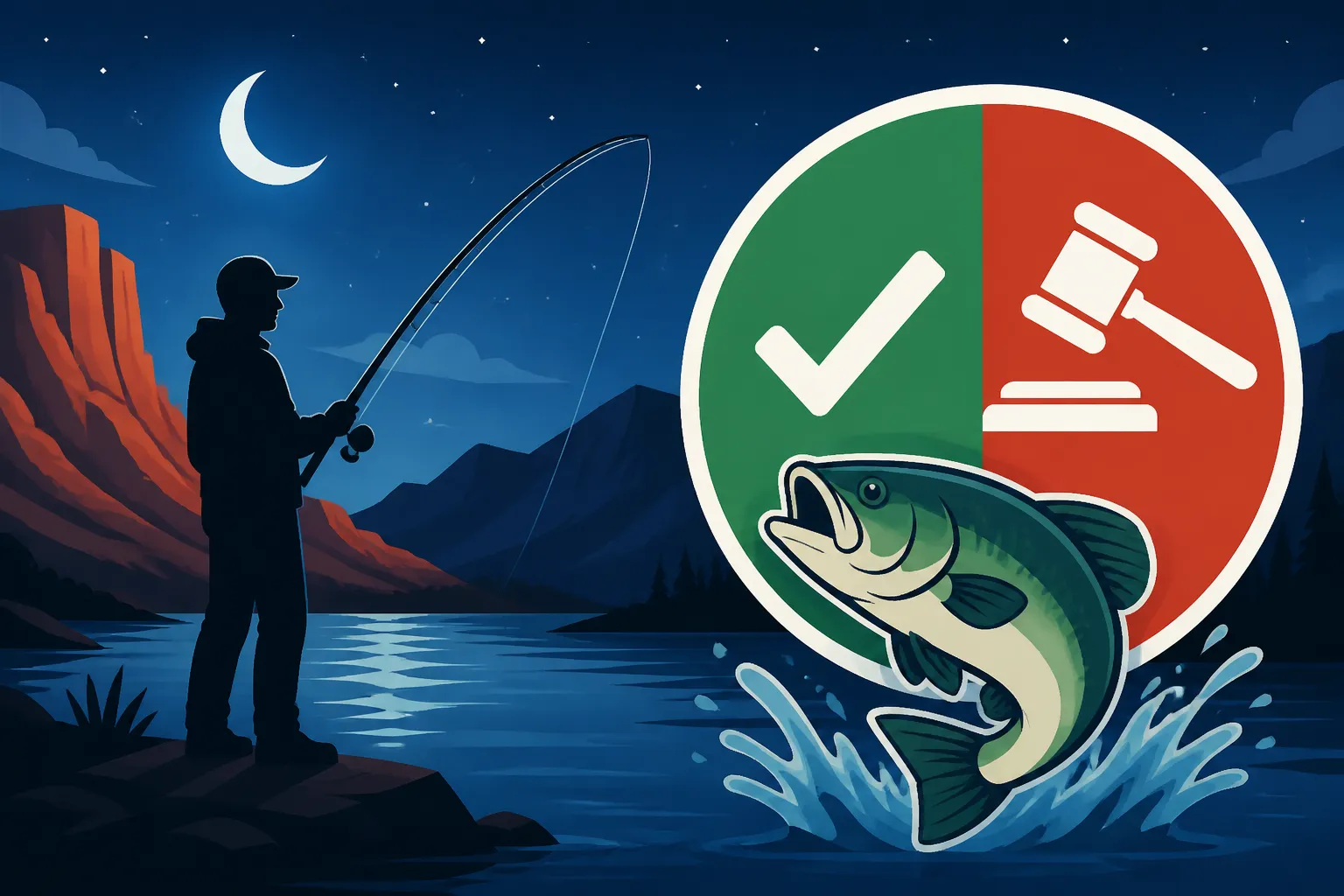
Let's get right to the heart of the matter: generally speaking, night fishing is legal in most public waters across Utah. The good news is, unlike some states or specific bodies of water that might have strict dawn-to-dusk regulations, Utah's statewide fishing proclamations don't typically impose a blanket ban on fishing during nighttime hours. This opens up a whole new world of angling opportunities, especially for those who appreciate the quiet solitude and often cooler temperatures that night fishing offers during the warmer months. You're not usually going to run into issues just by casting a line after dark.
Understanding Utah's Fishing Hours
When you dive into the official Utah Fishing Regulations Explained, you'll find that most general regulations regarding fishing seasons, methods, and species limits apply around the clock. The Utah Division of Wildlife Resources (DWR) primarily focuses on what you can catch, how you can catch it, and how many you can keep, rather than what time of day you're allowed to pursue fish. This means that if a body of water is open for fishing, it’s typically open 24/7, unless a specific rule or proclamation for that particular water states otherwise. It’s crucial to understand this distinction because while the general rule is "yes, you can night fish," there are always exceptions and local nuances that can trip you up. Always, always check the specific rules for the water you plan to visit.
This flexibility is a huge bonus for anglers in Utah. Imagine escaping the scorching summer sun at places like Utah Lake or Willard Bay, where daytime temperatures can make fishing less comfortable for both you and the fish. Night fishing allows you to target species that become more active when the light fades and the water cools. It’s a completely different atmosphere, too—the sounds change, the wildlife emerges, and the whole experience takes on a more mystical quality. However, with this freedom comes the responsibility of being extra vigilant about safety and knowing the specific local rules, which can, at times, override the general statewide allowance.
Why the Confusion Around Night Fishing?
If night fishing is generally legal, then why does so much confusion exist? There are a few key reasons. First, some states do have widespread night fishing bans, and anglers moving to or visiting Utah might assume similar restrictions apply here. Second, certain water bodies, especially those managed by other agencies like national parks or private entities, do have specific rules that might prohibit or limit night access. For instance, a city park pond might close at sundown, making night fishing impossible by default. Third, the lack of explicit mention permitting night fishing in general regulations can lead people to believe it's implicitly forbidden. When a rule isn't specifically stated, our minds sometimes default to "no."
Another source of confusion can stem from specific species regulations or methods. For example, while you can technically fish at night, if you're targeting a species with a very restrictive Utah Daily Bag and Possession Limits and you accidentally exceed it due to poor visibility, you're still on the hook. Similarly, certain areas might have special regulations for particular seasons, like ice fishing, which, while generally allowed at night, might have rules about leaving shelters unattended. It's really about being detail-oriented and not just relying on general assumptions. The best approach is to always consult the current Utah Fishing Guidebook published by the DWR or their online resources specific to your chosen fishing spot before you head out after dark. This small step can save you a lot of hassle and potential fines.
Specific Waters with Restrictions or Special Rules
While the vast majority of Utah's public waters are open for night fishing, it's absolutely critical to be aware that not all water bodies are created equal. Some places have unique management plans, environmental concerns, or safety regulations that can either limit or outright prohibit fishing after dark. It's not about being a killjoy; it's often about protecting sensitive ecosystems, ensuring public safety, or managing recreational use in high-traffic areas.
Designated Night Fishing Waters and Their Seasons
You'll occasionally find specific waters where night fishing is not just tolerated but actively encouraged, often due to targeted species. For instance, the DWR might sometimes stock certain community ponds or reservoirs with species like catfish, which are notoriously more active after dark. These waters might even see special proclamations or recommendations for nighttime angling during specific seasons. However, the inverse is also true: some waters might have seasonal closures or time restrictions due to spawning periods for certain fish, or to manage specific conservation efforts. For example, while not a night fishing specific rule, understanding Utah Ice Fishing Season Dates can help you know when and where you might even consider being on the ice after dark, which carries its own set of unique safety concerns and potential time limits for structures.
A good example of actively encouraged night fishing is for species like walleye. Many avid walleye anglers swear by fishing after dark, especially in reservoirs like Utah Lake, where these elusive predators become much more aggressive under the cover of night. There isn't a specific list of "night-only" waters, but rather a general understanding that if a water is open, night fishing is included, barring explicit exceptions. Always double-check the current DWR fishing guidebook for any specific water body you plan to fish. You might find regulations on things like "mandatory kill" species, such as northern pike in Utah Lake, which apply 24/7, making night fishing an effective way to contribute to their removal efforts if you’re targeting them.
National Parks and Special Management Areas
This is where the general rule often takes a sharp turn. National Parks, National Forests, State Parks, and other specially managed areas often have their own set of regulations that can supersede state fishing rules, especially concerning access hours. For example, if you're thinking about fishing inside Zion National Park, while technically there might be fish in the Virgin River, the park itself will have strict visiting hours. You likely won't be permitted to be in the park after dark, making night fishing impossible, regardless of state fishing laws. The same can apply to some state parks or recreation areas that might have gated access or specific closure times.
It’s not just about gates and hours, either. These areas are often managed with a broader conservation goal, meaning activities that introduce higher risks or disrupt nocturnal wildlife might be restricted. Before you venture out, especially to scenic spots listed in guides like Best Places to Fish in Utah, always check the specific website or contact the managing authority (e.g., National Park Service, Utah State Parks, U.S. Forest Service) for that particular location. Don't assume that because it's public land, you have unfettered access 24/7, especially with fishing gear in tow. You might find signs posted at popular access points clarifying these rules, but it’s always better to know before you go to avoid any unpleasant surprises or fines.
Private and Tribal Waters
Another area where night fishing rules can drastically change is on private or tribal lands. If you're fishing on a private pond or stretch of river, the landowner dictates the rules. They can allow or prohibit night fishing as they see fit. Always obtain permission from the landowner before fishing on private property, and clarify any time restrictions they might have. Trespassing, especially at night, can lead to serious legal issues, far beyond a fishing violation.
Tribal waters, such as those on the Uintah and Ouray Reservation, operate under their own sovereign regulations. Fishing on these waters typically requires a separate tribal permit, and the rules, including those for night fishing, can differ significantly from state DWR regulations. You cannot assume your standard Utah Fishing License Guide or Utah DWR rules apply. It's absolutely essential to research and understand the specific tribal fishing codes before planning a trip to these unique and culturally significant waters. Respecting these boundaries and rules is not just about legality, but about demonstrating good sportsmanship and cultural sensitivity.
Safety Considerations and Best Practices for Night Fishing
While the excitement of reeling in a lunker under the moonlight is undeniable, night fishing in Utah requires a heightened awareness of safety. The cover of darkness, while offering solitude and a unique angling experience, also introduces additional hazards that aren't present during the day. It’s not just about avoiding a fall; it’s about being prepared for anything and ensuring you’re visible and aware of your surroundings.
Essential Gear for a Safe Night Trip
Preparation is paramount for night fishing. You absolutely need to equip yourself with reliable lighting. A quality headlamp is non-negotiable, freeing up your hands for rigging bait, tying knots, and handling fish. Look for one with different brightness settings and, ideally, a red light option to preserve your night vision without spooking fish or blinding fellow anglers. Many great options are available on Amazon from brands like Black Diamond or Petzl that offer excellent battery life and various beam patterns suitable for fishing. Don't forget spare batteries or a portable charger! Beyond personal illumination, a lantern or area light can be incredibly helpful for your fishing station, especially if you're stationary on shore or in a boat.
Beyond light, think about your footing. The ground you know well in daylight can become treacherous at night. Wear sturdy, non-slip footwear. If you're near water, especially a river, consider wading boots with good grip. For those fishing from a boat, always ensure all required Utah Boating and Fishing Rules safety equipment is readily accessible, including navigation lights and plenty of extra lights for visibility. A first-aid kit is also a must, as minor cuts and scrapes are harder to deal with in the dark. Lastly, bringing a fully charged cell phone is crucial for emergencies, but remember service can be spotty in remote Utah locations. A backup communication device, like a satellite messenger, might be a good idea for truly isolated trips.
Navigational and Personal Safety
Navigating in the dark, whether on foot or by boat, demands extreme caution. If you're on shore, scout your spot during the day, noting any obstacles, drop-offs, or tricky terrain. Use reflective markers if you need to guide your way back to a vehicle. When fishing from a boat, especially on large reservoirs like Flaming Gorge or Lake Powell, proper navigation lights are legally required and absolutely essential for avoiding collisions with other vessels or unseen hazards. GPS devices are incredibly helpful for marking your spot and ensuring you don't drift too far off course. You can find robust, waterproof GPS units on Amazon that are perfect for marine environments.
Personal safety extends to being aware of wildlife. Utah is home to various nocturnal animals, from deer and elk to coyotes and even bears in some mountainous regions. Store food securely, make noise while moving, and know how to react to potential encounters. Furthermore, inform someone of your plans – where you're going, when you expect to return, and who you're with. This "float plan" is a simple yet effective safety measure. Dress in layers, even in summer, as desert nights can get surprisingly cold. Lastly, never fish alone if you can avoid it, especially if you’re new to night fishing. Having a buddy significantly increases safety.
Respecting Wildlife and Other Anglers
Night fishing often brings you into closer contact with wildlife that might be less visible during the day. Be mindful of their habitats and movements. Avoid shining bright lights directly at animals for extended periods, as this can disorient them. When it comes to fellow anglers, use your headlamp responsibly. Nothing is more annoying than a bright beam flashed directly into your eyes when someone is trying to maintain their night vision. Use the red light setting when possible, and direct your light downwards or away from others.
Noise discipline is also important. While the quiet of the night is part of the appeal, loud conversations or music can disturb both wildlife and other anglers seeking tranquility. Pack out all your trash, leaving no trace behind. This is especially crucial at night when small items can be easily overlooked. Remember, the privilege of night fishing relies on all anglers being responsible and respectful stewards of Utah's natural resources and public spaces. Carrying a small collapsible trash bag (you can find these on Amazon) is a simple way to ensure you pack out everything you pack in.
What You Can Catch After Dark
One of the most exciting aspects of night fishing is the opportunity to target species that become more active or are simply easier to catch once the sun goes down. Many fish, just like humans, have different activity patterns depending on light levels, temperature, and feeding habits. In Utah, several popular sport fish are prime targets for the dedicated night angler.
Common Nighttime Targets in Utah
When the sun dips below the horizon, a new cast of characters often comes out to play in Utah's waters. Catfish, particularly Channel Catfish, are arguably the kings of night fishing. They are bottom feeders with an excellent sense of smell and taste, making them incredibly effective hunters in low light conditions. You can find them in abundance at places like Utah Lake and Willard Bay, where they feed aggressively throughout the night. Targeting them with cut bait, stink baits, or even worms can yield impressive results. If you’re interested in specific strategies, checking out a guide on How to Catch Walleye at Night can give you some transferable insights into nocturnal predator behavior, even though walleye are a different species.
Walleye are another fantastic night fishing target. These cunning predators have large, light-sensitive eyes, giving them a distinct advantage over their prey once darkness falls. Lakes like Utah Lake, Willard Bay, and even some areas of Deer Creek Reservoir can offer phenomenal walleye action after dark, especially when trolling crankbaits or jigging vertically. Striped bass at Lake Powell also become incredibly active at night, often moving into shallower coves to ambush baitfish. Even some trout species, particularly larger brown trout in rivers like the Provo River, will become more opportunistic and less wary at night, making them susceptible to streamers or large flies. However, always refer to the specific rules for a water, such as those for Utah Trout Daily Limit Explained which apply regardless of the time of day.
Here's a quick overview of some popular night fishing targets in Utah:
| Fish Species | Prime Locations | Preferred Night Bait/Lures | Best Time for Night Fishing |
|---|---|---|---|
| Channel Catfish | Utah Lake, Willard Bay, Bear River | Stink bait, cut bait, nightcrawlers | Summer evenings to dawn |
| Walleye | Utah Lake, Willard Bay, Deer Creek | Crankbaits, jigs, worm harnesses | Spring/Summer evenings to dawn |
| Striped Bass | Lake Powell | Cut bait, swimbaits, topwater lures | Summer nights, especially near boils |
| Brown Trout | Provo River, Green River, Weber River | Large streamers, mice patterns, Rapalas | Late evening to early morning |
| Tiger Muskie | Pineview Reservoir | Large crankbaits, swimbaits, bucktails | Summer evenings, low light |
Adapting Techniques for Low Light
Successful night fishing isn't just about showing up after dark; it's about adapting your techniques to the conditions. First and foremost, rely more heavily on your other senses. Feel for bites, listen for splashing, and pay attention to subtle movements in your line. Using heavier lines and rods can sometimes be beneficial as it allows you to feel more subtle takes and gives you more control over larger fish in the dark. A good Utah Fishing Gear Guide will emphasize sensitivity in your rod and reel choices.
For bait fishing, strong scents are your friend. Catfish baits with powerful aromas will attract fish that are relying on their olfactory senses. For lure fishing, consider using darker or silhouetted colors, or lures with rattles and vibrations to appeal to a fish's lateral line system. Glow-in-the-dark lures or those with built-in LED lights can also be effective, especially for species like crappie or walleye. When trolling, slow your presentation down; fish might be less willing to chase fast-moving baits in the dark. Lastly, practice casting in low light. Accuracy is key, and you don't want to spend precious fishing time untangling snags. Using a basic Best Headlamp for Early Morning Utah Fishing will help immensely with this.
Disclaimer
The information provided in this guide is for general informational purposes only and is subject to change. Fishing regulations in Utah can be complex and are regularly updated. Always consult the most current Utah Fishing Guidebook published by the Utah Division of Wildlife Resources (DWR) and any specific local proclamations or signage for the body of water you intend to fish before heading out. Failure to comply with regulations can result in fines and penalties. Fishing involves inherent risks; always prioritize safety.