Lake Powell Striped Bass Spots
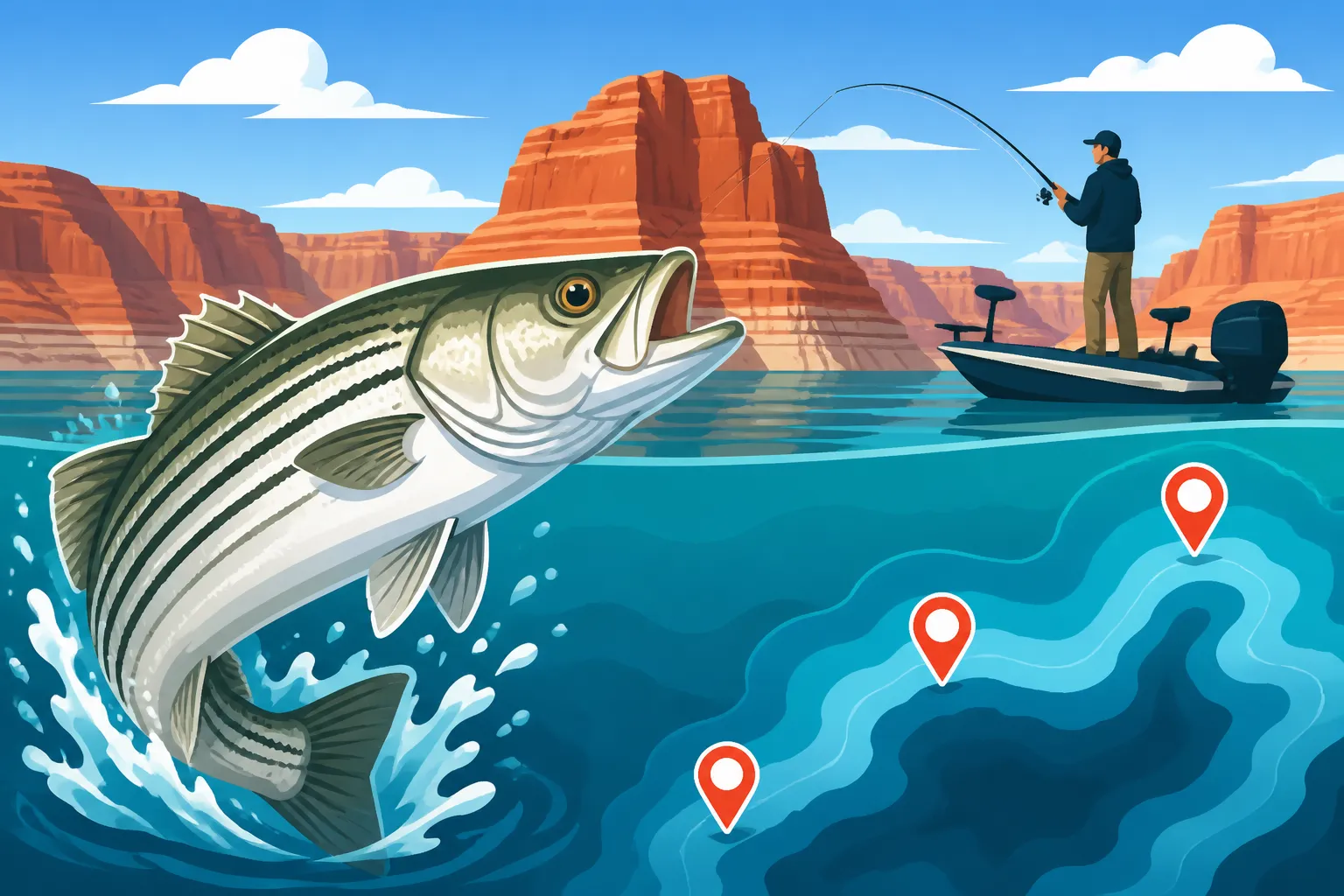
Navigating the vast, intricate canyons of Lake Powell to find actively feeding striped bass can feel like an overwhelming treasure hunt, especially for those unfamiliar with its immense scale and ever-changing water levels. Many anglers spend countless hours crisscrossing the main channel, hoping for a lucky break, only to come back with empty coolers and tales of elusive fish. This comprehensive guide is designed to cut through that frustration, providing you with detailed insights into the best Lake Powell Striped Bass Spots, understanding their behavior, and the techniques you'll need to turn those challenging days into memorable catches.
Understanding Lake Powell Striped Bass Behavior
Before we dive into specific locations, it’s crucial to understand the nuances of striped bass behavior in Lake Powell. These powerful, schooling predators are highly reactive to environmental changes, food availability, and water conditions. Their movements and feeding frenzies dictate where you'll find them, making a solid understanding of their habits far more valuable than simply knowing a "spot."
The Seasonal Migration of Stripers
Striped bass in Lake Powell exhibit distinct seasonal patterns that savvy anglers learn to track. In the cooler months of spring and fall, stripers tend to be more spread out, often cruising shallower coves and main channel points in search of shad. This is a great time for trolling or casting in a wider range of areas. As the water warms into summer, the shad populations explode, and the stripers become incredibly active, leading to the legendary "boils" that Lake Powell is famous for. During these times, they are actively herding baitfish to the surface. Winter sees them move to deeper water, often suspending over structure or in the main river channel, becoming more lethargic but still catchable with the right deepwater techniques. Understanding these broad movements is your first step to consistent success, preventing you from fishing shallow in winter or deep during a summer boil.
Why Stripers Love Structure and Shade
Like many predatory fish, striped bass are drawn to structure and shade, especially during the brighter, hotter parts of the day. Lake Powell offers an abundance of this, from submerged canyon walls, ledges, and rock piles to the shadows cast by towering cliffs. These features provide ambush points for hunting baitfish and offer thermal refuge from the intense desert sun. When the sun is high, you'll often find stripers holding tight to these shaded areas, particularly where a submerged point drops off into deeper water or along the cooler side of a steep canyon wall. Don't overlook the role of current, even subtle currents caused by wind or water flow, as these can concentrate baitfish against structure, creating a feeding opportunity for waiting stripers.
Feeding Patterns: Boils and Night Bites
The most exhilarating aspect of Lake Powell striper fishing is undoubtedly the "boil." This occurs when large schools of striped bass push massive schools of shad to the surface, creating a chaotic, splashing frenzy. These boils can last minutes or hours and offer incredible topwater action. They are typically more common from late spring through early fall, especially in the mornings and evenings, but can erupt at any time. Learning How to Find Shad Boils at Lake Powell is a key skill. Beyond the daytime spectacle, night fishing for stripers is incredibly productive, often yielding larger fish. Stripers become emboldened under the cover of darkness, moving into shallower areas to feed on shad. This is when they're less pressured and often bite more aggressively, making it a favorite technique for many serious striper anglers.
Prime Striped Bass Hotspots by Lake Section
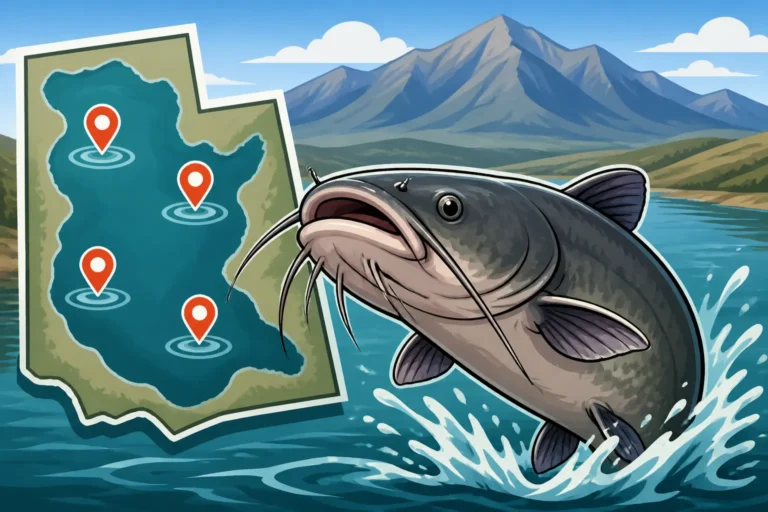
Lake Powell is immense, stretching hundreds of miles through intricate canyons. To effectively locate striped bass, it helps to break the lake down into more manageable sections, each with its own unique characteristics and known striper haunts. While fish can be found throughout the lake, certain areas consistently produce more action due to their geography and baitfish concentrations.
The Wahweap and Antelope Point Areas
Near the main access points of Wahweap Marina and Antelope Point Marina, the lake offers a mix of open water, large bays, and intricate canyon systems. This area is heavily fished but for good reason, as it holds a robust population of stripers. Look for schools suspending in the main channel, particularly around structure like Warm Creek Bay and Padre Bay. The areas leading into and out of these larger bays are often highways for migrating shad and, consequently, stripers. Trolling crankbaits or spoons in these open waters can be effective, especially early in the season before the major boils start. Shoreline access points and deeper points within these bays can also be excellent for casting during low-light conditions.
The Escalante Arm and San Juan Arm
Moving up-lake, the Escalante and San Juan arms are renowned for their incredible canyon fishing and often less pressured waters, especially as you venture further up. These long, winding arms are classic striper territory, offering extensive shaded canyon walls, countless side canyons, and vast expanses of deep water. The key here is often to follow the shad. When the shad are pushed into the backs of the canyons or concentrated along specific ledges, the stripers won't be far behind. The San Juan arm, in particular, can be phenomenal for consistent boil action during the summer. Exploring the smaller side canyons within these larger arms can often reveal hidden populations of stripers, especially when Lake Powell Houseboat Fishing Access allows you to spend multiple days exploring.
Bullfrog and Halls Crossing Regions
On the eastern side of the lake, the Bullfrog and Halls Crossing areas offer another fantastic array of striper fishing opportunities. This region is characterized by its wide-open expanses interspersed with numerous islands, submerged rock formations, and deep channels. The larger bays like Bullfrog Bay, Hall's Creek Bay, and the areas around the Dirty Devil arm are prime locations. Similar to Wahweap, trolling is a popular and effective method in the open waters here. However, the numerous islands and prominent points also offer excellent casting opportunities when fish are schooling. These areas are known for consistently producing both numbers and quality stripers, making them popular among anglers with larger boats. Finding Best Fishing Spots Near Bullfrog Marina at Lake Powell can provide a great starting point.
The Northern Lake Powell Reaches
For the truly adventurous angler willing to make the long run, the northern reaches of Lake Powell, including the upper San Juan and Dirty Devil rivers, can offer a unique and often rewarding experience. These areas are characterized by narrower canyons, stronger currents, and different types of structure. While less frequently targeted for stripers due to the travel time, these upstream sections can hold very healthy populations of fish, especially when water levels allow for good access and baitfish concentrations. This is often where you'll find stripers holding in clearer water, which can make them a bit more challenging but also incredibly fun to sight fish if conditions are right. For those seeking solitude and a genuine wilderness fishing experience, the effort to reach these areas can be well worth it.
Essential Techniques for Targeting Striped Bass
Once you've identified potential hotspots, the next step is to employ the right techniques to entice these powerful fish. Striped bass are aggressive feeders, but their preferences can change based on the season, time of day, and availability of forage.
Trolling for Deepwater Stripers
When stripers are scattered or holding in deeper water, particularly during the cooler months or midday in summer, trolling is an incredibly effective strategy. This involves pulling lures behind a boat at a consistent speed, covering a lot of water until you locate active fish. Deep-diving crankbaits, heavy spoons, and umbrella rigs are popular choices. The key is to match the depth where the fish are holding, which often requires a good fish finder. Pay close attention to your sonar for bait balls and individual fish suspended over structure or in the main channel. Experiment with different speeds and lure colors until you find what triggers a strike. Remember that How to Fish for Striped Bass at Lake Powell often involves understanding not just what to troll, but where and how deep.
Topwater Action During Shad Boils
There's nothing quite like the adrenaline rush of casting into a chaotic shad boil. When you see stripers erupting on the surface, pushing baitfish into a frenzy, it's time for topwater lures. Poppers, walk-the-dog style baits, and even soft plastic jerkbaits can be incredibly effective. The goal is to imitate a frantic, injured shad, drawing aggressive strikes. The challenge often lies in getting to the boil quickly and making an accurate cast before the fish sound. Keep an eye out for circling gulls, as they often pinpoint active boils. A good pair of polarized sunglasses is invaluable for spotting the action from a distance. While thrilling, these boils can be fleeting, so be prepared to react fast.
Night Fishing for Bigger Stripers
For many seasoned Lake Powell anglers, night fishing is the secret to catching larger, less pressured striped bass. As mentioned, stripers become bolder under the cloak of darkness, often moving into shallower coves and along points to feed. This is where How to Rig Cut Bait for Striped Bass at Lake Powell becomes paramount. Cut bait, particularly fresh shad or anchovies, presented on the bottom or suspended under a light can be irresistible. Many anglers also use submersible lights to attract plankton, which in turn draws in shad, and then the stripers follow. The tranquil environment of night fishing, combined with the anticipation of a strong striper bite, makes it a truly unique experience on Lake Powell. Just be sure to bring plenty of light, both for your boat and for handling fish.
Navigating Lake Powell: Tips for Success
Lake Powell's immense size and remote nature require more than just fishing knowledge; they demand careful navigation, preparation, and adherence to safety. Ignoring these aspects can quickly turn an exciting trip into a stressful ordeal.
Reading the Water and Sonar Effectively
One of the biggest frustrations newcomers face is how to interpret Lake Powell's vastness. Learning to "read the water" goes beyond just looking for boils. It means understanding how changing water levels expose or submerge structure, how wind affects currents and baitfish movement, and how to use your electronics to pinpoint fish. A quality fish finder is not just a luxury; it's a necessity. Learn How to Read a Fish Finder for Utah Reservoirs to identify bait balls, suspended fish, and bottom structure. Down Imaging and Side Imaging technologies can be incredibly helpful for identifying submerged brush piles, ledges, and schools of stripers holding tight to canyon walls. Don't just motor around; actively scan, identify patterns, and mark potential hotspots on your GPS.
Essential Gear and Bait for Stripers
Having the right gear is crucial for tackling Lake Powell's stripers. You'll want medium-heavy to heavy spinning or baitcasting rods, paired with reels spooled with 15-30 lb monofilament or braided line. For lures, a diverse selection is key:
- For Trolling: Deep-diving crankbaits (like Rapala Deep Diver or Bomber Long A), spoons (Kastmasters, Krocodiles), and umbrella rigs.
- For Boils: Topwater poppers (Chug Bugs, Pop-Rs), walking baits (Zara Spooks), and soft plastic jerkbaits.
- For Night Fishing/Bait: Heavy-duty circle hooks (2/0 to 5/0), heavy weights (1-3 oz egg sinkers), and plenty of fresh cut bait (shad, anchovies, squid).
Remember, the best approach is often to observe what's working for local anglers or to consult with bait shops around the lake. For a guided trip, consider a service like FishingBooker to connect with experienced local captains who can provide all the necessary gear and invaluable insights. They know what's biting and where.
Safety Considerations and Environmental Awareness
Lake Powell is breathtakingly beautiful but can also be unforgiving. Always prioritize safety. File a float plan, ensure your boat is in excellent working condition, and carry all required safety equipment, including enough life jackets for everyone on board. The sheer size of the lake means weather can change rapidly, and storms can develop quickly, turning calm waters into dangerous chop. Be mindful of fuel consumption, as distances between marinas can be vast. Additionally, practice responsible angling: respect bag limits, properly dispose of all trash, and be vigilant about preventing the spread of Utah Aquatic Invasive Species Rules for Anglers. Always adhere to Utah Boating and Fishing Rules and check the latest regulations before heading out.
Maximizing Your Lake Powell Striper Experience
Beyond simply catching fish, a trip to Lake Powell can be an incredible adventure. There are ways to enhance your experience, gain deeper knowledge, and turn a simple fishing trip into a truly unforgettable escapade.
Hiring a Local Guide for Expertise
For newcomers or those looking to dramatically increase their success rate, hiring a local fishing guide is an invaluable investment. These professionals spend hundreds of days on the water each year, constantly tracking fish movements, understanding current conditions, and knowing exactly what techniques are working. They can quickly put you on fish, teach you the nuances of Lake Powell striper fishing, and help you navigate the complexities of this vast reservoir. Services like FishingBooker can help you find and book reputable guides who specialize in Lake Powell striped bass, ensuring you get a knowledgeable expert who can cater to your specific fishing goals, whether it's chasing boils or targeting trophy fish at night. They’ll also have all the specialized gear and bait, taking the guesswork out of your trip.
Planning Multi-Day Houseboat Adventures
One of the quintessential Lake Powell experiences is a multi-day houseboat adventure. This isn't just a way to vacation; it's an incredible advantage for serious striper anglers. A houseboat allows you to explore remote canyons and stay on the water for extended periods, positioning yourself where the fish are most active without having to make long runs back to a marina each day. You can wake up directly on a prime fishing spot, chase boils at first light, and fish through the productive night hours. Many houseboats also allow you to tow smaller fishing boats, providing even more flexibility. This immersive approach gives you the time to observe patterns, react to changing conditions, and fully appreciate the stunning scenery while relentlessly pursuing striped bass. It’s an ideal way to truly experience Lake Powell Houseboat Fishing Access.
Participating in Striped Bass Derbies
Lake Powell is unique in that many of its waters, particularly for striped bass, encourage harvest. Stripers, while a fantastic sportfish, are non-native and their population needs to be managed to protect native species and maintain the health of the ecosystem. Because of this, the Utah Division of Wildlife Resources and local organizations often host striped bass derbies, sometimes with no bag limits for stripers. These derbies are not only a fun way to compete and win prizes but also contribute to conservation efforts. Participating can be a fantastic way to meet other passionate anglers, learn new tactics, and experience the camaraderie of the Lake Powell fishing community. Always check the current Utah Daily Bag and Possession Limits and any specific rules for special events.
Disclaimer
Fishing regulations, conditions, and fish populations in Utah can change frequently. Always consult the latest Utah Division of Wildlife Resources (UDWR) official guidebooks and advisories before planning your fishing trip to ensure you are compliant with all current rules and regulations. This guide is for informational purposes only and should not replace official sources.