Middle Provo River Access Points
It's incredibly frustrating when you know a river has a reputation for fantastic fishing, like Utah's Provo River, but you're not quite sure where to actually access it, especially if you're looking to avoid the crowds or target specific water types. Navigating the different sections and finding those sweet spots can feel like a secret handshake. This comprehensive guide is designed to cut through that confusion, meticulously detailing the best and most practical access points along the revered Middle Provo River, ensuring your next angling adventure is both productive and enjoyable.
Why the Middle Provo River is a Gem for Anglers
The Middle Provo River isn't just another waterway; it's a celebrated Blue Ribbon Fishery, renowned throughout the Intermountain West for its robust trout populations and stunning scenery. Anglers flock here for good reason, drawn by the promise of challenging but rewarding fishing experiences in a pristine natural setting.
Trout Species and Catch & Release Philosophy
One of the primary draws of the Middle Provo is its healthy, self-sustaining populations of wild brown trout, along with a good number of rainbow trout and even the occasional cutthroat trout. Unlike many waters that rely heavily on stocking, the Middle Provo's trout thrive naturally, growing large and feisty thanks to an abundant food supply and consistent cold water temperatures. This natural productivity is why the "catch and release" ethic is so deeply ingrained here. Most sections of the Middle Provo are managed with strict regulations, often requiring artificial flies and lures only and mandating that all trout be immediately released unharmed. This philosophy isn't just a suggestion; it's a critical component of maintaining the river's exceptional fishery, ensuring that these beautiful fish continue to reproduce and challenge anglers for generations to come. When you land one of these vibrant, wild trout, you're not just catching a fish; you're participating in a legacy of conservation.
Unique River Characteristics
What sets the Middle Provo apart from many other rivers is its status as a tailwater fishery, fed by the deep, cold waters released from Jordanelle Reservoir. This means the river enjoys remarkably consistent water temperatures year-round, which is crucial for trout survival and activity, even during the hottest summer months or the coldest parts of winter. The river itself presents an incredibly diverse array of structures and features: you'll find long, smooth runs where trout sip subtle dry flies, churning riffles that hide hungry browns, and deep, dark pools with undercut banks that offer perfect ambush points for larger fish. This varied topography, combined with a prolific insect population—think dense hatches of midges, caddis, and mayflies at different times of the year—creates a dynamic environment that constantly challenges anglers to adapt their techniques. The river isn't just beautiful; it's a living ecosystem teeming with life, making every cast an exciting proposition.
Key Access Points Along the Middle Provo River
Getting to the Middle Provo is one thing; knowing where to put in your waders or set up your spin rod is another entirely. The river stretches for miles, offering a variety of access points, each with its own character and opportunities. Understanding these spots can dramatically improve your fishing experience, helping you find the kind of water you prefer and avoid unnecessary crowds.
Vivian Park Area
One of the most popular and easily accessible starting points for many anglers, especially those bringing families or looking for a more developed area, is Vivian Park. Located further upstream in Provo Canyon, this park offers excellent amenities including ample parking, clean restrooms, and scenic picnic areas, making it a comfortable base camp for a day of fishing. The river here tends to be a bit slower with deeper pools, which can be very inviting for both fly and spin anglers. While this area sees a fair amount of foot traffic, especially on weekends, the easy access to the water's edge makes it a great spot for beginners or those who prefer not to hike far. You'll often find a mix of stocked rainbow trout, which are great for kids and new anglers, alongside wild brown trout holding in the deeper runs. Keep in mind that due to its popularity, angling pressure can be higher here, so stealth and finesse are often key to success.
Legacy Trail Sections
For those who prefer to put in some legwork for more solitude and diverse water, the Provo River Parkway Trail, often affectionately referred to by local anglers as the "Legacy Trail," offers miles of prime walk-in access along the Middle Provo. This paved and unpaved trail follows the river from Provo Canyon down towards Utah Lake, with numerous pull-offs and parking areas along Highway 189. The beauty of the Legacy Trail is that the further you're willing to walk from the parking areas, the more unpressured water you're likely to find. These sections present a fantastic variety of river characteristics, from swift, pocket-water rapids to long, slow glides and deep bends perfect for nymphing or throwing streamers. This accessibility makes it a prime location for fly anglers looking to wade and cover a lot of ground, seeking out those elusive wild trout. Just remember to wear comfortable wading boots, as the riverbed can be rocky and slippery, and always be aware of trail users like cyclists and runners.
Deer Creek State Park Inlet
Where the Middle Provo River empties into Deer Creek Reservoir, you'll find another unique and often productive fishing scenario. This inlet area, located within Deer Creek State Park, provides a fascinating transition zone where riverine species meet stillwater residents. Access is typically through the state park, which means you'll have access to facilities like boat ramps (if you're launching a small craft or float tube), additional parking, and amenities. The fishing in this area can be particularly good during certain seasons, especially in the spring and fall when fish migrate between the river and the reservoir. You'll find a blend of brown and rainbow trout, and sometimes even smallmouth bass from the reservoir will push up into the river's influence. Shore fishing can be productive right where the river current meets the lake, particularly for those using bait (where permitted by Utah fishing regulations, so always double-check the specific rules for Deer Creek and the Provo River inlet) or casting lures into the mixing waters. This confluence of environments creates a dynamic fishing experience that can be highly rewarding.
Navigating Regulations and Etiquette on the Middle Provo
Fishing on a Blue Ribbon water like the Middle Provo River comes with certain responsibilities. To preserve its pristine condition and incredible fishery, it's essential for every angler to understand and adhere to the specific rules and, just as importantly, the unwritten etiquette that helps maintain a positive experience for everyone.
License Requirements and Special Rules
First and foremost, you absolutely need a valid Utah Fishing License Guide before you even think about wetting a line in the Middle Provo. This isn't just a suggestion; it's a legal requirement, and conservation officers patrol these popular waters frequently. Beyond the basic license, the Middle Provo River, particularly its Blue Ribbon sections, often has specific regulations that differ from other waters in Utah. For example, many stretches are designated "artificial flies and lures only," meaning no bait of any kind is allowed. This helps protect the fish by minimizing deep hooking. Additionally, rules regarding baitfish are very strict in Utah to prevent the spread of diseases and invasive species, so be aware that Can You Use Live Minnows as Bait in Utah? is generally prohibited in most river settings. Always consult the current Utah Fishing Guidebook published by the Utah Division of Wildlife Resources (DWR) before heading out, as regulations can change. Ignorance of the law is no excuse, and the penalties for violations can be significant, as detailed in What Happens If You Get Caught Fishing Without a License in Utah?.
Understanding Catch Limits and Handling Fish
For much of the Middle Provo, especially the prized Blue Ribbon sections, the catch limit for trout is often zero, meaning it's a strictly "catch-and-release-only" fishery. This regulation is the cornerstone of why the river continues to produce such large and healthy wild trout. When you do hook a fish, proper handling techniques are paramount to ensure its survival after release. Always use wet hands when touching a fish to protect its delicate slime coat, which acts as its primary defense against disease. Minimize the amount of time the fish spends out of the water, ideally keeping it submerged for hook removal and any photography. Barbless hooks are highly recommended, and often required, as they make for quicker and less damaging hook removal. If a fish is deeply hooked, it's best to cut the line as close to the hook as possible rather than attempting to rip the hook out, which can cause internal damage. The goal is to return the fish to the water quickly and gently, allowing it to swim away strongly and continue to thrive.
Essential Gear and Techniques for Middle Provo Success
To truly unlock the potential of the Middle Provo River, having the right gear and understanding effective techniques is crucial. While both fly fishing and spin fishing can be productive, the river's characteristics and regulations often lean towards specific approaches.
Fly Fishing Tackle and Patterns
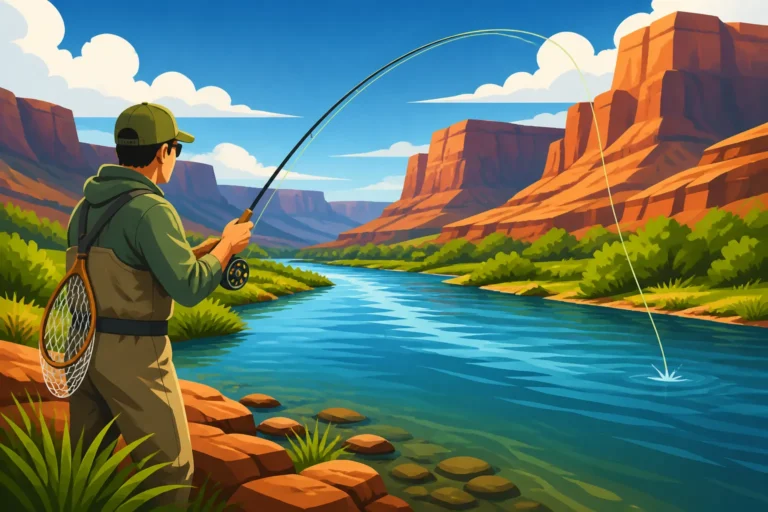
The Middle Provo is a fly angler's paradise, renowned for its consistent hatches and challenging but rewarding dry fly, nymphing, and streamer opportunities. For most of the river, a 9-foot, 4- or 5-weight fly rod is the perfect all-around choice, offering enough backbone for larger trout while maintaining the sensitivity needed for delicate presentations. Pair this with a reliable, weight-forward floating fly line. When it comes to leaders and tippet, longer leaders (9-12 feet) and lighter tippet (5x or 6x) are often necessary for fooling wary wild trout.
Your fly box should be well-stocked to match the prevalent insect life. Midges are a year-round staple, with patterns like the Zebra Midge or Griffith's Gnat being highly effective. Nymphs are often the most productive technique, so carry patterns like the Pheasant Tail, Hare's Ear, Prince Nymph, and various stonefly imitations in different sizes and weights. For specific seasonal insights, knowing What Flies Work Best on the Provo River in Spring? and What Flies Work Best on the Provo River in Fall? can give you a significant advantage. When fish are rising, having a selection of dry flies like PMDs, caddis, and BWO imitations is essential. Don't forget streamers like Woolly Buggers or articulated patterns for targeting aggressive brown trout, especially during higher flows or when trying to entice a trophy. Many anglers find that incorporating some of the Best Nymph Patterns for Utah Tailwaters into their routine on the Middle Provo often leads to greater success.
Spin Fishing Alternatives
While fly fishing tends to dominate the narrative on the Middle Provo, spin fishing can absolutely be effective, particularly in the sections where bait and lures are permitted, or for anglers less experienced with a fly rod. The key is to downsize your tackle. An ultralight or light action spinning rod, around 6 to 7 feet in length, paired with a small, smooth spinning reel spooled with 4- to 6-pound test monofilament or fluorocarbon line, is ideal. Heavy gear will spook these river-wise trout.
For lures, think small and subtle. Tiny inline spinners from brands like Mepps, Panther Martin, or Rooster Tail in sizes #0 or #1, with natural or dark colors, can be incredibly effective. Small spoons, like Kastmasters or Little Cleos, also work well when cast upstream and allowed to tumble naturally with the current. Micro jigs tipped with a small piece of PowerBait (again, verify regulations for bait use in your specific section!) or a tiny soft plastic grub can also produce bites, especially in deeper pools. The technique is often to cast upstream or quarter-upstream and retrieve just fast enough to get your lure working, mimicking a natural drift. Always aim for a natural presentation, and remember to check the regulations for the specific section you're fishing, as many parts of the Middle Provo are restricted to artificial flies and lures only. For more general spin fishing ideas, refer to our Best Lures for a Utah Tackle Box guide.
| Access Point | Primary Technique | Fish Species | Key Features & Tips | Best For |
|---|---|---|---|---|
| Vivian Park | Fly, Spin | Rainbow, Brown Trout | Easy parking, restrooms, picnic areas. Can be crowded. Deeper pools. | Families, beginners, comfort seekers |
| Legacy Trail (Various Pull-offs) | Fly (Wading) | Brown, Rainbow Trout | Miles of walk-in access, less crowded further you hike. Varied water. | Dedicated waders, solitude seekers, experienced fly anglers |
| Deer Creek State Park Inlet | Fly, Spin | Rainbow, Brown, Smallmouth | State park amenities, boat ramps. Confluence of river/reservoir. Migratory fish. | Mixed technique anglers, those with small boats/float tubes |
| Charleston Bridge | Fly (Wading) | Brown, Rainbow Trout | Downstream from Vivian, good walk-in. Pocket water and runs. | Intermediate fly anglers, active waders |
Seasonal Considerations for Fishing the Middle Provo
The Middle Provo River offers year-round fishing opportunities, a testament to its consistent tailwater flows. However, each season brings its own set of challenges and rewards, dictating different strategies and techniques. Understanding these seasonal shifts is key to maximizing your success and enjoyment on the water.
Spring Runoff and Early Summer
Spring on the Middle Provo can be a bit of a rollercoaster. As the snowpack melts in the surrounding mountains, river levels typically rise, and the water can become off-color due to runoff. This period, generally from late April through early June, is known as "runoff season," and it can make fishing challenging. How Runoff Affects Utah River Fishing explains the dynamics well. During these high-water periods, fish tend to hold in slower, deeper pockets, eddies, and along the banks where the current isn't as strong. This is an excellent time to use heavier nymph rigs to get your flies down quickly or to swing large streamers that imitate baitfish or sculpins, which are more visible in turbid water.
As runoff subsides, usually by mid-June, the river clarity improves, and insect activity explodes. This transition into early summer marks one of the most productive times on the Provo. Prolific hatches of caddisflies, PMDs (Pale Morning Duns), and Green Drakes can bring large numbers of trout to the surface, offering spectacular dry fly fishing opportunities. Anglers should be ready with matching imitations and be prepared for some fast-paced action. The consistent flows from Jordanelle mean the river avoids the extreme low-water stress sometimes seen on freestone rivers later in summer, keeping trout active and willing to feed.
Fall Spawning and Winter Opportunities
Fall on the Middle Provo is nothing short of spectacular, both in terms of scenery and fishing. As the leaves turn vibrant shades of red and gold, the brown trout begin their annual spawning ritual. During this time, male brown trout become incredibly aggressive, protecting their redds (spawning beds) and feeding heavily to build energy. This presents opportunities for trophy-sized fish, especially with streamer patterns that mimic smaller fish or even egg patterns. However, it's crucial to exercise extreme caution and ethical responsibility: avoid wading on or disturbing redds, which appear as clean, gravelly depressions in the riverbed. Give spawning fish their space and target those actively feeding in deeper runs away from the spawning areas. This period, typically from late September through November, can yield some of the largest fish of the year.
Winter fishing on the Middle Provo is a serene and often surprisingly productive experience. Thanks to its tailwater nature, the river rarely freezes over completely, and the water temperatures remain stable, making it a viable fishery even when other waters are locked in ice. The crowds thin out dramatically, offering a peaceful solitude that's hard to find during warmer months. Trout remain active, feeding primarily on midges and small nymphs in slower runs and deeper pools. Ultra-fine tippets and tiny midge patterns (like size 20-24) are often the keys to success. Indicators are still useful, but sometimes a subtle tight-line nymphing approach can be even more effective. While the bites can be delicate, landing a beautiful brown trout against a snowy backdrop is an unforgettable experience. This river really shines for year-round angling, making it a truly special place to fish in Utah, regardless of the season. To learn more about when to fish specific species throughout the state, check out our guide on the Best Time of Year to Fish in Utah.
Beyond the River: Nearby Amenities and Resources
A successful fishing trip isn't just about what happens on the water; it's also about the resources and amenities available off the water. The Middle Provo River's convenient location in Utah makes it accessible to a wealth of services that can enhance your angling experience, from expert guidance to comfortable lodging.
Local Outfitters and Guides
For those new to the Middle Provo, or even seasoned anglers looking to refine their skills and unlock new secrets of the river, hiring a local fishing guide can be an invaluable investment. These professionals possess intimate knowledge of the river's ever-changing conditions, the most effective techniques, and where the fish are holding at any given time. A guide can help you understand the subtle nuances of How to Fly Fish the Provo River, teach you how to "read" the water, and ensure you're using the right flies or lures for current conditions. Many local fly shops in Provo and Heber City offer guided trips and can also provide up-to-the-minute reports on hatches and water flows. For those looking for an immersive experience or wanting to master specific techniques, consider booking a guided trip through services like FishingBooker, which can connect you with experienced, local guides who specialize in the Provo River. It's a fantastic way to quickly get up to speed and significantly increase your chances of a memorable day on the water. FishingBooker is a great resource for finding reputable guides.
Nearby Lodging and Dining
The Middle Provo River's location is incredibly convenient, with a range of options for lodging and dining nearby. The cities of Provo and Heber City are just a short drive away, offering everything from budget-friendly motels to upscale hotels and charming bed and breakfasts. Whether you prefer the convenience of a hotel with a hot breakfast or a cozy cabin tucked away, you'll find something to suit your taste and budget. Many establishments are accustomed to hosting anglers and might even offer early breakfast options. For dining, both Provo and Heber City boast a diverse culinary scene, with options ranging from casual diners serving hearty meals perfect after a long day on the river, to fine dining establishments for a celebratory evening. If you're looking for a more rustic experience, Deer Creek State Park, located right on the river at its confluence with Deer Creek Reservoir, offers camping facilities, allowing you to stay close to the action and wake up to the sounds of the river. Having these amenities close at hand means you can spend more time focusing on your fishing and less time worrying about logistics.
Disclaimer
Please note that fishing regulations, conditions, and access points can change. Always consult the most current Utah Fishing Guidebook published by the Utah Division of Wildlife Resources (DWR) before planning your trip. This guide is for informational purposes only and does not constitute legal advice or an endorsement of specific products or services. Fish responsibly and safely.