Why Lake Trout Are Called Mackinaw in Utah
Lake trout and Mackinaw trout are the exact same fish species sharing the scientific name Salvelinus namaycush in western waters.
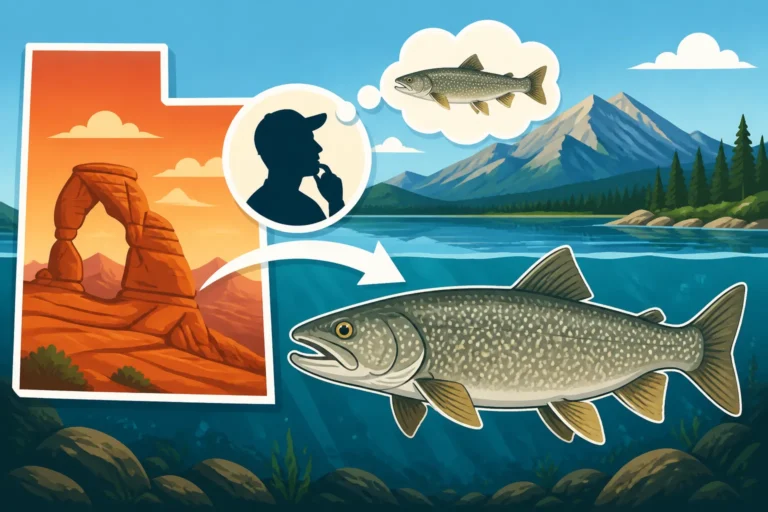
Lake trout and Mackinaw trout are the exact same fish species sharing the scientific name Salvelinus namaycush in western waters.
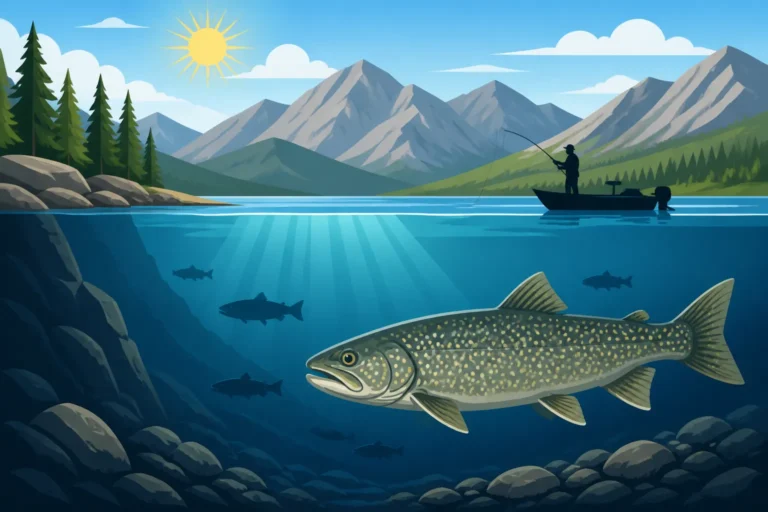
Lake trout in Utah reservoirs retreat to 45 to 55 degree water during summer due to thermal stratification and dissolved oxygen levels.
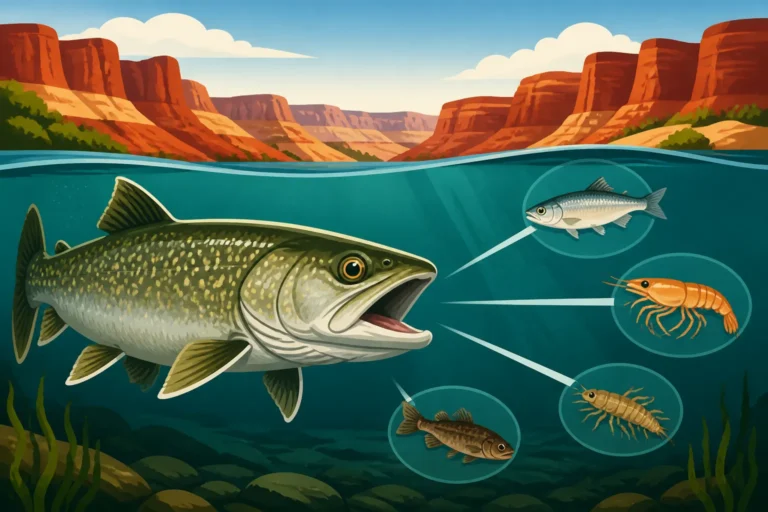
Flaming Gorge lake trout eat cisco, kokanee salmon, sculpins, chubs, and crayfish to fuel growth into massive trophy sizes.
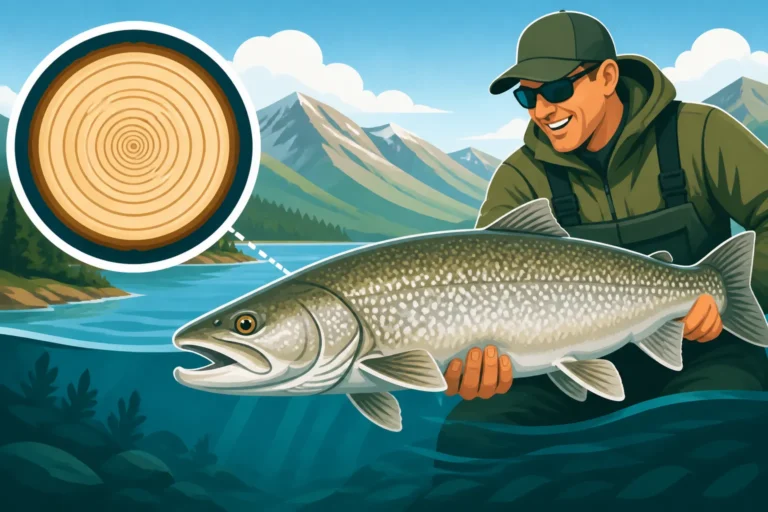
Fifty-pound lake trout in Flaming Gorge Reservoir achieve their massive size through decades of cold-water survival and abundant food.

Sidney Celek landed the Utah state record lake trout weighing fifty-seven pounds and eight ounces at Flaming Gorge in 1982.
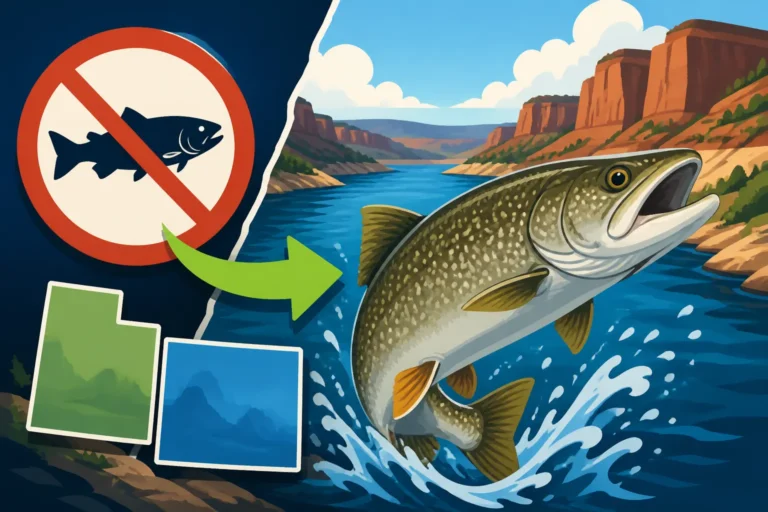
Utah and Wyoming wildlife agencies removed lake trout limits at Flaming Gorge to control smaller fish overpopulation and restore ecological balance.

Flaming Gorge Kokanee salmon population declines are explained by ecosystem changes and the delicate life cycle of these landlocked fish.
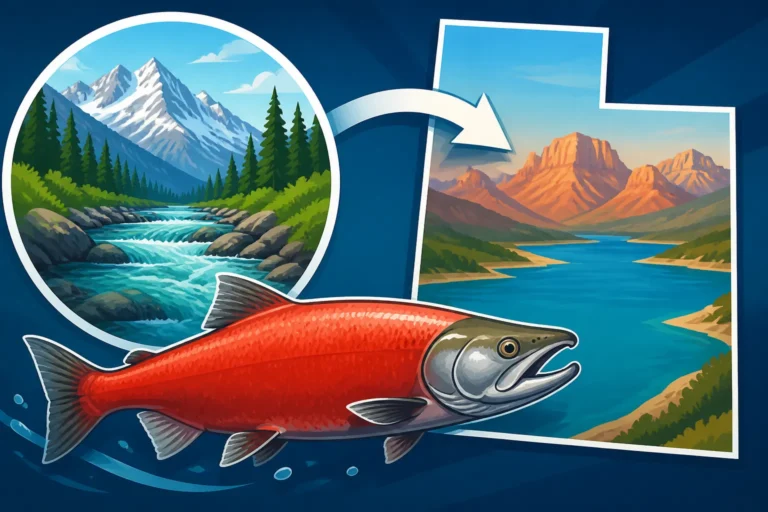
Utah kokanee salmon originate from the Pacific Northwest, tracing back to ancestral landlocked sockeye populations in lakes.
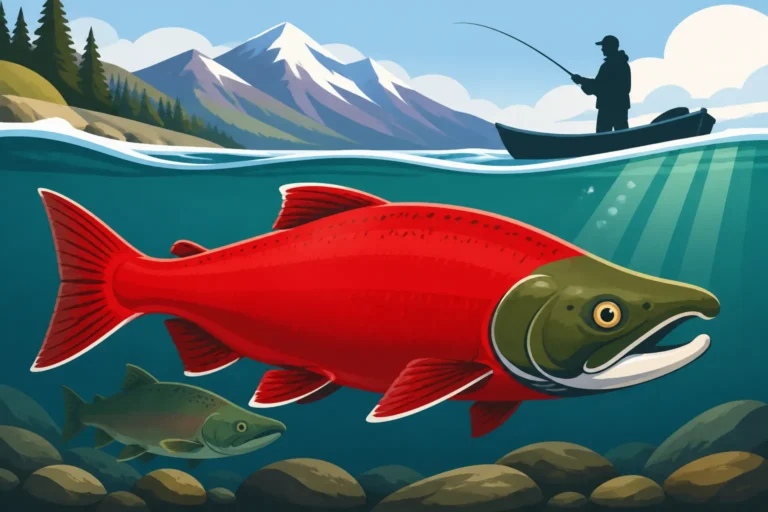
Utah Kokanee salmon turn brilliant red before spawning due to hormonal shifts and redirected carotenoid pigments in their skin.
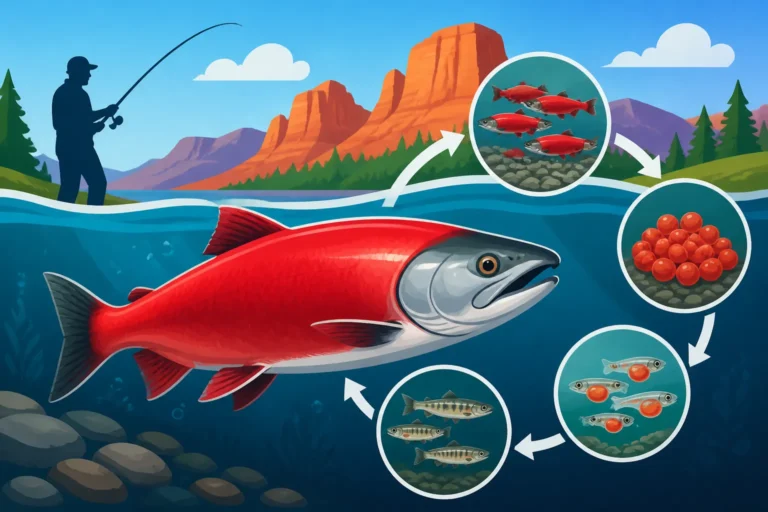
Utah Kokanee salmon live three to five years, spawning once in a single reproductive cycle before dying in their third or fourth year.