Kokanee Salmon Lifespan in Utah
It’s easy to look out across a stunning Utah reservoir, seeing those flashes of silver, and wonder just how long these beautiful fish get to enjoy these pristine waters. For many anglers, there’s a common curiosity, even a bit of wistful thinking, about the journey a fish takes from a tiny egg to a sizable catch. This guide will dive deep into the fascinating, albeit brief, life of Kokanee salmon in Utah, helping you understand their unique biological clock and what it means for our fishing experiences.
The Distinctive Lifecycle of Utah's Kokanee Salmon
Kokanee salmon are a truly special fish in Utah’s waters, and understanding their lifespan means understanding their entire existence. Unlike some other salmon species that can make multiple spawning runs, Kokanee live out a solitary, often dramatic, single reproductive cycle. This biological imperative dictates almost every aspect of their time in our reservoirs.
Semelparity: The One-Time Spawners
The most defining characteristic of Kokanee salmon is that they are semelparous. This simply means they reproduce once and then they die. It’s a full-throttle, all-in approach to life, where every ounce of energy and resource is directed towards that single, momentous act of perpetuating their species. Think of it as a final, glorious sprint after a marathon.
From the moment a Kokanee hatches, its biological clock is ticking towards that ultimate spawning event. They spend their juvenile and adult lives growing, feeding, and maturing, all while conserving and building the energy reserves needed for that one monumental push. This isn't just a quirk; it's a fundamental part of their evolutionary strategy, ensuring that the next generation has the best possible start. It’s a harsh reality, but it ensures a strong genetic legacy.
The Typical Age at Spawning and Death
In Utah, most Kokanee salmon reach maturity and undertake their spawning run in their third or fourth year of life. Occasionally, you might encounter a fish that is a bit older, perhaps pushing into its fifth year, but this is less common. So, when you’re talking about the Kokanee Salmon Lifespan in Utah, you're generally looking at a range of about three to five years, with the vast majority falling squarely into that three to four-year window.
This relatively short lifespan is directly tied to their semelparous nature. Once they embark on their spawning journey, often in the late summer or fall, their bodies undergo incredible transformations. They stop feeding, their digestive systems begin to shut down, and all their remaining energy is poured into developing eggs or milt and making that arduous journey to their spawning grounds. They literally sacrifice their bodies for the future of their kind, making every single one of those years count.
Environmental and Biological Factors Shaping Kokanee Lifespan
While the semelparous nature sets the ultimate ceiling on a Kokanee's life, several other factors play crucial roles in how long an individual fish actually lives within that three to five-year window, and how successful they are during their brief existence. It's a complex interplay of nature's forces.
Water Quality and Habitat Health
The health of the aquatic environment is paramount for Kokanee salmon. They thrive in cold, clear, well-oxygenated water, often found in deep, oligotrophic (nutrient-poor) reservoirs. Issues like pollution, sedimentation, or rapid temperature fluctuations can stress these fish, making them more susceptible to disease and reducing their growth rates, which in turn can indirectly impact their ability to reach peak spawning condition. A fish that is constantly struggling in subpar conditions might not survive long enough to spawn, or its offspring might be weaker.
Consider a reservoir with consistent water levels and a stable food base, versus one that experiences significant drawdowns or sudden influxes of warm, turbid water. The Kokanee in the more stable environment will generally be healthier, grow faster, and have a better chance of completing their lifecycle. These environmental factors are critical, not just for survival, but for ensuring a robust population. Anglers often keep a close eye on these conditions, as they impact fishing success and the overall health of the fishery.
Food Availability and Growth Rates
Like all living creatures, Kokanee salmon need ample food to grow and thrive. Their primary diet consists of zooplankton, tiny crustaceans that float in the water column. The abundance and species composition of zooplankton can vary greatly between reservoirs and even within a single reservoir throughout the year. If food is scarce, Kokanee will grow more slowly, reaching sexual maturity later, or they might not accumulate enough energy to survive the rigors of the spawning migration.
Reservoirs with a healthy zooplankton population allow Kokanee to pack on the pounds and develop properly. This means larger, healthier fish by the time they are ready to spawn, which in turn leads to more eggs and a better chance of successful reproduction. This is why fisheries biologists carefully monitor the food web; a healthy zooplankton population is a sign of a healthy Kokanee fishery. Understanding this dynamic helps explain Why Flaming Gorge Kokanee Populations Are Declining in some areas if their food source is impacted. You can find gear for monitoring water conditions or even basic fish finders on sites like Amazon that can sometimes give you clues about these ecosystems, though direct zooplankton counting is a more scientific endeavor.
Predation and Fishing Pressure
During their relatively short lives, Kokanee salmon face numerous threats. Natural predators like lake trout, brown trout, and even some birds and mammals prey on Kokanee at various stages of their life. For instance, a large Mackinaw in Flaming Gorge isn't going to turn down a healthy Kokanee. When discussing Mackinaw (Lake Trout) Size Records in Utah, it's clear these large predators need a substantial food source, and Kokanee often fit the bill.
Additionally, fishing pressure plays a role. While regulated by specific daily limits and seasons, anglers harvest a significant number of Kokanee, especially when they are actively feeding or staging for their spawn. Regulations are designed to balance harvest with the need to ensure enough fish make it to spawn, thus maintaining a healthy population. Understanding when these fish are most vulnerable, such as during their pre-spawn aggregations, is key for anglers and managers alike. You can learn more about specific angling approaches in How to Troll for Kokanee in Utah.
The Spawning Journey: A Final, Fateful Act
The culmination of a Kokanee salmon's life is its spawning journey. This is a dramatic and visually striking event that captures the essence of their short, purposeful existence. It's a time of immense physical change and an incredible display of nature's determination.
Physical Transformation and Migration
As the spawning season approaches, usually late summer or early fall, Kokanee undergo a remarkable physical transformation. Their silvery bodies begin to change, often developing a vibrant, deep red coloration, especially the males. Their jaws may hook, and a prominent hump can form on their backs. Their digestive systems, as mentioned, largely shut down, and they stop feeding. This transformation signals that all remaining energy is being redirected towards reproduction. This is Why Kokanee Salmon Turn Red Before They Die is such a common question.
They then begin their migration, often swimming upstream into rivers or tributaries that feed the reservoirs, or to shallow rocky shoals within the reservoirs themselves. This journey is incredibly taxing. They fight currents, navigate obstacles, and rely solely on the fat reserves they've accumulated over the past few years. This relentless drive to reproduce is so strong that they will often push themselves to the absolute limit.
Nest Building and Reproduction
Once on the spawning grounds, the females select suitable areas, often gravelly bottoms in moving water, to dig their nests (redds) using their tails. They deposit their eggs, which are then fertilized by the males. After the eggs are laid and covered, the exhausted adults have fulfilled their life's purpose. Their bodies, already weakened by the long journey and the energy expenditure of spawning, rapidly deteriorate.
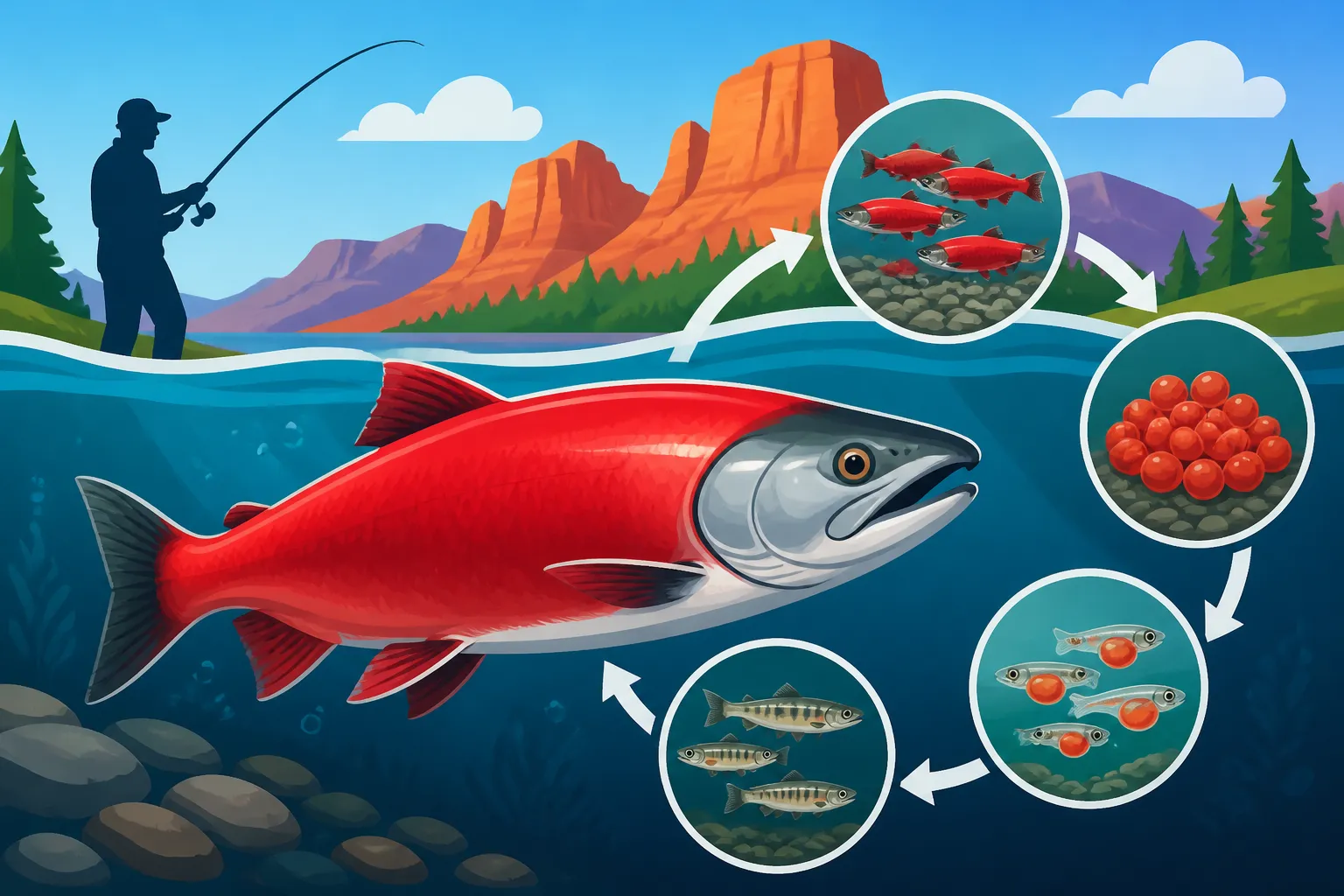
Within days to a couple of weeks after spawning, the Kokanee salmon die. Their spent bodies become food for other animals in the ecosystem, returning nutrients to the very waters that sustained them. It's a complete cycle of life and death, an ultimate sacrifice that ensures the continuation of the species. This cyclical nature is a powerful lesson in the rhythms of the wild, and it's why understanding Kokanee Salmon Life Cycle in Utah is so important for those who appreciate these fish.
Angling and Conservation in Light of Kokanee Lifespan
For anglers, understanding the Kokanee salmon's lifespan and unique biology profoundly impacts how we approach fishing for them and how we contribute to their conservation. It's about respecting their journey and ensuring their populations remain healthy.
Seasonal Fishing Opportunities
Because Kokanee have a fixed spawning window and die shortly after, their fishing seasons are often carefully managed to allow sufficient numbers of fish to reproduce. Often, the best fishing for Kokanee occurs in the months leading up to their spawn, when they are actively feeding and bulking up. As they begin their physical transformation and migration, they become less interested in food and more focused on their biological imperative. This can mean changes in where you find them and what lures might entice them. You can delve into more detail on specific timing in Best Month to Catch Kokanee in Utah.
For many reservoirs, there might be Strawberry Reservoir Seasonal Closure Dates or similar regulations to protect spawning aggregations. These closures are put in place to give these fish a chance to complete their final act without additional pressure. Respecting these regulations is vital for the health of the Kokanee population. Knowing their life cycle helps us appreciate why these seasons exist and why adhering to them is so crucial.
| Life Stage | Typical Duration in Utah | Key Activities | Notes |
|---|---|---|---|
| Egg Incubation | 1-3 months | Development in gravel redds | Dependent on water temperature; colder means longer |
| Alevin/Fry | Weeks to a few months | Hatch from egg, absorb yolk sac, emerge from gravel | Vulnerable stage, learning to feed |
| Juvenile/Adult | 2-4 years | Feeding, growing, maturing in reservoir | Main growth phase, accumulation of energy for spawn |
| Pre-Spawn | 1-2 months | Physical transformation, migration begins | Body coloration changes, stop feeding, highly active migration |
| Spawning | 1-2 weeks | Nest building, egg laying, fertilization | Intensive, energy-draining activity, ultimate life purpose fulfilled |
| Post-Spawn/Death | Days to 2 weeks | Rapid deterioration, death | Natural end of the semelparous life cycle |
Conservation and Ethical Angling
Understanding that every Kokanee salmon you encounter has a limited, purposeful life ahead of it fosters a deeper sense of stewardship. When you catch a Kokanee, especially a mature one in its third or fourth year, you are holding a fish that is likely nearing the end of its natural journey. If you're planning to keep fish for the table, ensure you're aware of and abide by all current daily bag and possession limits. If you intend to release, handling the fish carefully is paramount, especially as they get closer to spawning when their bodies are already under significant stress. Look for items like specialized rubberized landing nets on Amazon that are gentler on fish scales and slime coats.
The effort Utah's wildlife agencies put into managing Kokanee fisheries, including stocking efforts and habitat protection, is directly related to this unique life cycle. They are working to ensure that each generation has the best chance to grow, mature, and successfully reproduce. As anglers, our role is to support these efforts through responsible fishing practices, proper licensing as detailed in the Utah Fishing License Guide, and an appreciation for the fish's full, albeit short, journey.
Knowing that Kokanee salmon live a relatively short, but incredibly intense life, culminating in a single act of reproduction, adds another layer of appreciation to every catch. It's a reminder of the amazing processes at work in our natural world and why we cherish our time on Utah's waters.
Disclaimer
This article is for general informational purposes only and does not constitute professional advice. Laws, prices and regulations vary by location and change over time. Consult a qualified professional for guidance on your specific situation.