Why Kokanee Salmon Turn Red Before They Die
It's truly one of nature's most dramatic displays, isn't it? You're out fishing a beautiful Utah reservoir, and suddenly, you see these vibrant, almost neon red fish, a stark contrast to the silvery flashes you're used to. It makes you wonder what on earth is going on! This guide is going to pull back the curtain on that incredible transformation, explaining exactly why Kokanee salmon in Utah – and elsewhere – undergo such a spectacular color change right before their final act.
The Life Cycle of Utah's Kokanee Salmon: A Journey of Silver and Sacrifice
Before we dive into the brilliant crimson, let's understand the life of a Kokanee salmon. Many anglers are familiar with the anadromous sockeye salmon that migrate from the ocean to spawn in freshwater rivers. Our Utah Kokanee are essentially landlocked sockeye, meaning they live their entire lives in freshwater lakes and reservoirs. They’re a fantastic sport fish, prized for their feisty fight and delicate meat, and they add a unique dynamic to many of our favorite waters, like Strawberry Reservoir and Flaming Gorge.
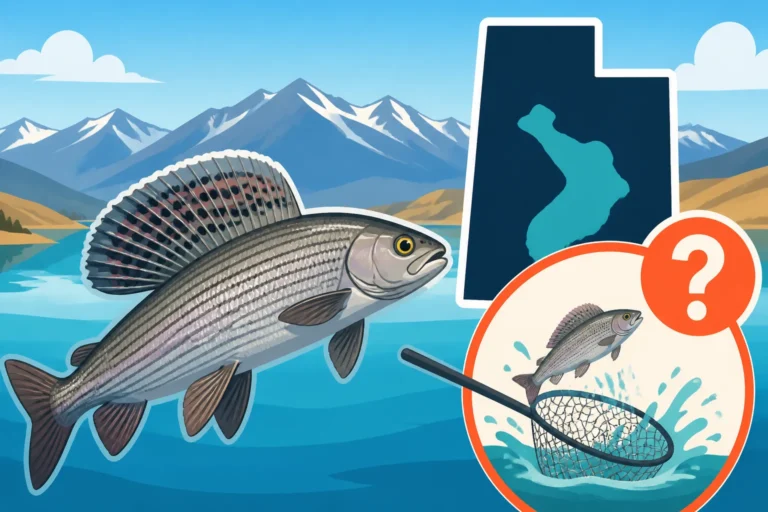
For most of their lives, these fish are a shimmering, metallic silver. This coloration serves them well, helping them blend into the open water and evade predators like lake trout, which are a major concern in some of the larger, deeper lakes. During this phase, they are actively feeding, growing, and building up reserves. They're darting through the water, often in schools, chasing zooplankton and small invertebrates. If you're out there trolling for them in the spring or summer, you're usually targeting these vibrant silver fish. They're strong, healthy, and focused on sustenance and survival.
Their journey typically spans about three to four years, a relatively short but intense lifespan. During this time, they’re navigating the intricate food webs of their lake environments, constantly foraging and avoiding being prey themselves. It's a period of steady growth, where their energy is primarily invested in building body mass and storing fat. This energy storage is crucial because, as we'll soon discover, their final act will demand every ounce of it. You can learn more about their entire progression by checking out Kokanee Salmon Life Cycle in Utah.
The Vivid Transformation: Why They Turn Red
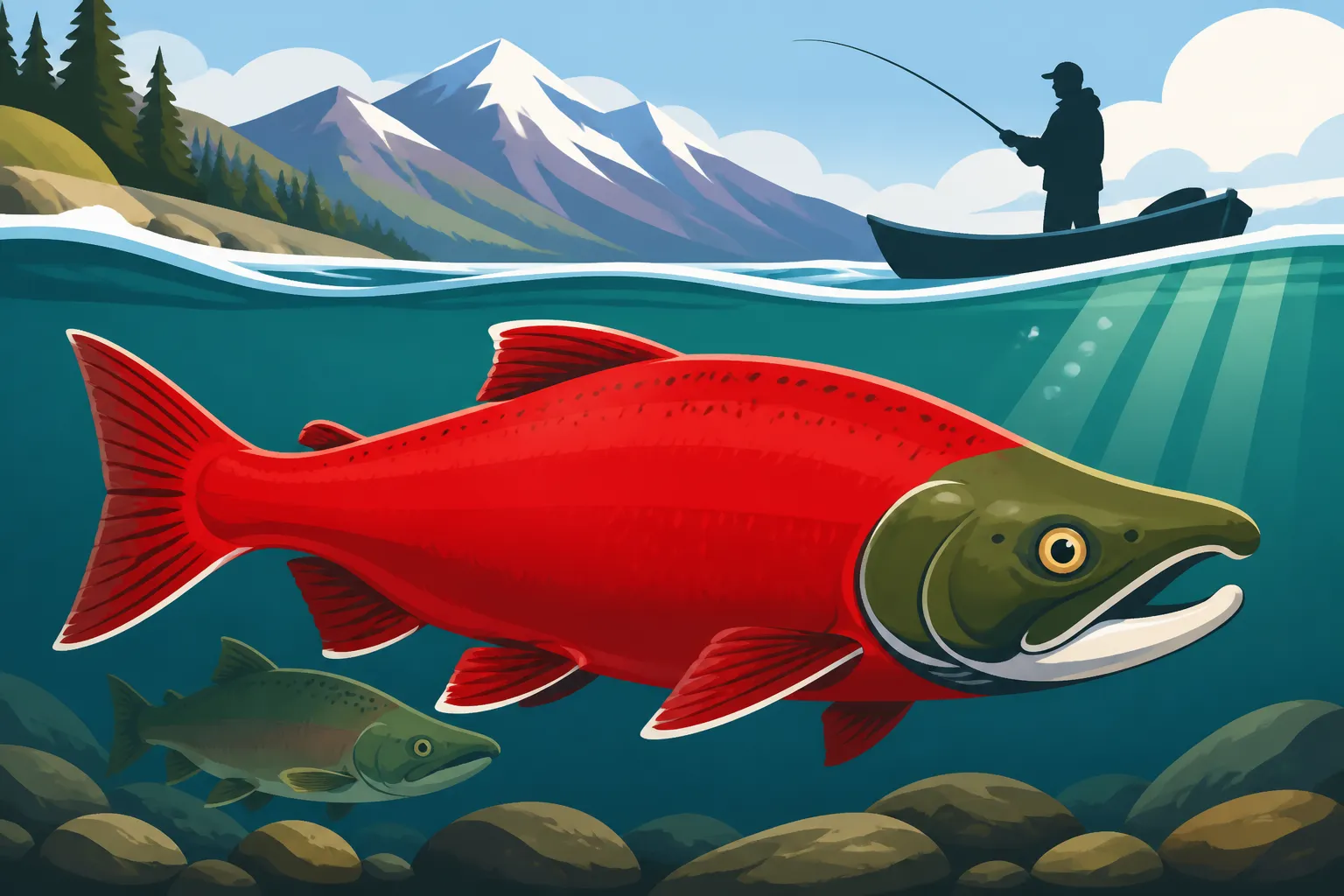
The sudden, dramatic shift from silver to a brilliant, fiery red isn't just for show; it's a profound biological signal, a visual announcement that their most important life mission is about to begin. This striking coloration is a tell-tale sign that the Kokanee are preparing to spawn. It's a fascinating, but ultimately terminal, phase of their Kokanee Salmon Lifespan in Utah.
Hormonal Shifts and Pigment Power
The primary driver behind this stunning color change is a surge in hormones, particularly sex hormones, as the fish mature and their bodies shift into reproductive mode. These hormones trigger a cascade of physiological changes. One of the most noticeable is the mobilization of pigments. Kokanee, like their sockeye relatives, consume vast amounts of zooplankton and small crustaceans that contain carotenoid pigments, most notably astaxanthin. For much of their lives, these pigments are stored in their tissues, often in their flesh, which is why Kokanee have that characteristic orange-red meat.
As spawning approaches, these carotenoids are redirected. Instead of remaining in the flesh or being used for general metabolism, they are shunted to the skin. It's like their body is taking all its stored orange and red paint and applying it to the outside. The intensity of the red can vary, from a deep rust to a bright, almost iridescent scarlet, depending on the individual fish, its diet, and the specific stage of its spawning cycle. This color is not just aesthetic; it’s a crucial component of sexual selection, signaling vitality and readiness to prospective mates.
Muscle Degeneration and Energy Allocation
Accompanying the color change are other significant physiological transformations. As the fish cease feeding and begin their upstream migration or move into shallow spawning grounds, their bodies start to reallocate energy. Muscles that were once used for fast swimming and feeding begin to degenerate. Instead of metabolizing food for energy, they rely almost entirely on their stored fat and protein reserves.
This massive internal energy redistribution leads to a breakdown of muscle tissue, which further contributes to the color change and other physical alterations. Their immune systems also weaken significantly, making them more susceptible to disease and injury. It's a full-body commitment to reproduction, where every available resource is funneled into the production of eggs and sperm. They are literally sacrificing their own bodies for the next generation, a truly profound and somewhat melancholic aspect of their life cycle. If you're planning on fishing during these times, especially as they begin their run, you might want to check out robust fishing line options on Amazon to handle their strong initial fight before their energy wanes.
The Spawning Act: More Than Just Color
The crimson coat is just one part of the dramatic pre-spawning display. As the Kokanee transform, their bodies undergo further significant changes, both physical and behavioral, all orchestrated by the intense drive to reproduce. This isn't just about looking good; it's about being ready for the grueling task of spawning.
Physical Metamorphosis
Males develop distinct characteristics that make them almost unrecognizable from their silver counterparts. Their jaws become elongated and hook-shaped, often referred to as a "kype," and their backs develop a pronounced hump. These features are used in competitive displays with other males, signaling dominance and strength during the intense jockeying for females. Females, while also turning red, don't develop the kype or pronounced hump, but their bodies become distended with thousands of eggs.
Both sexes' skin thickens, becoming rougher and more leathery, offering a bit more protection during the physically demanding process of fighting for spawning territory and digging redds (nests). Their fins, particularly the caudal fin (tail), can become frayed and worn from the constant effort of migration and nest construction. It's a rough business, and their bodies are designed to take a beating during this final phase. You'll definitely want a good pair of polarized sunglasses, available on Amazon, if you're trying to spot them in the clear waters of their spawning grounds.
The Instinctive Drive to Reproduce
Once the color change is complete and the physical alterations are underway, the Kokanee’s entire focus shifts to reproduction. They stop feeding altogether. Their digestive systems begin to shut down, and their drive to eat is replaced by an overwhelming urge to spawn. This is why targeting red Kokanee for consumption is generally discouraged; their flesh is deteriorating, and they no longer have that firm, tasty quality of a healthy, actively feeding fish. The fish are often caught by snagging rather than traditional lure or bait fishing, which is why specific regulations exist regarding this practice.
Males will fiercely defend their chosen spawning areas, often engaging in aggressive pushes and bites with rival males. Females will meticulously select a spot, usually a gravelly area in a tributary stream or along a shallow, wave-washed shoreline, where they will use their tails to fan out a depression, or redd. After depositing her eggs, which are then fertilized by one or more males, she will cover them with gravel. This exhausting process can be repeated several times over a period of days. Once spawning is complete, typically within a few days to a couple of weeks after turning red, the fish, having expended all their energy and reserves, will succumb to exhaustion and die. It's a truly remarkable and poignant end to their journey. This is a good time to remember how important it is to respect the fish and their spawning grounds, something vital for Utah Fishing Regulations Explained. If you're unsure How to Tell When Kokanee Are Staging to Spawn, observing these behaviors is a key indicator.
Where and When to Witness This Phenomenon in Utah
Witnessing the Kokanee salmon run is a truly special experience, a testament to the raw power of nature's cycles. In Utah, we're fortunate to have several prime locations where you can observe these crimson warriors as they make their final journey.
Prime Utah Kokanee Spawning Grounds
One of the most famous and accessible spots is the Strawberry River and its tributaries, which feed into Strawberry Reservoir. During the peak of the run, the shallow waters of these streams practically glow with the vibrant red of thousands of spawning Kokanee. It's an incredible sight, drawing curious onlookers and wildlife photographers alike. However, it's critical to remember that these are sensitive spawning areas, and regulations are put in place to protect the fish during this vulnerable time. Be sure to check Strawberry Reservoir Seasonal Closure Dates to ensure you're not inadvertently interfering with their critical mission.
Flaming Gorge Reservoir, particularly its tributary streams like Sheep Creek and Carter Creek, also sees significant Kokanee runs. While often a bit more rugged to access, these areas offer another opportunity to witness the spectacle in a breathtaking setting. Other reservoirs with Kokanee populations, such as Jordanelle Reservoir and Causey Reservoir, also have their own spawning areas, though often on a smaller scale. Understanding Where Kokanee Salmon Live in Utah can give you a better idea of where to look.
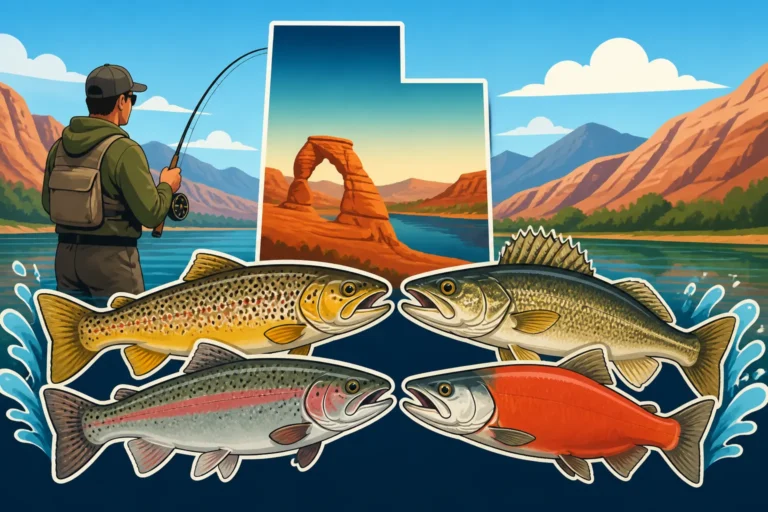
| Feature | Pre-Spawn (Silver) Kokanee | Spawning (Red) Kokanee |
|---|---|---|
| Color | Bright silver, metallic sheen, often with dark spots | Vibrant red, maroon, or rust-colored, often with greenish head |
| Body Shape | Streamlined, sleek, robust | Males: Humped back, hooked jaw (kype); Females: Distended belly |
| Activity | Actively feeding, schooling, open water | Non-feeding, aggressive, focused on reproduction, near stream mouths/shallows |
| Habitat | Deep, open lake waters | Shallow tributary streams, shorelines, gravel beds |
| Flesh Quality | Firm, orange-red, excellent for eating | Soft, pale, deteriorating, generally not consumed |
| Lifespan Stage | Actively growing, accumulating energy reserves | Final life stage, expending all energy for reproduction, nearing death |
Timing is Everything
The timing of the Kokanee run can vary slightly year to year depending on water temperatures and flows, but generally, you can expect to see the reds starting to show up in late summer and early fall. August and September are often prime months, with the peak usually occurring in September or early October. This is when the fish have reached sexual maturity and the days begin to shorten, signaling that it's time for their final journey. For precise timing, it's always a good idea to check with the Utah Division of Wildlife Resources for their latest fishing reports and specific closures or advisories for various waters.
If you plan to observe, remember to do so respectfully. Maintain a good distance, avoid disturbing the fish or their redds, and leave no trace. This incredible natural event is a privilege to witness, and our role is to be responsible spectators. If you're keen on catching them before they turn red and are still actively feeding, understanding Best Month to Catch Kokanee in Utah and researching tactics like How to Troll for Kokanee in Utah will be key. You might also want to look into specialized gear, like the best lures for Kokanee, which you can often find readily available on Amazon, ensuring you're prepared for your outing. Remember, fishing for them once they're red and spawning is typically not recommended due to their condition and regulatory restrictions.
The Broader Implications for Utah's Fisheries
The life cycle of the Kokanee salmon, culminating in their dramatic red transformation and subsequent death, plays a crucial role in the health and ecology of Utah's aquatic ecosystems. While it signifies an end for individual fish, it’s a vital beginning for countless others and for the overall ecosystem. This natural cycle provides a significant nutrient transfer, enriching the very waters that sustain the next generation of fish and other aquatic life.
As the spawned-out salmon decompose, their bodies release valuable marine-derived nutrients back into the ecosystem, essentially fertilizing the streams and lakes. These nutrients become food for microorganisms, aquatic insects, and ultimately, other fish species. This is a natural and essential process that helps to maintain the productivity of these water bodies. It's a reminder that even in death, these fish contribute immensely to the circle of life, ensuring a robust environment for their offspring and other species.
For anglers, understanding this cycle is also crucial for ethical fishing practices. While the vibrant red fish are certainly a sight to behold, they are past their prime for consumption and are engaged in their final, most important task. Respecting seasonal closures and specific regulations, like those sometimes associated with Utah Fishing Season Dates and Limits, helps ensure that future generations of Kokanee continue to thrive. This knowledge elevates our appreciation for these incredible fish, turning a simple fishing trip into a deeper connection with the natural world around us. You can explore a broader range of techniques for healthy fish in the Utah Kokanee Salmon Guide.
Disclaimer
This article is for general informational purposes only and does not constitute professional advice. Laws, prices and regulations vary by location and change over time. Consult a qualified professional for guidance on your specific situation.