Why Lake Trout Are Called Mackinaw in Utah
It's a common moment of confusion for anglers, especially those new to Utah's magnificent cold-water fisheries: you hear folks talking about "Lake Trout," but then someone else casually drops the name "Mackinaw." Are they talking about the same fish? Is it a different species entirely? This can definitely throw you off, making it tough to know what regulations apply or even what gear to buy. This guide is here to clear up that mystery, explaining why Lake Trout are often called Mackinaw in Utah, diving into their unique characteristics, and giving you the lowdown on how to pursue these incredible fish.
The Identity Crisis: Lake Trout vs. Mackinaw
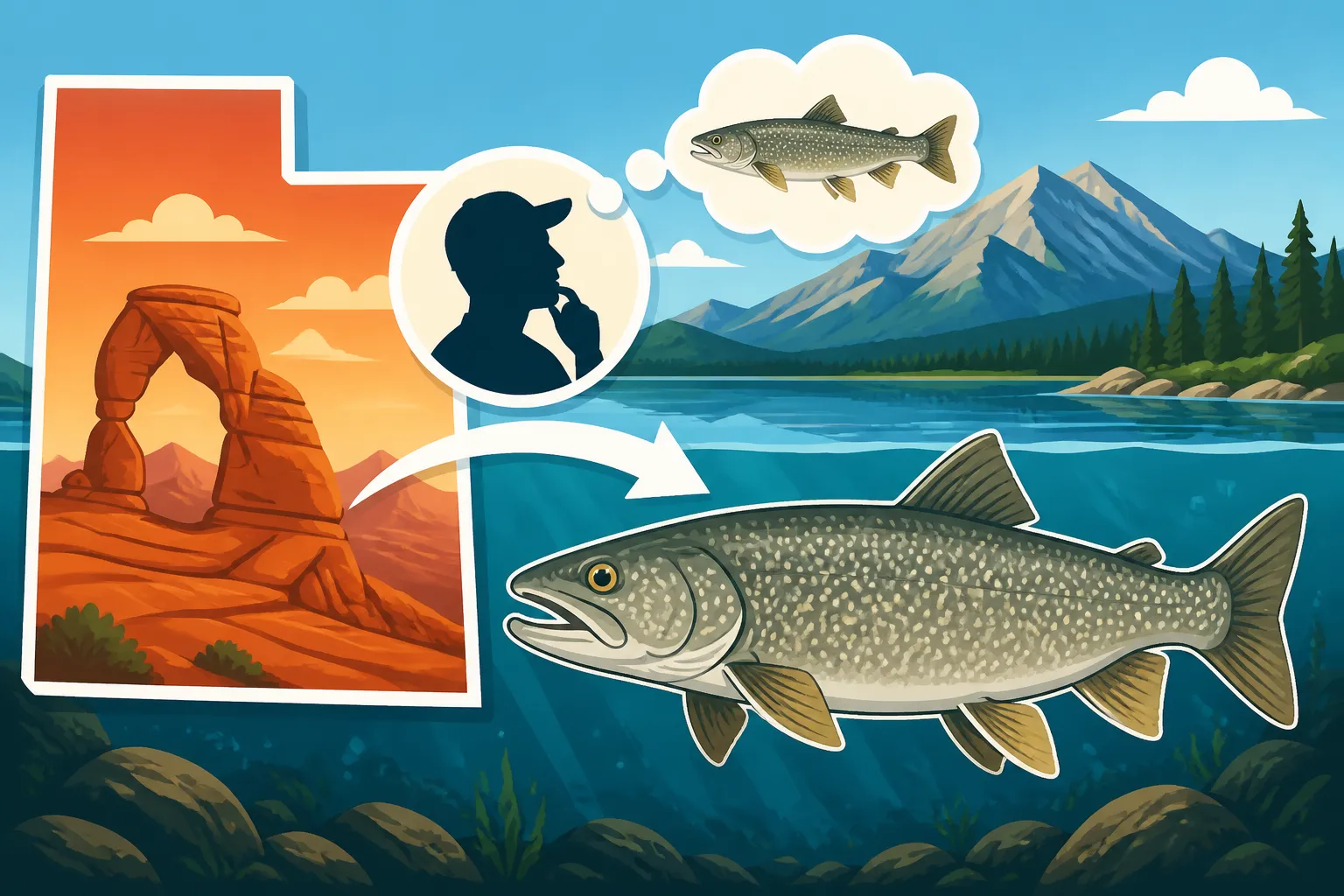
For many, the name "Lake Trout" conjures images of deep, clear northern waters. But here in Utah, especially around our most iconic cold-water reservoirs, you'll hear another name thrown around with equal frequency: "Mackinaw." The truth is, these are two names for the exact same fish, and understanding why can help you navigate conversations and fishing reports with greater confidence.
A Tale of Two Names for One Fish
Let's cut right to the chase: if someone mentions a Lake Trout in Utah, they are talking about the fish scientifically known as Salvelinus namaycush. If they say "Mackinaw," they're still talking about Salvelinus namaycush. It’s a classic case of regional nomenclature, much like how a "soda" in one place is a "pop" in another, or a "tennis shoe" becomes a "sneaker." This fish species simply has multiple common names depending on where you're casting your line. The term "Mackinaw" is particularly prevalent in the western United States, including Utah, Idaho, Wyoming, and parts of California. It's not a different subspecies, nor does it imply a genetic variant; it's just a deeply ingrained local tradition that has stuck around for generations of anglers. So, rest assured, you're not missing out on a secret fish species when you hear the two terms used interchangeably.
Historical Roots of the "Mackinaw" Moniker in Utah
So, why "Mackinaw"? The name is believed to originate from Mackinac Island in Michigan, a prominent location in the Great Lakes region, which is the native range of Salvelinus namaycush. As settlers and anglers moved westward across North America, they often brought their fishing traditions, their knowledge, and their local names for familiar species with them. When Lake Trout were introduced to western waters, often for sport fishing or to fill specific ecological niches in large, deep reservoirs, the name "Mackinaw" traveled along. In Utah, specifically, these fish found ideal conditions in deep, cold impoundments, and the name just took root. It's a testament to the angling heritage that shaped our state's fisheries, linking our modern experiences back to the pioneering efforts and regional dialects of generations past. The popularity of the name in major trophy fisheries like Flaming Gorge only solidified its place in Utah's fishing lexicon.
Here's a quick table to help clarify common names you might hear:
| Scientific Name | Common Name (Widespread) | Common Name (Utah/Western) | Description |
|---|---|---|---|
| Salvelinus namaycush | Lake Trout | Mackinaw | Large, predatory char of cold, deep lakes and reservoirs. |
| Oncorhynchus mykiss | Rainbow Trout | Rainbow Trout | Widely stocked, popular sport fish. |
| Salmo trutta | Brown Trout | Brown Trout | Often found in rivers and colder lakes. |
| Salvelinus confluentus | Bull Trout | Bull Trout | Native, protected char species (not in Utah waters currently). |
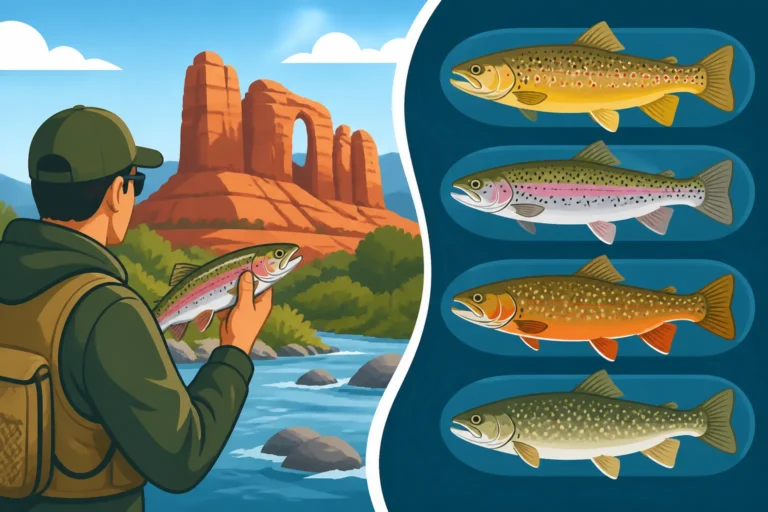
How Many Trout Species Live in Utah offers more insights into the diverse trout family members you might encounter here.
What Makes Utah's "Mackinaw" So Special?
Utah's Mackinaw are more than just a name; they are a formidable sport fish, renowned for their size, their challenging nature, and the deep, cold waters they call home. Understanding their unique traits and preferred habitats is key to appreciating and successfully targeting them.
Characteristics of Utah's Lake Trout (Mackinaw)
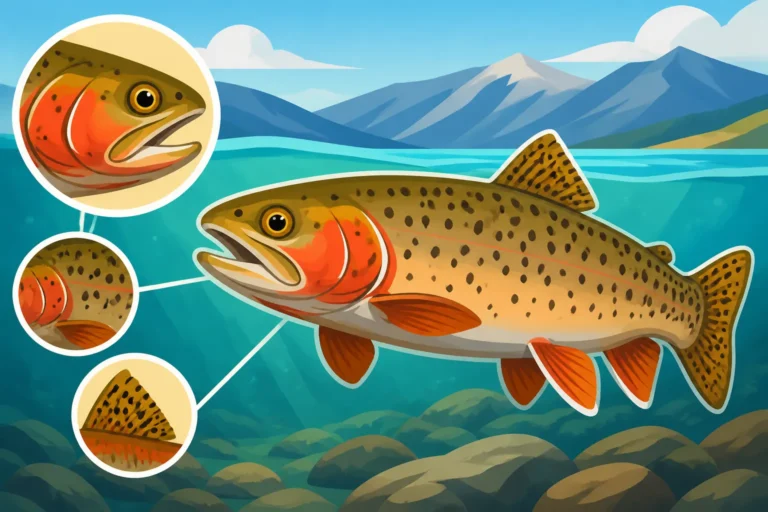
Utah's Mackinaw are true giants of the deep. These fish are characterized by their sleek, torpedo-shaped bodies, typically dark green to gray with distinctive light spots covering their sides and dorsal fin. They have a deeply forked tail, a clear indicator that they are built for speed and endurance in their cold, deep-water environments. What really sets them apart in Utah is their potential for massive size. While a typical keeper might be in the 2-10 pound range, these fish can grow to be truly enormous, often exceeding 20 or even 30 pounds, with some trophy specimens pushing well beyond that. Their diet consists primarily of other fish, making them apex predators in their ecosystems. They thrive in waters that maintain cold temperatures even in the summer, seeking out depths where the water remains consistently chilly, often below 50 degrees Fahrenheit. This means they're usually found in the deepest sections of our larger reservoirs, lurking near underwater structures, drop-offs, and canyon walls. Mackinaw (Lake Trout) Size Records in Utah can give you a real appreciation for just how big these fish can get!
Key Utah Waters Where You'll Find Mackinaw
When you talk about Mackinaw in Utah, one name immediately comes to mind: Flaming Gorge Reservoir. This vast, deep body of water on the Utah-Wyoming border is arguably the premier Mackinaw fishery in the state, if not the entire intermountain West. It's here that anglers routinely pull out trophy-sized Lake Trout, and it holds many of the state's record catches for the species. The deep canyons and abundant forage in Flaming Gorge provide the perfect habitat for these fish to grow to immense proportions.
But Flaming Gorge isn't the only game in town. Bear Lake, straddling the Utah-Idaho border, also holds a significant Mackinaw population, though often in smaller numbers and sizes than Flaming Gorge. It's another deep, cold lake where these fish thrive. Fish Lake, high in Utah's mountains, is another renowned spot for Mackinaw, known for its beautiful scenery and consistent fishing opportunities, often producing good numbers of medium-sized fish. These different waters present unique challenges and rewards for anglers, but all require similar strategies to target these elusive deep-water dwellers. Knowing these key locations is the first step in planning your next Mackinaw adventure. Best Utah Lakes for Trophy Fish provides more information on where to find the biggest specimens.
Fishing for Mackinaw: Tips and Gear
Chasing Mackinaw is not for the faint of heart; it requires patience, specialized gear, and a deep understanding of their habits. But the reward of landing one of these freshwater giants is absolutely worth the effort.
Techniques for Targeting Utah's Lake Trout
Because Mackinaw prefer the cold, deep parts of reservoirs, most successful fishing techniques involve getting your lure down to considerable depths, often 50 to 100 feet or even more, depending on the season and water body.
One of the most popular and effective methods is deep trolling. This involves using downriggers to precisely control the depth of your lure while moving slowly across the water. Anglers often target underwater structure like humps, ledges, and channels. Large spoons, stickbaits, and tube jigs are common choices, often tipped with a piece of bait like a minnow or sucker meat for added attraction. Trolling speeds are typically slow, often between 1.5 to 2.5 miles per hour, to allow the lure to work effectively and entice a strike. Knowing the contours of the lake bottom, often with the aid of a good fish finder, is crucial for success. Utah Trolling Techniques for Lake Trout goes into more detail on how to master this method.
Jigging is another highly effective technique, particularly when Mackinaw are found congregating around specific underwater features or when ice fishing. Large tube jigs, bucktail jigs, or heavy spoons can be dropped to the desired depth and worked with an aggressive lift-and-fall motion to imitate injured prey. This method is particularly engaging as you often feel the strike directly through the rod. When the fish are deep, heavier jigs are necessary to ensure they reach the bottom quickly and stay in the strike zone. During the ice fishing season, jigging remains a primary method, often combined with a flasher to see fish approaching your lure. How to Vertical Jig for Lake Trout Through the Ice offers excellent insights for winter anglers.
Finally, still fishing with bait can also be productive, especially in specific areas or during certain times of the year. This involves anchoring over a known Mackinaw hotspot and presenting a large chunk of cut bait or a whole dead baitfish on the bottom. Heavy weights are necessary to keep the bait in place against currents or thermal layers. This method often requires the most patience but can be highly rewarding, especially for larger, less active fish. Regardless of the technique, monitoring your electronics for signs of fish and understanding the thermocline (the layer where water temperature changes rapidly) is paramount.
Essential Gear for Mackinaw Anglers
To tackle Utah's Mackinaw, you're going to need robust gear that can handle powerful fish and deep-water presentations. Starting with rods and reels, a heavy-action baitcasting or spinning rod, typically 7 to 9 feet long, paired with a high-capacity reel spooled with 20-50 pound test braided line (with a fluorocarbon or monofilament leader), is a good starting point. The braided line offers superior sensitivity and strength, crucial for feeling subtle bites at depth and fighting large fish. When shopping for reliable line or other essentials, a quick browse on Amazon can yield excellent options, often with reviews from fellow anglers.
For trolling, downriggers are almost non-negotiable for consistent success. These devices allow you to run your lures at precise depths, even 100 feet or more below the surface, independent of your boat speed. Consider investing in quality models that offer both stability and ease of use. Lure selection is critical: large tube jigs (3-6 inches), heavy spoons (like Daredevls or Trobys), and deep-diving crankbaits or swimbait imitations of local forage fish are all effective. Having a variety of colors and sizes in your tackle box is wise. Many anglers find great deals on these specialized lures through retailers like Amazon, especially when preparing for a big trip.
When it comes to electronics, a high-quality fish finder with good sonar capabilities is an invaluable tool. Look for units that offer excellent detail for bottom contour, structure, and fish arches, especially in deep water. Features like GPS mapping are also incredibly useful for marking productive spots and navigating large reservoirs like Flaming Gorge. Portable versions are available on Amazon for those who fish from smaller boats or frequently move between spots. Don't forget other essentials like a large, long-handled landing net designed for big fish, a strong set of pliers for hook removal, and a quality cooler to keep your catch fresh. Preparation with the right gear can make all the difference in your Mackinaw fishing success. Utah Fishing Gear Guide offers a comprehensive look at what you need for all types of angling in Utah.
Conservation and Management of Utah's Mackinaw
As powerful and exciting as Mackinaw fishing is, it’s also important to remember our role as stewards of these incredible fisheries. Sustainable practices and careful management are crucial to ensure that future generations can also enjoy the thrill of catching these magnificent fish.
Importance of Sustainable Fishing Practices
Fishing for Mackinaw often means targeting large, mature fish, which are vital for healthy populations. Therefore, practicing sustainable fishing is paramount. This includes understanding and adhering to all local regulations, such as daily bag and possession limits, and any special slot limits that might be in place for specific bodies of water. For example, some lakes might have regulations designed to encourage harvest of smaller Mackinaw to reduce predation on other sportfish, while protecting larger, trophy-sized breeders. When releasing fish, especially large ones, it's crucial to do so quickly and carefully to maximize their survival chances. Minimize their time out of water, handle them gently with wet hands or a wet net, and support their body weight. Avoid squeezing them, particularly around the gills or belly. A good quality release tool, easily found on Amazon, can make hook removal safer for both you and the fish. Understanding these practices helps ensure that the impressive Mackinaw populations in Utah remain robust for years to come. Utah Daily Bag and Possession Limits can help you stay compliant with current regulations.
The Role of the DWR in Managing Lake Trout Populations
The Utah Division of Wildlife Resources (DWR) plays a critical role in the management of Mackinaw populations across the state. Their efforts are multifaceted, involving extensive research, monitoring, and proactive management strategies. One key area of focus is balancing predator-prey relationships, particularly in fisheries like Flaming Gorge, where Mackinaw can have a significant impact on populations of other sport fish, such as Kokanee Salmon. The DWR regularly conducts fish surveys to assess population health, growth rates, and reproductive success. Based on this data, they adjust regulations, sometimes implementing more liberal limits on smaller Lake Trout to manage their numbers and prevent over-predation on forage species, while still protecting the potential for trophy fish.
They also manage stocking programs, although many Mackinaw populations in Utah are now self-sustaining. The DWR works tirelessly to understand the complex dynamics of these deep-water ecosystems, constantly adapting management plans to environmental changes, angler pressure, and the needs of various fish species. Their goal is to maintain vibrant, diverse fisheries that offer quality angling experiences while ensuring ecological balance. Staying informed about DWR updates and regulations, easily accessible via their official website, is a key responsibility for any dedicated Mackinaw angler. Utah Fishing Regulations Explained provides an excellent overview of the legal framework guiding fishing in the state.
Disclaimer
This article is for general informational purposes only and does not constitute professional advice. Laws, prices and regulations vary by location and change over time. Consult a qualified professional for guidance on your specific situation.