What Lake Trout Eat at Flaming Gorge
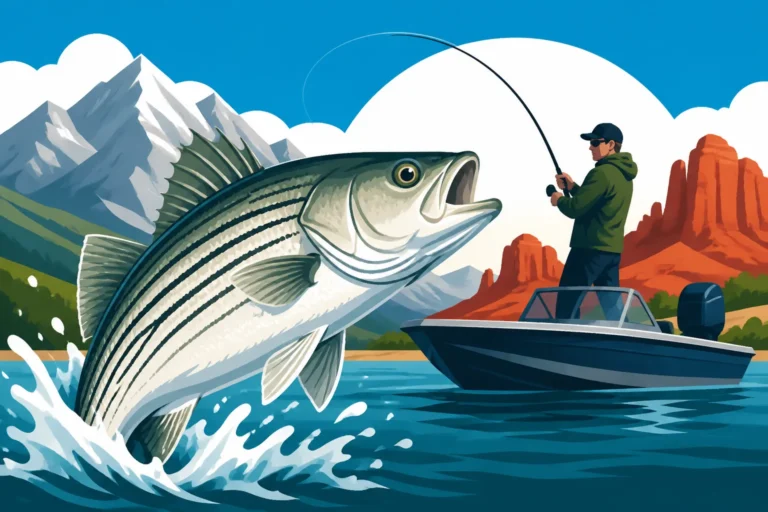
If you've ever stood on the shores of Flaming Gorge, dreaming of landing one of those massive lake trout (or Mackinaw, as we often call them here), a question probably pops into your head: "What exactly are these giants eating down there?" It's a question every serious angler eventually asks, because knowing a fish's diet is like having a secret roadmap to where they'll be and what they'll bite. This guide is going to pull back the curtain on the dinner menu of Flaming Gorge's formidable lake trout, helping you understand their predatory habits and, most importantly, giving you an edge in catching them.
The Core Diet of Flaming Gorge Lake Trout: A Forage-Based System
When we talk about the diet of Flaming Gorge lake trout, we're really talking about a carefully balanced ecosystem where these apex predators rely heavily on smaller, abundant fish species. They don't just eat anything; they're strategists, constantly on the hunt for the most calorically rewarding meals to fuel their immense growth. Understanding this foundation is key to unlocking their patterns.
Primary Forage: The Abundant Cisco and Kokanee Salmon
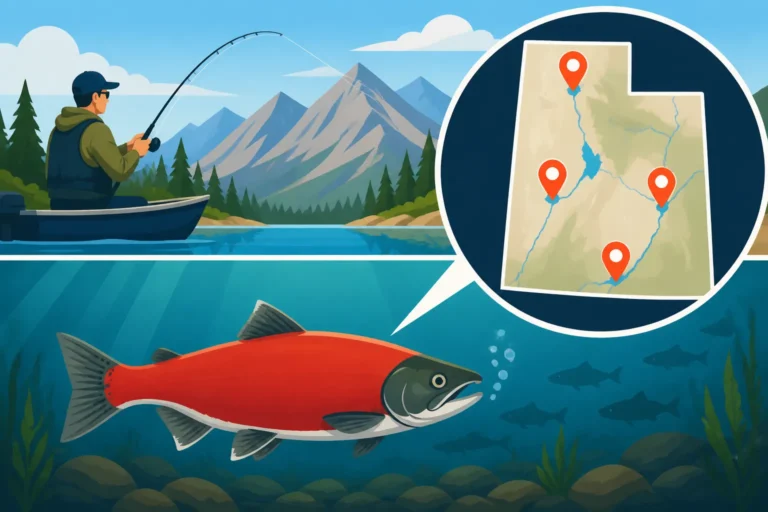
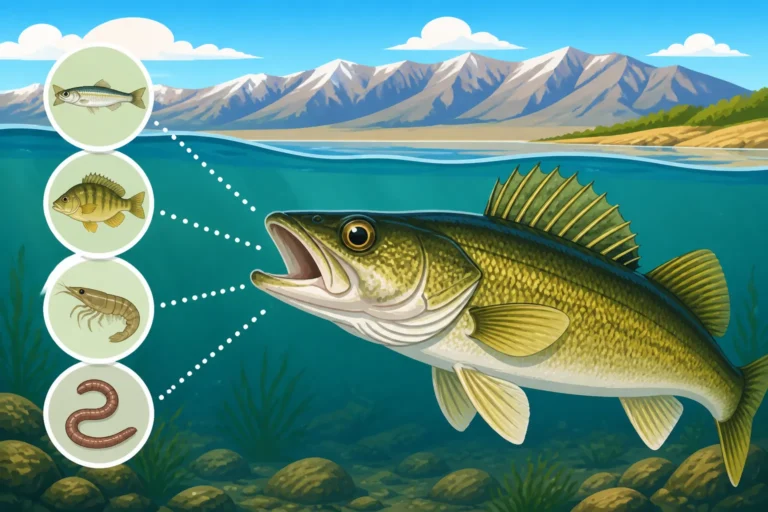
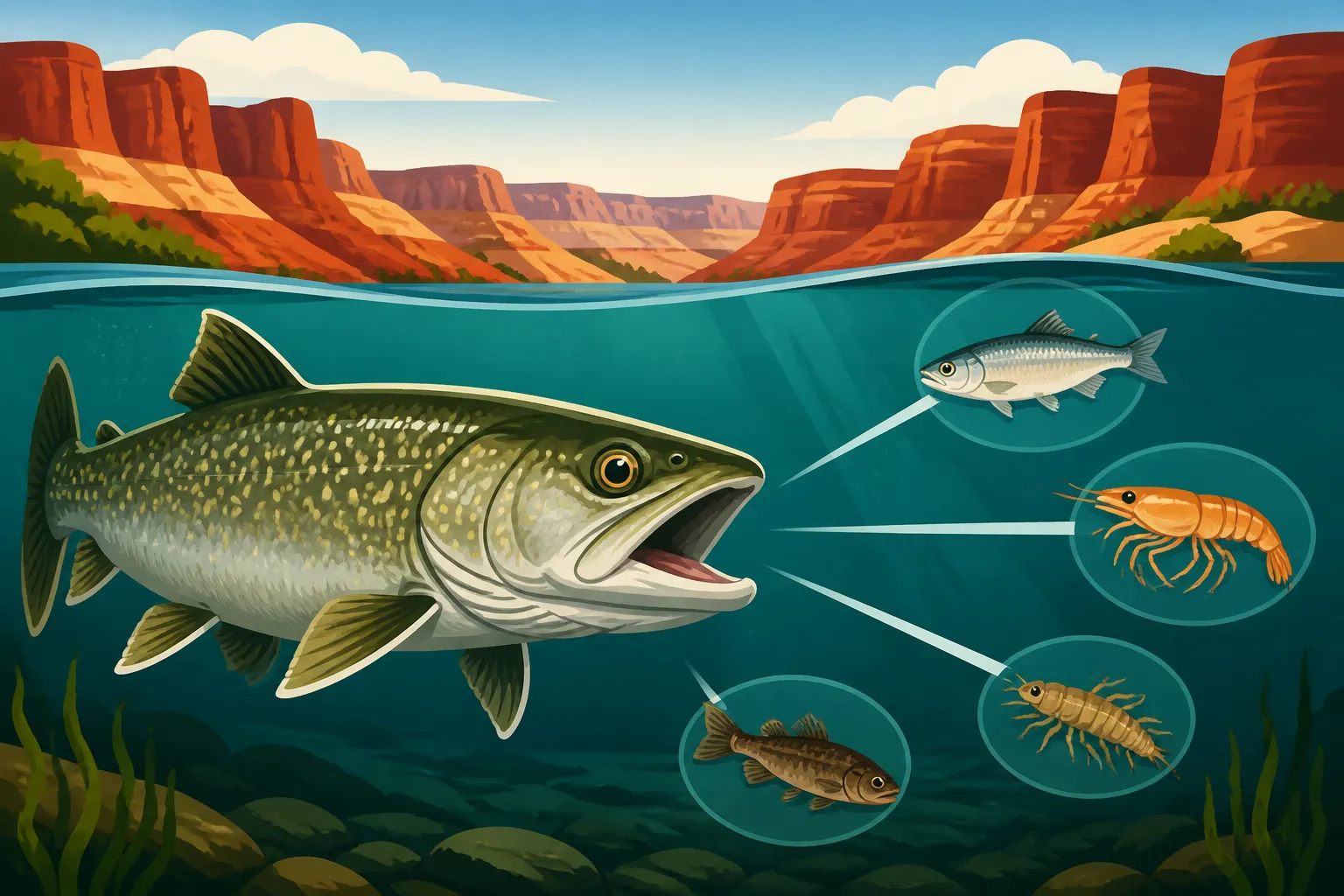
For a Flaming Gorge lake trout, especially the larger, trophy-sized ones, cisco and kokanee salmon are the bread and butter of their diet. These two species form the backbone of the lake trout's food chain, providing the rich, fatty nutrients needed for these fish to grow to truly impressive sizes. Cisco are a native cold-water baitfish, often schooling in vast numbers in the deeper, cooler sections of the reservoir. They're relatively small, but their sheer abundance makes them an irresistible target. Kokanee salmon, on the other hand, are a landlocked sockeye salmon that are stocked into Flaming Gorge. While they are a sought-after game fish themselves, their vibrant red flesh and moderate size make them a prime target for hungry lake trout, particularly as they mature and school up.
Lake trout are incredibly efficient hunters. They'll often cruise along deep structure, using their powerful eyesight and lateral lines to detect schools of these baitfish. When a large school of cisco or kokanee is located, the lake trout will position themselves below or around the edges, making lightning-fast strikes into the tightly packed groups. Many anglers who are serious about targeting Flaming Gorge Trophy Lake Trout Spots know that finding these baitfish schools on your sonar is often the first step to finding the big Mackinaw. If your fish finder is showing dense clouds of baitfish, you can bet there's a predator or two lurking nearby, hoping to pick off a straggler. This is why knowing How to Read a Fish Finder for Utah Reservoirs is so crucial here.
Opportunistic Dining: Other Fish and Invertebrates
While cisco and kokanee dominate the menu, Flaming Gorge lake trout are far from picky eaters when the opportunity arises. They are opportunistic predators, and their diet can diversify depending on the season, depth, and specific areas of the reservoir. This means that while they prefer the fatty richness of schooling baitfish, they won't pass up an easy meal if it presents itself. This broader diet ensures their survival even when primary forage might be temporarily less abundant or harder to reach.
Other fish species like sculpins, various chubs, and even smaller trout (including young rainbow trout or even smaller lake trout) can fall prey to a hungry Mackinaw. Sculpins, with their bottom-hugging behavior, are often found in the stomachs of lake trout caught near rocky ledges and submerged structures. These smaller fish provide a quick, easy meal for a lake trout patrolling the depths. Crayfish are another significant food source, especially for lake trout foraging closer to the bottom in areas with rocky or gravelly substrates. You might be surprised to cut open a lake trout you've kept and find the remnants of crayfish in its stomach, a clear sign it's been rooting around near the bottom. This adaptability in their diet makes them robust predators, always ready to exploit whatever food source is most readily available within their extensive habitat.
Seasonal Shifts in Lake Trout Feeding Habits at Flaming Gorge
Just like our appetites change with the seasons, so do those of Flaming Gorge lake trout. Their feeding patterns are heavily influenced by water temperature, baitfish movements, and their own biological cycles, such as spawning. Understanding these seasonal shifts is vital for anglers, as it dictates where the fish will be, what they'll be keying in on, and ultimately, what techniques will be most effective.
Springtime Feeding Frenzy: Post-Spawn Recovery and Shallow Water Ambush
As the ice recedes and spring arrives at Flaming Gorge, a remarkable transformation occurs in the lake trout's behavior. After the long, cold winter and often a demanding spawning period (which typically happens in the fall, meaning they've been running on stored reserves), lake trout are often in a recovery phase. Their metabolism picks up as the water slowly warms, and they're looking to regain lost energy. This often brings them shallower than they might be in the dead of summer, sometimes into depths of 30-60 feet, particularly near rocky points and submerged islands.
During this period, baitfish like cisco and kokanee begin to become more active, moving into shallower areas to feed on burgeoning insect life or simply reacting to the increased light penetration. The lake trout follow suit, ambushing these schools. It's not uncommon to see "boils" or active feeding frenzies on the surface in spring, where lake trout push baitfish to the surface. This is an exciting time for anglers, as the fish are aggressive and willing to chase down lures. Techniques involving trolling spoons or stickbaits that imitate the size and flash of baitfish are often highly effective. This shallow-water pursuit can make for some incredible action, a stark contrast to the deep-water battles of summer.
Deep Summer Strategies: Following the Cold Water and Forage
When the scorching Utah summer hits, Flaming Gorge lake trout retreat to their preferred cold-water habitat. These fish are truly creatures of the deep, thriving in water temperatures that rarely exceed 50-55 degrees Fahrenheit. As the surface waters warm significantly, the lake trout will follow the thermocline – that invisible boundary between warm surface water and cold deep water – down to considerable depths. This can often mean finding them anywhere from 80 to 200+ feet deep, depending on the specific area of the reservoir and the time of day.
Their primary forage, the cisco and kokanee, also seek out these cooler depths. Therefore, successful summer lake trout fishing becomes a game of locating these deep-water schools of baitfish and understanding the structure where the lake trout will stage their attacks. Submerged canyons, humps, and ledges become critical holding areas. Anglers often employ Utah Trolling Techniques for Lake Trout using downriggers to get their lures down to precise depths where the fish are holding. Another highly effective method is deep-water jigging, often using heavy spoons or soft plastic swimbaits that mimic a struggling cisco. Knowing How Deep to Fish for Lake Trout at Flaming Gorge in Summer is paramount, and it almost always involves getting down into the coldest, darkest reaches of the reservoir.
Fall and Winter Bulking Up: Preparing for the Cold
As autumn paints the landscape around Flaming Gorge with vibrant colors, the lake trout enter another critical feeding phase. This is their time to bulk up, packing on fat reserves to sustain them through the upcoming winter and the rigors of their fall spawning activities. Water temperatures begin to cool, and the lake trout become incredibly active, often found at more moderate depths, or even relatively shallow again during low light periods.
Late fall is particularly interesting because it coincides with the kokanee salmon spawning run. As kokanee move into shallower areas to spawn and then die off, they become highly vulnerable. Lake trout will capitalize on this, feasting on the spawning kokanee, which provides a rich, fatty meal. This makes the fall a fantastic time for trophy hunters, as the largest lake trout are often on the prowl for these easy, high-calorie targets. Winter, especially under the ice, sees a continuation of this feeding. While their metabolism slows, lake trout still need to eat. How to Vertical Jig for Lake Trout Through the Ice with spoons or tube jigs that mimic sculpins or small cisco can be incredibly productive. They'll often stay close to structure, waiting to ambush any unsuspecting baitfish, making ice fishing a thrilling, albeit chilly, way to connect with these impressive fish.
How Knowing Their Diet Helps You Catch More Flaming Gorge Lake Trout
Understanding what Flaming Gorge lake trout eat isn't just an academic exercise; it's the cornerstone of effective fishing strategy. When you know their diet, you can make informed decisions about everything from lure choice to fishing location and presentation. It gives you a significant advantage, turning guesswork into calculated efforts.
Matching the Hatch (or the Baitfish): Lure Selection
The most direct way to leverage your knowledge of the lake trout's diet is through lure selection. If cisco and kokanee are their primary food, then your lures should imitate these species as closely as possible. This means considering size, shape, color, and action. For instance, slender, silver-colored spoons or stickbaits that mimic the flash and profile of a cisco are often incredibly effective when trolled or jigged. Brands like Luhr-Jensen, Rapala, and Berkley offer a wide range of options that can fit the bill.
When kokanee are prevalent, especially during their spawning season when they turn red, lures with a similar profile and reddish hues can be deadly. Soft plastic swimbaits, for example, can be rigged to imitate the swimming motion of a kokanee, making them irresistible to a hungry lake trout. Don't be afraid to experiment with different sizes; sometimes a larger profile is what's needed to trigger a strike from a truly monstrous fish. You can find a huge variety of these imitations, from top-tier brands to more budget-friendly options, on Amazon, making it easy to stock your tackle box for any situation. Remember, the goal is to present something that looks, feels, and acts like a natural food source the lake trout are already accustomed to preying upon. For a broader view, check out Best Lures for a Utah Tackle Box.
Locating the Pantry: Using Electronics and Understanding Structure
Knowing what they eat also guides you to where they eat. Since lake trout primarily feed on schooling baitfish like cisco and kokanee, your first step should be to locate these schools. This is where modern fishing electronics, particularly a good fish finder, become invaluable. Use your sonar to scan for dense bait balls in the water column, especially over deep structure like submerged ledges, humps, and canyon walls. Lake trout often position themselves along these features, waiting to ambush unsuspecting prey.
Once you identify baitfish, look for larger, arch-shaped marks beneath or around them – these are your lake trout. Pay attention to the depth at which the bait is holding, as this will often be the strike zone for the lake trout. Understanding the contours of the lake bottom and where deep-water structure is located is also crucial. Mapping software on your fish finder can show you these underwater highways and hideouts. For example, a sudden drop-off or a distinct point extending into deeper water is a classic ambush point for a lake trout. Combine this knowledge with what you see on your screen, and you'll be able to literally "read" the water and pinpoint where the fish are most likely feeding. These insights into their habitat also directly relate to their Flaming Gorge Lake Trout Growth Rates, as readily available food sources contribute to their massive size.
Understanding Behavior: Presentation and Technique
Finally, understanding their diet helps you refine your presentation and technique. If lake trout are actively chasing schools of cisco, then a fast-moving, erratic presentation that mimics a fleeing baitfish will be effective. This could mean a rapid retrieve with a jig, or trolling at a speed that gives your spoon an enticing, darting action. If, however, they are more lethargic or holding tight to the bottom, a slower, more deliberate presentation that suggests an injured or easy meal might be better. This is where a subtle jigging motion or a dead-sticked bait can shine.
Consider the depth and how the fish are reacting to your lure. Are they ignoring a fast troll but hitting a slow jig? Are they suspending high in the water column or hugging the bottom? Adjust your technique accordingly. If you're downrigging, for instance, paying close attention to your speed and how far back your lines are running can make a world of difference. Good quality terminal tackle can make a huge difference in how your lures perform and present, and you can stock up on essential items like swivels, leaders, and hooks from Amazon before your next trip. By aligning your tactics with the lake trout's natural feeding behavior and the availability of their preferred foods, you dramatically increase your chances of a successful outing on Flaming Gorge. Remember, angling is a constant learning process, and every fish tells a story about what works and what doesn't.
Disclaimer
This article is for general informational purposes only and does not constitute professional advice. Laws, prices and regulations vary by location and change over time. Consult a qualified professional for guidance on your specific situation.