Rockport Reservoir Fishing Access
It can be incredibly frustrating to arrive at a promising fishing spot like Rockport Reservoir, only to waste precious angling time trying to figure out where to park, where to launch your boat or kayak, or even where you can simply cast a line from shore without trespassing. Many anglers face confusion with changing water levels and varying access points throughout the year. This comprehensive guide is designed to cut through that confusion, providing you with all the essential details on how to access Rockport Reservoir so you can spend less time searching and more time fishing.
Understanding Rockport Reservoir's Landscape and Fish Species
Rockport Reservoir is a gem nestled in the Wasatch Back, not too far from the bustling areas of Salt Lake City and the scenic beauty of Park City. Its picturesque setting, surrounded by rolling hills and mountains, makes it a popular destination not just for fishing, but for camping, boating, and other recreational activities. However, like many reservoirs, Rockport's water levels can fluctuate significantly throughout the year, impacting boat ramp accessibility and even the amount of available shoreline for anglers. Knowing these dynamics beforehand is crucial for planning a successful trip. Its relatively accessible location off I-80 means it sees a fair amount of traffic, especially on weekends and holidays, so understanding the layout of its access points can help you find both convenience and solitude.
This body of water is managed as a state park, which means there are specific regulations and fees associated with entry and boat launching, unlike some more remote, undeveloped lakes. These fees contribute to maintaining the facilities and managing the aquatic resources, ensuring a better experience for everyone. Always check the current conditions and any advisories before heading out, as reservoir levels and weather can change quickly in the mountains, influencing everything from fishing success to the ease of boat launching.
Reservoir Overview and Unique Challenges
Rockport Reservoir, formed by the impoundment of the Weber River, is a relatively deep and diverse fishery. Its maximum depth can reach around 150 feet in some areas, offering varied habitats for different fish species. The shoreline features a mix of rocky points, submerged structure, gradual slopes, and some weed beds, providing ample cover and feeding grounds. However, the most significant challenge at Rockport, as with many Western reservoirs, is the annual fluctuation in water levels. During spring runoff, the reservoir can fill considerably, submerging shorelines and creating new fishable areas. As the summer progresses and water is drawn down for irrigation, these areas recede, often exposing mud flats and making some boat ramps unusable.
These water level changes don't just affect access; they also influence fish behavior. When water levels are high, fish might move into newly flooded vegetation, making them harder to target. When levels drop, fish can concentrate in deeper channels or around remaining structure, which can be a boon for anglers who know where to look. Always consult current reservoir reports from the Utah Division of Wildlife Resources (UDWR) or local bait shops for the most up-to-date information on water levels and conditions. For those who like to scout ahead, a quick look at satellite imagery can give you an idea of the terrain, but remember that the actual shoreline can look very different depending on the time of year.
Target Species and Their Habitats
Rockport Reservoir is primarily renowned for its trout fishing, but it also boasts a healthy population of smallmouth bass. The UDWR actively manages the fishery through regular stocking programs, ensuring a consistent supply of catchable fish.
- Rainbow Trout: These are the most commonly stocked species and are often found throughout the reservoir, particularly in open water and near inlets. They respond well to a variety of baits and lures, making them a great target for anglers of all skill levels. In warmer months, they might seek deeper, cooler waters.
- Brown Trout: Known for their elusive nature and larger size potential, brown trout often hug the shoreline, especially around rocky structure and submerged timber. They are more predatory than rainbows and are often caught on streamers, jerkbaits, or large minnow imitations.
- Tiger Trout: A sterile hybrid of brown and brook trout, tiger trout are stocked for their aggressive fighting qualities and unique appearance. They typically inhabit similar areas to brown trout and are highly sought after for their trophy potential.
- Smallmouth Bass: These feisty fighters prefer rocky shorelines, points, and submerged rock piles. They are particularly active during the warmer months, offering exciting topwater action and aggressive bites on jigs, crankbaits, and soft plastics. For a deeper dive into these aggressive fish, check out our guide on Utah Smallmouth Bass Guide.
Understanding these species' preferences will help you choose the right access point and technique. For instance, if you're targeting smallmouth bass, you'll want to focus on rocky areas, while trout can be found more broadly, especially if you're trolling from a boat or fishing near inlets. To learn more about the diverse cold-water species, consider reading our comprehensive Utah Trout Species Guide.
Primary Boat Launch and Marina Access
For many anglers looking to explore the deeper waters of Rockport Reservoir, launching a boat is the preferred method. Rockport State Park offers excellent facilities designed to accommodate a range of vessels, from small fishing boats to larger pleasure craft. However, just like any state park in Utah, there are specific procedures, fees, and rules you'll need to follow to ensure a smooth and legal experience. It's not just about getting your boat in the water; it's about doing so responsibly and in compliance with state regulations, especially concerning aquatic invasive species.
The main marina area is usually bustling, especially during the peak summer season. This means planning your arrival, particularly on busy weekends, can save you a lot of hassle. Early mornings often provide the least crowded conditions and can also be the best time for fishing, as fish are often more active during cooler parts of the day.
Rockport State Park Marina and Main Ramp
The primary access point for boaters at Rockport Reservoir is located within Rockport State Park, featuring a well-maintained marina and a concrete boat ramp. This is typically a multi-lane ramp, designed to handle numerous boats launching and retrieving simultaneously, minimizing wait times during busy periods. Near the ramp, you'll usually find ample parking for vehicles and trailers, though this can fill up quickly on popular days.
The marina area itself offers several amenities that make a day on the water more comfortable. These often include restrooms, picnic areas, and sometimes a small store or concession stand during peak season for essentials like snacks, drinks, and bait. For convenience, many state park marinas, including Rockport's, will have a fish cleaning station available, which is a huge plus after a successful day on the water. Before you even get to the ramp, remember that all motorized and non-motorized boats launched in Utah waters require an Aquatic Invasive Species (AIS) inspection. You'll find a station typically near the park entrance or boat ramp, and it's absolutely mandatory. You can find more detailed information about these crucial inspections in our guide on Utah Aquatic Invasive Species Inspection Station Locations. Expect to pay a day-use fee to enter the state park, which often covers your boat launch fee. For a breakdown of these costs, consult our Utah Boat Launch Fees at State Park Reservoirs article.
Seasonal Considerations for Boaters
The usability of Rockport's boat ramps is highly dependent on the reservoir's water levels, which can fluctuate dramatically throughout the year.
- Spring: During spring runoff, the reservoir usually begins to fill, and boat ramps are typically in excellent condition. This is often an ideal time for launching, with high water levels providing access to new areas and fish moving into shallower coves. However, be mindful of cooler temperatures and potentially strong winds.
- Summer: As summer progresses, water levels generally start to drop due to irrigation demands. While the main ramp at Rockport State Park is designed to remain operational even at lower levels, extreme drought years can sometimes limit access for larger boats. Always check the current water level conditions before heading out, especially if you have a deep-draft boat. Lower water can also expose submerged hazards, so exercise caution when navigating.
- Fall: Fall can be an excellent time to boat, with fewer crowds and pleasant weather. Water levels will continue to recede, but usually, the main ramps remain accessible. Fish often become more active as water temperatures cool, making for superb fishing.
- Winter: Rockport Reservoir typically freezes over in winter, making traditional boat launching impossible. During the ice fishing season, access shifts to shore points or designated ice access points for foot traffic and ATVs, where safety is paramount.
For those planning a fishing adventure, a quick call to the Rockport State Park office or checking the UDWR website for current conditions can prevent disappointment upon arrival. Don't rely solely on past experiences; reservoir conditions are constantly changing.
Shore Fishing Opportunities and Popular Spots
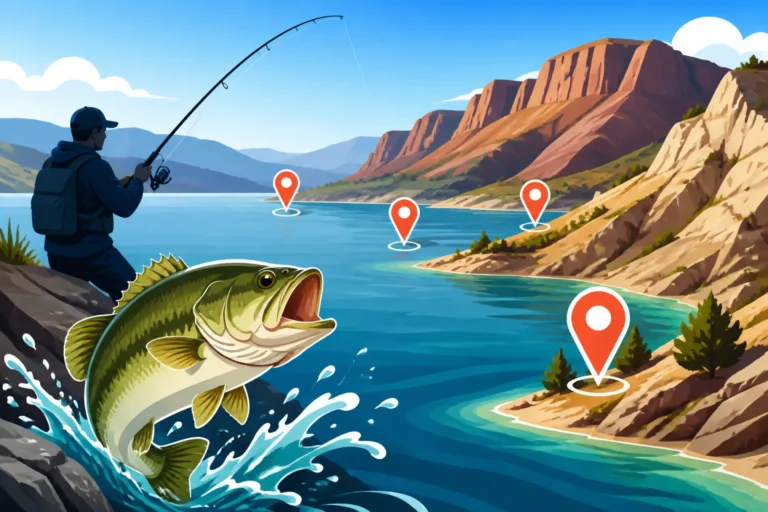
Not everyone has a boat, and honestly, sometimes the simplest pleasure is just casting a line from the bank. Rockport Reservoir offers a good mix of accessible shore fishing opportunities, perfect for families, beginners, or anyone who prefers to stay grounded. However, like any popular fishing destination, some spots are better known and might be more crowded, while others require a bit more legwork to reach. Understanding where you can go and what to expect can significantly enhance your shore fishing experience.
It's important to respect posted signs and private property, as not all shoreline around the entire reservoir is public land or within the state park boundaries. Sticking to designated public access points within Rockport State Park is always the safest bet. Remember, even if you're just fishing from the bank, you still need a valid Utah fishing license! If you're unsure about the requirements, take a moment to review our comprehensive Utah Fishing License Guide.
The Rockport State Park Shoreline
Within the official boundaries of Rockport State Park, you'll find numerous spots perfect for shore angling. The main day-use areas, especially around the marina and picnic sites, offer easy access to the water's edge. These areas are generally well-maintained, often with paved pathways leading to the shore, making them ideal for families with young children or anglers with mobility challenges. You can often set up chairs, picnic, and cast a line all from the same convenient spot.
These shorelines are regularly fished, and while they might not always yield trophy fish, they are excellent places to catch stocked rainbow trout, especially after recent stockings. Using popular baits like PowerBait, worms, or small spoons and spinners can be quite effective here. In spring and fall, these areas can also hold brown and tiger trout that move into shallower waters. The convenience of amenities like restrooms and picnic tables makes the state park shoreline a go-to for a relaxed day of fishing. For more detailed insights on effective bank fishing, our guide on Best Shore Fishing Spots at Rockport Reservoir offers additional tips and locations.
Wade Fishing and Lesser-Known Coves
For anglers seeking a bit more solitude or targeting fish in less pressured areas, exploring beyond the main state park beaches offers rewarding wade fishing opportunities. As you move away from the developed areas, the shoreline becomes more rugged, featuring rocky outcrops, scattered timber, and small, secluded coves. These less-trafficked spots can be goldmines for brown trout and smallmouth bass, which often prefer structure and quieter waters.
Access to these areas often involves a short hike along informal trails or simply finding a safe pull-off along the access roads that ring parts of the reservoir. Be mindful of terrain; some areas can be steep or uneven. Waders are highly recommended for extending your reach and navigating shallow sections, especially during cooler months. These areas are also fantastic for fly fishing with streamers or nymphs, targeting opportunistic trout. Always be aware of your surroundings, especially if you're exploring unfamiliar territory, and be respectful of private land boundaries. A good pair of wading boots with reliable traction is invaluable here, as the bottom can be rocky and slippery.
Kayak and Float Tube Access Points
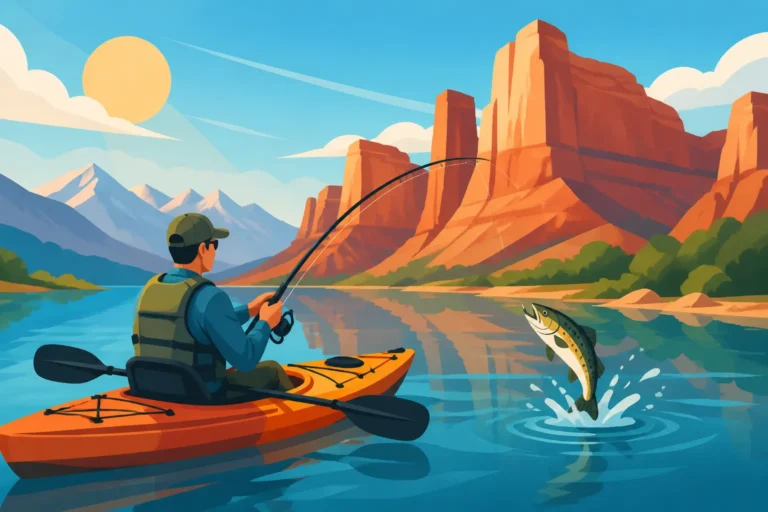
For many anglers, the sweet spot between shore fishing and full-sized boat fishing is found in a kayak, canoe, or float tube. These smaller, non-motorized vessels offer incredible stealth, allowing you to access nooks and crannies that larger boats can't reach, and often provide a more intimate connection with the water. Rockport Reservoir, with its varied shoreline and numerous coves, is an excellent place to explore from a personal watercraft. The beauty is that you often don't need a dedicated boat ramp for these, making access even more flexible.
The freedom to paddle into quiet bays or drift silently along a rocky point can be a game-changer for targeting wary fish. It also presents a fantastic opportunity for exercise and enjoying the serene beauty of the reservoir away from the noise of motorized traffic. Just remember, while these craft are small, safety is still paramount. Always wear a life jacket, especially if you're heading out alone, and be aware of weather conditions and other boaters.
Designated Non-Motorized Launch Areas
While kayaks and float tubes can often be launched from any accessible shoreline, Rockport State Park, like many Utah reservoirs, may have designated or commonly used spots that are particularly convenient for non-motorized craft. These aren't always formal concrete ramps but could be gravel pull-offs or gently sloping shorelines away from the main boat traffic.
The advantage of using these areas is typically easier parking and less congestion than at the main boat ramp. Many anglers simply carry their kayaks or inflate their float tubes near their vehicle and walk a short distance to the water. Some of the less developed points or coves, particularly those on the opposite side of the reservoir from the main marina, can serve as excellent launch sites. Always scout the area on Google Maps or by driving around before committing, looking for clear paths to the water and safe places to park. These informal spots are ideal for a quick launch and give you immediate access to potential fishing grounds. Our guide on Best Spots to Fish From a Kayak in Utah delves deeper into finding and utilizing these types of access points.
Paddling Routes and Fishing Strategies for Non-Motorized Craft
Once you're on the water in your kayak or float tube, Rockport Reservoir truly opens up. The reservoir offers plenty of shoreline to explore, allowing you to paddle into quiet coves, work rocky points, or drift over submerged structure.
- Targeting Trout: For trout, focus on trolling small spoons or spinners behind your kayak, especially along drop-offs or near the main channel. Alternatively, anchor up near an inlet or a productive point and bait fish with PowerBait or worms. The stealth of a kayak allows you to approach feeding fish without spooking them.
- Targeting Smallmouth Bass: Smallmouth bass love structure. Paddle along rocky shorelines, casting jigs, crankbaits, or soft plastics towards submerged rocks, fallen trees, and ledges. The ability to quietly maneuver right into these tight spots is a huge advantage for bass anglers. Look for areas with a mix of rock and some sparse vegetation.
- Strategic Drifting: On windy days, you can use the wind to your advantage by setting up a controlled drift across promising areas. A small drift sock can help slow you down and keep you oriented. This is a great way to cover water efficiently and present your lure or bait naturally.
Always be aware of boat traffic, especially in the main body of the reservoir, and consider bright clothing or a flag for visibility. For those who prefer the simplicity and immersive experience of a float tube, we've compiled valuable insights in our Best Spots to Fish From a Float Tube in Utah article, which offers additional tactical advice. You might even consider checking out resources like FishingBooker to find local guides who specialize in float tube or kayak excursions, as they can provide invaluable local knowledge.
Seasonal Access Changes and Best Times to Visit
Rockport Reservoir, like any outdoor destination in the mountains, experiences distinct seasonal changes that dramatically impact both access and fishing success. What might be an ideal spot in spring could be inaccessible in winter, and fish behavior shifts with water temperature and availability of food. Understanding these cycles is key to planning your trip for maximum enjoyment and productivity. It's not just about what to fish for, but when and where to find them based on the time of year.
Each season presents its own unique challenges and rewards, from the thawing ice of spring to the crisp days of fall. Being prepared for these changes, both in terms of gear and expectations, will make your Rockport experience far more enjoyable.
Spring and Early Summer Access
Spring at Rockport is a time of awakening and transition. As the ice recedes, usually in late March or April, access to boat ramps and shorelines quickly improves. This "ice-off" period can be phenomenal for trout fishing, as fish are often hungry and cruising shallower waters for food after a long winter under the ice. Water levels typically begin to rise with spring runoff from the surrounding mountains, which can submerge low-lying access points temporarily but generally leads to full reservoir conditions later in the season.
Early summer, stretching into June, sees the reservoir filling up, offering excellent boat launching conditions and expansive shorelines. Trout remain active, and smallmouth bass fishing really starts to heat up as water temperatures rise into their preferred range. While popular, spring and early summer also bring the potential for unpredictable weather, including late-season snow or strong winds, so always check the forecast. The higher water can also mean more debris in the water from runoff, so exercise caution when boating. For a broader perspective on how different seasons impact fishing across the state, our Best Time of Year to Fish in Utah guide offers helpful comparisons.
Summer and Fall Access
The height of summer at Rockport Reservoir brings warm temperatures, vibrant recreational activity, and often, declining water levels. While the main boat ramp usually remains functional, some secondary access points or shallower launch sites might become challenging for larger boats. Shore fishing opportunities may shift as the water recedes, exposing more mudflats in some areas but concentrating fish in others. This is prime time for smallmouth bass, especially during the early mornings and evenings. Trout will often move deeper to seek cooler water, requiring different tactics like trolling or jigging.
Fall brings a welcome change, with cooler temperatures, stunning foliage, and significantly fewer crowds. Water levels continue to drop, but this can actually be an advantage for anglers. Fish often become very active, feeding aggressively in preparation for winter. Brown and tiger trout become particularly feisty, offering some of the best fishing of the year. Shore access is generally good, though the landscape might appear drier. Fall offers a more serene and focused fishing experience, without the summer bustle. For detailed information on specific seasonal regulations and prime fishing periods, refer to our Utah Fishing Season Dates and Limits guide.
Planning Your Trip: Amenities, Regulations, and Safety
A successful fishing trip isn't just about where you cast your line; it's about being prepared, understanding the local rules, and ensuring your safety and the preservation of the environment. Rockport Reservoir, being a state park, offers numerous conveniences but also comes with a specific set of guidelines that every angler should be aware of. Neglecting these details can lead to fines, an unpleasant experience, or worse, put you or others at risk.
Before you even load your gear, take a moment to confirm the essentials: do you have your license? Is your boat clean and inspected? Do you know the catch limits for your target species? These seem like small details, but they make all the difference for a smooth and enjoyable outing. For those who like to plan everything out, platforms like FishingBooker can sometimes help you find local charter information or provide resources on specific water body conditions from local experts.
Facilities, Camping, and Nearby Services
Rockport State Park is a well-equipped destination, making it easy to turn a day trip into a longer adventure.
- Camping: The park offers several developed campgrounds with amenities ranging from basic tent sites to RV sites with hookups. Popular campgrounds include Rockport Campground and Cedar Point Campground, both providing easy access to the reservoir. Reservations are highly recommended, especially during peak season, and can often be made through the Utah State Parks website.
- Picnic Areas: Numerous picnic tables and day-use areas are scattered throughout the park, many with scenic views of the reservoir, perfect for a family lunch or a break from fishing.
- Restrooms: Accessible restrooms are typically available at the marina, campgrounds, and main day-use areas.
- Boat Rentals: During the summer, there might be options for renting small boats, paddleboards, or kayaks directly from the marina or a concessionaire within the park.
- Nearby Towns: The small town of Wanship is just a few miles away, offering basic services, gas, and a few dining options. For more extensive supplies, groceries, tackle shops, and diverse dining, Park City is a short drive, providing everything you might need for a comfortable stay.
Always pack out what you pack in, and help keep Rockport beautiful for everyone. Utilizing provided trash receptacles and respecting park infrastructure ensures these amenities remain available for future generations of anglers.
Licenses, Regulations, and Aquatic Invasive Species
Navigating the rules and regulations for fishing in Utah, especially at specific locations like Rockport Reservoir, is critical.
- Fishing License: Every angler 12 years and older needs a valid Utah fishing license. You can purchase these online, at DWR offices, or from authorized license agents across the state. We have a detailed guide on the Utah Fishing License Guide to walk you through the process.
- Statewide Regulations: Familiarize yourself with Utah's general fishing regulations, including legal methods, bait restrictions, and statewide bag and possession limits.
- Rockport-Specific Regulations: Rockport Reservoir often has specific regulations that supersede or add to the statewide rules. These might include special slot limits, daily bag limits for certain species, or specific tackle restrictions. Always check the current Utah Fishing Guidebook for the most up-to-date information for Rockport. Our guide on Utah Fishing Regulations Explained can give you a solid foundation.
- Aquatic Invasive Species (AIS): This is paramount. Utah takes AIS very seriously, especially the threat of quagga and zebra mussels. All boats, including kayaks, canoes, and paddleboards, must be Clean, Drained, and Dry before launching and after exiting any Utah water body. Inspections are mandatory, and decontamination might be required, particularly if you've been on waters known to have mussels, such as Lake Powell. You can find comprehensive details in our Utah Aquatic Invasive Species Rules for Anglers. Ignoring AIS rules can lead to significant fines and is a critical threat to Utah's fisheries.
- Safety: Always wear a life jacket when on the water. Be aware of changing weather conditions; mountain storms can develop rapidly. Inform someone of your float plan if you're venturing out alone. And always prioritize safe ice thickness if you're ice fishing in the winter.
Staying informed and compliant ensures not only a legal fishing trip but also contributes to the health and sustainability of Rockport Reservoir's ecosystem for years to come.
Rockport Reservoir Access Point Summary
To help you quickly decide where to focus your efforts, here's a summary of the main access types at Rockport Reservoir:
| Access Type | Primary Location | Best For | Key Amenities | Fees | Notes |
|---|---|---|---|---|---|
| Main Boat Ramp/Marina | Rockport State Park | Large boats, trolling, deep-water fishing | Multi-lane ramp, parking, restrooms, picnic, AIS inspection | State Park Day-Use Fee | Best for powerboats, can get crowded, water levels affect usability |
| State Park Shoreline | Around Marina & Day-Use | Families, beginners, bait fishing, easy access | Paved access, picnic areas, restrooms, campgrounds | State Park Day-Use Fee | Good for stocked trout, popular, can be busy |
| Wade Fishing/Secluded Coves | Undeveloped Shoreline | Solitude, fly fishing, targeting brown/tiger | Limited or no amenities, informal parking | State Park Day-Use Fee (if within park) | Requires hiking, can find less pressured fish, check private property |
| Kayak/Float Tube Launches | Various gentle slopes/pull-offs | Stealth fishing, exploring coves, exercise | Informal parking, minimal amenities | State Park Day-Use Fee (if within park) | Accesses tight spots, requires self-transport, AIS rules apply |
Disclaimer
The information provided in this guide is for general informational purposes only and is subject to change. Fishing regulations, fees, and access conditions can vary based on time of year, current events, and decisions by the Utah Division of Wildlife Resources and Utah State Parks. Always consult the official Utah Fishing Guidebook, contact Rockport State Park directly, or check the UDWR website for the most current and accurate information before planning your trip. Fishing inherently carries risks; always prioritize safety and adhere to all local, state, and federal laws.