Utah Nonresident Fishing License Cost for Ages 18 and Up
Planning a fishing trip to Utah when you're not a resident can bring a heap of questions, especially when it comes to figuring out how much that all-important fishing license is going to set you back. It's not always as straightforward as you'd hope, and nobody wants to get caught without the right paperwork or pay more than they need to. This guide is here to untangle the complexities of Utah nonresident fishing license costs for adults aged 18 and up, detailing your options and helping you budget accurately for your next angling adventure in the Beehive State.
Understanding Nonresident License Categories and Costs
When you’re an angler visiting Utah from out of state, the Utah Division of Wildlife Resources (DWR) offers several license options tailored to your needs. These aren't just one-size-fits-all, and understanding the different categories is the first step to securing your fishing privileges without a hitch. The pricing structure for nonresidents reflects the state's commitment to conservation, funded in part by those enjoying its rich natural resources.
Annual Nonresident Fishing License
For those who plan to make Utah a regular fishing destination, or even for an extended single trip, the annual nonresident fishing license is often the most sensible and economical choice. This license grants you the full benefit of fishing in Utah's public waters for a considerable period, ensuring you're covered for all four seasons if you visit multiple times within the year.
As of the current DWR pricing, a full annual nonresident fishing license for individuals 18 years and older costs $90.00. It's important to understand how its validity works: it's typically valid for 365 days from the date of purchase, rather than expiring at the end of a calendar year. This means if you buy it in June, it’s good until June of the following year, giving you maximum flexibility. This option is perfect if you foresee yourself making several visits to Utah's incredible fisheries, from the trophy waters of Flaming Gorge to the serene high mountain lakes of the Uintas. While it might seem like a substantial upfront cost compared to some daily rates, the value quickly adds up if you're hitting the water more than a couple of times. It’s significantly more than the Utah Resident Fishing License Cost for Ages 18 to 64, reflecting the different funding structures for residents and visitors.
Short-Term Nonresident Fishing License Options
Not everyone has the luxury of multiple trips or an extended stay. For many, a Utah fishing adventure might be a quick weekend getaway or a short detour during a road trip. Recognizing this, the DWR provides more flexible, shorter-duration licenses that cater to the occasional nonresident angler, allowing you to enjoy Utah's waters without committing to a full annual license.
Utah offers both 3-day and 7-day nonresident fishing licenses. The 3-day license currently costs $24.00, while the 7-day option is available for $48.00. These licenses are designed to cover specific, shorter periods, offering a cost-effective alternative for anglers whose visits are brief. For example, if you're planning a long weekend trip to Strawberry Reservoir Fishing Guide or aiming to spend a week exploring the streams of the Provo River Fishing Guide, these short-term options are ideal. However, it's crucial to note a common point of confusion: Utah does not offer a 1-day fishing license. This means the shortest duration you can purchase is a 3-day license, so plan your trip accordingly to maximize your fishing time within that window. These short-term licenses are perfect for those just dipping their toes into Utah fishing or making a single, focused trip.
Factors Influencing Your Nonresident License Price
While the core costs for nonresident adults are fairly fixed, there are nuances in how your individual circumstances and additional interests might influence the final price you pay. Understanding these factors ensures you select the correct license and avoid any unexpected fees or misunderstandings.
Age and Residency Status
The term "nonresident" carries specific legal definitions within Utah's hunting and fishing regulations, which go beyond simply living out of state. For a fishing license, being a nonresident typically means you haven't lived in Utah for six consecutive months immediately prior to purchasing your license, or you don't meet other specific criteria that define residency. It's a key distinction because residency status dictates a significant difference in license costs.
For adults aged 18 and over, the prices discussed above ($90.00 for annual, $24.00 for 3-day, $48.00 for 7-day) are standard. The DWR does have different pricing tiers for youth and seniors, but these primarily apply to residents or have specific qualifications for nonresidents (e.g., nonresident youth licenses are distinct from adult nonresident licenses). If you're a college student attending an in-state university, there are specific rules about whether you can qualify for resident rates; generally, out-of-state students do not qualify unless they meet the full residency requirements. When purchasing, you'll be asked to affirm your residency status. Misrepresenting your residency to obtain a cheaper resident license can lead to significant Utah Fishing License Penalties for Violations, including fines and loss of privileges, so always be truthful. The state relies on these distinctions to manage its wildlife resources and ensure fair contributions from all who enjoy them.
Combination Licenses vs. Fishing-Only
Many outdoor enthusiasts enjoy more than just fishing; they might also have a passion for hunting. Utah caters to these multi-sport adventurers by offering combination licenses, which can sometimes provide a more cost-effective solution than purchasing separate fishing and hunting licenses.
The Utah Combination Hunting and Fishing License for nonresidents aged 18 and older is priced at $180.00 for an annual license. If you compare this to purchasing a full annual nonresident fishing license ($90.00) and an annual nonresident small game hunting license (currently around $75.00, though big game costs are much higher and permit-based), you'll see a slight saving, plus the convenience of one consolidated license. This option is particularly attractive for those planning a hunting trip for species like upland game or waterfowl, and who also want to spend some time casting a line. It’s also crucial to remember that a combination license provides the basic privilege to apply for hunting permits or hunt small game, but specific big game permits are typically drawn through a lottery system and come with their own, often much higher, fees. Always consider your full range of outdoor plans when deciding if a combination license offers the best value for your nonresident visit.
Additional Fees and What's Included
It’s easy to focus solely on the base price of a fishing license, but savvy anglers know to factor in any additional fees that might crop up. In Utah, these typically relate to administrative costs and, more importantly, vital conservation efforts that benefit all anglers.
Processing Fees and AIS Fees
When you purchase your Utah nonresident fishing license, especially online or through third-party vendors, you might notice a small processing fee added to the base cost. This fee, usually just a few dollars, covers the administrative costs associated with issuing the license, whether it's for credit card transactions, maintaining the online portal, or vendor commissions. While it's not a huge amount, it's something to be aware of when budgeting.
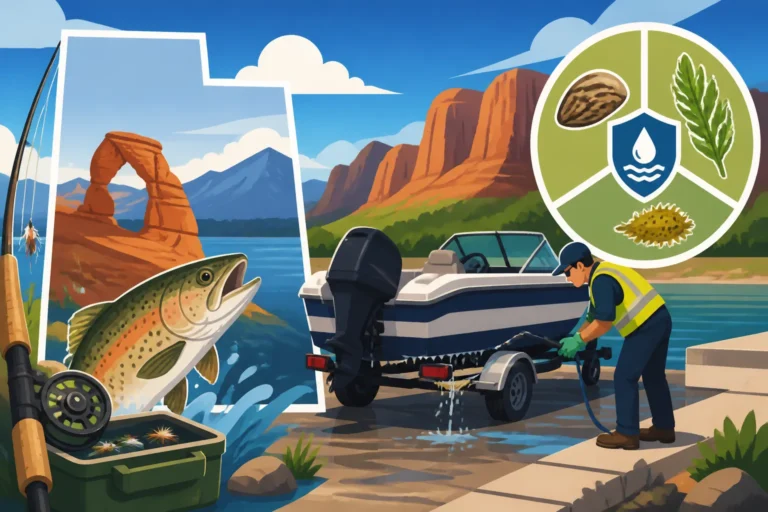
However, a more significant and mandatory additional charge is the Aquatic Invasive Species (AIS) fee. This fee is critically important for protecting Utah's precious waterways from destructive invasive species like quagga and zebra mussels. For nonresidents, this fee is typically $16.00 and is automatically added to your fishing license purchase. It's not optional; it's a vital contribution to fund inspection stations, decontamination efforts, and public awareness campaigns that keep our lakes and rivers healthy. This fee underpins efforts outlined in Utah Aquatic Invasive Species Rules for Anglers, ensuring that beautiful spots like Lake Powell and Flaming Gorge remain viable fisheries for years to come. So, when you see that extra charge, know it's going directly towards safeguarding the waters you love to fish.
What Your License Covers and Doesn't
Your Utah nonresident fishing license, regardless of its duration, grants you the legal right to pursue and harvest fish in Utah's public waters, subject to the specific regulations for each body of water and species. This generally includes all state-managed lakes, reservoirs, rivers, and streams.
However, your license does not grant unlimited access or privileges. It's crucial to understand its boundaries to avoid accidental violations. For instance, your state license does not typically cover fishing on tribal lands, such as those within the Uintah and Ouray Indian Reservation, which require their own permits. Similarly, fishing in private stocked ponds usually requires the landowner's explicit permission and may not be covered by a state license. Waters within national parks, like Zion National Park or Bryce Canyon, also have their own specific rules; for example, you generally need a state license to fish in Zion, but always check park-specific regulations. Furthermore, while your license allows general fishing, it does not include special tags or permits that might be required for certain unique species or management units, though these are typically more relevant for hunting. Always, and I mean always, consult the current Utah Fishing Regulations Explained booklet or the DWR website before heading out. This booklet is available digitally and often physically at sporting goods stores, like those you might find gear on through general online searches. It's your bible for knowing bag limits, size restrictions, seasonal closures (like the Strawberry Reservoir Seasonal Closure Dates), and species-specific rules for every waterbody in the state.
Here’s a quick overview of nonresident adult fishing license costs:
| License Type | Duration | Base Cost (USD) | AIS Fee (USD) | Estimated Total* (USD) | Best For |
|---|---|---|---|---|---|
| Annual Fishing License | 365 Days | $90.00 | $16.00 | $106.00+ | Frequent visitors, extended stays, multiple trips throughout the year. |
| 7-Day Fishing License | 7 Consecutive Days | $48.00 | $16.00 | $64.00+ | Week-long vacations, combining fishing with other Utah activities. |
| 3-Day Fishing License | 3 Consecutive Days | $24.00 | $16.00 | $40.00+ | Short weekend trips, quick fishing excursions, first-time visitors. |
| Annual Combination (Hunt & Fish) | 365 Days | $180.00 | $16.00 | $196.00+ | Nonresidents planning to hunt small game and fish throughout the year. |
*Note: Estimated total may not include small processing fees charged by vendors or for online transactions. Utah does not offer a 1-day fishing license.
Purchasing Your Nonresident Fishing License
Once you've decided which type of nonresident fishing license best suits your plans, the next step is actually acquiring it. Thankfully, Utah offers several convenient ways to purchase your license, ensuring you can get on the water quickly and legally.
Online Purchase Process
For many, buying a fishing license online is the easiest and quickest route. The Utah Division of Wildlife Resources has a robust online portal that allows nonresidents to purchase their licenses 24/7 from anywhere with an internet connection, often weeks or months in advance of their trip.
To purchase your license online, you'll simply navigate to the Utah DWR's licensing website. You'll need to create an account if you don't already have one, providing personal information such as your name, date of birth, and out-of-state address. The process is generally straightforward: select the nonresident fishing license that fits your age group and desired duration (annual, 3-day, or 7-day), add it to your cart, and proceed to checkout. You'll pay with a credit or debit card, and the system will automatically add the mandatory AIS fee. Once the transaction is complete, your license will be issued digitally. You can then print a copy or, even better, display it directly on your smartphone. The DWR confirms that you can legally Can You Show a Digital Fishing License on Your Phone in Utah, making it incredibly convenient. This instant access means no waiting for mail or hunting down a physical vendor once you arrive in Utah, allowing you more time for actual fishing. You can find detailed steps on the Utah Fishing License Online Purchase Process.
In-Person and Phone Purchases
While online purchasing is popular, some anglers prefer the traditional method of buying their license in person, or might need to do so if they're already on the road. Utah makes this possible through a network of authorized vendors across the state.
You can purchase your nonresident fishing license at any authorized DWR license agent. These agents are typically found in sporting goods stores, bait and tackle shops, some general merchandise retailers, and DWR offices. Popular chains like Sportsman's Warehouse or local independent shops are common places to pick one up. The advantage of an in-person purchase is often the opportunity to chat with local experts, get current fishing reports, and maybe pick up some essential bait or lures for the local waters. When purchasing in person, you’ll need to provide identification and your out-of-state address. If you're wondering Where to Buy a Utah Fishing License in Person, a quick search for DWR license agents near your destination will usually yield several options. Additionally, for those who prefer to speak with someone directly, the DWR often provides a phone number for license sales. You can typically find the Utah Fishing License Phone Order Number on their official website. This can be a good alternative if you have specific questions or prefer not to use the online system but aren't near a physical vendor.
Disclaimer
Please note that fishing regulations and license costs in Utah are subject to change. Always refer to the official Utah Division of Wildlife Resources (DWR) website or current fishing proclamation for the most up-to-date and accurate information before planning your fishing trip.