Striped Bass at Lake Powell
There’s nothing quite like the rush of Lake Powell, especially when those striped bass are schooling and boiling on the surface. But let's be real, chasing these aggressive predators isn't always easy. Many anglers arrive with high hopes only to find the lake immense and the fish elusive, wondering where to even begin in this vast aquatic playground. This comprehensive guide is here to unravel the mysteries of fishing for striped bass at Lake Powell, providing you with the knowledge and strategies to turn frustration into fantastic fishing adventures.
Understanding Lake Powell's Striped Bass
Striped bass, often simply called "stripers," are a dynamic and incredibly popular sport fish in Lake Powell. Their sheer power and willingness to aggressively strike a lure or bait make them a bucket-list species for many anglers. But to really get a handle on them, it helps to understand their history and role in this unique desert reservoir.
The Striped Bass Story in Lake Powell
Unlike some native species you'll find in Utah, striped bass aren't indigenous to Lake Powell or any of Utah's waters. They're originally an anadromous species, meaning they migrate from saltwater to freshwater to spawn, but they can thrive in landlocked freshwater environments if conditions are right. They were introduced to Lake Powell decades ago, primarily to control the abundant gizzard shad population, which, without natural predators, could quickly overwhelm the ecosystem. The idea was to create a robust sport fishery while also managing forage fish.
This introduction proved incredibly successful. Why Striped Bass Were Introduced to Lake Powell is a fascinating story in itself, showcasing how wildlife management can transform a fishery. Over the years, these powerful fish have established a self-sustaining population, reproducing naturally in the lake's vast expanses. This means that while many fisheries rely on stocking programs, Lake Powell's stripers are wild and prolific, which is part of what makes the fishing so exciting and at times, so challenging. They're a testament to the lake's incredible productivity, even in an arid landscape.
Identifying Stripers: What Makes Them Unique
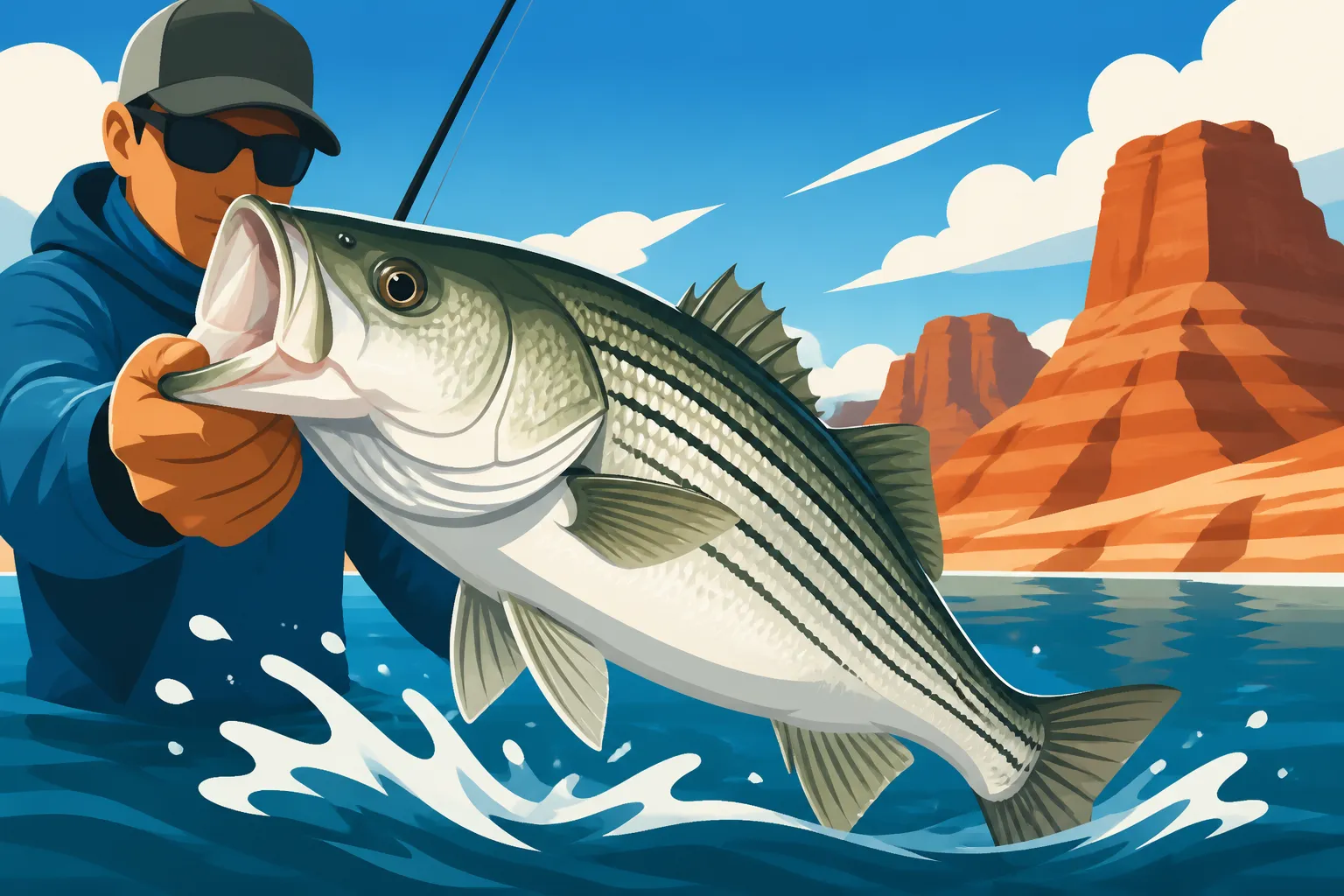
When you hook into a striper, there's no mistaking it. These fish are built for speed and power. They typically have a sleek, silvery body with distinct horizontal black stripes running from their gills to their tail. These stripes are usually unbroken, which helps distinguish them from their hybrid cousins, the wiper, found in other Utah waters like Willard Bay, where the stripes are often broken or discontinuous. Stripers also have two separate dorsal fins, another key identifier.
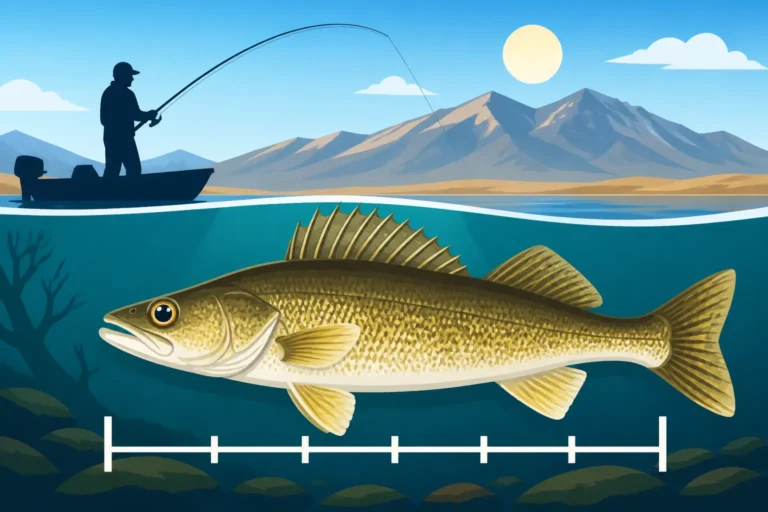
Their size can vary dramatically, from "pencil" stripers a foot long, perfect for a fast-paced fishing frenzy, to true trophy fish pushing well into the double-digits. Striped Bass Size at Lake Powell can be impressive, with some anglers landing fish over 20 pounds. When you're out on the water, seeing a school of these hard-fighting fish erupt on the surface during a "boil" is an unforgettable experience, a true spectacle of nature. They're strong, they're fast, and they pull like a freight train, making every catch an exhilarating battle.
Their Role in the Lake Powell Ecosystem
Striped bass play a pivotal, albeit complex, role in the Lake Powell ecosystem. As apex predators, their primary diet consists of gizzard shad, a small, silvery baitfish that forms the base of the food chain in the lake. By consuming vast quantities of shad, stripers help regulate their population, preventing overpopulation that could strain the lake's resources. This predator-prey relationship is vital for the overall health of the fishery.
However, their success also presents challenges. Given their prolific reproduction and rapid growth, striped bass populations can sometimes grow so large that they begin to outcompete other species or even deplete their own food source. When shad numbers decline, stripers may turn to other forage, potentially impacting smaller sport fish like smallmouth bass or even trout that might be present in tributary arms. Understanding this dynamic is crucial for appreciating the management strategies in place and why Utah Fishing Regulations Explained often encourage liberal harvest of stripers in Lake Powell. It’s about maintaining a balance in a system where they’ve found a very comfortable home.
Prime Locations and Seasons for Stripers
Lake Powell is immense, a sprawling network of canyons, coves, and main channel areas. Knowing where and when to target striped bass can feel like finding a needle in a haystack, but with a bit of insight into their seasonal movements, you can drastically improve your odds.
Seasonal Movements and Patterns
Striped bass, like most fish, are highly influenced by water temperature and food availability. Their patterns change throughout the year, meaning a spot that was hot in spring might be dead in summer.
- Spring (March-May): As water temperatures rise into the 50s and 60s, stripers become very active. They move into shallower coves and creek arms, often following schools of shad that are looking for warmer water to spawn. This is a fantastic time for casting and trolling, especially in the backs of canyons. They're hungry after the cooler months and more accessible in shallower depths.
- Summer (June-August): This is when Lake Powell truly heats up, and so does the striper action, but it changes. As surface temperatures climb, shad move to deeper, cooler water, and the stripers follow. This is the prime time for chasing "boils" – those explosive surface feeding frenzies where schools of stripers drive shad to the surface. It's also when downrigging in deeper channels becomes effective. Early mornings and late evenings are often the best times during the summer heat. Best Time of Day to Catch Striped Bass at Lake Powell will often point to these cooler parts of the day.
- Fall (September-November): As temperatures begin to drop, stripers will again move shallower, often feeding aggressively to put on weight for winter. Boils can still occur, but the fish might be more scattered, making trolling and searching with a fish finder excellent strategies. They’ll be looking for baitfish in the mid-depth ranges as the lake slowly cools.
- Winter (December-February): Striper fishing can be tough in winter, but not impossible. The fish move to very deep water, often congregating in large schools in the main channel or deep coves. This requires specialized techniques like vertical jigging or bait fishing on the bottom with heavy weights. Success often hinges on locating these deep schools, which can be a challenge.
Top Coves and Channels for Striper Action
Lake Powell offers an overwhelming number of potential fishing spots, but certain areas consistently produce for striped bass anglers. When looking for Lake Powell Striped Bass Spots, focus on areas that offer a combination of depth, structure, and proximity to the main channel where baitfish often reside.
- San Juan River Arm: This massive arm offers incredible striper fishing, particularly in its upper reaches where the river influence brings in nutrients and baitfish. Look for side canyons and ledges where stripers can ambush shad. The canyon walls themselves often hold schools.
- Escalante River Arm: Similar to the San Juan, the Escalante provides extensive habitat. The mouth of the Escalante, where it meets the main channel, can be a hotspot, as can the larger side canyons deeper within the arm.
- Wahweap Bay and Surrounding Area: Close to the primary marina, Wahweap Bay and the nearby channel offer convenience and often good fishing, especially for those newer to the lake. The main channel ledges here can hold deep schools, and nearby coves can be good for casting.
- Bullfrog and Halls Crossing Areas: These central lake locations are known for excellent striper fishing. The deep channels and numerous coves around these marinas provide ample habitat. The long, narrow canyons in this region are often where impressive boils can occur.
- Antelope Canyon and Navajo Canyon: These iconic canyons, while popular with sightseers, can also be productive for stripers, especially trolling along their length or casting into side pockets where shad might be hiding.
The key is not just the specific name of a cove, but understanding why fish are there. Look for points, submerged islands, drop-offs, and anywhere baitfish might concentrate.
Targeting Stripers Around Structure
Striped bass are opportunistic predators, and they love to use structure to their advantage, either to ambush prey or to find shelter. Structure in Lake Powell can mean a lot of things.
- Cliff Walls and Ledges: The sheer sandstone cliffs that define Lake Powell are natural attractors. Shad will often hug these walls, and stripers will patrol parallel to them, looking for an easy meal. Trolling or casting parallel to these walls can be very effective, especially at depths where baitfish are holding.
- Submerged Islands and Humps: Lake Powell has numerous underwater landforms from its canyon origins. These can act as magnets for baitfish and, consequently, for stripers. Using a good fish finder (we'll talk about those more in a bit!) to locate these submerged structures and then fishing around them can yield excellent results.
- Creek Mouths and Inlets: Any place where a creek or wash feeds into the lake, even if it's dry much of the year, can create a subtle current or deposit nutrients that attract bait. Stripers will often stage near these areas, particularly after a rain event.
- Brush Piles and Timber: While much of Lake Powell's timber has long since rotted away or been buried, in some areas, especially in the shallower backs of canyons, you might still find submerged brush or rock piles that hold fish. These provide excellent ambush points.
The beauty of Lake Powell is its vastness, but this also means you need to be strategic. Don't just motor around aimlessly. Pick a promising area, understand the seasonal patterns, and then methodically work the structure.
Essential Gear and Techniques for Success
Getting geared up for striped bass fishing at Lake Powell doesn't have to break the bank, but having the right tools for the job will make a huge difference in your success and enjoyment. These fish fight hard, and you want tackle that can stand up to the challenge.
Rods, Reels, and Line for Striped Bass
When you’re fighting a hard-pulling striper, especially a larger one, you'll appreciate a robust setup.
- Rods: A medium-heavy to heavy action spinning or baitcasting rod, typically 6'6" to 7'6" long, is ideal. This rod class provides the backbone needed to cast heavier lures and jigs, set the hook firmly, and control a strong fish. You want something with enough sensitivity to feel subtle bites but enough power to muscle a big striper away from structure. For trolling, a dedicated trolling rod with a softer tip but strong blank is often preferred, allowing the lure to work effectively without pulling it too much.
- Reels: A sturdy spinning reel in the 3000-5000 size range, or a baitcasting reel with a good drag system, is essential. The key here is a smooth, reliable drag that can handle long, powerful runs. Look for reels with good line capacity, as stripers can strip a fair amount of line. Many anglers find great options for reels suitable for Best Fishing Rods for Utah Anglers on platforms like Amazon, offering a wide range of brands and price points.
- Line: Braided line is a popular choice for striper fishing due to its incredible strength-to-diameter ratio, lack of stretch, and sensitivity. A 20-30 pound test braided line is a good all-around choice. You'll want to tie on a 15-25 pound fluorocarbon leader (2-3 feet long) for abrasion resistance and invisibility in the clear Lake Powell waters. For those who prefer monofilament, a 15-20 pound test quality mono will also work, though you'll lose some sensitivity.
Having a balanced setup means your rod, reel, and line work together efficiently. It’s not just about stopping a fish, but about enjoying the fight.
Lures, Bait, and Terminal Tackle
Stripers are aggressive, and they'll hit a wide variety of offerings, but some stand out as consistent producers.
- Topwater Lures: When stripers are boiling, nothing beats the excitement of a topwater lure. Poppers, walk-the-dog baits, and even large prop baits can trigger explosive strikes. Seeing a striper smash a topwater lure is truly a sight to behold.
- Spoons: Casting spoons and jigging spoons are incredibly versatile. Heavy casting spoons can be hurled a long distance into a boil or cast and retrieved over submerged structure. Jigging spoons are deadly for vertical jigging on deep schools of fish. Popular colors often mimic shad, like silver, blue/silver, or white.
- Swimbaits and Soft Plastics: Realistic shad-imitating swimbaits, either hard-bodied or soft plastic paddletails rigged on a jig head, are excellent for casting or slow trolling. The lifelike action can fool even wary stripers. You can find a huge array of Best Lures for a Utah Tackle Box on sites like Amazon.
- Crankbaits and Jerkbaits: Deep-diving crankbaits are fantastic for trolling, reaching various depths to target suspended fish. Jerkbaits, particularly suspending models, can be very effective when cast and retrieved with an erratic stop-and-go motion.
- Live and Cut Bait: While lures are exciting, sometimes bait is king, especially when fish are deep or less active. Cut bait (pieces of anchovy or sardine) or live shad (if legally obtained and used where permitted) can be highly effective. Rigged on a Carolina rig or a three-way swivel setup, bait can be fished on the bottom or suspended at depth. Learning How to Rig Cut Bait for Striped Bass at Lake Powell properly can be a game-changer.
- Terminal Tackle: Don't skimp on quality swivels, snaps, and hooks. Stripers have tough mouths, and cheap hooks can bend or break. Use strong, sharp treble hooks on lures and robust circle hooks for bait. A good pair of fishing pliers is also essential for removing hooks safely and quickly.
Trolling, Casting, and Jigging Strategies
Varying your technique is key to success on Lake Powell, as fish patterns can change quickly.
- Trolling: This is one of the most effective ways to cover vast amounts of water and locate scattered schools of stripers, especially when they aren't actively boiling. Use crankbaits, swimbaits, or even umbrella rigs. Vary your speed and depth until you find what triggers bites. How to Troll for Kokanee in Utah shares some similar principles for covering water, though the target species and specific lures will differ. Using downriggers can precisely present lures at specific depths, which is crucial when fish are holding deep.
- Casting: When boils erupt, casting is the name of the game. Get your lure into the feeding frenzy quickly! Topwater lures, casting spoons, and swimbaits are perfect for this. Accuracy and speed are important because boils can dissipate as quickly as they appear. Casting into submerged coves and along cliff walls with swimbaits or jerkbaits can also be highly effective, especially in spring and fall.
- Jigging: Vertical jigging is excellent for targeting deep, suspended schools of stripers, which you'll typically find with your fish finder. Heavy jigging spoons or large soft plastics on heavy jig heads are lowered directly down to the fish. The key is to impart an erratic, enticing action that mimics a struggling baitfish. A good cadence of lifting and dropping the jig can provoke strikes from otherwise hesitant fish. This technique is often employed in winter or deep summer.
Remember, flexibility is your friend. If one technique isn't working, don't be afraid to switch it up.
Reading the Water: Finding Those Elusive Boils
The holy grail of Lake Powell striper fishing is finding a "boil." This is when a massive school of stripers corners a school of shad against the surface, creating an explosive, chaotic feeding frenzy that can cover acres of water. It's exhilarating, but finding them can be like hunting for treasure.
Deciphering the Signs of a Striper Boil
A full-blown striper boil is unmistakable – a churning mass of water, jumping baitfish, and splashing stripers. However, often the signs start subtly.
- Birds: Keep an eye on the sky! Gulls and other seabirds are your best friends. They often circle and dive where shad are pushed to the surface, signaling that stripers are actively feeding below. If you see a cluster of gulls hovering or diving, it’s a strong indication of a developing boil. Pay attention to how the birds are acting; if they're just sitting on the water, probably no boil, but if they're actively swooping, get ready.
- Jumping Shad: Sometimes you'll see small schools of shad jumping frantically out of the water, even before the stripers themselves break the surface. This is a clear sign they are being pursued from below. This is often the first visual cue before the full boil erupts.
- Surface Ripples and Disturbance: A boil doesn't always have fish visibly jumping. Sometimes it's a more subtle disturbance on the surface, like an area of agitated water or a "nervous water" ripple that doesn't quite look like windchop. This can be a school of stripers just below the surface, rounding up bait.
- Listen: In calm conditions, you can sometimes hear a boil before you see it – the distinct popping and splashing sound of fish hitting the surface. It’s an auditory cue that will instantly get your adrenaline pumping.
Understanding When Do Striped Bass Boil on the Surface at Lake Powell? often comes down to tracking shad. Boils are most common in summer and early fall, particularly in the mornings and evenings when the light is low, and the fish feel more comfortable pushing bait to the surface.
Using Electronics to Locate Schools
While chasing boils is exciting, sometimes the fish are deep, and that's where modern electronics become invaluable.
- Fish Finders (Sonar): A good fish finder is arguably the most important piece of gear for consistency, especially when stripers aren't boiling. Best Fish Finders for Utah Reservoirs can vary widely, but look for a unit with CHIRP sonar, Down Imaging, and potentially Side Imaging. CHIRP sonar provides clear target separation, helping you distinguish individual fish from baitballs. Down Imaging gives you a photographic-like view directly beneath your boat, showing structure and fish with great clarity. Side Imaging can scan wide areas, allowing you to find schools off to the sides of your boat.
- Interpreting Your Screen: Learning How to Read a Fish Finder for Utah Reservoirs takes practice. Look for arches (individual fish) or dense, cloud-like blobs (bait balls or tight schools of stripers). If you see large, distinct arches lurking around bait balls, you're in business. Pay attention to depth and follow contour lines. Stripers will often suspend at specific depths, or hold along ledges and drop-offs.
- GPS and Chartplotter: Lake Powell is huge, and it's easy to get turned around. A GPS unit integrated into your fish finder or as a standalone device is essential for navigation, but also for marking productive spots. When you find a good school of fish or experience a boil, mark it! Stripers often follow similar patterns, and you might find them in the same general area again. Using your chartplotter to follow depth contours or navigate to previously productive spots will save you a lot of time and fuel.
The combination of visual cues, listening, and smart use of electronics will dramatically improve your chances of consistently finding stripers. This is especially true when trying to How to Find Shad Boils at Lake Powell in those vast stretches of water.
Mastering the Approach and Presentation
Once you've spotted a boil or located a school on your electronics, your approach and presentation can make or break your success.
- Stealth and Speed: If you see a boil, approach it cautiously. Don't run your boat directly into the middle of it at full throttle; you'll scatter the fish. Instead, try to approach from upwind or upcurrent, cut your engine, and glide into casting range, or use your trolling motor quietly. Speed is crucial in getting your lure into the boil while it's active.
- Casting into the Frenzy: Aim your casts slightly past the boil and retrieve your lure through the commotion. Topwater lures, casting spoons, and lipless crankbaits are excellent choices. Don't be afraid to experiment with different retrieve speeds. Sometimes a fast, erratic retrieve is best, other times a slower, more deliberate one.
- Targeting Deep Schools: For fish located on your fish finder, vertical jigging is often the most effective. Position your boat directly over the school and drop your jig. Watch your sonar screen carefully; you can often see your lure descend and even see fish reacting to it. Vary your jigging action until you find what triggers a strike. Sometimes it's a aggressive rip, other times a subtle quiver.
- The Right Lure for the Moment: Have a few different types of lures ready. A topwater lure for surface boils, a spoon for casting, and a jigging spoon for deep fish. The quicker you can switch, the more opportunities you'll have. Also, consider the size of the baitfish in the lake; trying to "match the hatch" with a similar-sized lure can be very effective.
Remember, these are aggressive predators. Don't be shy with your presentation, but be mindful of spooking the school. Patience and quick reflexes are key to maximizing your catch rate.
Conservation and Management: A Unique Challenge
While many fisheries focus on protecting fish stocks, the management of striped bass in Lake Powell presents a unique challenge due to their invasive, yet highly popular, status. Understanding the regulations and the "why" behind them is crucial for responsible angling.
Why Stripers Thrive and the Challenges They Present
Striped bass have found a nearly perfect environment in Lake Powell. The vast, deep, and warm waters, coupled with an abundant forage base of gizzard shad, allow them to grow quickly and reproduce prolifically. Unlike their anadromous relatives, they don't need to migrate to spawn, completing their entire life cycle within the lake. This leads to a self-sustaining population that often outpaces the natural carrying capacity of the lake.
The challenge lies in managing a species that is both highly desired by anglers and can become overpopulated, potentially impacting the lake's ecological balance. When stripers overpopulate, they can decimate the shad population, leading to "starvation events" where stripers become skinny and unhealthy. This in turn affects the quality of the fishery, as anglers prefer healthy, robust fish. It also impacts other fish species that rely on shad for food. It's a delicate balance of maintaining a thriving striper fishery without letting them consume themselves out of house and home.
Understanding Harvest Rules and Best Practices
Given the unique circumstances, Lake Powell's striped bass regulations often differ significantly from those for other species in Utah. In many instances, the Utah Division of Wildlife Resources (UDWR) encourages anglers to keep all the stripers they catch. There are often no daily bag or possession limits, or they are extremely generous, precisely because reducing their numbers helps keep the population healthy.
- Check Current Regulations: Always, always, always check the current Utah Fishing Regulations Explained before heading out. While often liberal, specific rules can change based on the health of the fishery and population assessments. Don't assume.
- Harvest Ethically: When encouraged to keep fish, do so ethically. If you plan to keep a limit of fish (or more if no limit applies), be prepared to properly care for your catch. How to Store Fish on a Hot Day in Utah is critical at Lake Powell, especially during summer. Have a good cooler with plenty of ice to ensure the meat stays fresh.
- Respect the Resource: Even if limits are liberal, practice responsible boating and fishing. Don't leave trash, be mindful of other anglers, and protect the lake's environment. The liberal harvest is a management tool, not an excuse for waste.
- Reporting: If you notice anything unusual with the fish, such as unusually skinny stripers or widespread disease, reporting it to the UDWR can help biologists monitor the health of the population.
By adhering to these principles, anglers become active participants in the conservation and management of Lake Powell's unique striper fishery, ensuring thrilling fishing experiences for years to come.
Future Outlook for Lake Powell Stripers
The future of striped bass fishing at Lake Powell is tied to several factors, including ongoing water levels, the health of the shad population, and continued management efforts. The lake is a dynamic environment, and conditions can fluctuate. Lower water levels can concentrate fish but also reduce habitat and make some areas less accessible. Higher water levels can expand habitat and increase productivity.
Biologists continually monitor the striper and shad populations through surveys and angler reports. Their goal is to maintain a balance where stripers are healthy, abundant, and provide a world-class sport fishery without negatively impacting the broader ecosystem. This might mean adjusting regulations periodically, or even considering new management strategies.
As an angler, your participation is key. Following regulations, responsibly harvesting fish, and staying informed about the health of the lake all contribute to the long-term sustainability of the Lake Powell Fishing Guide experience. With its vastness and incredible productivity, Lake Powell will likely continue to be one of the premier destinations for striped bass fishing for the foreseeable future, offering unparalleled excitement on the water.
| Striper Fishing Season | Typical Behavior | Key Techniques | Recommended Lures/Bait |
|---|---|---|---|
| Spring (Mar-May) | Moving shallower, following spawning shad. Hungry after winter. | Casting, Trolling (crankbaits, swimbaits), Jigging | Jerkbaits, Swimbaits, Crankbaits, Casting Spoons, Cut Bait |
| Summer (Jun-Aug) | Deep during day, chasing shad to surface (boils) early/late. | Chasing Boils (topwater), Downrigging, Deep Jigging | Topwater Lures, Spoons, Deep-Diving Crankbaits, Vertical Jigs, Cut Bait |
| Fall (Sep-Nov) | Aggressive feeding to fatten up for winter. Might be shallower or deep. | Trolling, Casting, Searching with Sonar | Swimbaits, Spoons, Crankbaits, Jerkbaits, Jigging Spoons |
| Winter (Dec-Feb) | Deep, schooling in main channel or deep coves. Less active. | Vertical Jigging, Deep Bait Fishing | Heavy Jigging Spoons, Large Soft Plastics on Jig Heads, Cut Bait (anchovies/sardines) |
Disclaimer
This article is for general informational purposes only and does not constitute professional advice. Laws, prices and regulations vary by location and change over time. Consult a qualified professional for guidance on your specific situation.