How to Fish a Utah River With Spin Tackle
The thought of tackling a fast-flowing Utah river with just your spin tackle can feel pretty intimidating, right? Many anglers, especially those new to river fishing, find themselves scratching their heads, wondering how to get their lure to behave in the current or what even bites in those tricky waters. You've probably experienced that frustrating feeling of your bait just washing downstream or constantly getting snagged. This comprehensive guide is here to unravel the mysteries of river fishing with spin tackle in Utah, giving you the practical strategies and confidence you need to land some fantastic fish.
Understanding Utah's Rivers and Their Challenges for Spin Anglers
Utah's rivers are incredibly diverse, from the wide, meandering Bear River to the renowned, swift-flowing Provo River, offering unique fishing experiences but also presenting distinct challenges for spin anglers. Before you even think about casting, understanding the dynamic nature of these waterways is paramount. It’s not like stillwater fishing, where you can pretty much cast anywhere and let it sit; rivers are constantly in motion, and that motion dictates everything from where fish hold to how your lure behaves.
Decoding River Currents and Structure
River currents are not uniform; they constantly shift and swirl, creating distinct zones that either hold fish or push them away. Think of a river as a highway with fast lanes, slow lanes, and rest stops. Fish, especially trout, are incredibly efficient at using these currents to their advantage. They'll often position themselves just out of the main current, in a "seam," where they can dart out to grab food that drifts by without expending too much energy. Faster currents, often found in "riffles" or "runs," are highly oxygenated and bring a buffet of insects, but they also require heavier lures and more precise presentations to avoid your tackle just getting swept away. On the other hand, slower, deeper "pools" often act as safe havens, especially in warmer weather or when fish are feeling pressured. You might find larger, more lethargic fish here.
Navigating these different current speeds means you can't just throw out any lure and hope for the best. A lightweight spinner that works wonderfully in a slow eddy will get washed out immediately in a fast riffle, never reaching the fish holding below. Conversely, a heavy jig might sink too fast in a gentle pool, getting snagged or simply missing the strike zone. It's about reading the water: identifying those dark, deep pools, the turbulent white water of the riffles, and the calmer, often glassy "tailouts" where a faster section spills into a slower one. Each of these structures demands a slightly different approach, a different lure weight, and a different retrieve. Anglers who spend time observing the river and understanding its rhythm will consistently find more success.
Navigating Common Obstacles
Let's be real: river fishing with spin tackle can be a snag-fest. Submerged logs, rock gardens, dense aquatic vegetation, and even discarded debris are all common fixtures in Utah's rivers. These aren't just frustrating lure-eating monsters; they're prime fish habitat. Trout, bass, and other species love to hide behind or beneath these obstacles, using them as cover from predators and current, as well as ambush points for passing food. The challenge is getting your lure into these zones without losing it. There's nothing more disheartening than a perfect cast landing right where you want it, only for your line to go slack and realize your favorite lure is now part of the riverbed collection.
Minimizing snags involves a few strategies. First, choose lures that are somewhat weedless or designed to bounce off structure, like certain crankbaits or jigs with weed guards. Second, learn to "feel" the bottom and structure through your line. If you feel a dull thud or a slight hang-up, immediately raise your rod tip and give a gentle twitch to try and free your lure before it gets fully wedged. Third, consider your casting angle; sometimes casting slightly upstream of a known snag allows your lure to drift past it rather than into it. Finally, when you inevitably do get hung up, don't just yank. Try to change the angle of your pull, sometimes by walking upstream or downstream, or by gently jigging the line. Often, a change in angle can free a stubborn snag. Beyond the snags, varying depths and fluctuating water levels, particularly during spring runoff or late-season droughts, can drastically change where fish hold and what tackle is effective. This means staying informed about local conditions and being adaptable, ready to switch tactics on the fly.
Essential Spin Tackle Setup and Lure Selection for Utah Rivers
Having the right gear makes a world of difference when you're going head-to-head with a swift river current and hard-fighting fish. You don't need to break the bank, but a thoughtful selection of your rod, reel, line, and lures will significantly boost your success and enjoyment. Many anglers often try to make do with a single setup for all their fishing, but river fishing often benefits from specialized choices.
Rod, Reel, and Line for River Success
When choosing a spinning rod for Utah's rivers, think versatility and sensitivity. A good starting point is a medium-light to medium power rod, typically between 6 to 7 feet in length. This range offers enough backbone to fight larger fish and cast heavier lures, while still being sensitive enough to detect subtle bites from wary trout. A fast action tip is highly recommended, as it allows for quicker hook sets and better control when casting accurately into tight pockets or around obstacles. You'll want to be able to whip a lure into a precise spot, and a fast action helps with that. For more on choosing the right pole, check out our guide on Best Fishing Rods for Utah Anglers.
Pair your rod with a reliable spinning reel in the 2000 to 3000 series. These reels strike a good balance, offering enough line capacity and smooth drag without being overly bulky. A smooth drag system is critical, especially when a strong trout decides to bolt downstream in a heavy current. You need to be able to give line without fear of snapping. As for line, this is where many anglers get it wrong. While monofilament is common, many experienced river anglers prefer a braided main line with a fluorocarbon leader. Braided line offers superior sensitivity and strength for its diameter, which is great for feeling subtle bites in current and for cutting through weeds. However, braid is visible in clear water, so a 4-6 foot fluorocarbon leader (6-8 lb test is often ideal) provides invisibility and excellent abrasion resistance against rocks and logs. Fluorocarbon sinks faster than mono, too, which can be advantageous in current. If you're using straight monofilament, stick to clear lines and keep your test weight in the 4-8 lb range for most trout and bass applications. Understanding Best Fishing Line for Utah Trout can further refine your choice.
Top Lures and Baits for River Trout and Bass
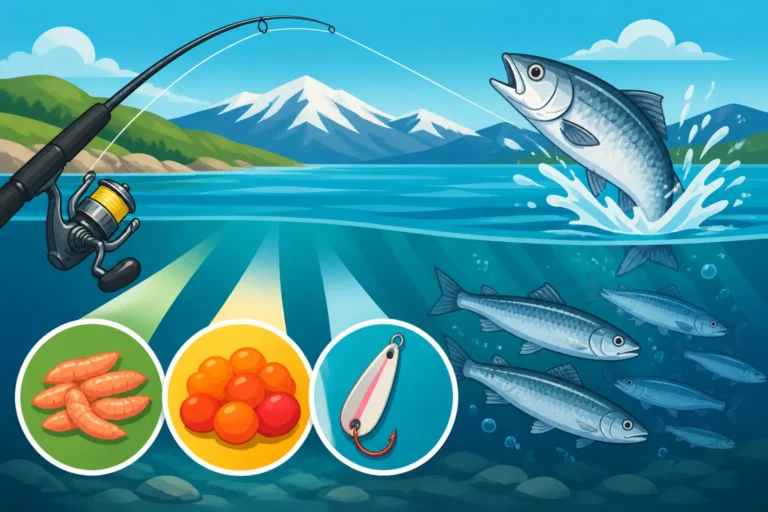
The sheer variety of lures out there can be overwhelming, but for Utah rivers, a few categories consistently prove their worth. For trout, spinners are arguably king. Brands like Mepps and Rooster Tail (you can find a great selection of these on Amazon) in sizes #0 to #3 are incredibly effective. Their flashing blade and vibration attract fish, and they're relatively easy to cast and retrieve in current. Simply cast slightly upstream and retrieve just fast enough to get the blade spinning, letting the current do some of the work. Spoons, such as a Kastmaster or Little Cleo, are another excellent choice, particularly in deeper pools or when fish are holding closer to the bottom. Their wobbling action mimics injured baitfish.
For both trout and smallmouth bass in rivers, small crankbaits that imitate minnows can be deadly. Floating crankbaits are great for shallower water or when you want to bounce them off rocks without getting snagged. Diving crankbaits can get down to fish holding in deeper runs. Small jigs, especially those with marabou or grub bodies, are incredibly versatile. Tipped with a small piece of bait or fished bare, they can be bounced along the bottom or jigged through seams. For those times when fish are finicky, or you simply prefer the reliability of natural offerings, worms (nightcrawlers or garden worms) or PowerBait, drifted naturally with the current under a small bobber or on a bottom rig, are hard to beat. Always remember to check Utah Fishing Regulations Explained for any bait restrictions on specific waters.
Accessory Must-Haves for River Anglers
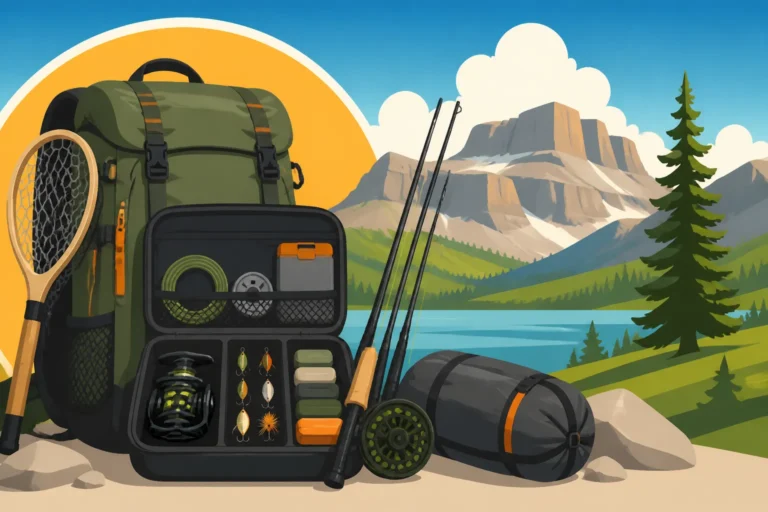
Beyond your rod and reel, a few key accessories will make your river fishing trips much more productive and enjoyable.
- Landing Net: A rubberized landing net is not just a convenience; it's a crucial tool for responsible angling, especially if you plan to practice catch and release. The rubber mesh protects the fish's delicate slime coat, which is vital for their health. It also prevents hooks from getting tangled, making for a quicker and safer release. A net with a longer handle can be especially helpful for reaching fish in current or from a steep bank. For more on safe release, consult How to Release a Fish Without Hurting It in Utah.
- Pliers/Forceps: These are essential for quickly and safely removing hooks, particularly when they're swallowed deeply. Long-nose pliers or hemostatic forceps allow you to extract hooks with minimal damage to the fish.
- Waders and Wading Boots: To truly explore a river and access prime fishing spots, you'll likely need to get in the water. Breathable chest waders (like those found on Amazon) paired with sturdy wading boots (maybe even studded for extra grip on slick river rocks) are a game-changer. They keep you dry and comfortable, allowing you to position yourself for the best casts and drifts. Understanding Waders for Cold Provo River Water can help you select the right pair.
- Small Backpack/Vest: Carrying extra lures, leaders, snacks, water, and perhaps a small first-aid kit is always a good idea. A fishing vest or a compact backpack keeps your essentials organized and accessible without hindering your casting motion.
- Line Clippers/Small Knife: For tying knots and cutting line, a sharp pair of clippers or a small knife is indispensable. You'll be tying and re-tying frequently in river fishing due to snags or lure changes. If you need a refresher on knot tying, refer to How to Tie a Basic Fishing Knot for Trout Fishing.
- Polarized Sunglasses: These aren't just for looking cool; they're incredibly functional. Polarized lenses cut through the glare on the water's surface, allowing you to spot underwater structure, dark pockets where fish might hide, and even the fish themselves.
Mastering Spin Tackle Techniques for River Fishing in Utah
Now that you've got your gear sorted, it's time to talk technique. River fishing with spin tackle isn't just about casting and reeling; it's an art form that involves reading the water, understanding how currents manipulate your lure, and learning to feel for subtle bites.
Casting and Presentation in Current
One of the biggest hurdles for new river anglers is getting their lure to behave naturally in the current. Your goal is often to present your lure in a way that mimics a natural food source drifting downstream. This requires specific casting angles.
- Quartering Upstream: This is a fantastic technique, especially for spinners, spoons, and drifting bait. Cast your lure at an angle slightly upstream and across the current. As your lure lands, allow the current to carry it downstream. Retrieve just fast enough to keep your lure moving and active, but slow enough that it's drifting naturally, almost at the speed of the current. This "swing" allows your lure to cover a good stretch of water and present a broadside profile to fish holding in seams or behind structure. It gives the fish a chance to see and react to your offering as it comes towards them and then passes.
- Casting Downstream and Across: Sometimes, you'll want to cast directly downstream or slightly down-and-across, especially when targeting eddies or deep pockets. This can be effective for crankbaits or jigs that you want to work slowly against the current. The current will press against your line, allowing your lure to dive deeper or hold its position longer in a specific spot. Just be mindful that fish will be facing upstream, so your presentation needs to come from behind them and look natural.
- Mending Your Line: This is a crucial skill for controlling your lure's drift. If you cast upstream and your line immediately starts bowing downstream due to surface current, your lure will be pulled unnaturally fast. To "mend" your line, make a quick flick of your rod tip upstream, picking up the slack and repositioning your line so it's directly above your lure, creating a more natural, drag-free drift. This is especially important when you're trying to keep your lure in a specific current seam for an extended period. The goal is always to keep your lure moving at the same speed as the surrounding water, making it indistinguishable from a natural food item.
Retrieving and Detecting Bites
Once your lure is in the water, your retrieve pattern is key. Different lures require different retrieves, and the current will significantly influence how your retrieve feels.
- Spinners and Spoons: For these, a steady, consistent retrieve is usually best to keep the blade spinning or the spoon wobbling. Cast upstream and retrieve as the lure swings downstream. You'll want to feel the vibration of the spinner blade through your rod. If you stop feeling it, your retrieve is too slow, or the current is too strong, and the lure isn't working properly. Vary your retrieve speed slightly to mimic erratic baitfish, but maintain enough speed to activate the lure's action.
- Crankbaits and Jigs: These often benefit from a more varied retrieve. For crankbaits, try a "stop and go" retrieve, pausing occasionally to let the lure float or sink slightly before resuming. For jigs, a "bounce and drift" technique is highly effective. Cast upstream, let the jig sink to the bottom, and then gently lift and drop your rod tip, allowing the jig to tumble along the riverbed with the current. This imitates an insect or baitfish struggling against the flow.
- Detecting Bites in Current: This is often the trickiest part. In moving water, a bite might not feel like a sharp "thump" you'd get in still water. Instead, it could be a subtle twitch of your line, a momentary stop in your lure's vibration, or even just a feeling of added weight. Keep a close eye on your line where it enters the water; any unusual movement, hesitation, or sudden tightening can indicate a strike. Because of the current, fish often grab a lure and turn with it, so a quick, decisive hook set is usually necessary. Don't be afraid to set the hook on anything that feels "off."
Fighting Fish in Current
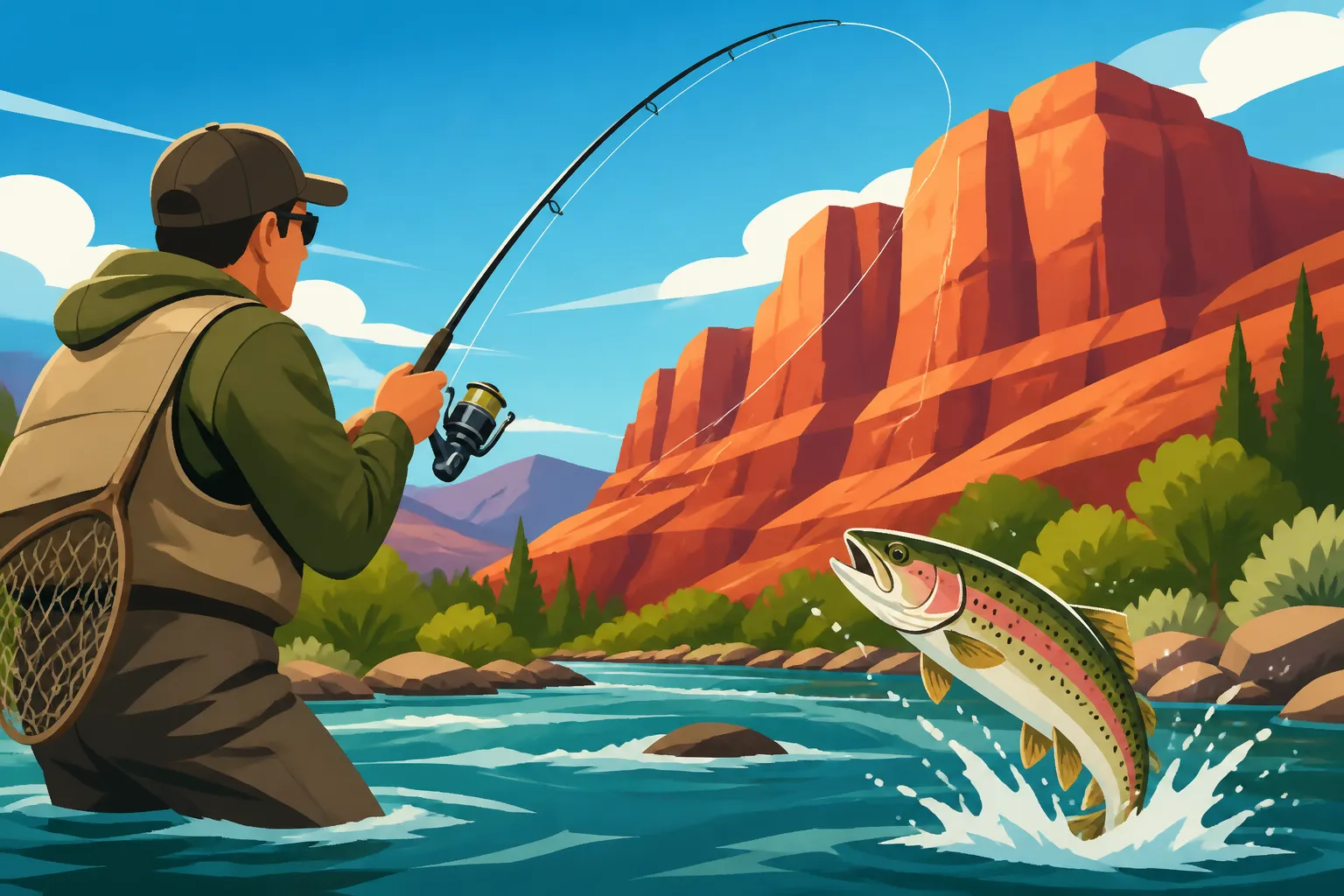
Hooking a fish in a river is exciting, but landing it, especially a strong one in a fast current, is a different ballgame. Fish will instinctively use the current to their advantage, turning sideways and letting the water pressure increase the fight.
- Maintain Pressure, but Don't Horse It: Keep constant tension on the line, but avoid trying to muscle the fish upstream against the full force of the current. This is a quick way to snap your line or pull the hook. Let your rod's bend and your reel's drag do the work.
- Work the Fish Downstream or Out of Current: Often, the easiest way to land a strong fish is to allow it to move downstream into a slower pool or eddy. Guide it gently, maintaining pressure, until you can get it into calmer water where you have more control. If you try to pull it directly upstream against a strong flow, you're essentially fighting the fish and the river.
- Adjust Your Drag: Be prepared to adjust your drag on the fly. A fish making a strong run might require loosening the drag slightly to prevent a break-off, while a fish that's tiring might allow you to tighten it a bit to gain line. You'll get a feel for this with experience. Keep the rod tip up, acting as a shock absorber, and pump and reel, gaining line when the fish pauses.
Ethical Angling and Best Practices for Utah Rivers
As anglers, we have a responsibility to not only enjoy Utah's incredible fisheries but also to protect them for future generations. This goes beyond just following the law; it's about adopting an ethos of respect for the fish and their environment.
Catch and Release Best Practices
Many of Utah's rivers, especially Blue Ribbon Fisheries, thrive on healthy catch-and-release practices. If you're releasing fish, how you handle them is critical to their survival.
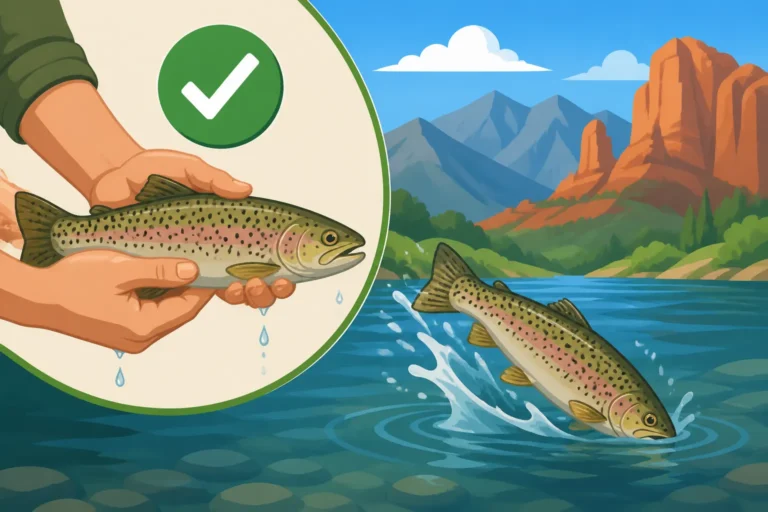
- Wet Hands: Always wet your hands thoroughly before touching a fish. Dry hands can remove the protective slime coat, leaving the fish vulnerable to disease.
- Use a Net: A rubberized landing net is ideal. It cradles the fish, prevents injury, and keeps the hooks from tangling. This allows for quick, stress-free handling.
- Minimal Air Exposure: Keep the fish in the water as much as possible. If you need a photo, lift it just above the surface for a few seconds, then immediately return it. Fish cannot breathe air, and prolonged exposure is extremely stressful and often fatal.
- Quick Hook Removal: Use your pliers or forceps to quickly and gently remove the hook. If the fish is deeply hooked, especially in the gills or gut, it's often best to cut the line as close to the hook as possible rather than trying to rip it out. The hook will often rust away. Using barbless hooks (or pinching down barbs) makes hook removal much easier and less damaging.
- Revive the Fish: Hold the fish gently facing upstream in the current, allowing water to flow over its gills. Don't push it back and forth; just hold it steady until it regains its strength and can swim away on its own. It's truly rewarding to watch a fish you've caught swim off vigorously to fight another day.
Respecting Regulations and the Environment
Before heading out, always consult the most current Utah Fishing Regulations Explained for the specific river you plan to fish. Regulations can vary widely by water body, sometimes even by specific sections of a river, regarding species limits, tackle restrictions (e.g., fly-fishing-only waters, bait restrictions), and season dates. Ignorance of the law is no excuse, and wardens are diligent in protecting Utah's resources. Our Utah Fishing Season Dates and Limits guide can offer more general information.
Beyond the regulations, practice "Leave No Trace" principles. Pack out everything you pack in, and if you see any trash left by others, consider packing that out too. Avoid trampling riparian vegetation, as these plants stabilize banks and provide vital habitat. Be mindful of private property signs; respect landowners' rights and stick to public access points or designated easements. The beauty of Utah's outdoors is a privilege, and we all play a role in preserving it. Also, be aware of Utah Aquatic Invasive Species Rules for Anglers to prevent the spread of harmful species.
Safety on the River
River fishing, while incredibly rewarding, carries inherent risks. Being prepared for potential hazards is part of being a responsible angler.
- Wading Safety: Fast currents and slippery, uneven riverbeds are a dangerous combination. Always wear sturdy wading boots with good grip. A wading staff can provide extra stability, especially when crossing swift sections or navigating deep spots. Know your limits and don't wade into water that's too deep or too fast for your comfort level. The general rule of thumb is "if in doubt, don't go out."
- Weather Awareness: Utah weather can change rapidly. Check the forecast before you go, and be prepared for sudden thunderstorms, which can cause flash floods, especially in canyons. Rapidly rising water levels can be extremely dangerous for waders. Dress in layers to accommodate temperature swings, and always carry enough water, even on cool days.
- Buddy System: Whenever possible, fish with a buddy. If something goes wrong, having someone else there can be a lifesaver. If you're fishing alone, let someone know where you're going and when you expect to return. Always carry a fully charged phone, though be aware that cell service can be spotty in remote river canyons.
By understanding the challenges, equipping yourself properly, honing your techniques, and adhering to ethical practices, you'll find that fishing Utah's rivers with spin tackle is an incredibly engaging and rewarding experience. There are so many Best Places to Fish in Utah and specifically the Provo River Fishing Guide that offer amazing opportunities.
| Lure Type | Best Use Case | Retrieve Style |
|---|---|---|
| Spinners | Riffles, runs, current seams, clear water | Steady, just fast enough to make blade spin |
| Spoons | Deeper pools, targeting larger trout, open water | Erratic jigging, stop-and-go, steady wobble |
| Small Crankbaits | Stream banks, structure, varying depths, bass/trout | Stop-and-go, steady, occasional twitch |
| Jigs | Bottom bouncing, deep pockets, structure, finicky fish | Lift-drop, hop-and-drag, slow retrieve |
| Natural Baits | Slow pools, eddies, picky fish, high success rates | Drift naturally with current, still fish on bottom |
Disclaimer
This article is for general informational purposes only and does not constitute professional advice. Laws, prices and regulations vary by location and change over time. Consult a qualified professional for guidance on your specific situation.