What Color PowerBait Works Best in Utah Reservoirs?
One of the most common frustrations for any angler heading out to a Utah reservoir, especially when targeting those hungry trout, is staring at a wall of PowerBait options and wondering which color will actually get a bite. It feels like there are hundreds of shades, and the fish seem to have a different preference every day! This comprehensive guide is here to cut through the confusion and help you confidently choose the best PowerBait colors to maximize your success in Utah's diverse reservoir fisheries.
The Psychology of PowerBait Colors and Fish Vision
It's easy to think of fish as simple creatures, but their sensory world, especially their vision, is quite complex and directly impacts how they perceive the colors we present to them. Understanding this is key to unlocking which PowerBait hues will truly grab their attention under various conditions. We're not just throwing colors out there; we're trying to appeal to their instincts and visual capabilities.
Understanding Fish Vision in Different Water Conditions
Imagine trying to see in murky water or on a really dark, overcast day. That's often what fish are dealing with. Fish vision is highly adapted to their aquatic environment, which means light behaves very differently underwater than it does in the air. Different wavelengths of light penetrate water to varying depths and clarity levels. In clear, shallow water, fish can see a full spectrum of colors, much like we do. This is where subtle, natural presentations can really shine.
However, as you go deeper or into stained, turbid water, certain colors become invisible first. Red light, for example, is absorbed very quickly, meaning that a bright red PowerBait might just look like a dull grey or black blob even a few feet down. Blue and green light penetrate deeper, which is why lures mimicking those colors can be effective in deeper or clearer water. In really cloudy or muddy water, the visibility is severely limited, and fish rely more on scent and vibration, but even then, certain high-contrast or fluorescent colors can still be perceived as more than just a silhouette. Knowing the specific water you're fishing – whether it's crystal clear like some high mountain lakes or silty like sections of Utah Lake – will dramatically inform your PowerBait choice.
Emulating Natural Prey vs. Attracting Attention
When it comes to selecting a PowerBait color, you're generally aiming for one of two strategies: either making your bait look like something a fish would naturally eat, or making it so outlandish and visible that it triggers an inquisitive or aggressive strike. Both have their time and place, and successful anglers often switch between these tactics depending on the day.
Emulating natural prey involves selecting colors that mimic the forage present in the reservoir. This could mean subtle greens and browns for aquatic insects, or silvers and pale yellows for small baitfish. In highly pressured waters, where fish have seen every bright, flashy bait under the sun, a natural presentation can often fool wary trout. This is especially true for wilder, more cautious trout species like brown trout or cutthroat in clearer streams or certain sections of a reservoir. Think about what the fish are likely feeding on naturally; sometimes it's tiny crustaceans, other times it's small minnows. Reaching for a more subdued, natural-looking PowerBait can be a game-changer. For more advice on how to trick those finicky eaters, check out our guide on Utah Trout Fishing Tips.
On the other hand, attracting attention means throwing out colors that scream, "Look at me!" These are your chartreuses, your bright oranges, and your vibrant pinks. These colors don't necessarily mimic anything natural but are designed to stand out, especially in stained water or during low light conditions. The goal here isn't deception; it's provocation. The fish might be curious, annoyed, or simply reacting to a sudden burst of color in their field of vision. This strategy often works wonderfully for freshly stocked trout, which are usually not as wary and are more prone to strike out of instinct or competition. It's also great when the bite is slow, and you need something to really wake them up.
Top PowerBait Colors for Utah Reservoirs and Why
When you step into a tackle shop, the sheer variety of PowerBait colors can be overwhelming. But after years of fishing Utah's diverse waters, certain colors consistently rise to the top as reliable producers. Let's break down the go-to shades and when they perform best.
Chartreuse and Fluorescent Yellow: The All-Around Winners
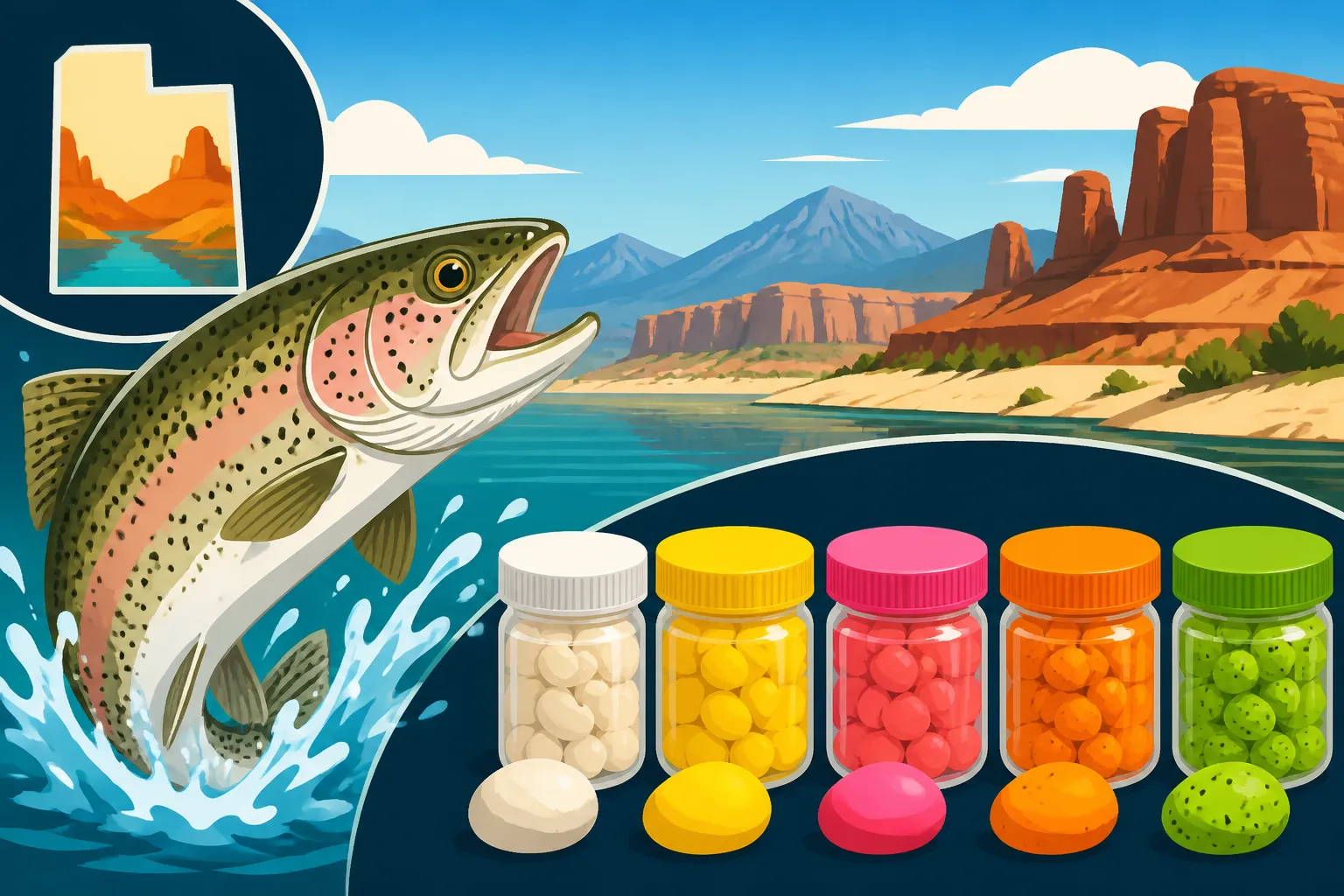
If there's one color family that consistently finds its way into almost every successful Utah angler's tackle box, it's chartreuse and fluorescent yellow. These vibrant shades are practically magic in many Utah reservoirs, and for good reason. They offer an incredible balance of visibility and an almost irresistible appeal to trout, particularly rainbow trout and those eager stockers.
Why are they so effective? It comes down to their high visibility underwater. These colors maintain their vibrancy even in slightly stained or deeper water where other colors fade. They seem to emit a glow that fish can't ignore, often appearing even brighter in low light conditions or when cloud cover is heavy. This "glow" is particularly attractive to actively feeding fish. Think of places like Strawberry Reservoir or Deer Creek Reservoir, where chartreuse PowerBait regularly accounts for a huge number of catches. It’s almost a universal language for hungry trout. When trout are recently stocked, which happens frequently across many Utah waters, their instinct to feed and compete is high, and these bright colors just trigger them. For a deeper dive into the specifics of using this bait, read our article on How to Fish PowerBait for Stocked Trout. If you’re ever in doubt about what to tie on, starting with chartreuse or fluorescent yellow is almost always a safe bet.
White, Rainbow, and Natural Tones: When to Opt for Subtle
While bright colors often grab headlines, sometimes subtlety is the name of the game, especially in Utah's clearer waters or when targeting more educated, wary fish. This is where white, rainbow, and more natural-looking PowerBait tones truly shine. These colors are designed to be less obtrusive, mimicking natural food sources or offering a clean, clear presentation.
White PowerBait, for instance, can be surprisingly effective. In extremely clear water, it often looks like a small, injured baitfish or a piece of digestible protein. It presents a clean silhouette without screaming "artificial," which can be crucial for trout that have seen a lot of fishing pressure. The same goes for the "Rainbow" PowerBait variations, which often feature swirls of pink, green, and yellow. These don't necessarily stand out as a single bright color but instead offer a more complex, mottled pattern that can resemble insect larvae or smaller prey.
Natural tones, such as pale greens, browns, or even a subtle "marshmallow" look, are excellent choices for times when fish are finicky or when the water is exceptionally clear. Many anglers find these work well in pristine mountain lakes in the Uinta Mountains, for example, where trout are often wilder and more selective. If you're fishing a quiet cove on a sunny day with excellent water clarity, trying a white or rainbow PowerBait might outperform the brightest chartreuse. These colors are about blending in just enough while still offering that irresistible PowerBait texture and scent.
Bright Pink and Orange: High-Visibility for Stained Water
Sometimes, you need something that cuts through the clutter, literally. In Utah's reservoirs, water clarity can vary wildly depending on the season, recent weather, and even the specific body of water. When you're faced with stained, murky, or off-color water, bright pink and orange PowerBait colors become indispensable. These aren't just for trout; they can be surprisingly effective for other species too, though we're focusing on trout today.
These high-visibility colors are formulated to stand out in conditions where light penetration is poor. While red might fade quickly, pink and orange often retain a significant portion of their visual appeal deeper in the water column or in cloudy conditions. They create a strong contrast against the darker, murkier water, making them easier for fish to spot from a distance. Think of fishing after a heavy rain that's muddied up the water, or in reservoirs known for having a bit more turbidity, like sections of Utah Lake (though PowerBait is less common for the warm-water species there, the principle of visibility still applies).
Many anglers swear by bright pink for trout in specific reservoirs, sometimes even outperforming chartreuse. It’s almost as if the fish react aggressively to the unexpected burst of color. Orange, too, can be a fantastic choice, especially when combined with a strong scent. Often, these colors trigger a reaction strike rather than a subtle take, which can be thrilling. Don't be afraid to experiment with these bold choices when the conditions aren't perfectly clear; they might just be the ticket to filling your stringer.
Factors Influencing PowerBait Color Choice Beyond Just the Hue
Choosing a PowerBait color isn't a one-size-fits-all situation. Beyond the inherent visibility of the color itself, several environmental and behavioral factors play a huge role in how fish respond. Ignoring these can lead to frustration, even if you're using a generally "good" color.
Water Clarity and Light Conditions
We've touched on this already, but it bears repeating with more specific examples. Water clarity is arguably the single most important factor when selecting your PowerBait color.
- Crystal Clear Water: In waters where you can see the bottom several feet down, fish have excellent visibility. Here, subtle, natural-looking colors like white, clear, or rainbow PowerBait often work best. Bright, fluorescent colors can appear unnatural and actually spook wary trout. Think high-altitude lakes or the clear sections of larger reservoirs on bright, sunny days.
- Slightly Stained/Cloudy Water: This is the sweet spot for many of the fluorescent colors. Chartreuse, fluorescent yellow, and even bright pinks really shine here. The slight murkiness helps diffuse the light, making these colors appear vibrant and enticing without being overly aggressive. Many popular Utah reservoirs fall into this category on an average day.
- Muddy/Turbid Water: When the water looks like chocolate milk, visual cues are severely limited. While PowerBait's scent becomes paramount, high-contrast colors can still help. Bold orange, dark chartreuse, or even black PowerBait can create a better silhouette against the murky background. However, in these conditions, sometimes the most important thing is to ensure your bait is directly in the fish's path, as they'll be relying heavily on their lateral line and sense of smell.
Light conditions also play a critical role. On overcast days or during dawn and dusk, brighter, more fluorescent colors tend to perform well because they can still "glow" even with limited ambient light. On very bright, sunny days, sometimes a more subdued color that doesn't reflect too much light can be more effective. Consider how sunglasses help you cut glare; fish are doing something similar with their eyes, and too much reflected light can be off-putting.
Recent Stocking and Fish Pressure
The behavior of fish in a reservoir, particularly trout, is heavily influenced by whether they are wild, native fish or recently stocked. This distinction dramatically impacts their susceptibility to different PowerBait colors.
- Recently Stocked Trout: These fish are often naive and hungry. They've spent their lives in a hatchery environment, where bright, pellet-like food was common. Consequently, they tend to be highly aggressive towards bright, flashy colors like chartreuse, fluorescent orange, and bright yellow. They're not as wary as wild fish and are often competing intensely for food, so a highly visible bait is quickly noticed and devoured. If you're fishing a community pond right after a DWR stocking, these are your go-to colors. You can usually find stocking reports on the Utah Division of Wildlife Resources website to plan your trip accordingly. For more details on these new arrivals, see our article on How Soon After Stocking Should You Fish a Utah Pond?.
- Pressured or Wild Fish: As stocked fish survive and anglers constantly pepper them with lures, they become "educated" or "pressured." They learn to associate certain bright colors with danger. Wild fish, having never been stocked, are naturally more cautious. In these scenarios, switching to more natural, subdued colors like white, rainbow, or even PowerBait in earthy tones can be far more effective. These presentations look less threatening and more like natural forage. If you're targeting trophy trout in waters known for larger, older fish, sometimes subtle is better.
The lesson here is to always consider the history of the fish you're targeting. Are they fresh out of the hatchery, or have they been dodging hooks for months or years? Your PowerBait color choice should reflect that assessment.
Temperature and Seasonality
Fish, being cold-blooded creatures, are heavily influenced by water temperature, which fluctuates throughout the seasons in Utah's reservoirs. Their metabolism, activity levels, and even aggression can change, subtly impacting their preference for PowerBait colors.
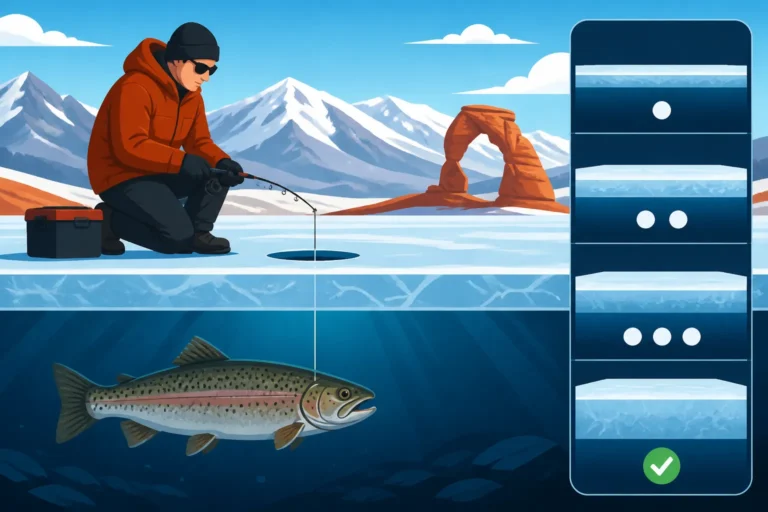
- Cold Water (Winter/Early Spring): In colder temperatures, fish generally become less active and their metabolism slows down. They might be less inclined to chase a fast-moving, flashy lure. While bright colors can still attract attention due to their visibility, sometimes a more subtle, slower presentation with natural or even white PowerBait is preferred. Fish are often holding deeper and are more lethargic. You want to pique their interest without overwhelming them. During Utah's popular ice fishing season, for example, many anglers find that even subtle variations in PowerBait colors presented on a jig can make a difference.
- Moderate Water (Spring/Fall): This is often the prime time for active feeding, especially during spring and fall turnover. Fish are often more aggressive, and a wide range of PowerBait colors can be effective. Bright colors like chartreuse and orange are excellent for eliciting reaction strikes from actively foraging trout. As the water warms, fish are more willing to move and investigate.
- Warm Water (Summer): In the heat of summer, especially in shallower reservoirs, trout might retreat to deeper, cooler waters. Their activity can slow down during the hottest parts of the day. During these times, bright, high-contrast colors can still work, particularly if fished deep where light penetration is limited. However, some anglers find that more subdued colors can be better if fish are stressed by heat and less inclined to chase anything overtly flashy. For species like bass or catfish that thrive in warmer water, brighter PowerBait colors designed for those species often perform well, though we're focusing on trout today.
Understanding the seasonal patterns and how they affect fish behavior is another layer to master in your PowerBait strategy. Don't be afraid to adjust your color palette as the seasons change or as you move from one reservoir to another with different thermal profiles.
Tips for Maximizing Your PowerBait Success in Utah
Choosing the right color is a huge step, but it's not the only factor in successful PowerBait fishing. Presentation, experimentation, and even combining PowerBait with other attractants can significantly boost your catch rate in Utah's reservoirs.
Rigging Your PowerBait for Optimal Presentation
PowerBait is designed to float, which is its secret weapon. You want to leverage this buoyancy to keep your bait suspended just off the bottom, where it’s easily visible to cruising trout and away from bottom debris. The most common and effective rig for PowerBait in Utah reservoirs is the slip-sinker rig, often called a Carolina rig for bait.
Here’s the basic setup:
- Line: Start with your main fishing line.
- Sinker: Thread a small, egg-shaped or bullet-shaped slip sinker onto your main line. The weight depends on how far you need to cast and how much current or wind you're dealing with, but generally, 1/8 to 1/2 ounce is sufficient for most reservoirs.
- Swivel: Tie a small barrel swivel to the end of your main line. This prevents the sinker from sliding down to your hook and helps reduce line twist.
- Leader: Tie a fluorocarbon or monofilament leader (6-24 inches long) to the other end of the swivel. Fluorocarbon is often preferred for its near-invisibility underwater.
- Hook: Tie a small, sharp hook to the end of your leader. A size 10 to 14 treble hook or a size 6 to 8 single bait hook is typically ideal for PowerBait. The crucial part is to ensure the hook is small enough to be mostly hidden by the PowerBait. For more on hook choice, check out What Size Hook Should You Use for Utah Stocked Trout?.
- PowerBait: Mold a pea-sized to nickel-sized ball of PowerBait onto your hook, ensuring the hook point is fully embedded. Make sure it forms a round, buoyant ball.
When cast, the sinker goes to the bottom, but the floating PowerBait on the leader rises off the bottom, presenting perfectly at trout eye level. This is crucial because trout often feed slightly above the reservoir floor. This setup also allows the fish to pick up the bait and move off without immediately feeling the weight of the sinker, giving you a better chance to set the hook.
Experimentation Is Key
No matter how much advice you read, fish are notoriously unpredictable. What worked yesterday might not work today, and what works at one reservoir might fail miserably at another. This is why experimentation is absolutely paramount when fishing with PowerBait in Utah.
Don't be afraid to change colors if you're not getting bites. Start with a tried-and-true color like chartreuse or a fluorescent yellow. If after 15-20 minutes you're not getting any action, switch to something different. Try a natural tone like white or rainbow. Then maybe a bright pink or orange. The key is to systematically try different options until you find what the fish are keying in on that day. If you're fishing with multiple rods, or with friends, try using different PowerBait colors on each setup to quickly identify the hot color.
It's not just about color, either. Experiment with the size of your PowerBait ball, the length of your leader, and even how far you're casting. Sometimes just a slight adjustment can make all the difference. Remember, the fish aren't reading the fishing reports; they're responding to their environment and instincts in real-time. Be flexible and willing to adapt.
Combining PowerBait with Other Attractants
While PowerBait itself is infused with powerful scents, sometimes a little extra something can tip the scales in your favor, especially when the bite is tough or you're trying to appeal to less active fish.
- PowerBait Dough with Added Scents: You can buy additional liquid or gel scents (from brands like Berkley, Pro-Cure, or even good ol' Amazon) that can be applied directly to your PowerBait. Garlic, anises, or even plain fish oils are popular choices. A few drops can amplify the scent trail, helping fish locate your bait in stained water or from a greater distance. Be careful not to use too much, as some fish can be sensitive to overpowering scents.
- PowerBait with Natural Bait: Some anglers combine PowerBait with a small piece of natural bait, like a kernel of corn, a mealworm, or a wax worm. The PowerBait provides buoyancy and scent, while the natural bait offers an irresistible texture and additional scent. This can be a deadly combination, particularly for trout that might be wary of purely artificial presentations. Just make sure the natural bait doesn't completely negate the PowerBait's buoyancy, or your bait might sink.
- PowerBait with Flashers or Attractors: While less common for static PowerBait fishing, some anglers using a trolling setup might add a small dodger or flasher ahead of their PowerBait (on a very short leader) to create additional visual appeal and vibration. This is more often seen with lures, but it's an option for those looking to really grab attention. However, for most PowerBait applications, simplicity is key, and focusing on the bait itself is usually enough.
PowerBait Color Quick Reference for Utah Reservoirs
To help you keep track of when to use which color, here's a handy table summarizing the common scenarios and the best PowerBait colors to consider. This isn't an exhaustive list, but it provides a solid starting point for your next fishing adventure.
| Water Conditions | Light Conditions | Fish Type / Pressure | Recommended PowerBait Colors | Why it Works |
|---|---|---|---|---|
| Clear Water | Sunny | Wary, Wild, or Pressured Trout | White, Clear, Rainbow, Natural (e.g., "Mallow") | Subtlety, natural appearance, less aggressive |
| Clear Water | Overcast | Active, Stocked Trout | Chartreuse, Fluorescent Yellow, Pink | Still highly visible, provides enough contrast without being overwhelming |
| Slightly Stained | Any | Active, Stocked Trout | Chartreuse, Fluorescent Yellow, Bright Orange, Pink | Excellent visibility, strong contrast, triggers aggressive strikes |
| Muddy/Turbid Water | Any | Any (scent is key) | Bold Orange, Dark Chartreuse, Black, Garlic-infused variants | Strong silhouette, maximizes limited visibility, scent trail aids detection |
| Low Light (Dawn/Dusk) | Low | Active Trout | Fluorescent Yellow, Chartreuse, Glow-in-the-dark (if available) | "Glows" with minimal light, highly visible during prime feeding times |
| Heavily Pressured | Any | Wary, Educated Trout | White, Natural, Earth Tones, Small Rainbow | Less suspicious, mimics natural food without the flash |
| Cold Water | Any | Lethargic Trout | White, Pale Yellow, Natural (slower retrieve/still fishing) | Less aggressive, subtle presentation for less active fish, good buoyancy |
| Warm Water | Any | Active Trout | Chartreuse, Orange, Pink (focus on cooler, deeper water) | High visibility to attract active fish, stands out in deeper zones |
Disclaimer
Fishing regulations, conditions, and fish behavior can change rapidly. Always consult the most current Utah Division of Wildlife Resources (DWR) regulations before heading out. This guide provides general advice and recommendations, but local conditions and specific DWR rules for each body of water should always take precedence. Be safe, ethical, and enjoy your time on Utah's beautiful waters.