How Northern Pike Got Into Utah Lake
The appearance of Northern Pike in Utah Lake has been a concerning development for many anglers and conservationists alike. It throws a wrench into the delicate balance of an already complex ecosystem and leaves many scratching their heads, wondering how such a highly predatory fish, not native to Utah, ended up in one of our most iconic bodies of water. This guide aims to pull back the curtain on this challenging situation, exploring the likely origins of Northern Pike in Utah Lake, the ecological impact they have, and what anglers can do to help manage their presence.
The Unwanted Guests: Understanding Northern Pike in Utah Lake
When we talk about Utah Lake, most of us picture walleye, catfish, and bass – maybe even the protected June sucker. Northern Pike, with their distinctive long, slender bodies, duckbill snouts, and rows of razor-sharp teeth, are definitely not on that list of expected residents. Their presence signals a significant and often unwelcome change to the aquatic landscape. It's a classic case of an invasive species making itself at home where it simply doesn't belong, creating ripple effects that impact everything from the smallest minnows to the largest sport fish. This isn't just a minor annoyance; it's a serious ecological challenge that requires vigilance and understanding from everyone who cares about Utah's fisheries.
What Makes Northern Pike a Problem in Utah?
Northern Pike are formidable predators, plain and simple. They're built for ambush, and they grow large, meaning they can and will eat almost any other fish in their environment. In a place like Utah Lake, which already has its fair share of challenges, adding an apex predator like the pike creates a whole new set of worries. They don't just eat "nuisance" fish; they'll happily consume native species, juvenile sport fish, and anything else they can fit into their mouths.
Consider the delicate balance of the food web. Native species and even established sport fish like walleye and bass have evolved within a certain set of predatory pressures. When a new, highly efficient predator is introduced, it can quickly decimate populations that aren't equipped to handle it. This isn't just theoretical; we've seen this play out in other waters where pike have been illegally introduced. They can quickly become the dominant predator, outcompeting other fish for food and territory, and potentially pushing vulnerable species to the brink. This directly impacts the fishing opportunities we cherish, as well as the overall health of the lake.
Identifying Northern Pike: What to Look For
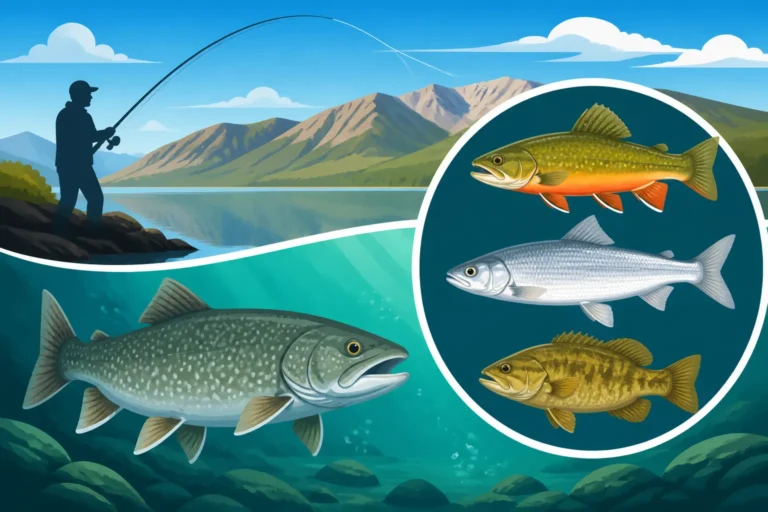
So, how do you know if you've caught a Northern Pike and not something else? It's important to be able to identify them correctly because Why Utah Lake Require You to Kill Every Northern Pike?. Northern Pike have a few key characteristics that make them stand out. Their body is long and torpedo-shaped, often appearing somewhat greenish-brown with lighter, bean-shaped spots or streaks along their sides. They have a distinctive "duckbill" snout, which is elongated and flat, equipped with those numerous sharp teeth.
Another key identifier is their dorsal fin, which is set far back on their body, almost directly above their anal fin. This posterior placement of fins is a classic trait. While other fish in Utah Lake might be predatory, none quite match the pike's unique combination of snout shape, body markings, and fin placement. If you're ever in doubt, consult a reliable fish identification guide, or even snap a picture for later verification, but err on the side of caution. Being able to correctly identify this species is the first step in responsible angling and helping to manage its spread.
The Mystery Unraveled: How Northern Pike Likely Arrived
The most common question isn't if Northern Pike are in Utah Lake, but how they got there. Are Northern Pike Native to Utah? The short answer is no, they are absolutely not native. This means their presence is entirely due to human intervention. Unlike natural migrations or historical distributions, the appearance of pike in Utah Lake points squarely to an illegal introduction. It’s a frustrating reality for wildlife managers who work tirelessly to maintain the integrity of our fisheries. Pinpointing the exact person or moment is nearly impossible, but the method of introduction is well-understood.
Illegal Introductions: The Most Common Culprit
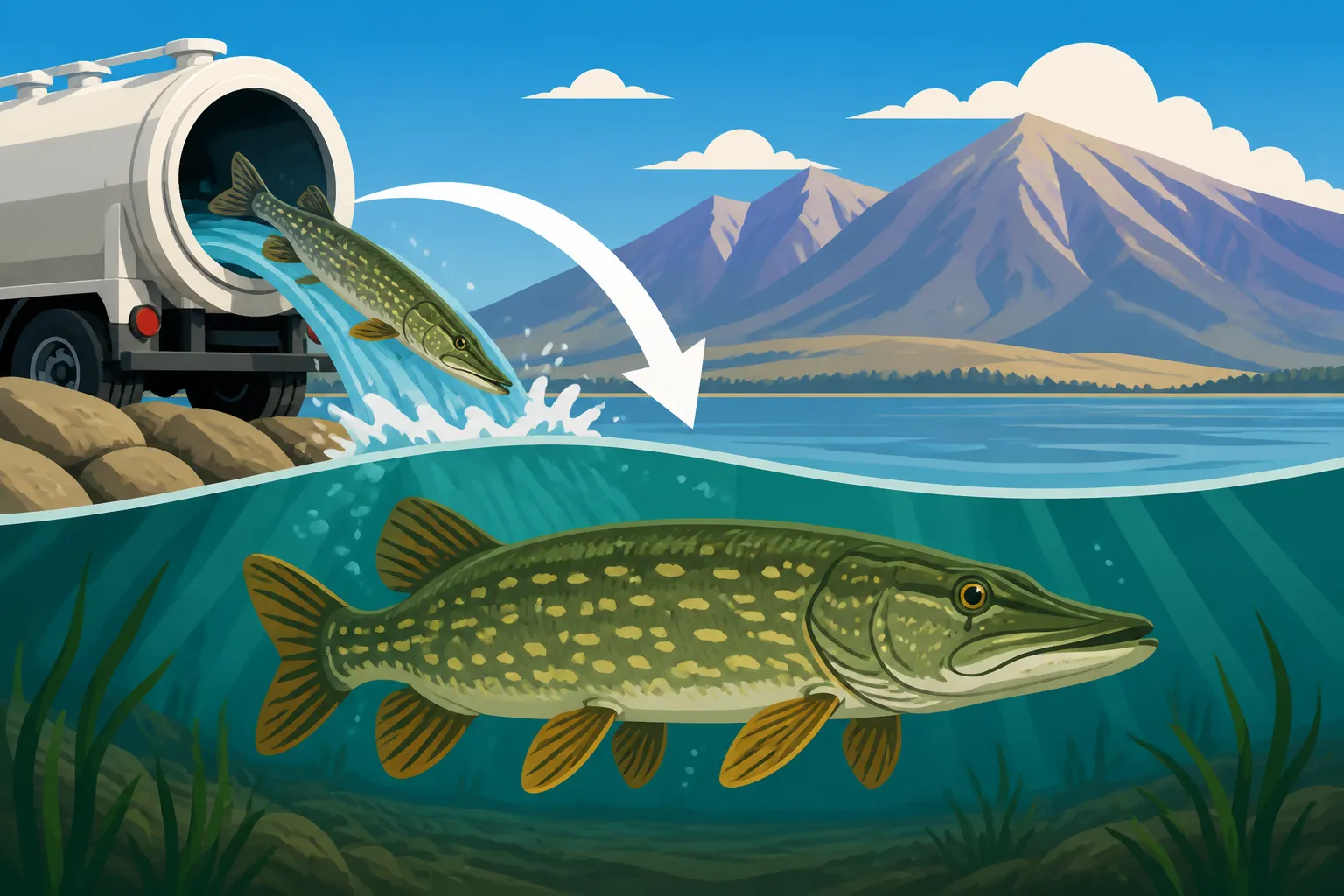
The prevailing theory, and one that has unfortunately proven true in countless other fisheries across the country, is "bucket biology." This term refers to the illegal act of moving live fish from one body of water and introducing them into another, often with nothing more than a bucket. Someone, at some point, caught Northern Pike elsewhere (perhaps in a legal pike fishery in another state or even illegally from another Utah water where they are present) and released them into Utah Lake.
Why would someone do this? The reasons vary, but often it boils down to a misguided attempt to create a new trophy fishery, or simply a lack of understanding about the severe ecological consequences. It could be someone wanting to fish for a species they enjoy closer to home, or perhaps they caught a pike they didn't want to keep and decided to release it into a new lake rather than dispose of it. Regardless of the motive, the outcome is almost always detrimental. These kinds of introductions bypass all scientific evaluations and management plans, leading to unforeseen and often irreversible damage to the existing ecosystem. Preventing this kind of activity is critical, and it relies heavily on angler education and ethical practices. For more on preventing aquatic invaders, check out Utah Aquatic Invasive Species Rules for Anglers.
The "Why": Motives Behind Illicit Stocking
The motivations behind these illegal introductions are complex and rarely malicious in intent, though their impact is devastating. Often, it comes from a place of wanting to "improve" a fishery or create new opportunities. An angler might be passionate about catching Northern Pike and, perhaps out of ignorance or a strong desire for local access, decides to introduce them to a new water body. They might think they are doing a favor, imagining a new trophy fishery without realizing the cascade of negative effects that will follow.
Another factor can be a simple lack of awareness or disregard for Utah Fishing Regulations Explained. Some people might not understand the difference between legal stocking by wildlife agencies and illegal private introductions. They might not realize that moving even a single fish can disrupt decades of conservation work. Or, they might simply not care about the ecological consequences, focused only on their personal fishing preferences. This highlights the ongoing need for public outreach and education, emphasizing why rules about fish translocation are in place and the serious penalties, including Utah Fishing License Penalties for Violations, for breaking them. It's a stark reminder that every angler holds a responsibility to protect our shared aquatic resources.
The Consequences of Illicit Introductions and Management Efforts
The introduction of Northern Pike into Utah Lake isn't just a curious anomaly; it's a significant ecological threat that requires ongoing management and a unified effort from the angling community. Once an invasive species establishes a foothold, fully eradicating it is often incredibly difficult, if not impossible. Therefore, the focus shifts to containment and control, trying to mitigate the damage and prevent the species from spreading further or completely dominating the ecosystem. This involves a combination of regulatory measures, scientific monitoring, and active participation from every angler on the water.
Ecological Impact and Current Management Strategies
The ecological impact of Northern Pike in Utah Lake is multifaceted. As mentioned, they are voracious predators that can consume large quantities of other fish, including valuable sport fish like walleye and bass, and critically, the endangered June sucker. Their presence adds another layer of stress to the June sucker recovery efforts, which have been ongoing for decades. Pike can also outcompete other predators for food resources, potentially altering the entire fish community structure over time. This can lead to a less diverse fishery and, ironically, potentially fewer desirable sport fish for anglers in the long run.
In response to this threat, the Utah Division of Wildlife Resources (UDWR) has implemented a mandatory harvest rule for Northern Pike caught in Utah Lake. This means that any Northern Pike caught must be immediately killed and cannot be released back into the water. This isn't a suggestion; it's a strict regulation designed to try and reduce their numbers and prevent them from becoming an even more dominant species. It's a proactive measure to protect the native fish and existing sport fisheries that Utah Lake is known for. This type of aggressive management is crucial when dealing with such an impactful invasive predator.
| Characteristic | Northern Pike (Invasive) | Largemouth Bass (Established Sport Fish) | Walleye (Established Sport Fish) |
|---|---|---|---|
| Body Shape | Long, slender, torpedo-like | Stout, oval, deep-bodied | Elongated, but more compact than pike |
| Snout/Mouth | Elongated, "duckbill" shaped; large mouth with sharp teeth | Large mouth, jaw extends past eye; typically toothier than walleye | Pointed snout, large mouth with prominent canine teeth |
| Dorsal Fin | Single dorsal fin, set far back (above anal fin) | Single dorsal fin, deeply notched (appears as two) | Two distinct dorsal fins (spiny and soft-rayed) |
| Coloration | Greenish-brown with lighter, bean-shaped spots/streaks | Green to dark green, often with a horizontal dark stripe | Olive-green to gold with dark mottling; white belly |
| Native to Utah Lake | No (invasive) | Yes (introduced, but established sport fish) | Yes (introduced, but established sport fish) |
| Mandatory Harvest in Utah Lake | Yes | No | No |
The Angler's Role: Preventing Further Spread
Anglers are truly on the front lines of defense against invasive species. Your actions directly impact the health of Utah's waters. The most important thing you can do is to strictly adhere to the mandatory harvest rule for Northern Pike in Utah Lake. Catching and keeping every pike you land directly contributes to the management efforts. This is a critical departure from the catch-and-release ethos many of us practice for other species, but it's essential for protecting the lake's ecosystem.
Beyond direct harvest, responsible angling means never, ever moving live fish between water bodies. This practice, known as "bucket biology," is how most invasive species, including these pike, get introduced. If you have extra baitfish at the end of your trip, dispose of them properly; never release them into the water. Clean, Drain, and Dry your boat and gear after every outing, especially if you're moving between different lakes or reservoirs. This helps prevent the spread of other aquatic invasive species like quagga mussels. Organizations like Amazon offer a range of cleaning supplies and boat accessories that can help you with this crucial task, from scrub brushes to portable drying cloths. Being informed and diligent is the best way to ensure the future of Utah's fishing remains bright.
Learning from History: Lessons from Other Invasive Species
The story of Northern Pike in Utah Lake, while specific, is unfortunately not unique. Throughout history, and particularly in recent decades, water bodies across Utah and the globe have faced similar challenges with invasive species. Understanding these past and ongoing struggles provides critical context and reinforces the importance of prevention and active management. It demonstrates that the introduction of even a single non-native species can have far-reaching and often irreversible consequences for an entire ecosystem.
Other Problematic Species in Utah Waters
Utah's waters have seen their share of invasive species, each with its own story and impact. For instance, common carp are well-established in Utah Lake, having been introduced over a century ago. While now a permanent resident and even a target for some anglers, their initial introduction caused significant ecological changes, stirring up sediment and impacting water quality and native vegetation. Another pressing issue is the presence of quagga mussels, particularly in Lake Powell. These tiny, prolific mussels can clog pipes, damage boat engines, and drastically alter the food web, impacting fish populations and recreational access. Learning How Quagga Mussels Got Into Lake Powell provides a stark reminder of how easily these invaders can spread and the extensive, costly efforts required to manage them.
Then there are species like yellow perch and even smallmouth bass in certain waters. While smallmouth bass are highly prized sport fish in many parts of Utah, their introduction into some areas where they are not native can create conflicts with native fish management goals. The designation of a fish as "invasive" often depends on its specific context within a given ecosystem. The key takeaway from all these examples, from carp to quagga mussels, is that any introduction outside of approved management plans carries significant risk. It's a complicated picture, but one that underscores the need for constant vigilance, strong regulations, and knowledgeable anglers. For a broader look at this issue, refer to Fish Species Considered Invasive in Utah Waters.
The Importance of Angler Vigilance and Education
Ultimately, safeguarding Utah's fisheries against invasive species like Northern Pike boils down to collective responsibility and ongoing education. Every angler has a role to play, from understanding Utah Aquatic Invasive Species Rules for Anglers to being proactive in reporting unusual fish catches or suspicious activities. It's not about pointing fingers, but about fostering a culture of conservation and respect for our natural resources. Knowing the characteristics of invasive species, like the distinctive "duckbill" snout of a Northern Pike, helps you make informed decisions when you're on the water.
If you suspect you've encountered an invasive species not typically found in a particular water, reaching out to the Utah Division of Wildlife Resources (UDWR) is crucial. They rely on public reports to track and manage these threats. Resources like identification guides, often available through outdoor retailers on Amazon or directly from the UDWR, can be invaluable tools in your tackle box. The future of Utah Lake and all of our precious fishing waters depends on every one of us being an informed and responsible steward, ensuring that the stories of unwanted introductions become increasingly rare exceptions rather than common occurrences.
Disclaimer
This article is for general informational purposes only and does not constitute professional advice. Laws, prices and regulations vary by location and change over time. Consult a qualified professional for guidance on your specific situation.