When Does a Utah Annual Fishing License Expire?
It's incredibly frustrating when you're geared up for a perfect day on the water, only to realize your fishing license might be expired. Many anglers in Utah have faced this moment of panic, wondering if their annual pass is still valid or if they just wasted a trip. This comprehensive guide is here to clear up all the confusion around when a Utah annual fishing license officially expires, helping you stay compliant and on the water without a hitch.
The Fixed Expiration Date for Annual Utah Fishing Licenses
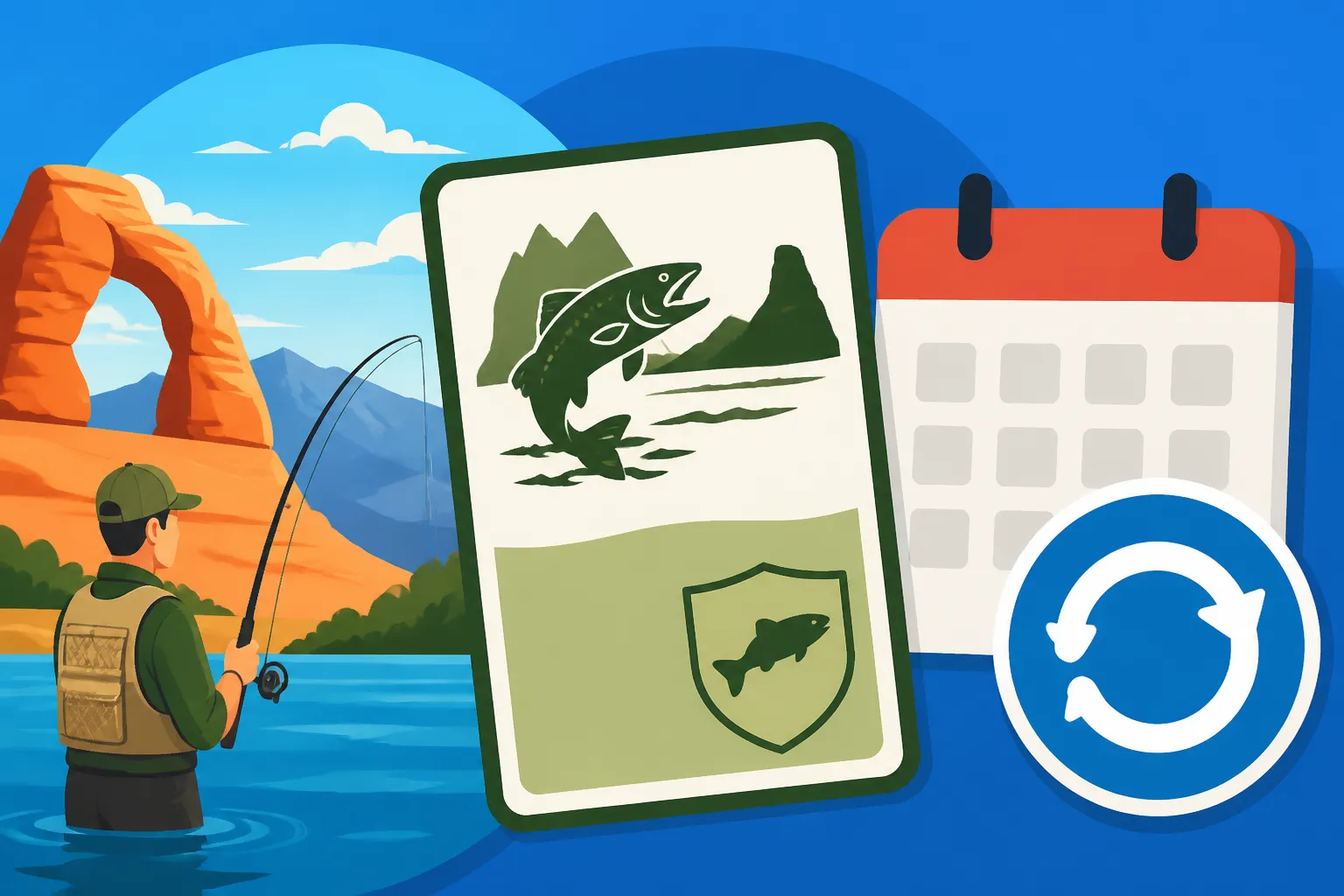
One of the biggest points of confusion for many anglers, especially those new to Utah or coming from states with different systems, is understanding the fixed expiration date for an annual fishing license. In Utah, it's not a rolling 365-day license that expires exactly one year from your purchase date. Instead, every annual Utah fishing license, regardless of when you buy it, expires on December 31st of the year it was purchased.
This fixed date is something that often catches people off guard. Imagine you're a keen angler who decides to pick up your license in July. You might naturally assume it's good until next July. But in Utah, that license will still expire on December 31st. This means that if you buy your annual license in January, you get a full year's worth of fishing. If you buy it in November, you're only getting a couple of months for the same price. This structure is something many states adopt, but it can certainly lead to a bit of a head-scratching moment when you realize you've paid for a full year's validity but only received a fraction of it. It’s vital to understand that this applies universally to all standard annual resident and non-resident fishing licenses. Thinking about these details can help you better plan your purchases for maximum value, ensuring you're covered for as many fishing days as possible throughout the calendar year. For more general information on how long these licenses last, check out our guide on How Long Does a Utah Fishing License Last?.
This particular aspect of Utah's licensing system is worth reiterating because it forms the core of many frustrated conversations at bait shops and boat ramps. People often move here from places where annual licenses are valid for a full 12 months from the date of purchase. So, when they buy a license in, say, September, and then come January they find it's no longer valid, it can feel like a bit of a raw deal. It's not a trick, of course, just a different regulatory approach. The Utah Division of Wildlife Resources (DWR) structures it this way to align with calendar year reporting and management cycles, which makes administrative sense for them. However, for the individual angler, it places the responsibility squarely on you to remember that hard December 31st cutoff. Planning your fishing trips and license renewals around this date becomes crucial to avoid any unpleasant surprises or, worse, being caught fishing without a valid license.
Understanding Different License Types and Their Expiration Variations
While the December 31st rule is the standard for annual licenses, it’s important to understand that not all Utah fishing credentials operate on the same calendar-year system. Various license types cater to different needs, and their expiration periods reflect those specific uses. This differentiation is critical, especially if you're exploring options beyond the basic annual pass.
Annual Licenses Resident and Non-Resident
For your typical resident or non-resident angler, the annual fishing license is the most common choice, and as we've established, it strictly adheres to the December 31st expiration date. This applies whether you're a long-time Utah local enjoying the bounty of local waters or an out-of-state visitor planning an extended stay to experience the incredible fishing in places like Flaming Gorge or Lake Powell. The price might differ based on your residency status, but the expiration rule remains constant. It's a single, straightforward cutoff for everyone. If you've opted for a Utah Fishing and Hunting Combination License Cost, that too will expire on the same December 31st date, bundling your outdoor pursuits into one convenient, calendar-year-bound package.
Short-Term Licenses
Short-term licenses offer a different expiration structure, providing flexibility for those who don't need a full year of fishing. These typically come in 3-day or 7-day options and are a godsend for visitors or locals planning a quick fishing getaway. Unlike annual licenses, these short-term passes are valid for a specific number of consecutive days starting from the date of activation. So, if you purchase a 3-day license and activate it on a Wednesday, it will be valid through Friday, regardless of what month or year that falls into. This "rolling" expiration makes them ideal for vacationers or those testing the waters without committing to an annual purchase. Just remember, these are for continuous days, so once activated, the clock starts ticking.
Youth Licenses and Exemptions
The rules for younger anglers also have specific considerations. Children 11 years old and younger do not need a fishing license in Utah. This is fantastic news for families, making it easy to introduce kids to the joys of fishing without an upfront cost or bureaucratic hurdle. For those aged 12 to 17, a youth license is required. Like adult annual licenses, these youth annual licenses also expire on December 31st of the year purchased. This means parents need to remember to renew their teenager's license at the same time they renew their own. Understanding these Utah Fishing License Age Requirements is important for ensuring everyone in the family is fishing legally. There are also specific exemptions and discounts for various groups, such as disabled veterans or those participating in Utah's annual Free Fishing Day, where no license is required for a single day. These specific scenarios, however, do not change the underlying expiration rules for purchased annual licenses.
Here's a quick comparison of the common license types and their expiration rules:
| License Type | Expiration Rule | Best Use Case |
|---|---|---|
| Annual Resident Fishing | December 31st of the purchase year | Regular, year-round fishing for Utah residents |
| Annual Non-Resident Fishing | December 31st of the purchase year | Extended fishing trips for out-of-state visitors |
| Annual Youth Fishing | December 31st of the purchase year (for ages 12-17) | Regular fishing for teenagers |
| 3-Day Fishing | 3 consecutive days from date of activation | Short trips, weekend getaways, trying out fishing |
| 7-Day Fishing | 7 consecutive days from date of activation | Week-long vacations, extended recreational trips |
| Combination License | December 31st of the purchase year (includes fishing and hunting) | Anglers who also hunt and want combined convenience |
Understanding these distinct expiration parameters is key to selecting the correct license for your planned activities and avoiding any accidental violations. It’s always best to be sure of your license’s validity before heading out, especially when planning around specific Utah Fishing Season Dates and Limits.
Practical Steps to Check Your License Status and Plan for Renewal
Knowing the expiration date is one thing, but actually keeping track of it and ensuring you renew on time can be another challenge entirely. Life gets busy, and remembering to renew a fishing license often slips through the cracks until the last minute, or worse, after you've already cast your line. Fortunately, Utah DWR has made it relatively simple to check your current license status and navigate the renewal process, taking some of the stress out of staying legal.
How to Check Your Current License Validity
The easiest way to confirm your license's validity is by looking at the license itself. Whether it's a physical card you printed, an email confirmation, or the digital version on your phone, the expiration date should be clearly printed or displayed. Many anglers print a copy and keep it in their wallet or tackle box as a backup.
For an even more convenient and up-to-date method, the Utah Division of Wildlife Resources website allows you to look up your license information directly. You'll typically need to enter your customer ID, date of birth, or another identifying piece of information. This online portal provides real-time data, so you can always confirm your license status before you head out. Another fantastic tool is the official Utah Hunting and Fishing App Features. Once you've downloaded it and linked your account, your licenses are stored digitally, and their expiration dates are readily visible. This app is a game-changer for many, eliminating the need to carry physical paperwork and providing instant access to your license whenever a wildlife officer might ask for it.
Navigating the Renewal Process
When December 31st rolls around, it's time to renew. The DWR usually starts sending out reminders in the late fall, often via email if you've opted into their communications. But don't rely solely on these; it's always best to be proactive.
Renewing your Utah fishing license is straightforward and offers several options:
- Online: This is by far the most popular and convenient method. Simply visit the DWR website, log into your account, and follow the prompts for renewal. It's quick, secure, and you can often print a temporary license immediately to use until your physical card arrives (if applicable). This is detailed further in our guide on the Utah Fishing License Online Purchase Process.
- In-Person: Many sporting goods stores, bait shops, and DWR offices across the state are authorized license agents. You can walk in, provide your information, and walk out with a renewed license. This is a great option if you prefer face-to-face interaction or need a license on the fly while picking up some new tackle.
- By Phone: You can also call the DWR license agent during business hours to renew your license over the phone. Have your customer ID and payment information ready.
It’s often a good idea to renew your license in early to mid-December. This gives you peace of mind knowing you're covered for the entire upcoming year and avoids any last-minute rushes or potential system slowdowns around the New Year. For a complete walkthrough, refer to our Utah Fishing License Renewal Guide.
The Risks of Fishing with an Expired License
It might seem like a small oversight, but fishing with an expired license in Utah can lead to significant consequences. If a DWR officer checks your license and finds it's invalid, you could be cited for a violation. The penalties aren't just a slap on the wrist; they often include fines and, in some cases, can even lead to the suspension of your fishing privileges. This is not a situation any angler wants to find themselves in. It dampens the entire experience and costs you more than a new license would have in the first place. Therefore, it's absolutely crucial to ensure your license is current before you ever make that first cast. Our article Can You Fish in Utah With an Expired License? delves deeper into this, and for specific monetary details, check out Utah Fishing License Fines for Fishing Without One. Don't let a simple oversight turn a relaxing day into a costly headache.
Avoiding the Expiration Trap: Tips for the Savvy Angler
It's easy to get caught up in the excitement of a new fishing season or a planned trip, only to discover your license has expired. The good news is, with a little proactive planning, you can easily avoid this common angler's pitfall. Being a savvy angler means not just knowing where the fish are biting, but also understanding and managing the bureaucratic side of your passion.
Set Up Reliable Reminders
In our digital age, there's no excuse for forgetting important dates. Leverage technology to your advantage:
- Calendar Alerts: Set a recurring annual reminder on your phone or digital calendar for early December. This gives you plenty of time to renew before the new year.
- Email Notifications: Make sure your email address is up-to-date with the DWR when you purchase your license. They often send out renewal reminders, which can be a lifesaver.
- Physical Reminders: If you're more of a pen-and-paper person, consider marking your physical calendar or placing a note in your tackle box as a visual cue. Many anglers even buy specialized fishing journals or annual calendars from Amazon to keep track of critical dates like license renewals, stocking reports, and moon phases, making it a comprehensive outdoor planning tool.
Strategize Your Purchase Timing
Given the December 31st expiration date for annual licenses, thinking about when you purchase can sometimes save you a bit of money or at least maximize your fishing days.
- Early Year Purchase: If you fish throughout the year, especially from spring onward, purchasing your license in January or February gives you the full benefit of a year's validity.
- Late Year Consideration: If you primarily fish in the late fall or early winter, say, in November or December, and you're not planning to fish again until the following spring, consider whether a short-term license (like a 3-day or 7-day) might be more economical for those few trips. You could then buy your annual license for the next year in January, ensuring maximum coverage. This strategic thinking is part of being a well-informed angler and is a key part of the larger Utah Fishing License Guide.
Embrace Digital Licensing
The Utah DWR's digital offerings are a boon for forgetful anglers. As mentioned earlier, the Utah Hunting and Fishing App Features is incredibly convenient. Having your license readily available on your smartphone means you'll never accidentally leave it at home. It also typically displays the expiration date prominently, making it easy to check at a glance. For added peace of mind, you might want to consider a waterproof phone case, easily found on Amazon, to protect your device (and your digital license) from splashes and unexpected dips in the water.
Understand the Bigger Regulatory Picture
An expired license is just one piece of the puzzle. Being aware of the broader Utah Fishing Regulations Explained—such as bag limits, seasonal closures, and specific rules for certain water bodies—is equally important. Staying informed on all fronts ensures you're not only fishing legally but also contributing to the conservation efforts that make Utah fishing so great. Many anglers find reading physical DWR handbooks, which can also be a popular find on Amazon for those who prefer tactile resources, a helpful way to truly grasp the nuances of the regulations. This proactive approach not only keeps you out of trouble but also makes you a more responsible and effective angler overall.
Disclaimer
The information provided in this guide is intended for general informational purposes only and may not reflect the most current regulations. Fishing rules and license requirements in Utah are subject to change by the Utah Division of Wildlife Resources (DWR). It is always the angler's responsibility to consult the official Utah DWR website or the latest Utah Fishing Guidebook for the most up-to-date and accurate information before engaging in any fishing activities. Compliance with all state and local fishing laws is essential.