Can You Fish in Utah With an Expired License?
We’ve all been there: you’re buzzing with excitement, tackle box packed, waders on, and you’re already casting into your favorite Utah water, only to have that sudden, sinking feeling. Did I remember to renew my fishing license? Or maybe you just never got around to it, thinking one quick cast wouldn’t hurt. The truth is, fishing in Utah with an expired license isn't a minor oversight; it carries significant consequences that can quickly turn a peaceful day on the water into a stressful and expensive ordeal. This guide will walk you through the realities, what to do, and how to prevent it from happening again.
The Harsh Reality of an Expired License in Utah
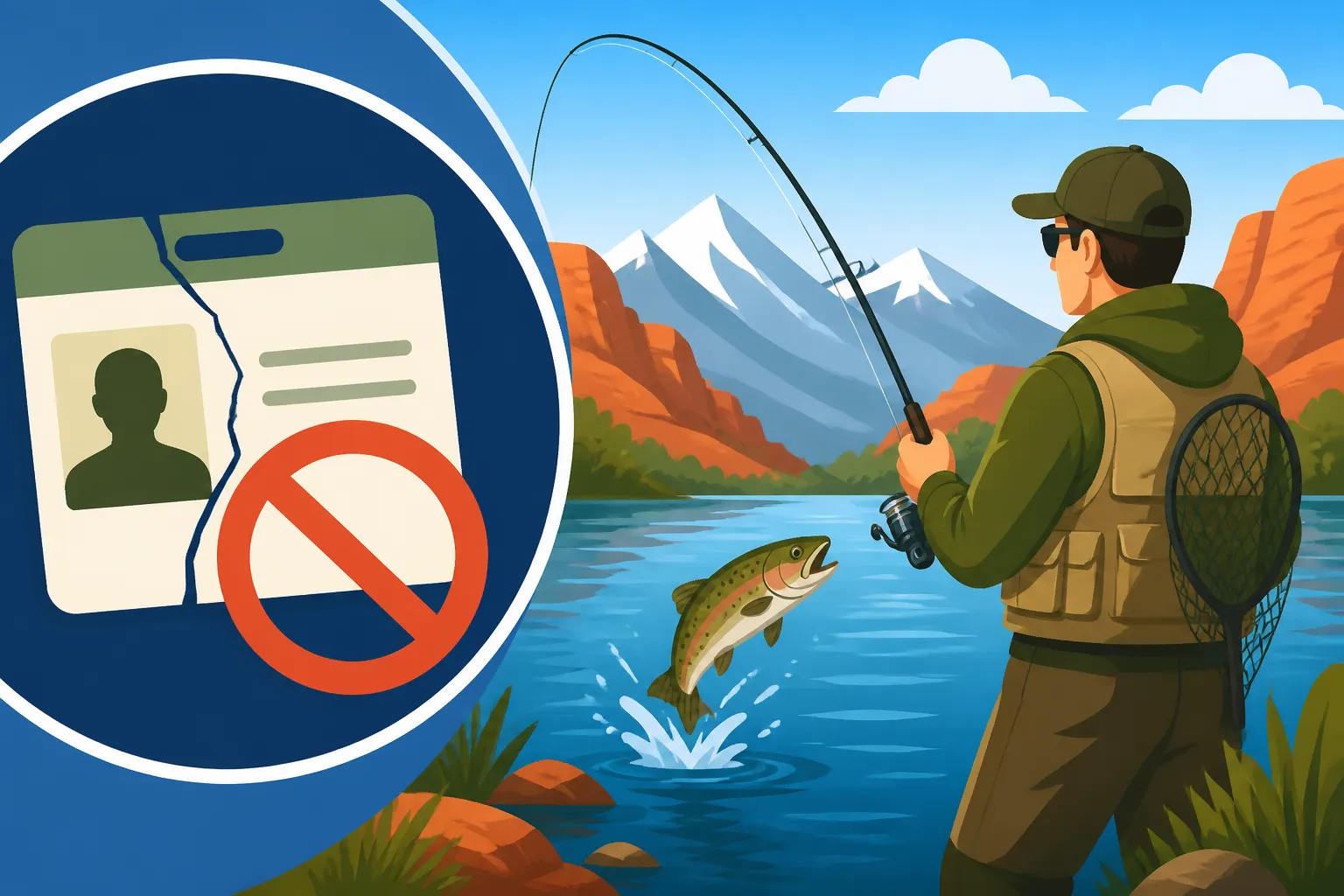
It's a common misconception that an expired license is just "almost a license." Unfortunately, the Utah Division of Wildlife Resources (DWR) and law enforcement officers don't see it that way. When your fishing license expires, it immediately becomes invalid, rendering you unlicensed. This means that from a legal standpoint, you're fishing without a license, which is a clear violation of state regulations.
Why an Expired License is No License at All
Imagine your driver's license expiring. You wouldn't expect to be able to drive legally just because you used to have a valid one, right? The same principle applies to your Utah fishing license. The moment the expiration date passes, that piece of paper or digital file no longer grants you the legal privilege to fish in Utah's waters. It doesn't matter if it expired yesterday, last week, or last year; the legal requirement is to possess a current and valid license while fishing. It's a black-and-white rule that protects Utah's fisheries and ensures everyone is contributing to their conservation efforts. Even if you're just dipping a line into a community pond, you're still subject to the same rules. If you're unsure about the general requirements, our comprehensive Utah Fishing License Guide can clear up many common questions.
The Immediate Consequences: Fines and Penalties
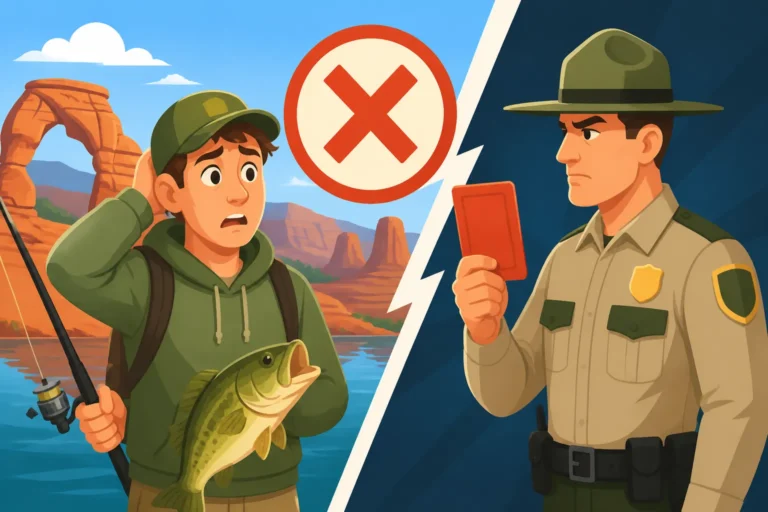
Getting caught fishing with an expired license can be a real punch to the gut. It's not just a polite reminder from a conservation officer; it's a legal citation that carries a fine. The actual cost can vary depending on the severity of the violation, any additional infractions (like exceeding bag limits or fishing in a closed area), and the discretion of the officer and the court. However, even a first offense for fishing without a license can lead to a significant financial penalty.
We're talking hundreds of dollars in fines, not just a slap on the wrist. Beyond the monetary cost, you might also face court appearances, which means lost time from work or other commitments. In some cases, repeated offenses or very egregious violations could even lead to the confiscation of your fishing gear or a temporary suspension of your fishing privileges. It's a costly lesson, especially when a valid license is relatively inexpensive. For a deeper dive into what you might be facing, check out our article on Utah Fishing License Penalties for Violations. This is why it's absolutely crucial to always verify your license status before even thinking about heading out to the water.
Understanding Utah's Licensing System and Renewal Process
The good news is that avoiding an expired license is entirely within your control. Utah has a straightforward licensing system designed to make it easy for anglers to stay compliant. Knowing how the annual cycle works and utilizing the available tools can save you a lot of headache and money.
Annual License Validity and Expiration
Most annual Utah fishing licenses operate on a calendar year basis. This means they are valid from January 1st through December 31st of the year they are purchased. So, if you bought a license in March of 2024, it would still expire on December 31st, 2024, not in March of 2025. This fixed expiration date for annual licenses is a key detail that many anglers forget, especially if they purchased their last license mid-year. This is why knowing When Does a Utah Annual Fishing License Expire? is so important.
Of course, not all licenses are annual. Utah offers various short-term options, too, such as the Utah 3-Day and 7-Day Fishing License Options, which are valid for a specific number of consecutive days from the date of purchase. These are fantastic for short trips or for visitors, but they also have precise expiration times that you need to be mindful of. Regardless of the type of license, the underlying principle remains: once the validity period ends, the license is expired, and you are no longer legally allowed to fish.
Easy Ways to Check and Renew Your License
Thankfully, the DWR has made it incredibly convenient to manage your fishing license. You don't have to rely on digging through old wallets or hoping you get a physical reminder in the mail.
Here are your best options:
- Go Outdoors Utah Website: The official DWR licensing portal is your one-stop shop. You can log in to your account at any time to see your current license status, purchase new licenses, or renew existing ones. This is the most direct way to check.
- Go Outdoors Utah App: For ultimate convenience, download the official DWR app on your smartphone. Not only can you store your digital license right on your phone (which is perfectly acceptable proof to show an officer!), but you can also check your license status and even renew it directly through the app. This is an incredibly useful tool, and you can learn more about its capabilities in our article on Utah Hunting and Fishing App Features.
- Authorized License Agents: If you prefer a face-to-face interaction, you can always visit an authorized DWR license agent. These are typically sporting goods stores, bait shops, and some general merchandise retailers throughout the state. They can look up your information and process renewals on the spot.
- Phone: You can also call the DWR licensing division during business hours to inquire about your license status or to renew.
Making sure your license is current is as simple as a few taps on your phone or a quick visit online. Don't let forgetfulness be the reason you miss out on a great day of fishing or, worse, get a ticket. After all, you've probably invested in great gear from places like Amazon, so ensure your license is just as up-to-date as your new tackle! For a detailed step-by-step guide, our piece on How to Buy a Utah Fishing License is a great resource, and don't forget to check out the Utah Fishing License Renewal Guide when it's time to update.
Here’s a quick overview of common Utah fishing license types and their typical validity:
| License Type | Residency Status | Validity Period | Typical Expiration | How to Renew/Check |
|---|---|---|---|---|
| Annual Fishing License | Resident | January 1 – December 31 | December 31 | Online, DWR App, Authorized Agent, Phone |
| Annual Fishing License | Nonresident | January 1 – December 31 | December 31 | Online, DWR App, Authorized Agent, Phone |
| 3-Day Fishing License | Resident/Nonresident | 3 Consecutive Days from Purchase | 72 hours from purchase | Not renewable; purchase a new short-term or annual license |
| 7-Day Fishing License | Resident/Nonresident | 7 Consecutive Days from Purchase | 168 hours from purchase | Not renewable; purchase a new short-term or annual license |
| Combination License | Resident | January 1 – December 31 | December 31 | Online, DWR App, Authorized Agent, Phone |
Note: Specific rules may apply for youth, seniors, and certain exemptions. Always confirm your specific license details.
What to Do If You Realize Your License is Expired (and You're Already Out There)
This is the scenario everyone dreads. You're enjoying the solitude of the water, and then it hits you: that nagging doubt about your license. What's the right move? Panic is understandable, but action is better.
The Honest Mistake vs. Intentional Violation
Let's be real: most people who fish with an expired license genuinely just forgot. Life gets busy, and license renewals can slip through the cracks. While this might feel like an "honest mistake," from a legal perspective, ignorance of the law is not usually considered a valid excuse. A conservation officer, while potentially understanding of your forgetfulness, is still obligated to enforce the regulations.
The DWR's stance is pretty clear: if you are fishing, you must have a valid license. Whether your license expired yesterday or you simply never got one, the violation is the same. The difference between an "honest mistake" and an "intentional violation" primarily comes down to how you react once you realize the situation. If you immediately stop fishing and take steps to rectify the problem, it shows good faith, even if it doesn't absolve you of the initial violation. Conversely, if you continue fishing, hoping you won't get caught, that leans much more into intentional disregard, which could lead to harsher outcomes if discovered.
Steps to Take Right Away
If that dreaded realization dawns on you while you're already out fishing, here’s a realistic approach to minimize further issues:
- Stop Fishing Immediately: This is the most critical first step. Reel in your line, put your rod down, and pack up your gear. Continuing to fish after realizing your license is expired only compounds the problem and could lead to additional charges.
- Check Your License Status and Attempt to Renew (If Possible):
- On Your Phone: If you have cell service, pull out your smartphone, open the Go Outdoors Utah app, or visit the Go Outdoors Utah website. Log in to your account and check your license status. If it's expired, try to renew it right there on the spot. Many anglers find it helpful to purchase new items like a new fishing reel or waders from Amazon, but your license needs to come directly from the DWR or an authorized agent.
- No Service? If you're in a remote area with no cell service, you won't be able to renew digitally. Your only option is to cease fishing and head to the nearest location where you can either get service or visit an authorized agent.
- Do NOT Resume Fishing Until Valid: Even if you renew your license on your phone, you might want to consider heading home or to a different spot to start fresh. The key is that you must have a valid license before you cast a line. If you've just renewed, you are now legally compliant.
- If Contacted by a DWR Officer: Be honest, cooperative, and polite. Explain that you just realized your license was expired and stopped fishing immediately. Show them any proof of renewal you might have just completed. While this might not prevent a citation for the time you were fishing without a valid license, your cooperation and immediate action could be taken into consideration by the officer or in court.
It's a tough pill to swallow, but being proactive and honest is always the best policy. It's far better to pack up early than to risk a hefty fine and a ruined day.
Avoiding Future Lapses and Staying Compliant
Preventing an expired license situation is much easier than dealing with the aftermath. With a few simple habits and smart use of technology, you can ensure you're always squared away before hitting the water.
Setting Reminders and Utilizing Technology
Forgetfulness is human nature, but in today's digital age, it's easier than ever to set up foolproof reminders.
- Calendar Reminders: Set a recurring annual reminder on your phone or computer for mid-December, well before the December 31st expiration date. Label it something clear like "Renew Utah Fishing License."
- DWR Email Notifications: When you create your Go Outdoors Utah account, opt-in for email notifications. The DWR often sends out helpful reminders when your license is approaching its expiration date. This is an excellent feature mentioned in our Utah Fishing License Renewal Reminder Options guide.
- Go Outdoors Utah App Notifications: The official app can also be configured to send push notifications directly to your phone. This makes it incredibly hard to miss. Our article on Utah Hunting and Fishing App Features details how to enable these.
- Physical Reminders: If you still prefer a physical touch, consider marking your calendar or placing a sticky note on your tackle box or truck dashboard in December. You can even find waterproof license holders on Amazon to keep your physical license safe, though digital is often easiest.
Understanding Different License Types and Exemptions
Sometimes, confusion about what license you actually need can lead to problems. Take a moment to understand the various options available. Are you a resident or a nonresident? What age group do you fall into? These factors significantly impact the type and cost of your license.
- Residency: Make sure you meet the criteria for a Utah Resident Fishing License Cost before purchasing one, especially if you've recently moved to the state. Otherwise, you'll need to purchase a Utah Nonresident Fishing License Cost.
- Age and Discounts: There are specific age requirements, and various discounts and exemptions exist for youth, seniors, and disabled veterans. Our article on Utah Fishing License Exemptions and Discounts can help you determine if you qualify for a special license or even a free one. However, remember that these exemptions aren't automatic; you still need to obtain the correct license or documentation to prove your exemption status.
The key is to buy the correct license for your situation and then keep it current. A quick check each December is a small effort for the peace of mind and legal compliance it provides. You might even find some handy fishing journals or logbooks on Amazon to help you keep track of your license validity alongside your catches!
Disclaimer
This article is intended for informational purposes only and does not constitute legal advice. Fishing regulations in Utah can change, and it is the responsibility of every angler to review and adhere to the most current rules published by the Utah Division of Wildlife Resources. Always consult the official DWR proclamation and website for the most accurate and up-to-date information regarding fishing licenses and regulations.