Best Fall Technique for Utah Trout
Ah, the crisp air, the vibrant leaves, the quiet solitude—fall fishing in Utah is truly magical, but let's be honest, it can also be a bit of a head-scratcher. Just when you think you've got those trout figured out from the summer months, everything changes! They become more elusive, their patterns shift, and what worked in July might leave you skunked in October. This guide is all about cutting through that confusion, helping you understand the unique challenges and incredible rewards of autumn angling, and sharing the very best techniques to put more Utah trout in your net during this stunning season.
Understanding Fall Trout Behavior in Utah Waters
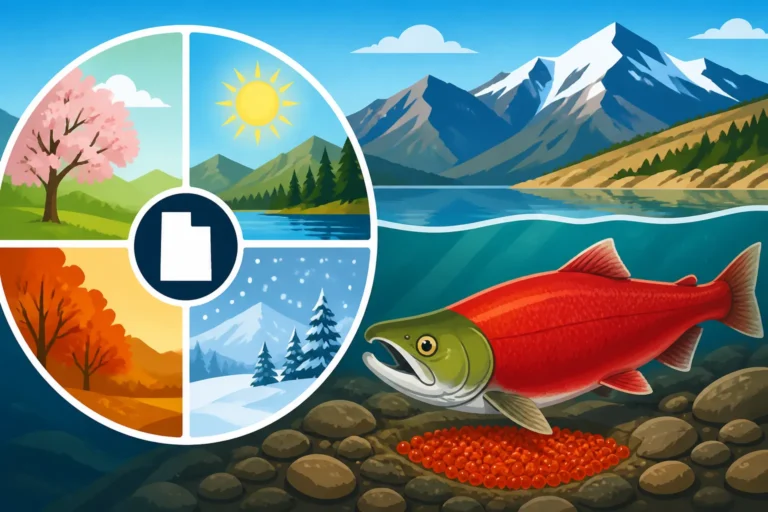
The transition from summer's warmth to autumn's chill completely reshapes the underwater world for Utah's trout. It's not just the scenery that changes; their metabolism, their feeding patterns, and even where they choose to hang out all undergo significant shifts. Ignoring these changes is often the difference between a frustrating day on the water and one filled with memorable catches.
The Impact of Cooling Water Temperatures
As the days shorten and the nights grow cooler, Utah's rivers and reservoirs experience a gradual but profound drop in water temperature. For trout, especially species like rainbow trout and cutthroat trout, this is often a welcome relief from the warmer summer temperatures that can make them lethargic or push them into deeper, cooler refuges. Cooler water means higher oxygen levels and a boost in their metabolism, often leading to increased activity and feeding. This is particularly true in waters that might have warmed up quite a bit in the peak of summer, like many of our larger reservoirs or even some stretches of the Provo River.
However, the cooling trend isn't uniform. Early fall might see a "turnover" event in larger reservoirs, where surface waters cool and sink, mixing with deeper, warmer water. This can temporarily scatter fish and make them harder to locate. As the fall progresses, the water continues to cool, eventually reaching temperatures that trigger pre-winter feeding frenzies before winter's true lethargy sets in. Understanding this thermal dance is key to knowing when and where to present your offerings. You'll often find fish more active during the warmest part of the day, particularly later in the fall when mornings can be downright frosty.
Pre-Spawn Feeding Frenzies and Spawning Runs
Fall is a critical time for many trout species, particularly brown trout and brook trout, as it signals their spawning season. Before they get down to the business of reproduction, many of these fish enter a vigorous pre-spawn feeding frenzy. They need to pack on calories and nutrients to fuel the demanding process of spawning. This is prime time to target larger, more aggressive brown trout in rivers and streams, like those found in the Green River below Flaming Gorge or sections of the Weber River. These fish, often displaying magnificent fall colors, will become incredibly territorial and opportunistic feeders, making them more susceptible to larger, more aggressive presentations.
Once the spawning instinct fully kicks in, brown trout will move onto their redds (spawning beds) in shallower, gravelly areas of rivers and stream inlets. During this period, while it can be tempting to target them, it's generally considered good angling etiquette and crucial for the health of the fishery to avoid actively fishing for spawning fish on their redds. Disturbing them can disrupt their reproductive cycle. Instead, focus on the fish staging before the spawn or those moving off the redds after they've completed their duties. Understanding when and where these migrations happen, and respecting the fish during their most vulnerable time, ensures healthy populations for years to come. For more on specific species, check out our guide on Utah Trout Species Guide.
Where Trout Hold as Seasons Change
Summer heat typically pushes trout into deeper, cooler water or shaded areas. As fall progresses, this changes significantly. In rivers, trout will often move out of the fastest currents and into slower, deeper pools and runs, often hugging structure like submerged logs, undercut banks, or large rocks. They're looking for cover and less strenuous current, but also places where food might accumulate. Don't overlook the "soft water" seams right next to faster currents, where insects might drift by.
In reservoirs and lakes, early fall can see trout still somewhat scattered as they adjust to mixing water layers. However, as the water cools further, many trout, especially stocked rainbow trout and cutthroat, will move closer to shorelines, particularly those with good cover like rocky points, weed beds, or submerged timber. Lake trout and kokanee salmon, while often found deeper, might also become more active in shallower feeding lanes during certain times of the day. Structure is key no matter the water type. Think about where baitfish might be congregating, or where aquatic insects are still hatching or drifting. Access points like marinas or coves can be hotspots, as fish move into these areas to feed more aggressively.
Top Fall Fishing Techniques for Utah Trout
Fall fishing is all about adapting. The techniques that dominated summer might need a serious overhaul as trout become more focused and often more aggressive. Let's dive into some of the most effective strategies for autumn.
Master the Art of Streamer Fishing for Aggressive Browns
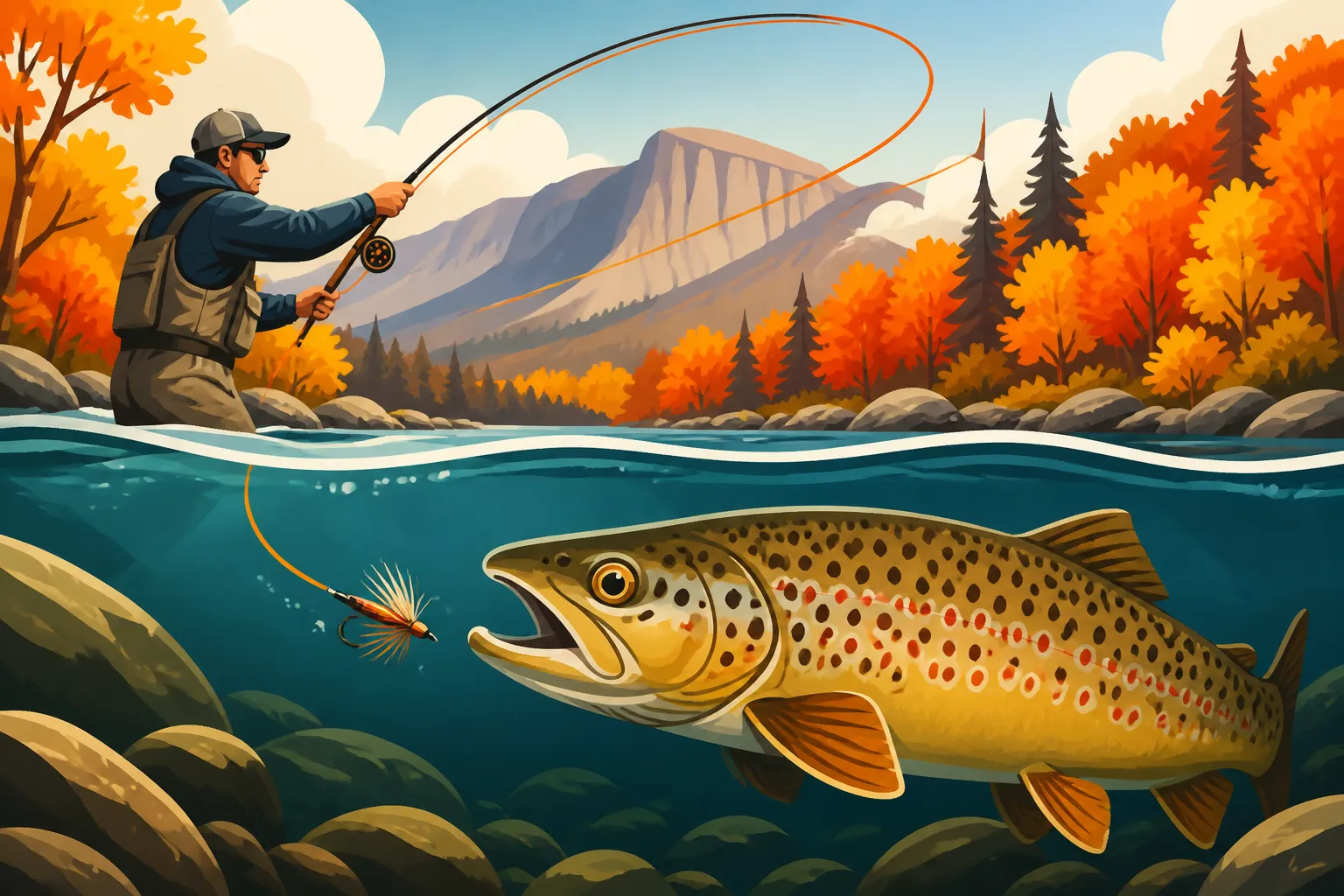
If there's one technique that screams "fall" for brown trout, it's streamer fishing. As brown trout prepare to spawn, they become incredibly predatory and territorial. They're looking for a big meal, something that will give them a lot of energy, and they're also very aggressive towards anything perceived as a threat to their spawning areas. Large, baitfish-imitating streamers become incredibly effective. Think about patterns like Sculpzillas, Woolly Buggers, or Sex Dungeons in olive, black, brown, or white.
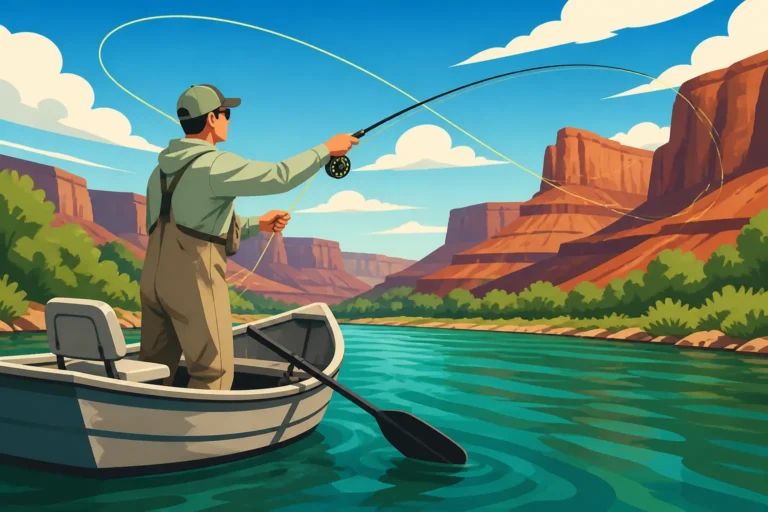
The key to streamer fishing is often the retrieve. You want to impart erratic, darting movements to imitate a wounded or fleeing baitfish. Stripping the line in varied lengths and speeds, with pauses, can trigger explosive strikes. Target deeper pools, undercut banks, and the tails of runs, especially in rivers known for healthy brown trout populations. Fishing these patterns from a drift boat or by wading and casting across and down-stream can be incredibly productive. This technique can feel like hunting, and when a big fall brown slams your streamer, it's one of the most exciting experiences in Utah fishing. Our guide on How to Fish a Streamer for Brown Trout in Utah offers even more in-depth advice.
Nymphing and Dry-Dropper Rigs on Rivers and Streams
While streamers are fantastic, don't underestimate the power of nymphing in fall, especially on our blue-ribbon rivers like the Provo River or the Green River. Aquatic insects are still very much a part of the trout's diet, even as water temperatures drop. Hatches might become less prolific than in spring or summer, but midges, blue-winged olives (BWOs), and even some caddis can still emerge. Trout often stay focused on the abundant subsurface food.
A well-executed nymph rig, featuring one or two weighted nymph patterns beneath an indicator, can be incredibly effective. Focus on drifting your flies naturally through deeper runs, current seams, and around structure. Popular fall nymph patterns include Frenchie Nymphs, Pheasant Tails, Prince Nymphs, and various midge patterns. As the air cools and terrestrial insect activity dwindles, dry-dropper rigs (a buoyant dry fly suspending a small nymph below it) become less about the dry fly attracting strikes and more about using it as a strike indicator for the nymph. However, on warmer, overcast fall days, you might still encounter sporadic BWO hatches where a small dry fly can pick up eager risers. Being prepared for both subsurface and occasional surface feeding is crucial.
Trolling and Jigging Deep for Reservoir Trout
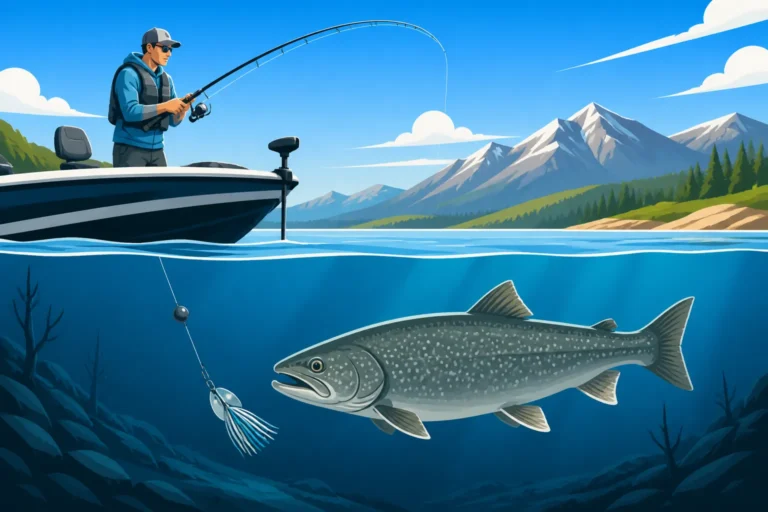
For anglers targeting larger lake trout, kokanee, or even some of the deeper-holding rainbow and cutthroat in Utah's vast reservoirs like Flaming Gorge or Strawberry Reservoir, trolling remains a powerhouse technique. As fish transition from summer to fall, they might be found at varying depths. Early fall could see them shallower, but as winter approaches, they often move to deeper basins or along submerged creek channels.
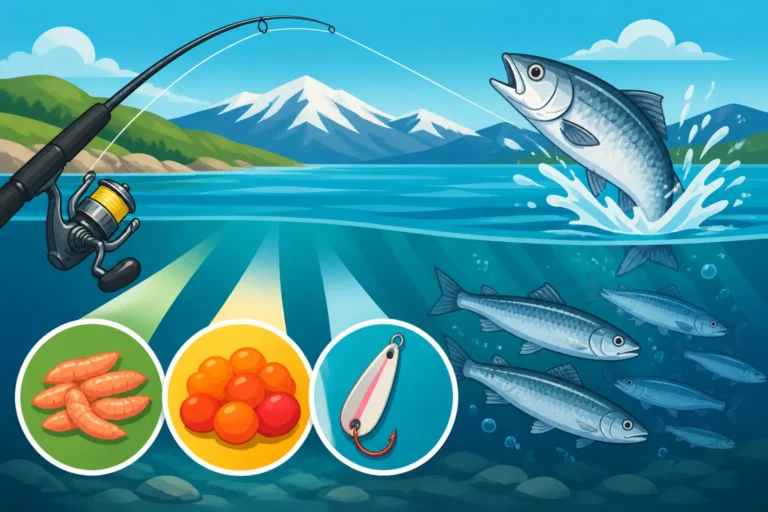
Trolling with downriggers or lead core line allows you to present lures and bait at precise depths. Spoons, dodgers and flashers trailed by a small fly or squid, and even large plugs can be incredibly effective. Vary your speed and depth until you find where the fish are holding. This is also where a good fish finder becomes invaluable for locating schools of baitfish or individual trout. For those without a boat or preferring a more active approach, jigging can be a deadly fall technique, especially for lake trout or even large rainbow trout. Vertical jigging spoons, tubes, or blade baits over submerged structure or schools of fish can entice aggressive strikes. Our article on Utah Trolling Techniques for Lake Trout provides excellent starting points for this method. Remember to check local regulations for specific waters regarding tackle and bag limits.
Drifting Bait in Lakes and Ponds
Sometimes, simplicity is key, especially when fishing for stocked rainbow trout in community ponds or smaller reservoirs. Drifting natural baits is a consistently productive fall technique. As water cools, trout can become a bit more finicky, but a properly presented piece of bait can still be irresistible.
Popular choices include PowerBait, worms, or even corn (check regulations to ensure allowed). The key is to present it naturally. Use a very light sinker or a small slip bobber rig to allow the bait to drift slowly near the bottom or at the depth where fish are cruising. Target areas near inlets, drop-offs, or any structure that might provide cover. In fall, trout are often cruising shallower weed lines or rocky points as they look for food before the real cold sets in. This is a particularly excellent technique for beginners or families, offering a high chance of success. Remember, even with bait, presentation matters. A fresh, lively nightcrawler on a small hook can be far more effective than a limp, drowned one.
Essential Gear and Preparations for Autumn Angling
Fall in Utah brings wildly variable weather, from warm, sunny days to sudden snow squalls. Being prepared with the right gear isn't just about comfort; it's about safety and maximizing your time on the water.
Layering Up for Variable Fall Weather
This is perhaps the most critical preparation for fall fishing. Mornings can be freezing, mid-day can be surprisingly warm, and a late afternoon storm can drop temperatures dramatically. Layering is your best friend. Start with a moisture-wicking base layer (merino wool or synthetic are excellent choices you can find on Amazon), add an insulating mid-layer (fleece or down vest), and top it off with a waterproof and windproof outer shell. Having multiple layers means you can easily adjust to changing conditions, peeling off layers as the day warms up and adding them back if a cloud rolls in or the wind picks up.
Don't forget accessories! A warm hat, gloves (fingerless for dexterity, or full waterproof gloves if it's really cold), and thick, insulating socks are non-negotiable. Cold hands and feet can quickly end a productive day. Even if the forecast looks mild, always bring an extra layer or two. Utah weather in the fall is famously unpredictable, especially in the mountains. For chilly river wading, invest in quality waders. Our guide on Best Waders for Cold Provo River Water offers some great options.
Selecting the Right Rods, Reels, and Line
While you don't necessarily need a completely new setup for fall, some adjustments can be beneficial. For river fishing with nymphs and streamers, a medium-fast action rod in a 5-7 weight for fly fishing offers versatility. If you're spin fishing, a 6'6" to 7' medium-light spinning rod with a sensitive tip is ideal for detecting subtle bites in colder water.
Line choice also matters. As water temperatures drop, fish can become more line-shy. Consider using fluorocarbon leaders and tippets, which are nearly invisible underwater and have less stretch, aiding in bite detection. For mainline, a good quality monofilament or braided line with a fluorocarbon leader is a solid choice for spin fishing. For trolling on large reservoirs, having enough line capacity on your reels is crucial, especially if you're using lead core or downriggers to reach deeper depths for species like lake trout or kokanee salmon.
Must-Have Lures and Flies for Your Fall Tackle Box
Your tackle box or fly box should reflect the changing conditions and fish behavior. For river trout, especially brown trout, be sure to have a good selection of streamers in various sizes and colors. Think about patterns that imitate sculpins, dace, or other baitfish. For nymphing, carry a range of sizes for common patterns like Pheasant Tails, Prince Nymphs, and Copper Johns, along with smaller midge patterns. Don't forget some split shot and strike indicators for optimal nymphing depth.
For reservoir anglers, spoons in silver, gold, and flashy colors are excellent for casting or trolling. Lipless crankbaits or deep-diving crankbaits can also be very effective for covering water and targeting aggressive fish. Jigging spoons and blade baits in 1/2 oz to 1 oz sizes are perfect for vertical presentations. A simple assortment of PowerBait in different colors (chartreuse, rainbow, garlic) and some worms should cover your bait needs. You can often find great deals on a variety of these lures and tackle components on Amazon, making it easy to stock up for the season. For a more general overview, check out our Best Tackle for Utah Trout guide.
Finding the Best Fall Trout Waters in Utah
Utah offers an incredible diversity of fishing experiences, and fall is a fantastic time to explore many of them. Choosing the right water for your preferred technique and target species is paramount.
River Systems and Tailwaters for Prime Action
Utah's rivers and tailwaters (the sections of river directly below a dam) often offer some of the most consistent fall trout fishing. The Green River below Flaming Gorge Dam is world-renowned for its incredible brown and rainbow trout fishing in the fall, especially for those pursuing larger, aggressive browns with streamers. The water temperatures in tailwaters are often more stable, which can keep fish active even as other waters cool rapidly.
The Provo River, both its Middle and Lower sections, is another fantastic fall destination. Here, you'll find excellent nymphing opportunities and, on occasion, strong BWO hatches. The Weber River also offers good fall action, particularly for brown trout. When fishing rivers in the fall, look for deeper pools, current seams, and areas with good overhead cover or submerged structure. Fish will often be less scattered than in summer and more concentrated in these prime holding lies. Remember to consult Utah Fishing Regulations Explained for any specific rules on the river you plan to visit, as some sections may have different restrictions.
Reservoirs and Lakes Offering Diverse Opportunities
Our many reservoirs and lakes truly shine in the fall, particularly for those targeting trophy fish. Strawberry Reservoir is famous for its large cutthroat and rainbow trout, which become incredibly active as the water cools. Trolling can be very productive here, as can casting spoons or jigs from shore or boat. Flaming Gorge Reservoir is a prime fall destination for giant lake trout (Mackinaw) and kokanee salmon. While kokanee will be nearing their spawn, lake trout will be on the prowl, and the cooling water can bring them into more accessible depths.
Other excellent fall reservoir options include Deer Creek, Jordanelle, and Rockport, which all hold good populations of rainbow and brown trout. Shore anglers can find success casting spoons, PowerBait, or drifting worms near rocky points or dam faces. Boat anglers might find success trolling or jigging structure. Don't forget about some of the smaller, often overlooked reservoirs that receive fall stockings – these can provide incredible action, especially for families or beginners.
High Mountain Lakes and Their Limited Fall Window
While most high mountain lakes in the Uinta Mountains become inaccessible as snow arrives, early fall (late September through mid-October, depending on elevation and snowmelt) can offer some of the most spectacular and solitary fishing experiences. Trout in these high-altitude lakes will be in peak condition, gorging themselves on available food before winter. The vibrant fall colors reflecting on still, clear water add to the magic.
However, this window is short and can close quickly with the first major snowstorm. Access roads can become impassable, and trails can become treacherous. If you plan a late-season high mountain lake trip, always check weather forecasts diligently and be prepared for winter conditions, including sudden drops in temperature and snow. The rewards can be incredible – aggressive brook trout, cutthroat, and even tiger trout in stunning wilderness settings. Always let someone know your itinerary if you're heading into the backcountry.
Here's a quick comparison of popular fall techniques for Utah trout:
| Technique | Target Species | Best Water Type | Key Fall Advantage | Best Time of Fall |
|---|---|---|---|---|
| Streamer Fishing | Brown Trout, Large Rainbow | Rivers, Stream Inlets | Triggers aggressive, territorial strikes from pre-spawn fish | Early to Mid-Fall |
| Nymphing | Rainbow, Brown, Cutthroat | Rivers, Tailwaters | Mimics abundant subsurface insect life in cooling water | All Fall |
| Trolling | Lake Trout, Kokanee, Rainbow | Large Reservoirs | Covers vast areas, targets deep-holding fish | All Fall |
| Drifting Bait | Stocked Rainbow, Brown | Ponds, Smaller Lakes | Simple, effective for newly stocked or cruising fish | All Fall |
| Jigging | Lake Trout, Rainbow | Large Reservoirs | Active presentation for deep, suspended fish | Mid to Late Fall |
Ultimately, the "best" fall technique for Utah trout is the one that you have confidence in and that you're willing to adapt based on the specific conditions of the day and the water you're fishing. The beauty of fall fishing lies in its dynamic nature, offering a challenge and a reward that is truly unique to this spectacular season. So grab your layers, pack your tackle, and head out to experience the incredible autumn angling Utah has to offer.
Disclaimer
This article is for general informational purposes only and does not constitute professional advice. Laws, prices and regulations vary by location and change over time. Consult a qualified professional for guidance on your specific situation.